Schweinfurt Germany Bavaria

16 Cruises availables At departure or passage at this port

CroisiEurope (16 Cruises)
Port of Schweinfurt, Germany | Cruise Port Guide

You don't expect an industrial capital to house one of the finest painting collections in the German-speaking world. Yet Schweinfurt cultivates this paradox. This Bavarian city of about 54,000 inhabitants, known throughout Europe for its ball bearing factories, holds a big surprise for passengers on Main River cruises: a first-rate art museum, a few steps from an old market square where the heart of Franconia still beats.

From the quay to the old square

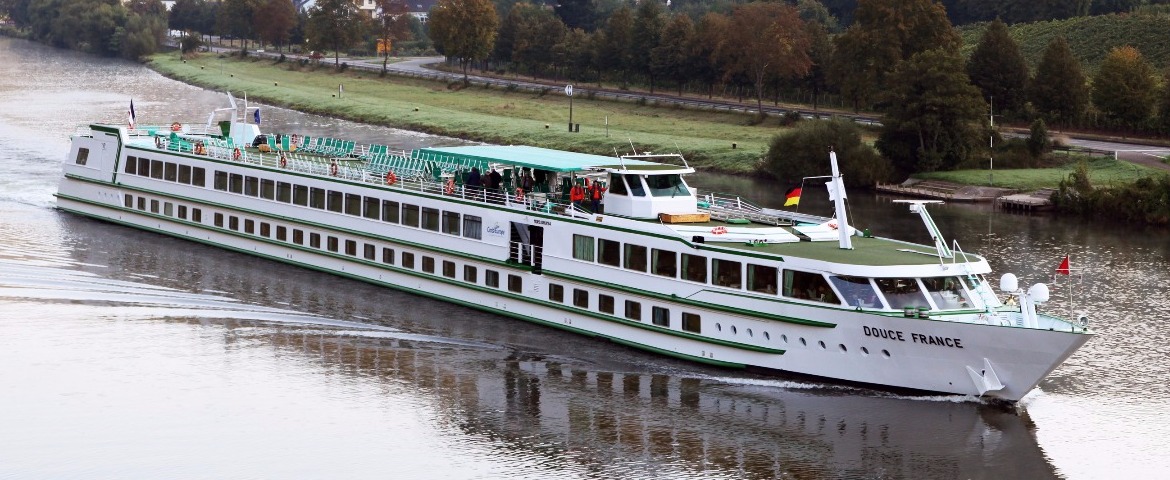
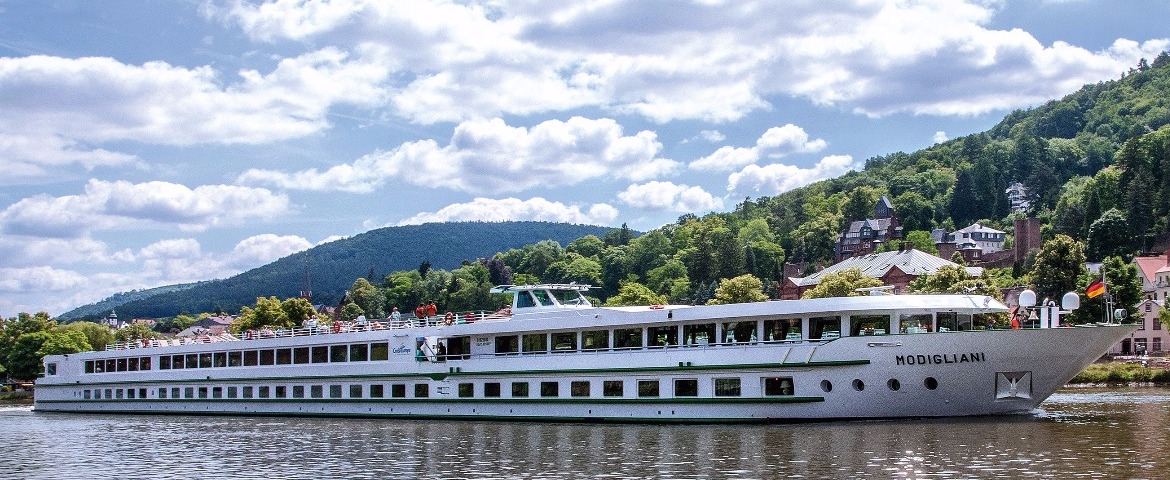
River boats dock along the Main, within walking distance of the old centre. The route first follows the Mainauen, riverside meadows landscaped into a park where residents come to jog, picnic or simply watch the river flow. In a few minutes, the shopping streets lead to the Marktplatz, the central square, dominated by the Renaissance town hall built in the 16th century. Its façade with carved gables is among the most remarkable in southern Germany.

All around, St. John's Church raises its Gothic silhouette, remodelled over the centuries, while the old grammar school, which houses the municipal collections, recalls the era when Schweinfurt was one of the free cities of the Holy Roman Empire. The whole area can be explored at a leisurely pace, among shops, cafés and bakeries where pretzels come out of the oven in the morning.

The Museum Georg Schäfer

The stop takes on its full value at the Museum Georg Schäfer, housed in a contemporary building near the centre. The industrialist of the same name assembled over his lifetime the most important private collection of 19th-century painting in the German-speaking world: Romantics, Nazarenes, German Impressionists. The rooms devoted to Carl Spitzweg, a painter of gentle humour of whom the museum holds the largest collection in the world, are worth the trip on their own. Allow an hour and a half for an attentive visit, more if the paintings hold your attention.

A story of bearings

You can't understand Schweinfurt without mentioning its industry. From the late 19th century, the city established itself as a world centre for ball bearings, a specialty that led to heavy bombing during the Second World War, followed by pragmatic reconstruction. This working-class memory shows in the urban landscape, where old buildings stand alongside no-frills postwar districts. A permanent exhibition also documents this technical adventure that set the region in motion, quite literally.

SightsAccess from the quaySuggested time
Marktplatz and town hallOn foot30 to 45 minutes
Museum Georg SchäferOn foot1 hr 30
Mainauen parkOn the way backAs you please

Franconia on your plate

The stop is also a chance to taste Franconian cooking: grilled sausages served in pairs, roast pork in brown gravy, potato dumplings. The taverns around the Marktplatz serve these classics with a local beer or a dry white wine from the nearby slopes, since wine-growing Franconia begins at the city's doorstep. The wine is served in the Bocksbeutel, the round, flattened bottle typical of the region.

Back to the river

Heading back down to the Main, a last look at the riverside meadows sums up this stop well: a city that works, that doesn't put on a show, but keeps a few treasures in reserve for those who take the time to open its doors. Passengers often return on board with the memory of a Spitzweg painting or a lively market square, and that particular impression of having glimpsed a discreet, hard-working and endearing Germany, far from the over-travelled routes.

Frequently Asked Questions

Yes. Boats moor along the Main within walking distance of the old centre. The route first follows the Mainauen, riverside meadows landscaped as a park, then the shopping streets lead to the Marktplatz in a few minutes.
The Georg Schäfer Museum, and that is what surprises in an industrial city. The industrialist of that name assembled here the most important private collection of 19th-century painting in the German-speaking world: Romantics, Nazarenes, German Impressionists.
Allow an hour and a half for an attentive visit, longer if painting holds you. The rooms devoted to Carl Spitzweg, of whom the museum owns the largest holding in the world, justify the trip on their own.
The Renaissance town hall built in the 16th century, whose carved gabled façade ranks among the most remarkable in southern Germany. All around, St. John's church raises its gothic outline and the old grammar school houses the municipal collections.
Because from the late 19th century the city established itself as a world centre of ball bearing manufacture. That speciality is why it was heavily bombed during the Second World War, then rebuilt pragmatically.
A city that works and does not put on a show. Old buildings sit alongside plain post-war districts: it is worth knowing before you arrive. Anyone expecting an intact medieval set will be disappointed; everyone else finds a discreet, likeable Germany.
Thirty to forty-five minutes for the Marktplatz and town hall, an hour and a half at the Georg Schäfer Museum, then the Mainauen park on the way back. It is a full programme without racing the clock.
Franconian cooking: grilled sausages served in pairs, pork roast in brown sauce, potato dumplings. The taverns around the Marktplatz serve them with a local beer or a dry white wine poured from the Bocksbeutel, the flat round bottle typical of the region.
Moderately, to be honest. The city appeals mainly to those interested in painting and industrial history. The Mainauen park by the river, however, gives younger visitors a good place to unwind between visits.
The euro, and cards work in most shops in a city this size. English is spoken at the museum and in the centre; elsewhere German remains the working language.