Takoradi Ghana
Ghana
28
Cruises availables
At departure or passage at this port
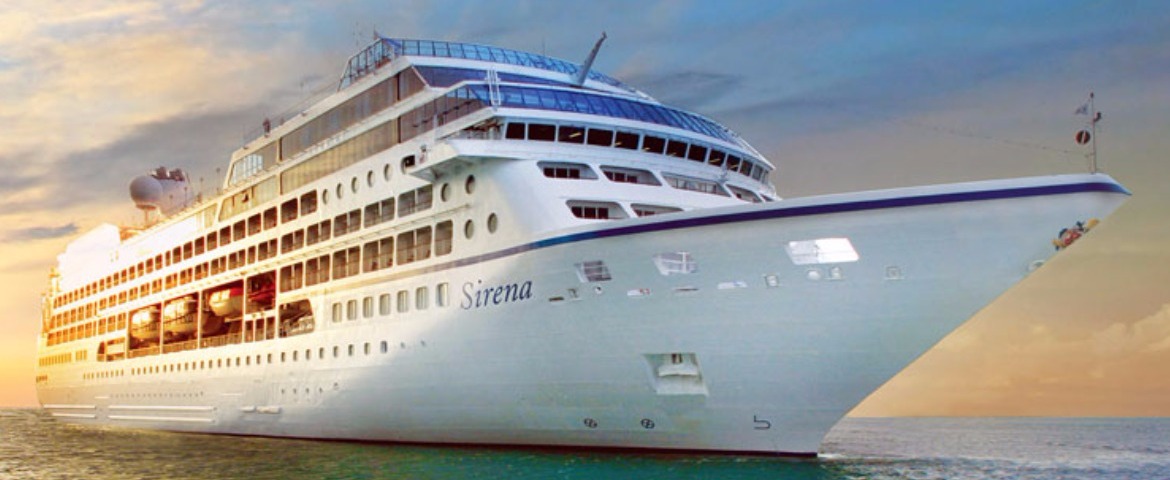
Oceania Cruises (4 Cruises)

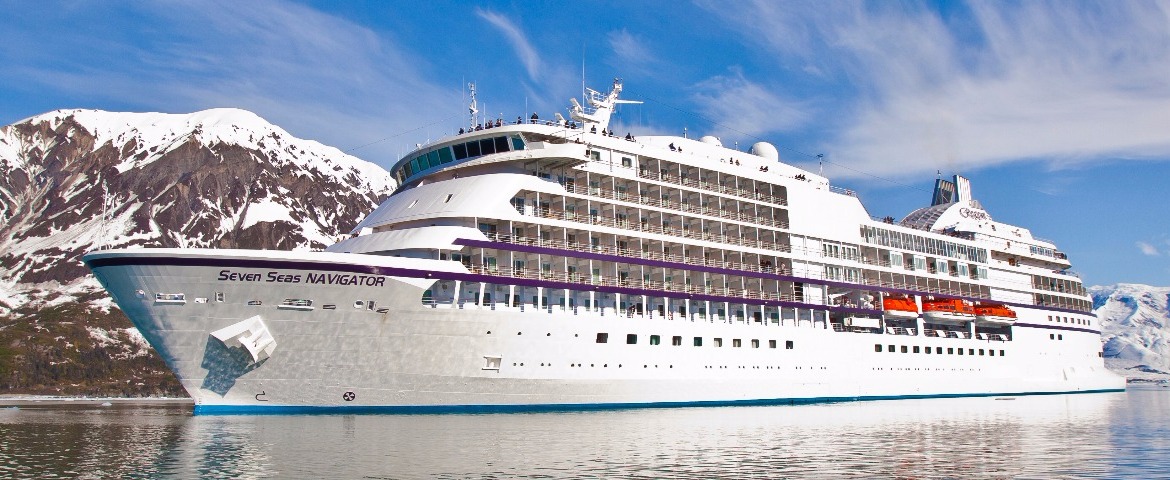

Seabourn Cruise Line (10 Cruises)
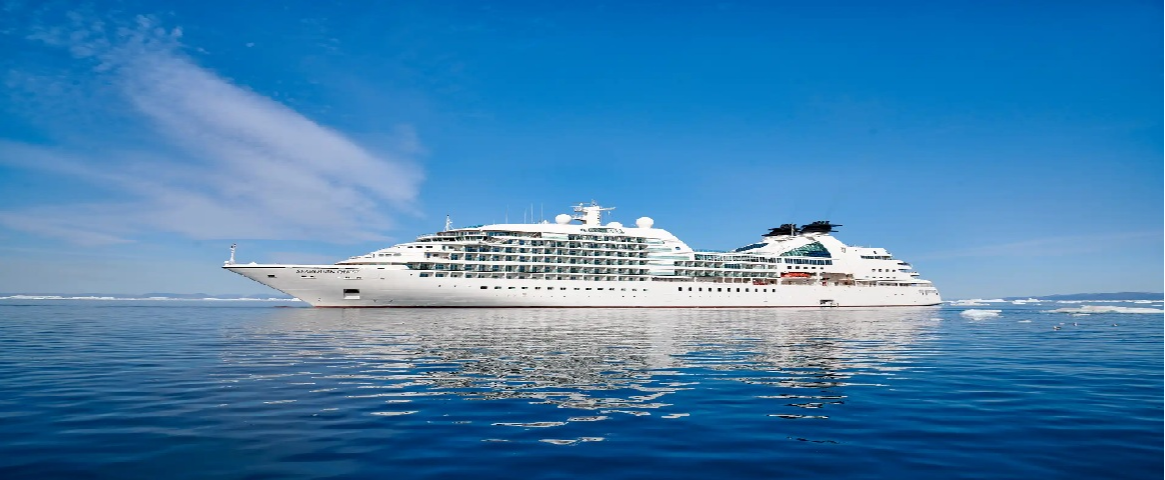
Seabourn Quest
10 Cruises

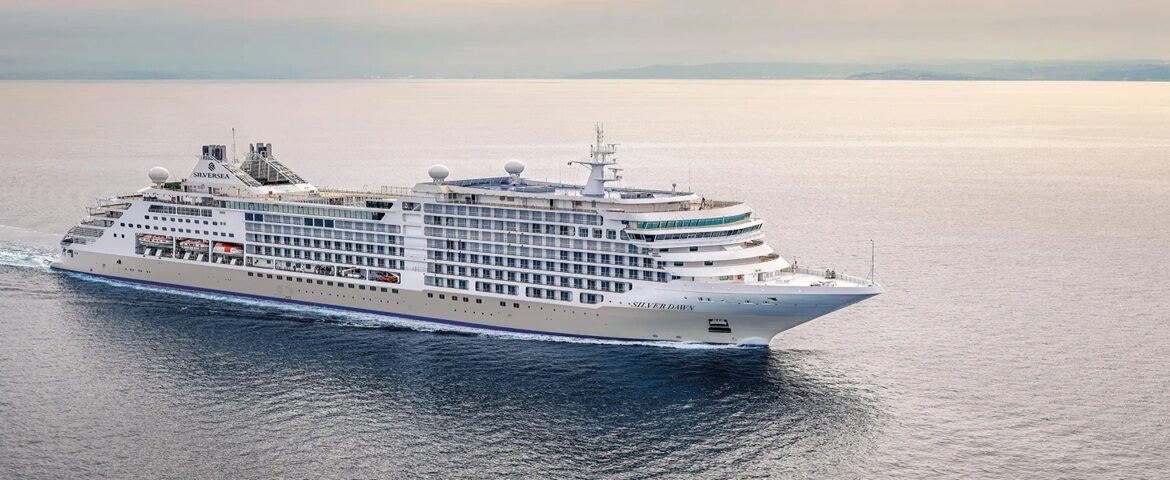
Silversea Cruises (4 Cruises)


Takoradi, Ghana | Cruise Port Guide
Frequently Asked Questions
Inside the commercial port, among cargo ships and stacks of timber. Shuttles usually take passengers to the port gate, where taxis and local guides wait; the city centre is a few minutes' drive away.
No. The port area is closed to pedestrians: you need the ship's shuttle to the gate, then a taxi or a guide. Agree on the price and the route before setting off; it makes the whole day simpler.
The urban core: Market Circle, then Sekondi with Fort Orange and its fishing landing. Half a day is plenty. Excursions to Kakum or Elmina, by contrast, take the whole day.
The circular market where the whole city converges: brilliantly patterned cloth, yams, dried fish, tailors working at their machines out front. You move at walking pace, carried by the crowd; a local guide opens doors and translates.
For many passengers it is the very reason they came to Ghana. Founded by the Portuguese in the fifteenth century, it was a central link in the transatlantic slave trade. Visiting the dungeons and the Door of No Return is shattering; allow a full day.
A tropical rainforest crossed by a canopy walkway suspended at treetop height, the longest of its kind in West Africa. It lies a good distance east of Takoradi: this is a full-day excursion.
The Ghanaian cedi. It is easy to exchange, but small US bills come in handy at the market. Bring cash: cards are not commonly accepted in stalls and small shops.
English is Ghana's official language and is widely spoken, with Fante and Twi used in daily life. French is not common.
Water, a hat and loose clothing: the humidity of the Gulf of Guinea makes itself felt from early morning. Bargaining at the market is part of the exchange, always with a smile.
This is an immersive call rather than a relaxing one. The market and the fishing landing fascinate curious teenagers; Elmina, however, confronts the slave trade directly and calls for preparation with younger children.


