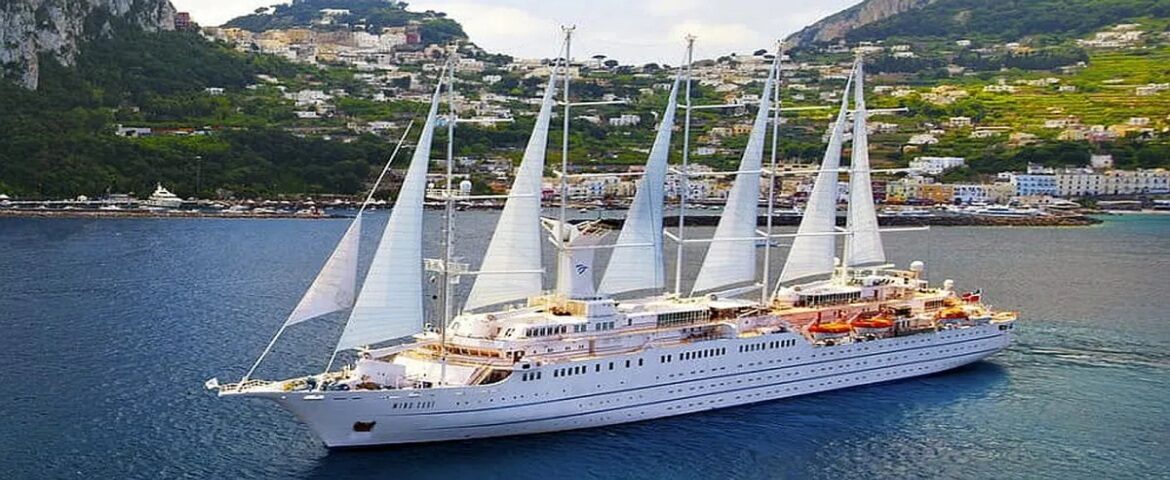
Samos Island Karlovassi-Samos, Greece

22 Cruises availables At departure or passage at this port

Samos Island, Greece | Cruise Port Guide

Samos is an island of green mountains set a stone's throw from the Turkish coast, and you come ashore here with a rare privilege: walking in the footsteps of Pythagoras, born here twenty-six centuries ago. Depending on their size, ships dock at Vathy, the capital curled around its deep bay, or at Karlovassi, the former tannery town in the northwest. Either way, the quay opens directly onto island life: cafés where people linger over a frappé, fishermen untangling their nets, hills covered in vineyards climbing up to the clouds.

Vathy and its museum with the colossus

The capital rises like an amphitheatre at the far end of one of the most sheltered bays in the Aegean. The capital's archaeological museum alone justifies the stop: you can admire a kouros nearly five metres tall, the largest statue of its kind to have come down to us, offered to the sanctuary of Hera in the 6th century BCE. Higher up, the old quarter clinging to the hillside lines up its tile-roofed houses along lanes where you hear little but the cicadas.

Pythagorio, the geometer's city

About twenty minutes by road from Vathy, Pythagorio occupies the site of the ancient city of Samos, a UNESCO World Heritage Site. The small harbour, guarded by a statue of Pythagoras tracing his triangle, already served as an anchorage for the triremes of the tyrant Polycrates. It was during his reign that the Tunnel of Eupalinos was dug, an underground aqueduct more than a kilometre long excavated simultaneously by two teams starting from each side of the mountain, which met with astonishing precision for the 6th century BCE. Part of the tunnel can be walked today, helmet on, in the coolness of the rock; the unusual experience appeals to history buffs and families alike.

The Heraion, sanctuary of the goddess

On the neighbouring coastal plain, a solitary column marks the Heraion, one of the largest temples in the Greek world, dedicated to Hera, who according to tradition was born on the island. Colossal foundations, altars and that single standing column hint at a sanctuary that drew pilgrims from all over the eastern Mediterranean. The site, peaceful and windswept, can be visited in an hour.

Vineyards, villages and seaside

Since antiquity, Samos has produced a sweet muscat that made its reputation as far as the tables of Europe; several roadside wineries offer a quick tasting. On the north coast, the fishing village of Kokkari, with its boats pulled up on the pebbles and its tavernas right at the water's edge, makes an ideal break: you sit down to a tomato salad with fresh cheese while the waves lap a metre from your chair. Everywhere, the mountains are never far: the island rises to more than 1,400 metres, and its roads wind between pine forests, olive groves and villages with fountains.

Port call landmarksDetails
DockingVathy or Karlovassi, quay in the town centre
PythagorioAbout 12 km from Vathy, taxi or motorcoach
Heraion6 km from Pythagorio, UNESCO site
To tasteSamos muscat, thyme honey, grilled fish

Leaving with the measure of the world

As the ship pulls away from the quay, the Turkish coast seems almost within reach: the strait is only two kilometres wide. You leave Samos with images of vineyards and columns, but above all with a fresh idea: on this island, people sought to measure the world, and their calculations still cross the centuries with the assurance of a theorem. Some port calls offer rest; this one, quietly, uplifts.

Frequently Asked Questions

Depending on its size, at Vathy, the capital curled around its deep bay, or at Karlovassi, the old tannery town to the northwest. In both cases the quay opens straight onto island life.
The archaeological museum in Vathy and the old quarter on foot, then about twenty minutes by road to Pythagorio and the Heraion. The fishing village of Kokkari on the north coast is a quieter alternative.
For its kouros of nearly five metres, the largest statue of its kind to survive, offered to the sanctuary of Hera in the sixth century BC. It alone justifies the stop in Vathy.
An underground aqueduct over a kilometre long, dug simultaneously by two teams starting from opposite sides of the mountain, who met with astonishing precision for the sixth century BC. Part of it can be walked today, hard hat on.
Yes, he was born here twenty-six centuries ago. The town of Pythagorio, about twenty minutes by road from Vathy, occupies the site of the ancient city, and its small harbour is guarded by a statue of the geometer drawing his triangle.
One of the largest temples of the Greek world, dedicated to Hera who was born on the island according to tradition, 6 km from Pythagorio. Only a single column remains above colossal foundations; the wind-swept site takes about an hour.
Samos muscat, a sweet wine grown here since antiquity and exported to the tables of Europe. Several roadside cellars offer quick tastings, and thyme honey rounds out the souvenir basket.
At Kokkari on the north coast: a fishing village with boats hauled up on the shingle and taverns right at the water's edge. A tomato salad with fresh cheese beside the lapping waves makes the ideal pause.
Very: the strait is only two kilometres wide. From the ship's deck the Turkish coast looks almost within reach as you sail.
The euro and Greek, with English understood in both Vathy and Pythagorio. Cards work in town shops; keep cash for wine cellars and taxis.