Deshaies Basse-Terre Island Guadeloupe
133
Cruises availables
At departure or passage at this port
Emerald Waterways (47 Cruises)
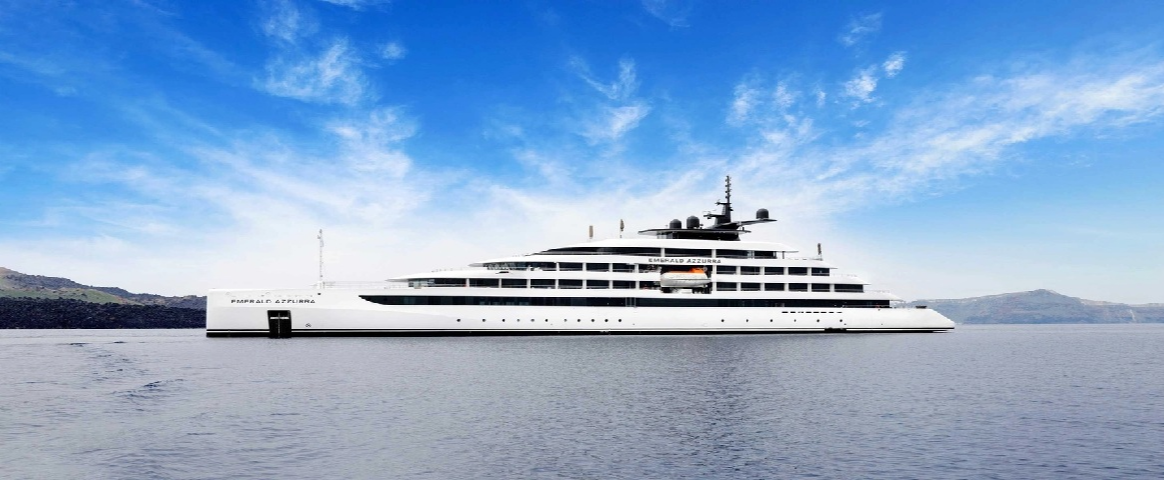

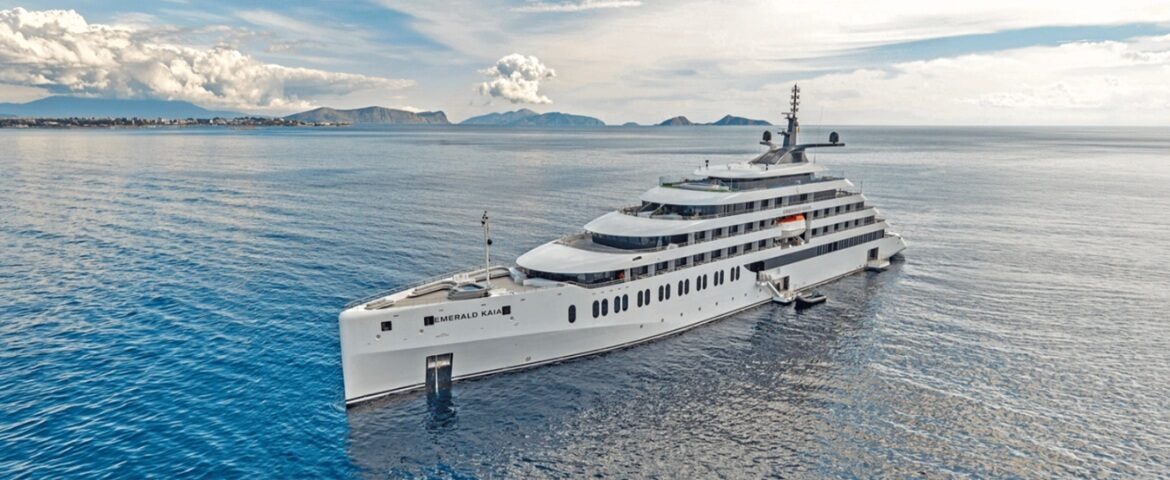
Emerald Kaia
27 Cruises
| 5 January | 15 days | Round-trip from San Juan, Puerto Rico |
450-628-6241
Call us
|
| 12 January | 8 days | One-way from St Johns Antigua to San Juan |
450-628-6241
Call us
|
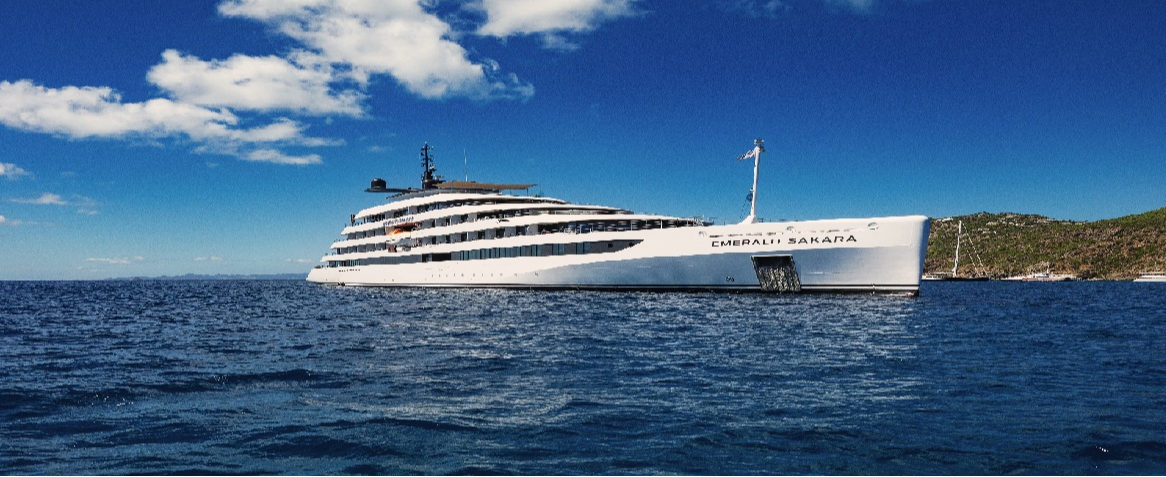
Emerald Sakara
16 Cruises
| 9 January | 8 days | One-way from San Juan to St Thomas Island USVI |
450-628-6241
Call us
|
| 9 January | 7 days | One-way from San Juan to St Thomas Island USVI |
450-628-6241
Call us
|
| 3 April | 7 days | One-way from St Thomas Island USVI to San Juan |
450-628-6241
Call us
|
| 3 April | 8 days | One-way from St Thomas Island USVI to San Juan |
450-628-6241
Call us
|
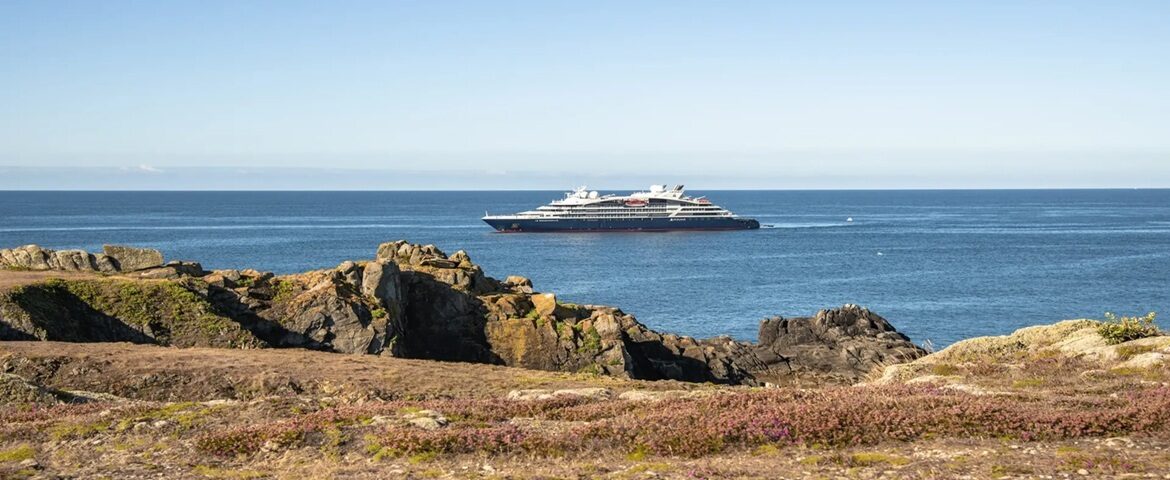
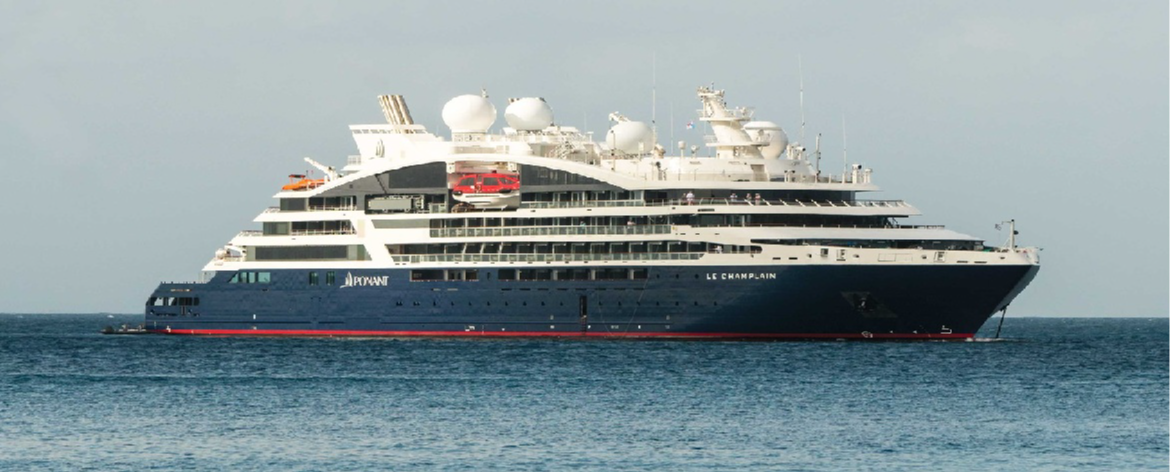
Ponant (6 Cruises)

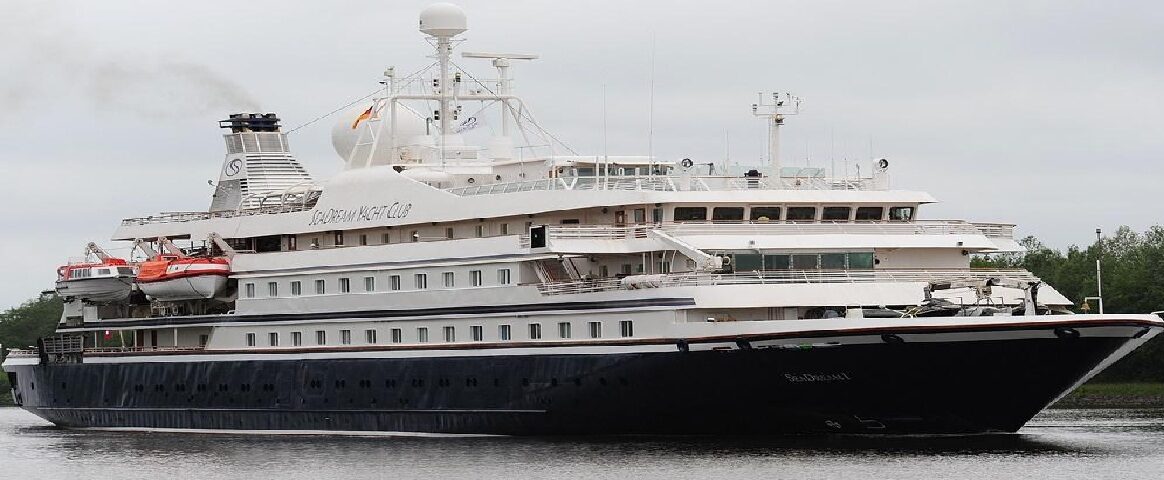
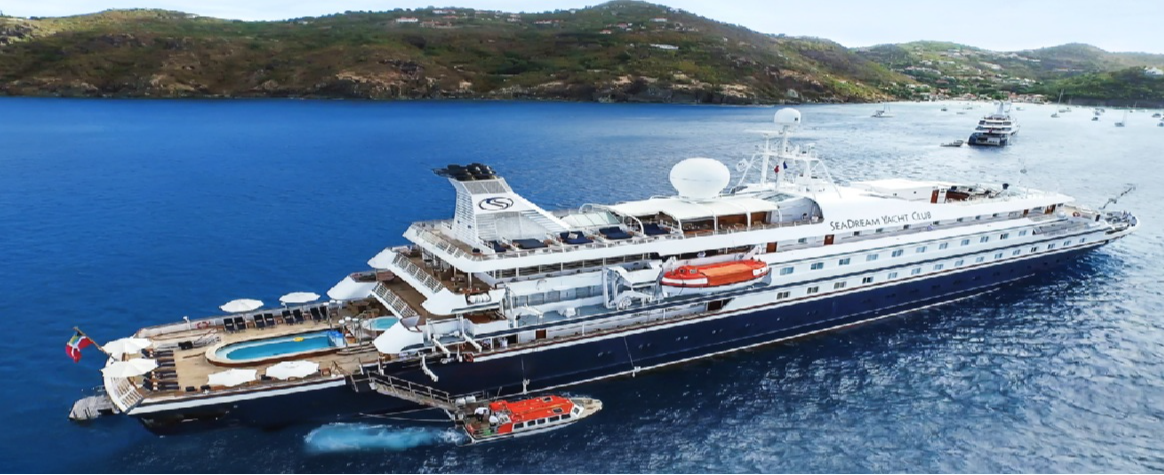
SeaDream Yacht Club (5 Cruises)


Star Clippers (43 Cruises)
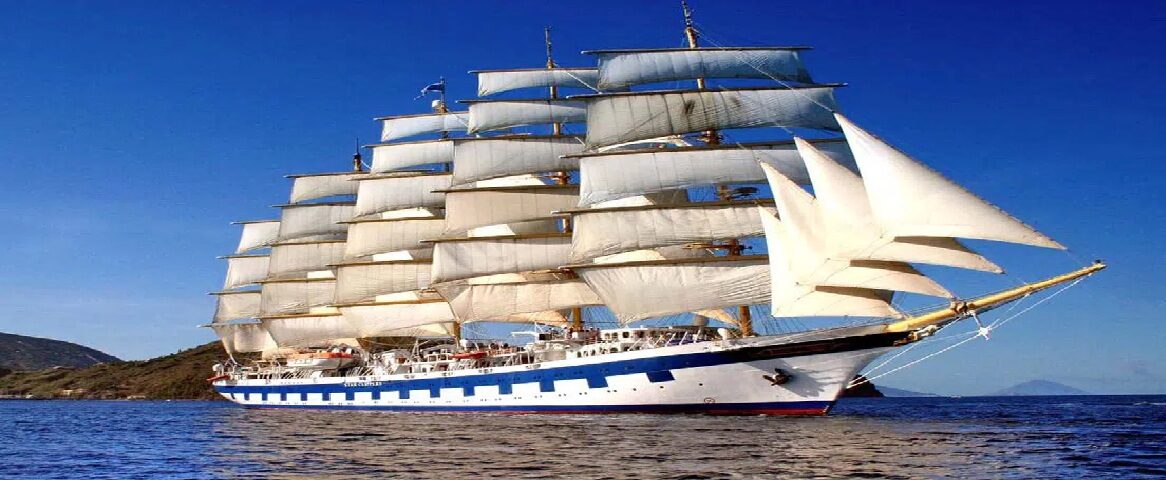

Star Clipper
12 Cruises
| 27 November | 8 days | Round-trip from St Johns Antigua, Antigua & Barbuda |
450-628-6241
Call us
|
| 27 November | 7 days | Round-trip 7 Night Antigua to Antigua Cruise |
450-628-6241
Call us
|
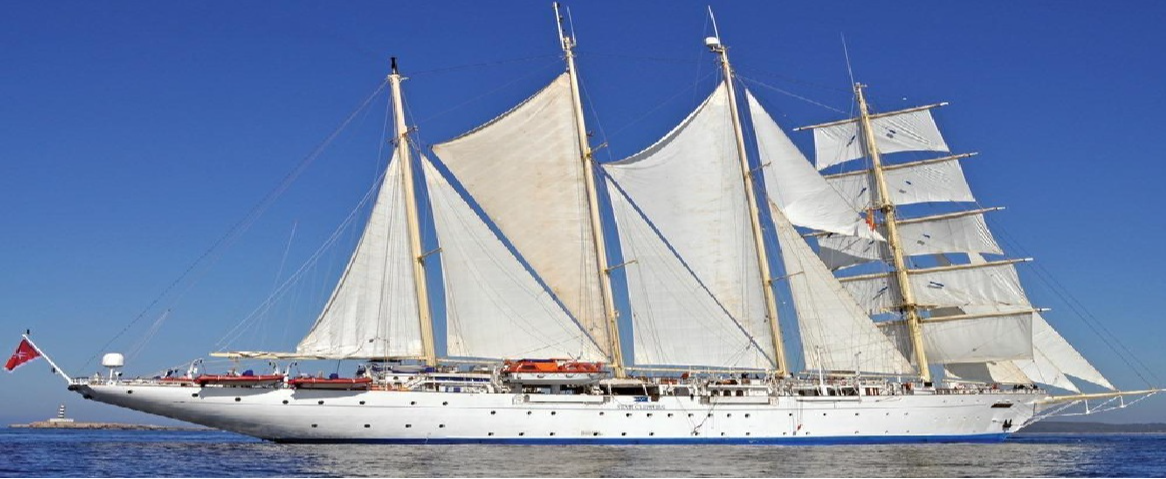
Star Flyer
30 Cruises
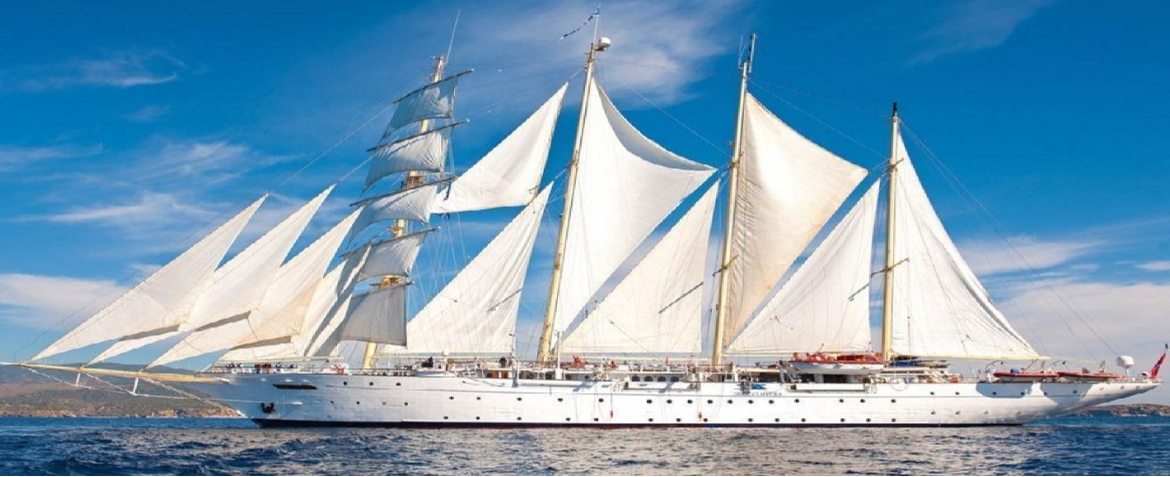
| 13 March | 7 days | Round-trip 7 Night Leeward Islands Cruise |
450-628-6241
Call us
|
| 13 March | 8 days | Round-trip from Philipsburg St Maarten, Netherlands |
450-628-6241
Call us
|
Windstar Cruises (21 Cruises)
Star Pride
15 Cruises
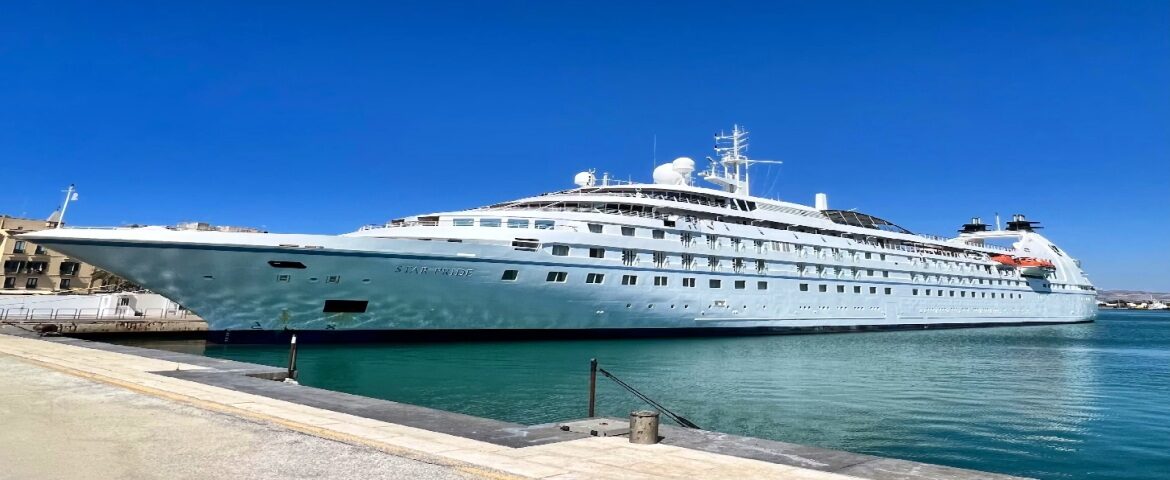

| 29 November | 15 days | Round-trip from San Juan, Puerto Rico |
450-628-6241
Call us
|
| 29 November | 14 days | Round-trip 14 Night Star Collector Lovely Leewards Cruise |
450-628-6241
Call us
|
Wind Surf
6 Cruises
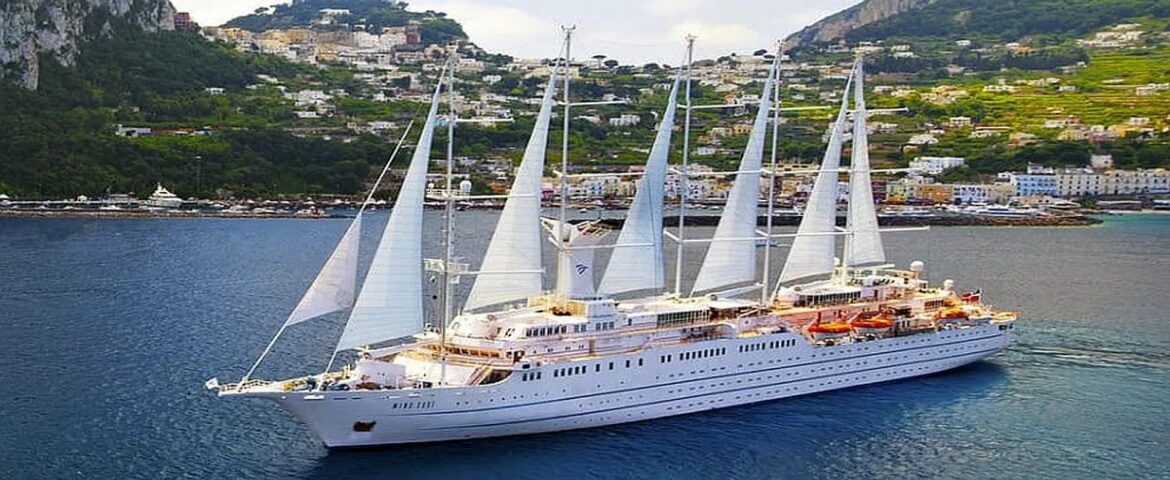

Port of Deshaies, Guadeloupe | Cruise Port Guide
Frequently Asked Questions
At anchor: the ship drops the hook in the bay set between two green hills, and tenders land passengers at the village landing. Everything after that is on foot.
Because the series "Death in Paradise" has been filmed here since 2011, and the façade of the fictional police station is among the most photographed spots in Guadeloupe. The village makes nothing of it.
Painted wooden houses along the main street, restaurants at the water's edge, fishing boats drawn up on the shingle and the church at the centre. Half an hour covers it; most people stay considerably longer.
The former estate of the comedian Coluche, now one of the most visited gardens in the Caribbean: over a thousand tropical species, koi ponds, flamingos, a lorikeet aviary where you feed the birds nectar, a waterfall and a view down over the bay. Allow an hour and a half.
The site is about two kilometres from the village, uphill the whole way. A taxi spares you the climb; the walk back down through hibiscus hedges is a pleasure.
Nearly a kilometre of golden sand backed by coconut palms, a few minutes' drive north, without a single building on the horizon. The sand turns coppery late in the day.
Yes, though the breakers invite play more than lap swimming, and currents are possible. Stay within the busier stretches.
Yes, Plage de la Perle a little further along the coast: shorter and usually quieter. This coastline is among the least developed in the archipelago, with no hotel towers and no concrete promenade.
The euro — Guadeloupe is a French department. Shops and restaurants are concentrated on the village's main street.
Because the anchorage appears in every Lesser Antilles cruising guide: sheltered from the trades, deep, facing the sunset. By late afternoon dozens of yachts swing there.


