Crotone Italy
316
Cruises availables
At departure or passage at this port
Azamara Club Cruises (21 Cruises)
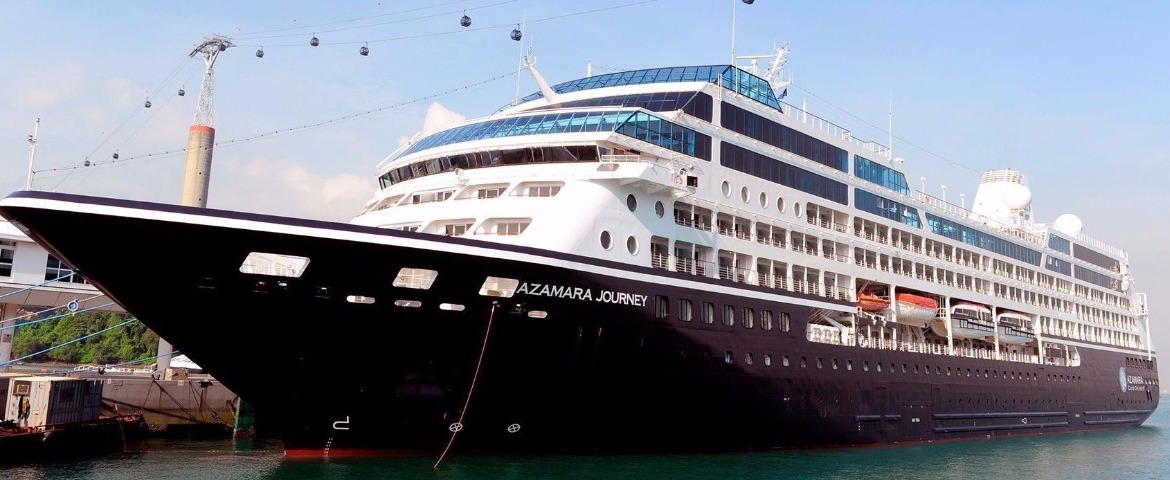
Azamara Journey
8 Cruises

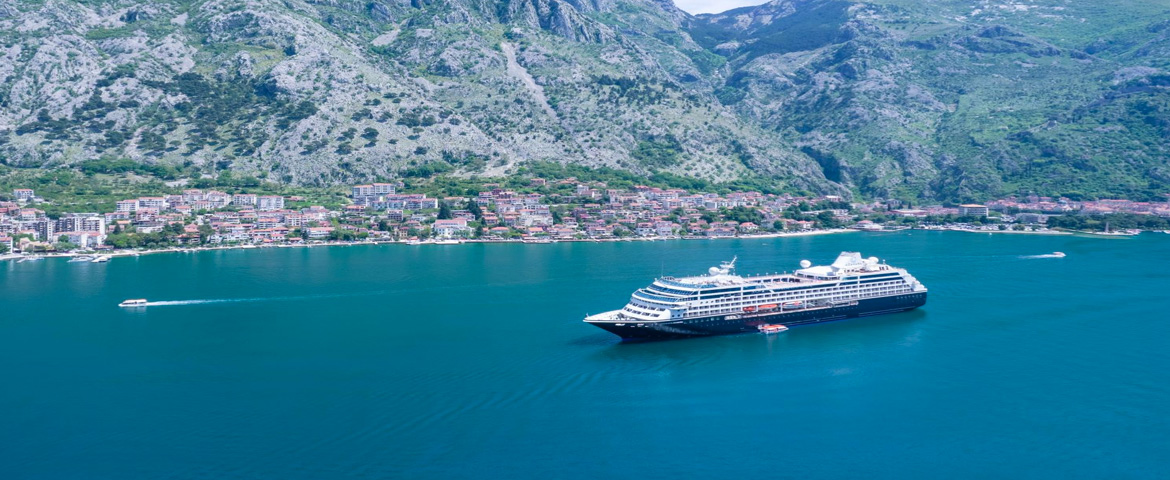
Azamara Onward
7 Cruises
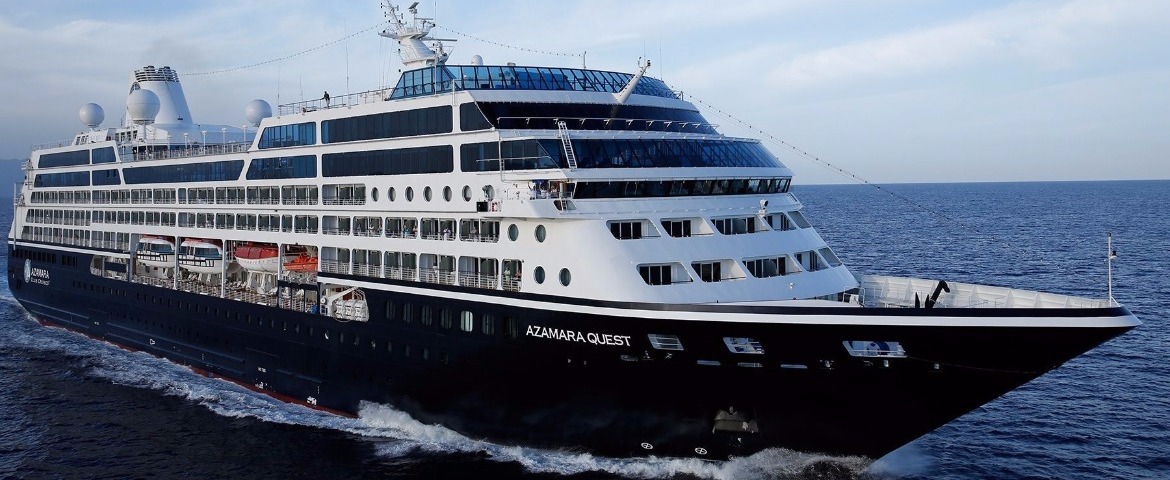
Azamara Quest
6 Cruises
| 10 August | 80 days | One-way from Stockholm to Piraeus-Athens |
450-628-6241
Call us
|
| 10 August | 79 days | One-way from Stockholm to Piraeus-Athens |
450-628-6241
Call us
|
Oceania Cruises (8 Cruises)
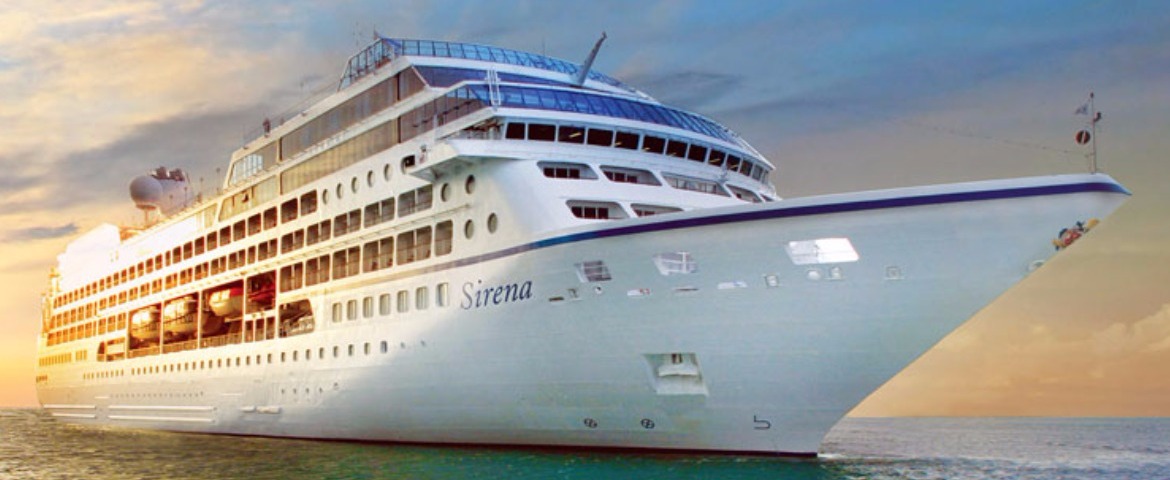
Oceania Sirena
8 Cruises

Star Clippers (6 Cruises)

Viking Ocean Cruises (281 Cruises)
Viking Jupiter
88 Cruises

Viking Mars
30 Cruises
Viking Neptune
76 Cruises
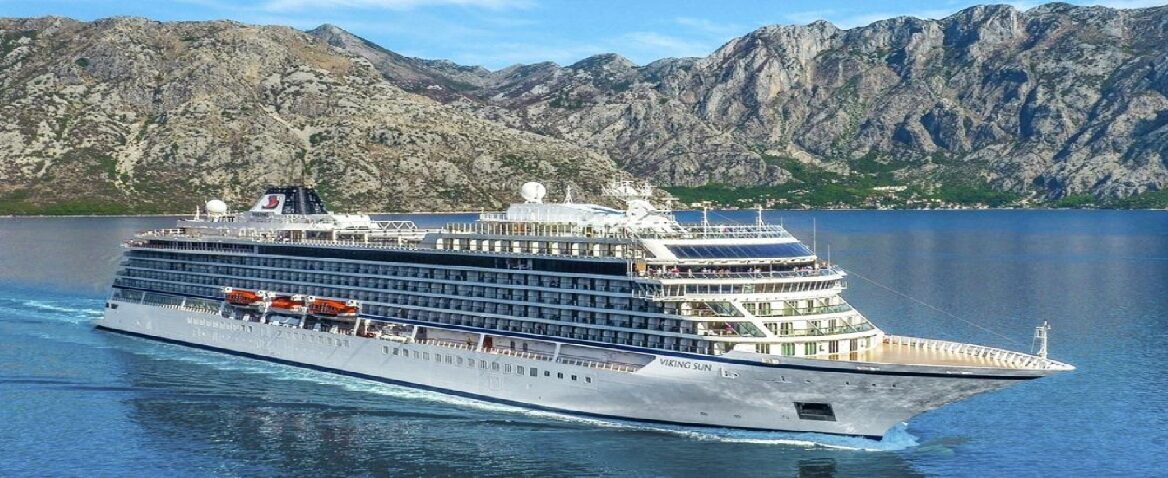
| 5 June | 7 days | One-way from Venice to Civitavecchia-Rome |
450-628-6241
Call us
|
| 5 June | 13 days | One-way from Venice to Barcelona |
450-628-6241
Call us
|
Viking Saturn
10 Cruises
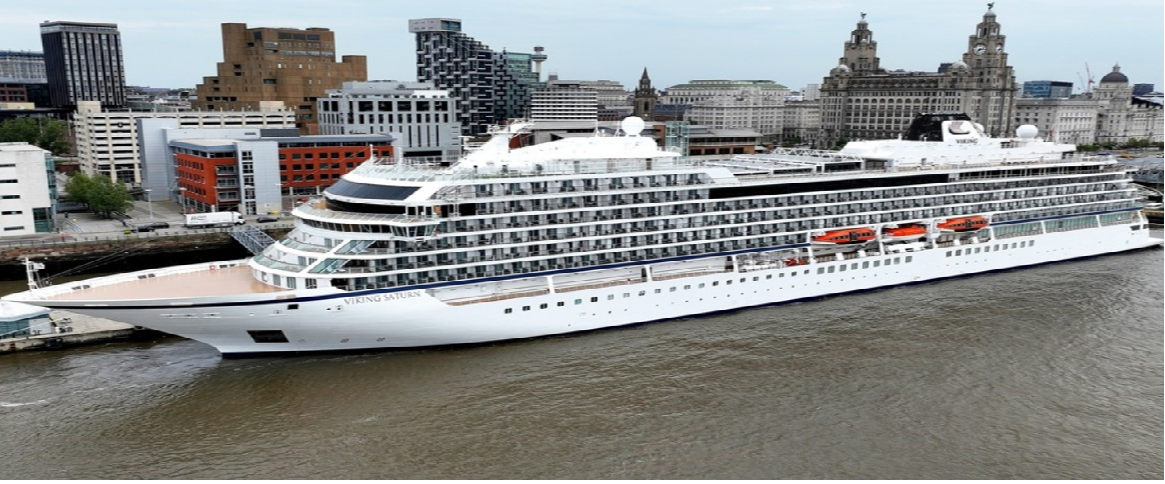
Viking Sea
15 Cruises
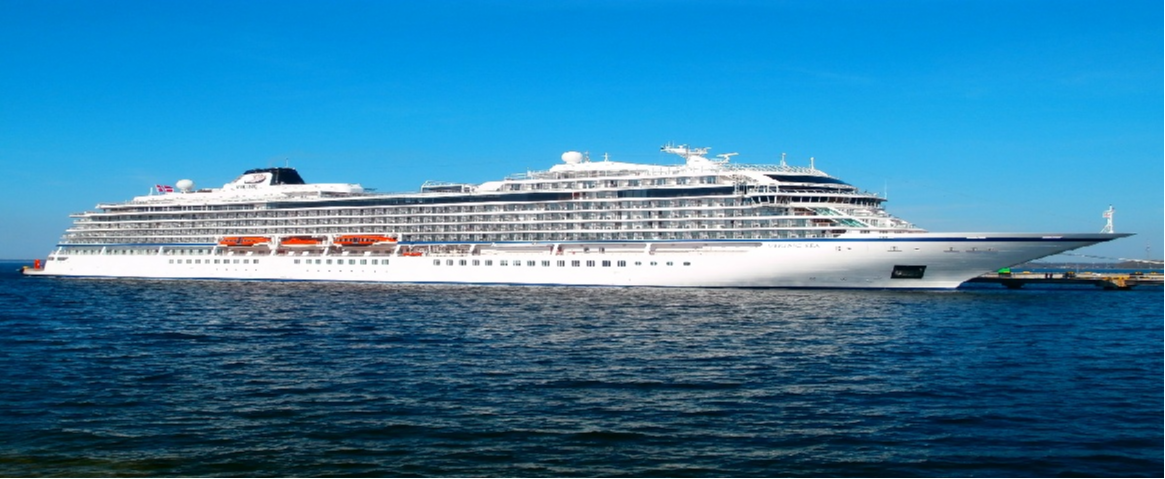
Viking Sky
24 Cruises
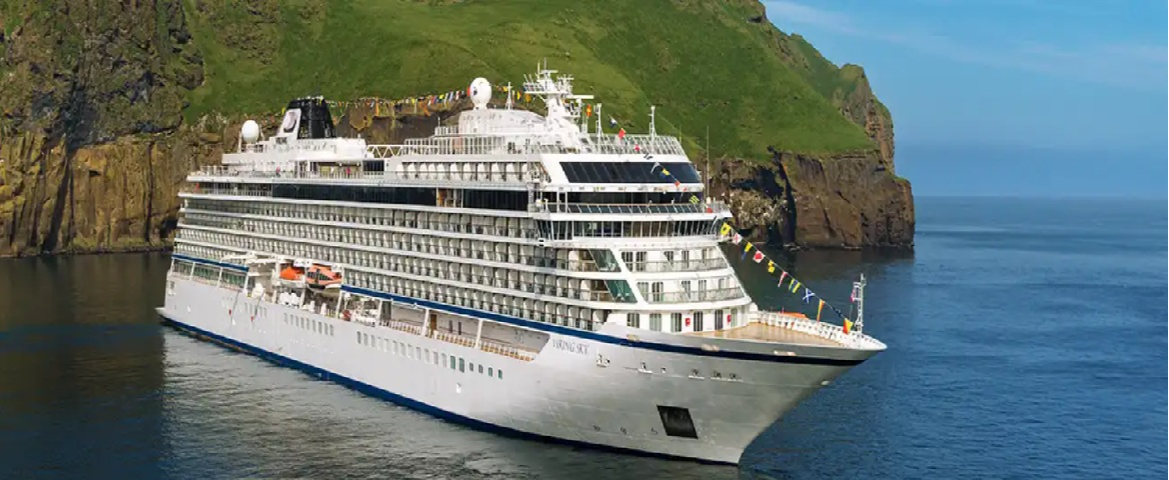
Viking Star
12 Cruises
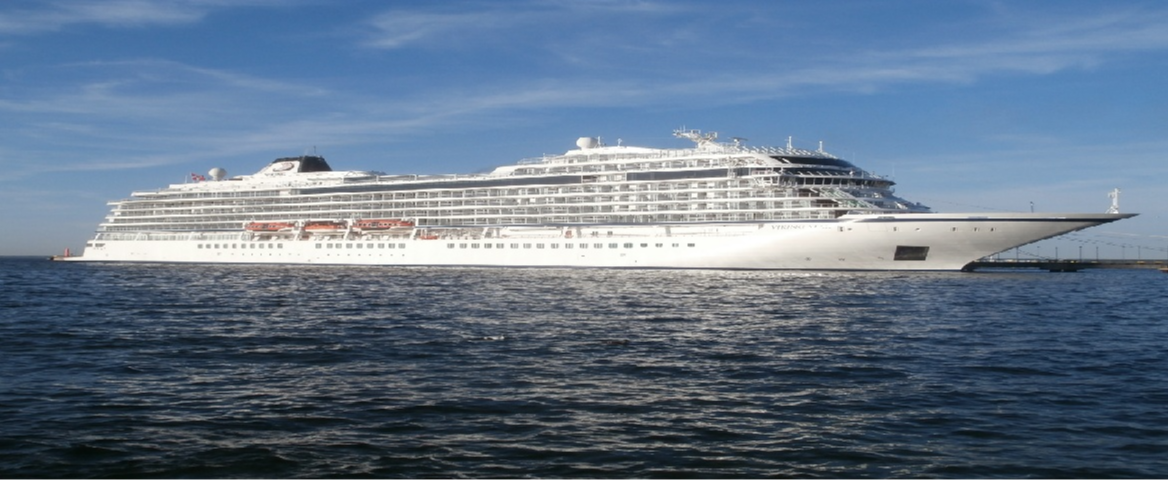
Viking Vela
26 Cruises
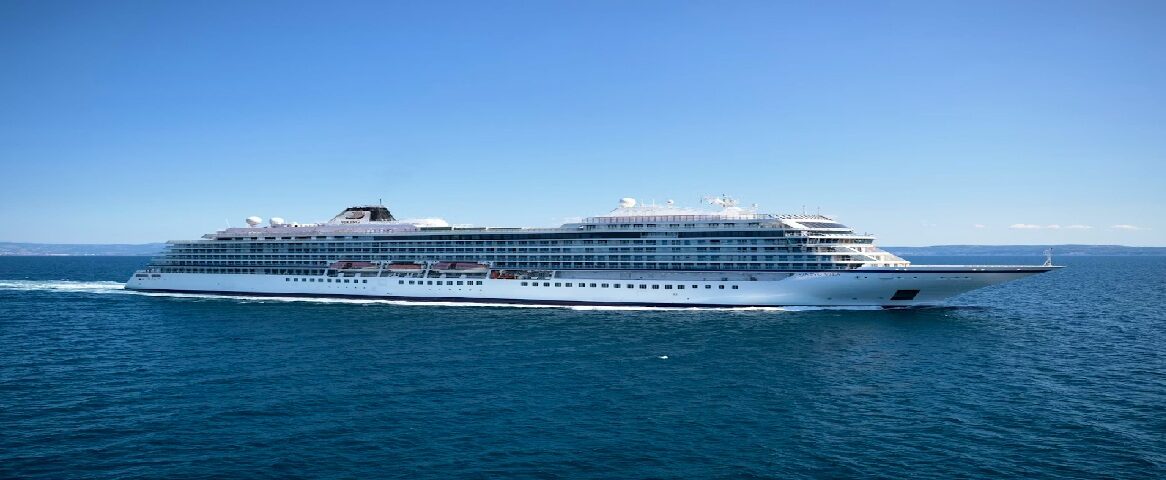
| 23 February | 28 days | One-way from Lisbon to Piraeus-Athens |
450-628-6241
Call us
|
| 23 February | 20 days | One-way from Lisbon to Venice |
450-628-6241
Call us
|
Crotone Italy | Calabria Ionian Coast Cruise Guide
Frequently Asked Questions
At the Banchina di Riva, about 250 metres from the centre. Coming down the gangway, your eye lands straight on the massive walls of the castle of Charles V. It is one of the easiest Calabrian calls to do on foot.
The castle of Charles V crowns the hill that held the Greek acropolis and then the medieval fortifications. Its two round towers and bastions tell of the era when the Calabrian coast feared raids from the sea. From the ramparts the view takes in the port and the Ionian.
Because he taught here. Twenty-seven centuries ago Crotone was one of the most powerful cities of Magna Graecia, home to Olympic athletes and physicians renowned across the ancient world. The modern town grew on top without erasing the traces.
The treasure of the sanctuary of Hera Lacinia, with its gold diadem of astonishing delicacy, along with ceramics, bronzes and votive offerings. The rooms take about an hour and give full meaning to the rest of the day.
An archaeological park on a spray-swept headland about ten kilometres south, reachable by taxi or excursion. Of the great Doric temple of Hera Lacinia, which once guided sailors, a single column still stands facing the open sea.
A loop that works: the castle, the old town lanes, the cathedral with its Madonna Nera icon, the archaeological museum, then a taxi to Capo Colonna. With less time, keep the museum and the castle.
A Black Madonna venerated for centuries, kept in Crotone's cathedral behind a plain facade. She is carried in procession each year to the cape that gives her her name.
Yes, for travellers with more time. An Aragonese fortress there seems to float on its islet, at the heart of the Capo Rizzuto marine reserve. It is a half-day outing, hard to combine with the town centre.
Calabria likes strong characters: fiery nduja, goat cheeses, homemade seafood pasta, with a glass of ciro from one of Italy's oldest vineyards, grown north of the town. The seafront terraces keep an eye on the fishing boats coming in.
The euro and Italian, with Calabrian in the lanes. English is little spoken outside the museum: the town lives simply, without airs. Keep cash for cafes, morning markets and taxis to Capo Colonna.


