Port Antonio Jamaica
37
Cruises availables
At departure or passage at this port
Crystal Cruises (7 Cruises)

Explora Journeys (1 Cruises)

Viking Ocean Cruises (29 Cruises)
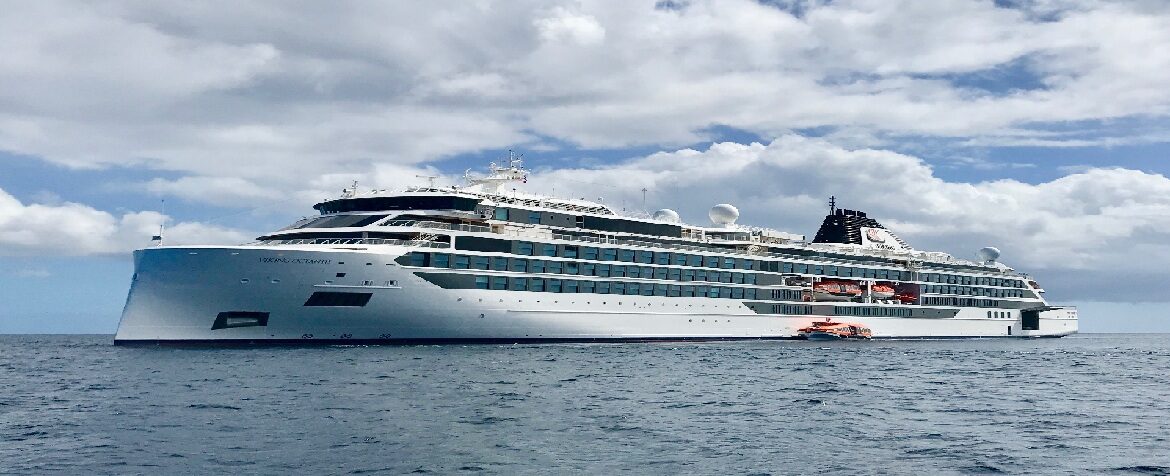
Viking Octantis
18 Cruises

| 2 March | 68 nights | One-way from Buenos Aires to Milwaukee WI |
450-628-6241
Call us
|
| 3 March | 66 days | One-way from Buenos Aires to Milwaukee WI |
450-628-6241
Call us
|
| 15 March | 62 nights | One-way from Buenos Aires to Milwaukee WI |
450-628-6241
Call us
|
| 16 March | 60 days | One-way from Buenos Aires to Milwaukee WI |
450-628-6241
Call us
|
| 19 March | 62 nights | One-way from Buenos Aires to Milwaukee WI |
450-628-6241
Call us
|
| 20 March | 60 days | One-way from Buenos Aires to Milwaukee WI |
450-628-6241
Call us
|
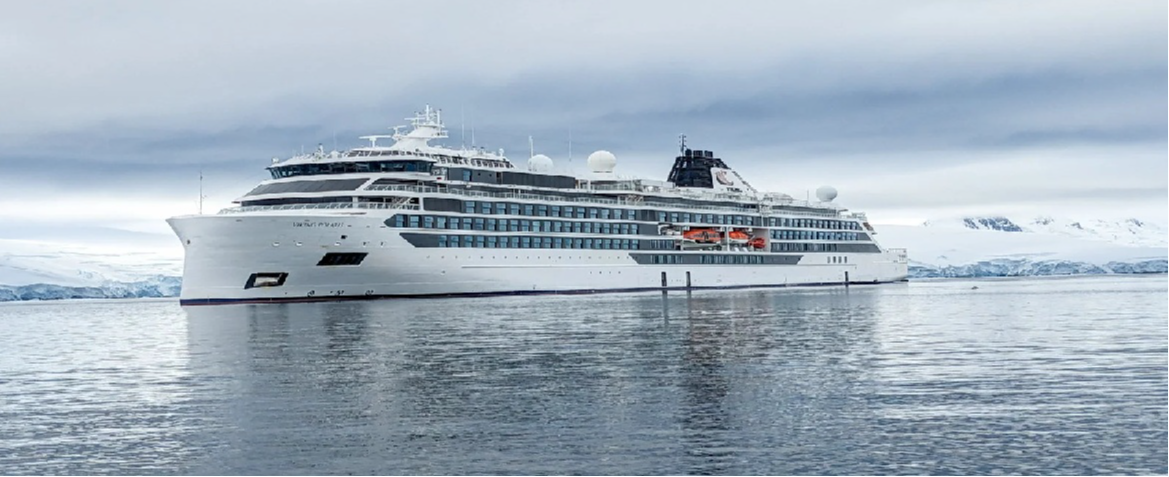
Viking Polaris
11 Cruises
| 14 March | 62 nights | One-way from Buenos Aires to Milwaukee WI |
450-628-6241
Call us
|
| 15 March | 60 days | One-way from Buenos Aires to Milwaukee WI |
450-628-6241
Call us
|

Port Antonio, Jamaica | Cruise Port Guide & Shore Excursions
Frequently Asked Questions
At the Ken Wright pier in the west harbour, alongside the Errol Flynn Marina. The town centre begins at the end of the jetty: covered market, shopping streets, Victorian facades of the Titchfield district on its peninsula. Everything is walkable.
It receives few ships, almost always small ones. Portland parish, the wettest and greenest part of the island, is discovered without queues or turnstiles. You get the rare feeling of being a guest rather than a customer, but organized shore offerings are limited as a result.
An inlet hemmed in by hills, some sixty metres deep, where cold freshwater springs rise to mix with the warm seawater. The gradient of blues shifts with the hour. It sits about fifteen minutes east by taxi.
From the shore, or better, in a small boat poled by a local boatman: dip your hand in and feel the cold and warm layers alternate. Scenes from The Blue Lagoon were filmed here in 1980, a fact the boatmen never fail to mention.
Frenchman's Cove, right by the Blue Lagoon: a cool river winds through the sand before meeting the waves, framed by green cliffs in an amphitheatre. There is an entrance fee and the cove is small, which keeps it quiet.
About two hours on the river, plus transport: allow a full half-day. It is Jamaica's oldest bamboo raft trip; plantations once shipped their bananas this way, and Errol Flynn turned it into a pastime in the 1940s.
At Boston Bay, a little further along the coast: its smoking pits are where jerk cooking is said to have taken its present form. Pork and chicken marinated with chilli and allspice, cooked slowly over wood coals, served at wooden tables facing the bay.
A community founded by the Maroons, the escaped enslaved people who held off the British army from the mountains. Their musical traditions are on the UNESCO intangible cultural heritage list. Visiting takes time and pairs with the Rio Grande raft trip.
Jamaican dollars, with small US bills often accepted. Bring cash: not every shop in town takes cards. English is official, Jamaican patois dominates on the street.
By agreeing clearly on the price and return time with your driver before setting off. Organized excursions are limited here, unlike Ocho Rios or Montego Bay, and a vague morning negotiation turns into a late-afternoon problem.


