Kitakyushu Japan Fukuoka
96
Cruises availables
At departure or passage at this port
Azamara Club Cruises (65 Cruises)
Azamara Pursuit
59 Cruises
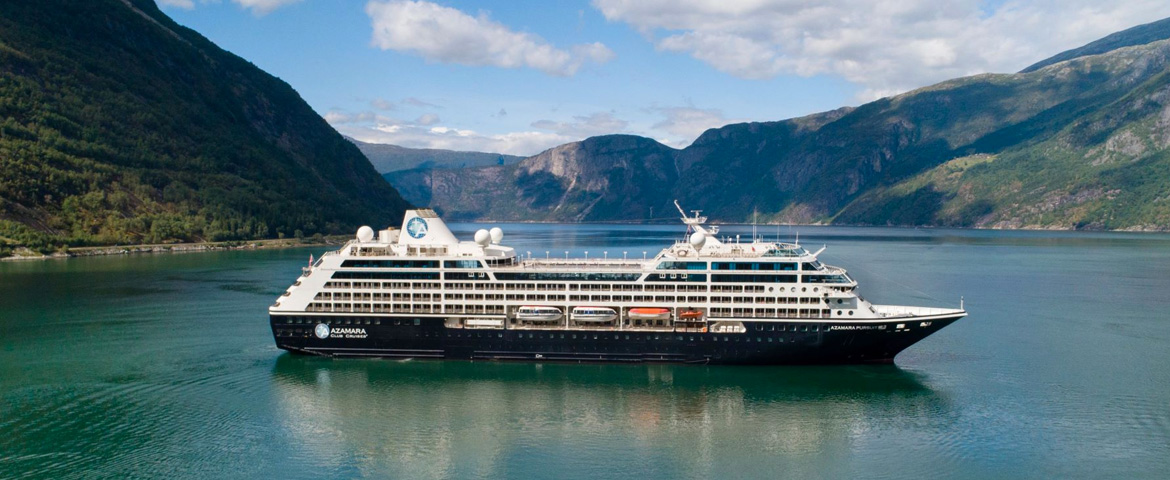

| 5 February | 48 days | One-way from Sydney to Tokyo |
450-628-6241
Call us
|
| 5 February | 48 days | One-way from Sydney to Tokyo |
450-628-6241
Call us
|
| 22 April | 14 days | One-way from Tokyo to Kobe-Osaka |
450-628-6241
Call us
|
| 22 April | 14 days | One-way from Tokyo to Kobe-Osaka |
450-628-6241
Call us
|
| 26 February | 47 days | One-way from Sydney to Kobe-Osaka |
450-628-6241
Call us
|
| 27 February | 47 days | One-way from Sydney to Kobe-Osaka |
450-628-6241
Call us
|
| 31 March | 14 days | One-way from Yokohama to Kobe-Osaka |
450-628-6241
Call us
|
| 31 March | 14 days | One-way from Yokohama to Kobe-Osaka |
450-628-6241
Call us
|
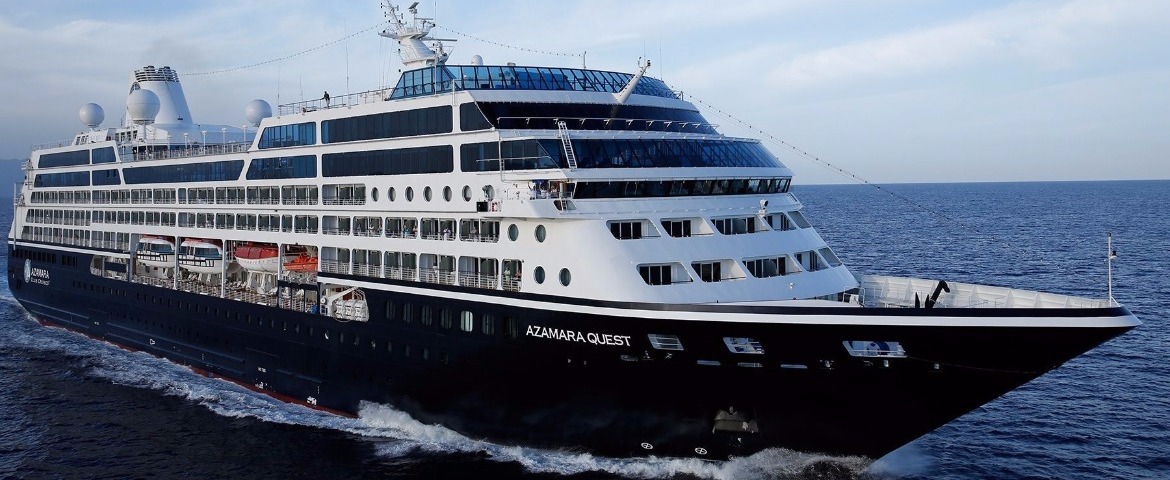
Emerald Waterways (4 Cruises)
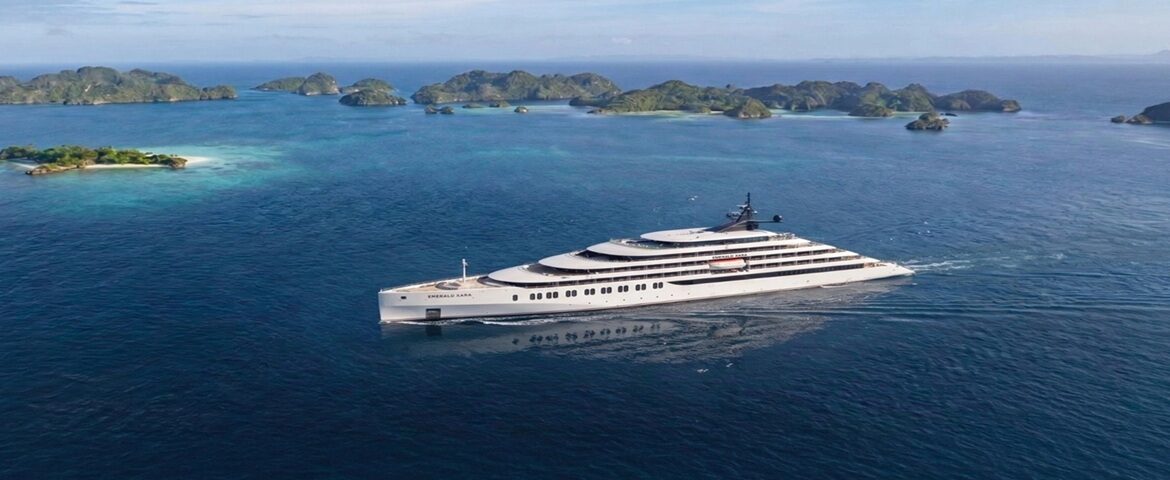

Lindblad Expeditions (12 Cruises)
National Geographic Resolution
12 Cruises
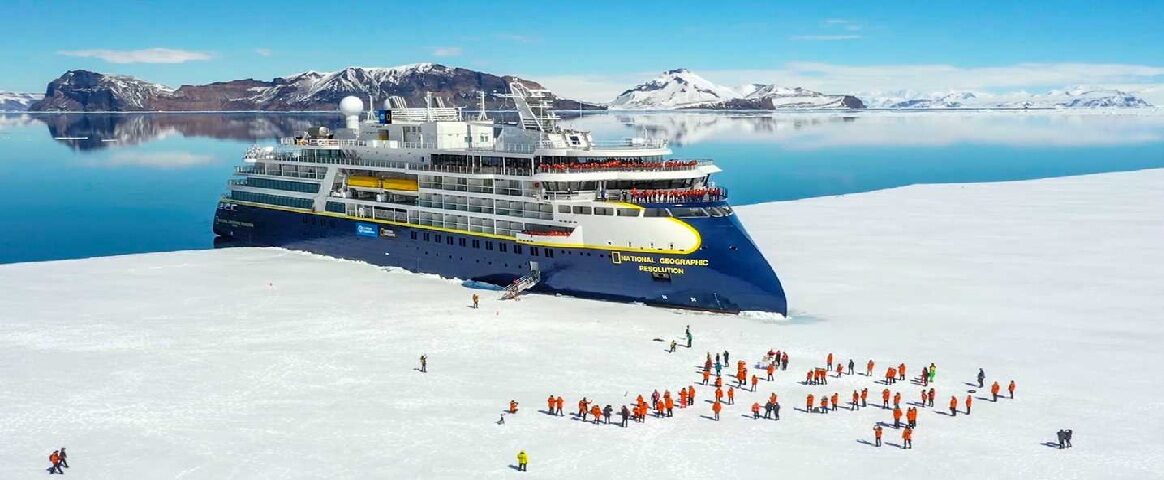

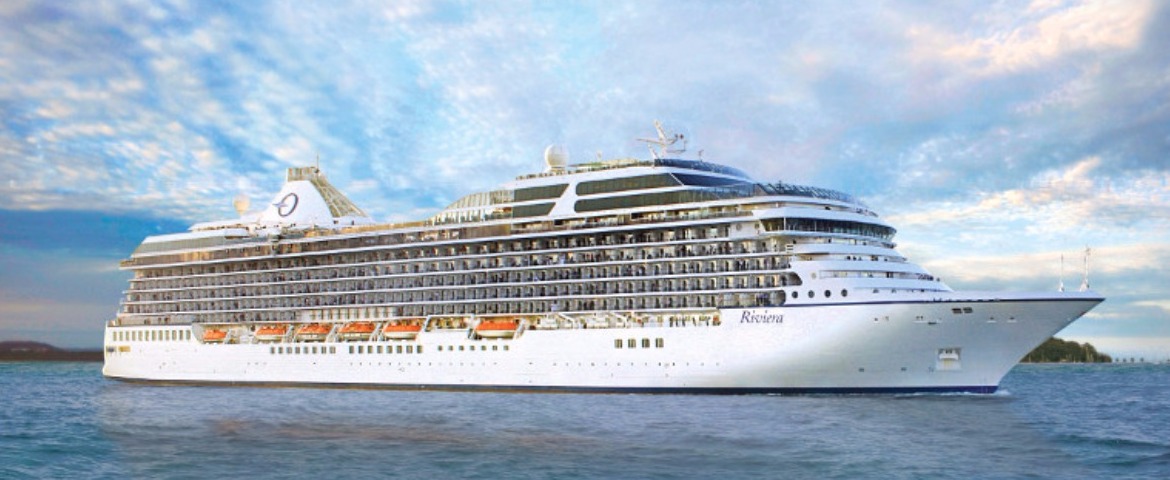
Oceania Cruises (1 Cruises)

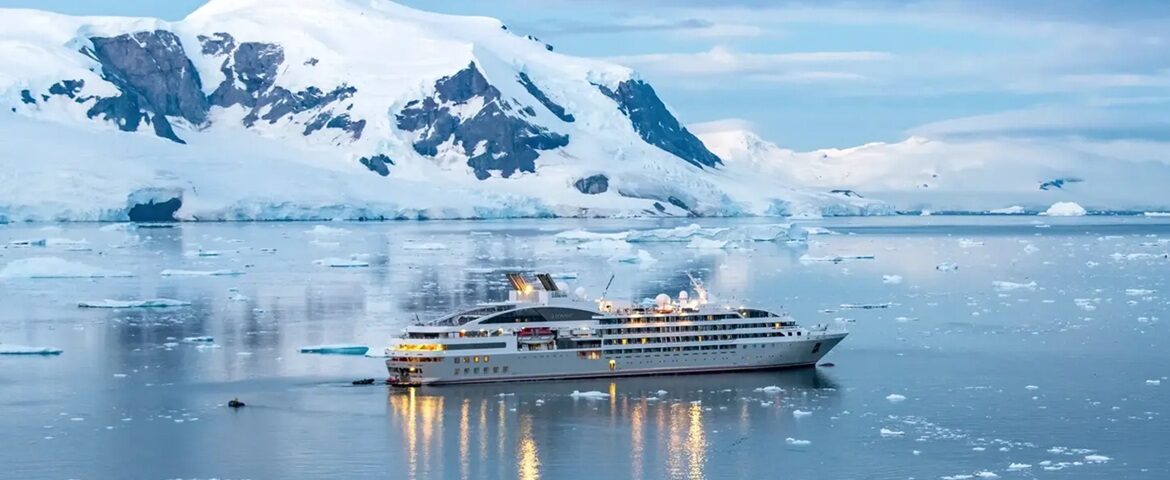
Ponant (4 Cruises)

Scenic Cruises (8 Cruises)
Scenic Spirit
8 Cruises


| 21 March | 27 days | One-way from Hakata-Fukuoka City to Siem Reap |
450-628-6241
Call us
|
| 21 March | 26 days | One-way from Hakata-Fukuoka City to Siem Reap |
450-628-6241
Call us
|

Port of Kitakyushu, Japan | Cruise Port Guide
Frequently Asked Questions
Most often at the Hibiki container terminal, 30 to 40 minutes by road from the centre, where walking out is not permitted: shuttles run to Kokura station or the old port of Moji. Smaller ships sometimes get a berth at Moji itself.
Yes, around the shuttles. From Hibiki you cannot set off on foot and the distances are real. Note the shuttle timetable at the gangway and build your visits around it, or the return becomes a worry.
A faithful reconstruction of a 17th-century fortress in the heart of the city. Its massive keep rises above the moats; the adjoining garden, with its tea house and calculated sightlines, offers a quiet break after the shopping streets.
The old port quarter of Moji, which at the turn of the twentieth century ranked among Japan's major ports alongside Kobe and Yokohama. A neo-Renaissance station restored down to its original chandeliers, former merchants' clubs and a red brick customs house are all walkable along the quays.
Yes. A pedestrian tunnel runs beneath the channel: about fifteen minutes on foot under the sea takes you to Shimonoseki and the island of Honshu, with the boundary line painted on the floor for the photo. It is the least-known curiosity of the call.
Karato market, a temple of pufferfish, with stalls where you build your own sushi selection. It rewards anyone who has walked the pedestrian tunnel and sits a few minutes from the Honshu-side exit.
Yaki udon, the fried noodles created here after the war, which star at the covered Tanga market. That market, nicknamed the city's kitchen, also lines up fish from the strait, pickled vegetables and stand-up counters among the regulars.
The museum of the major local manufacturer, tracing the history of the modern toilet with entirely Japanese seriousness. It is an unapologetic curiosity, and it says a great deal about the country's relationship with everyday technology.
Because it is the compulsory passage between the Sea of Japan and the Seto Inland Sea, one of the busiest in Asia. Cargo ships follow one another nose to tail. An observation tower in the Retro district takes in the whole ballet.
The Japanese yen and Japanese. The city has close to a million residents but receives few foreign tourists: English is limited. Bring cash for Tanga market and the small counters.


