Sokcho Korea
Korea
20
Cruises availables
At departure or passage at this port
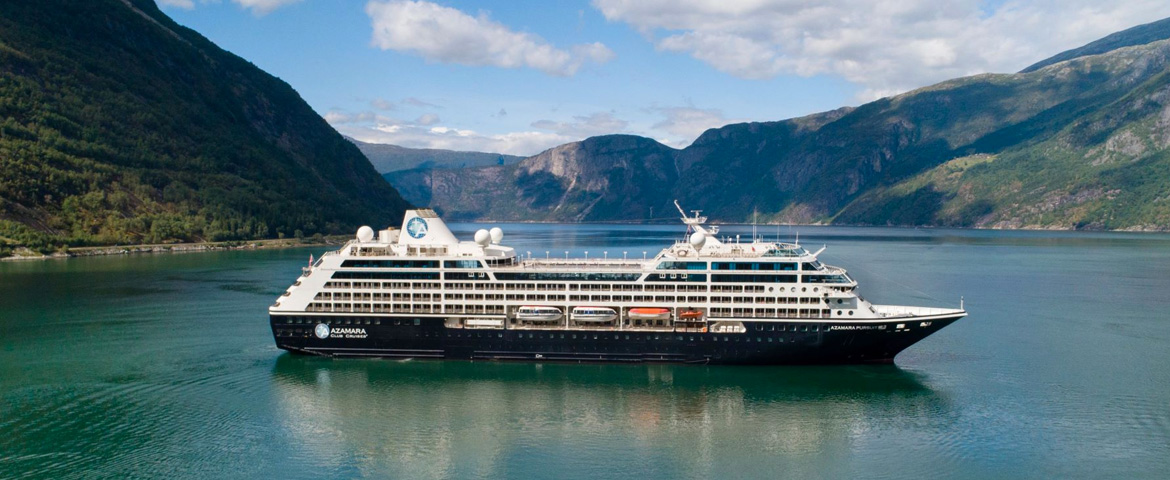
Azamara Club Cruises (4 Cruises)

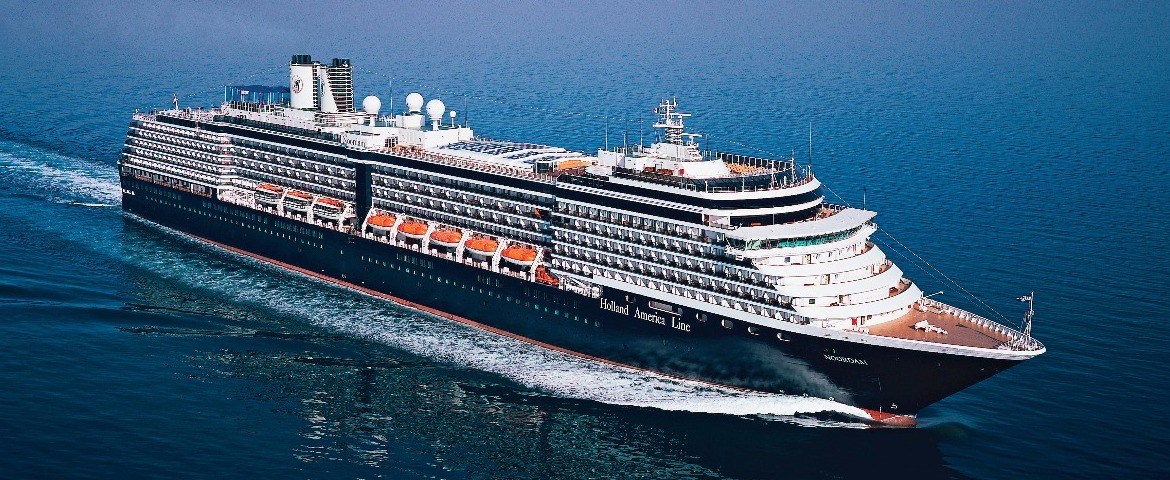
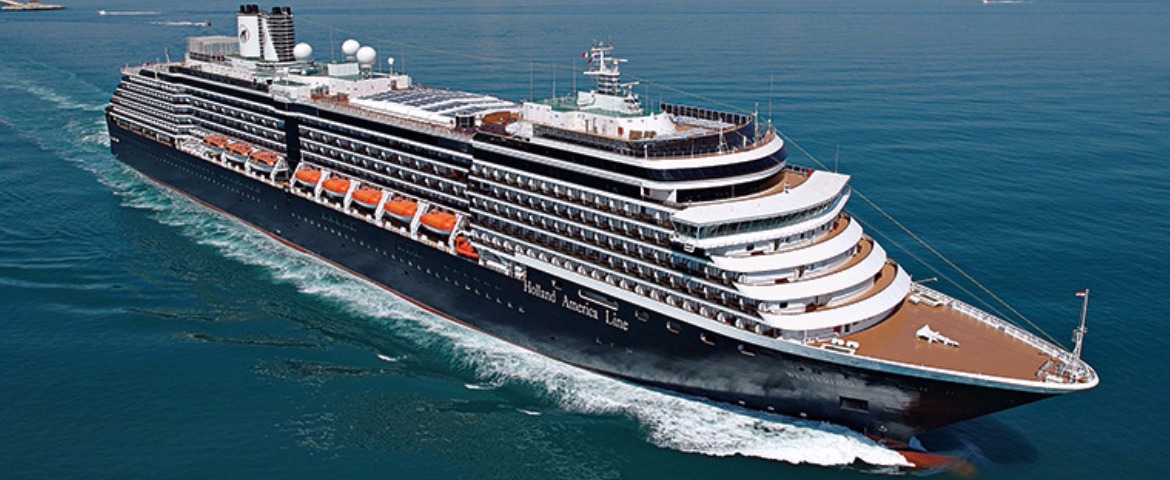
Holland America Line (6 Cruises)

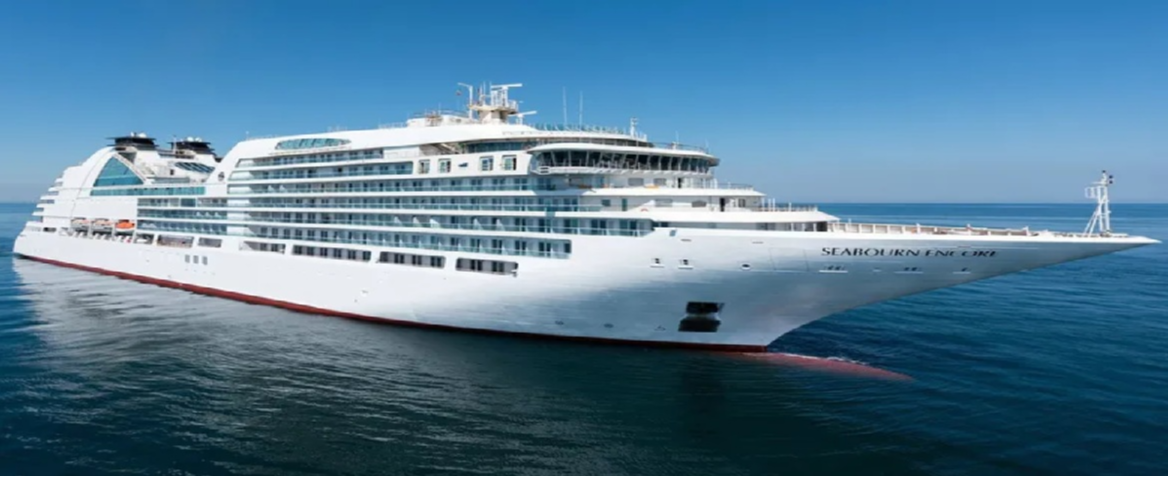
Seabourn Cruise Line (10 Cruises)
Seabourn Encore
10 Cruises

Port of Sokcho | Cruise Port Guide
Frequently Asked Questions
At the Sokcho international terminal in the Daepo basin area, a facility opened in 2017 that can handle two large ships at once. No tendering: you step straight onto the pier. Formalities are quick, and shuttles and taxis wait at the exit.
No, downtown is a few kilometres north of the terminal, so you need a shuttle or a taxi. That said, the distances are modest and the transfers short, which leaves plenty of time to pair the mountains in the morning with the town in the afternoon.
Go up to Seoraksan first, then come back down into town. The national park begins about thirty minutes from the port: Sinheungsa temple, the Gwongeumseong cable car, a short rocky path to the ridge. In the afternoon, Abai village and Jungang Market round out the day. That order works better than the reverse, because the peaks often clear early.
One of Korea's best-loved parks, a biosphere reserve of granite peaks starting about thirty minutes from Sokcho port. At the entrance, a giant bronze Buddha watches over the path to Sinheungsa temple, one of the country's oldest Zen sanctuaries. A cable car then lifts visitors toward the Gwongeumseong ridge, where the view opens up in every direction.
Not necessarily. The Gwongeumseong cable car does most of the work; what remains is a short rocky path to the viewpoint that requires care but no training. Sinheungsa temple and its grounds are nearly flat. Experienced hikers will find longer trails toward the suspension bridges and revered rock formations.
A neighbourhood founded by refugees from the North during the Korean War, on a spit of land between the lagoon and the sea. They settled there waiting for a return that never became possible. You reach it by the gaetbae, a flat ferry that passengers pull themselves along a cable, a gesture that has become the town's symbol. Painted walls tell the story of the separated families.
Seafood and dishes inherited from Hamgyong, the home province of the Abai refugees: abalone, stuffed squid, and at Jungang Market, live octopus, dried seaweed and chilli fried chicken eaten standing among the stalls. Food lovers happily give it an hour.
The South Korean won and Korean. Credit cards are accepted almost everywhere, including for small purchases. English is limited outside the national park and the large hotels; a translation app handles most of it. French is not spoken.
Autumn, without hesitation. In October and November the maples and ginkgos set the Seoraksan valleys ablaze and Koreans travel there in crowds. Spring is mild and far quieter. Summer is hot and humid, winter cold and windy, though the snow-covered mountain has its admirers.
Yes. The cable car is usually a hit with children, and the gaetbae crossing even more so: hauling the ferry yourself is the memory most people take home. Jungang Market and Yeongnang lagoon fill out the day without much effort. Only the longer park trails call for good legs.


