Liepaja Latvia
Latvia
35
Cruises availables
At departure or passage at this port
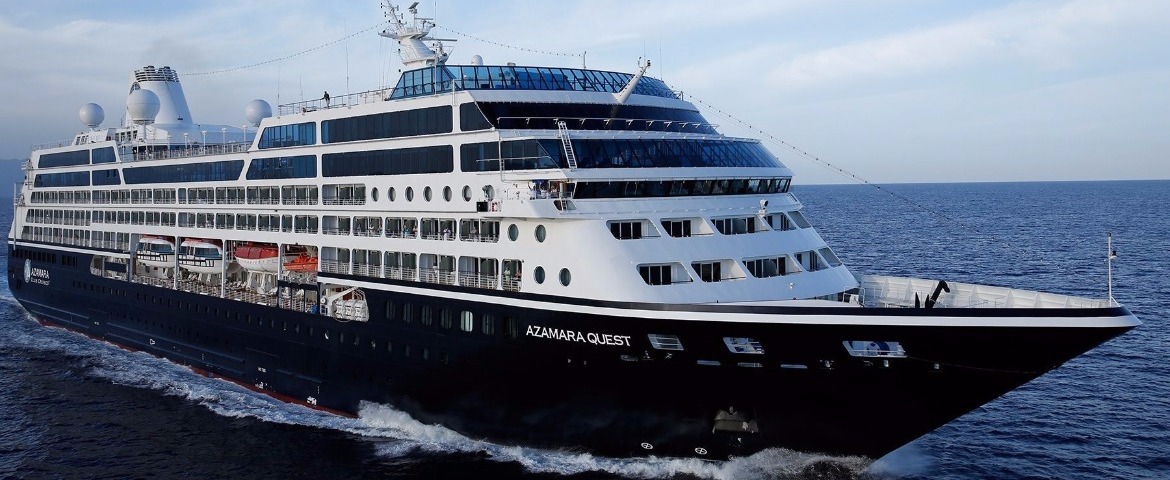
Azamara Club Cruises (2 Cruises)

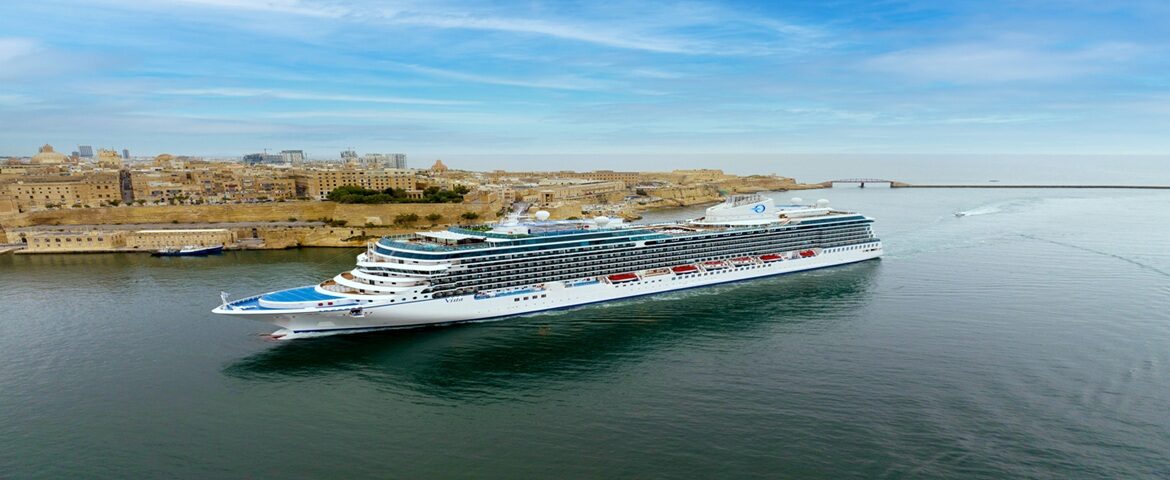
Oceania Cruises (7 Cruises)

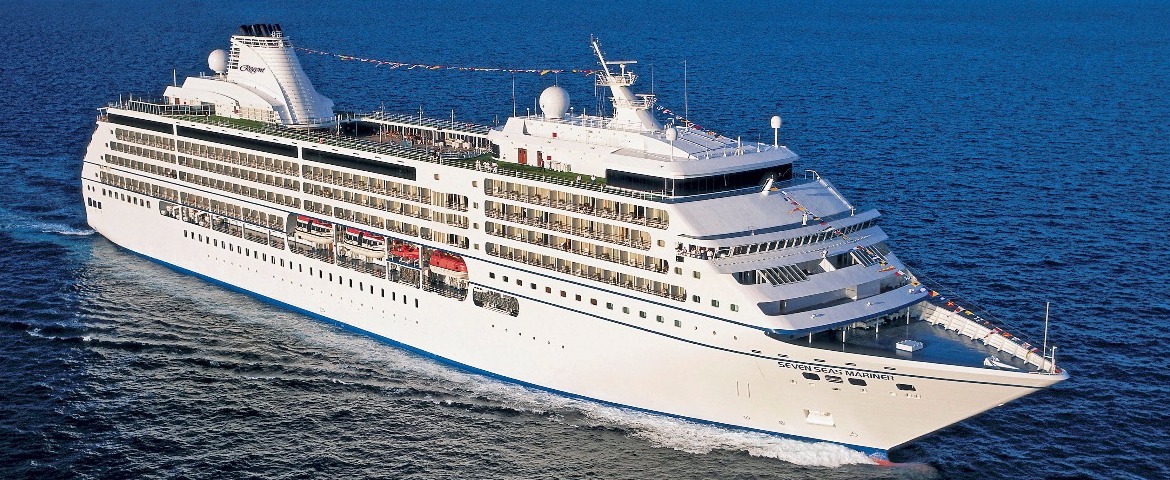
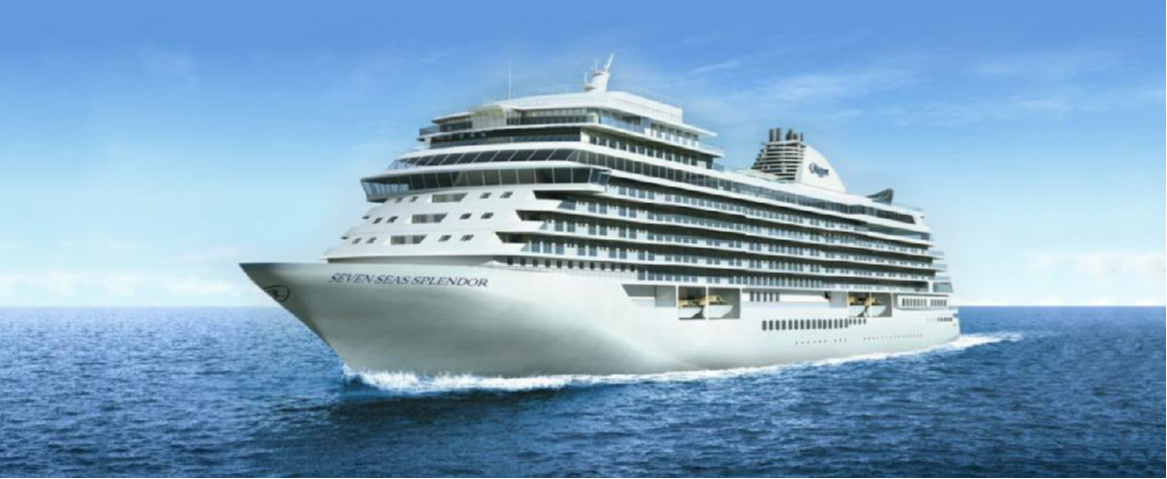
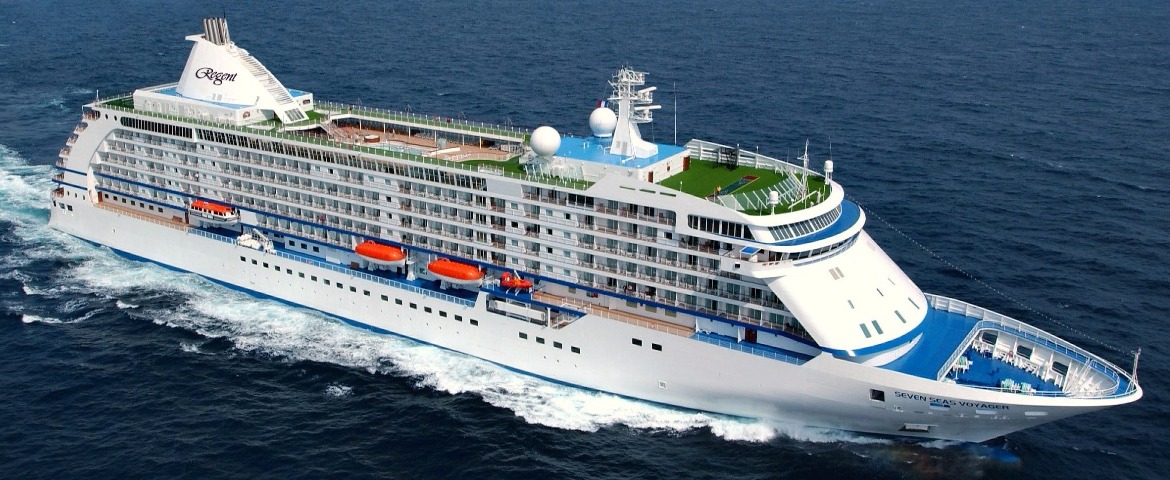
Regent Seven Seas Cruises (22 Cruises)
Seven Seas Mariner
18 Cruises
| 30 May | 101 days | One-way from Barcelona to IJmuiden |
450-628-6241
Call us
|
| 30 May | 102 days | One-way from Barcelona to IJmuiden |
450-628-6241
Call us
|
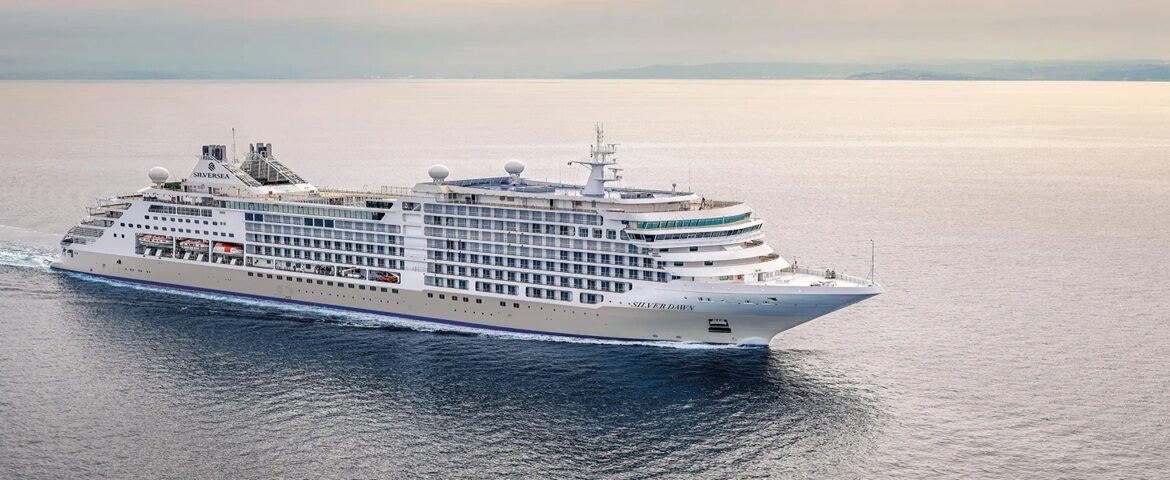
Silversea Cruises (4 Cruises)

Port of Liepāja, Latvia | Cruise Port Guide
Frequently Asked Questions
In the port, a few kilometres north of the urban core. Shuttles and buses cover the trip in about fifteen minutes. This is not a call where you step straight into the old town, but the transfer is short and well organized.
You have to choose between two faces of the city. First: the old wooden quarters, Art Nouveau facades, the musicians' walk of fame and the beach. Second: Karosta, the former naval base to the north, with its gold-domed cathedral, military prison and dynamited forts. Doing both in the same half day means rushing.
It is the city's most astonishing district: a former naval base built for the tsar, then closed to the public under Soviet occupation, when tens of thousands of military personnel lived there in a sealed world. St Nicholas naval cathedral raises its gold domes among austere apartment blocks, and the old military prison is visited with guides in period uniform.
They are former coastal fortifications, dynamited and then gnawed by the waves, forming a landscape of fractured concrete facing the sea that is unique in Europe. The contrast with the gentle bourgeois streets of the centre is striking. Watch your footing: these are ruins, not a landscaped site.
Yes, and it is one of the city's points of pride: a ribbon of fine sand stretching for kilometres, backed by dunes and a century-old pine park. Even in cool weather the walk is worth it. After the autumn storms, attentive walkers sometimes pick up small pieces of polished amber washed up on the strand.
Because you understand the moment you step onto the quay: the Baltic air sweeps the streets constantly. A local anthem claims the wind was born here, and nobody in town argues. That wind is the delight of the kitesurfers who dance in the gusts off the beach.
It is a concert hall opened in 2015, a honey-coloured glass monolith that catches the light opposite the seaside park. It symbolizes the city's cultural revival, crowned by the title of European Capital of Culture for 2027. Liepaja also claims to be Latvia's rock capital: Zivju street carries a bronze-plaque walk of fame dedicated to its musicians.
Fish smoked on the spot in family smokehouses, Baltic herring, dense rye bread and local craft beers. The Pētertirgus covered market and the cafés around it serve all of it plainly, at prices that pleasantly surprise travellers from the west.
The euro and Latvian. Russian is widely understood, English is spoken by younger people and in tourism. Credit cards work everywhere, including at the covered market. Latvia is part of the European Union and the Schengen area.
June to September, when the Baltic warms and the long days make the beach and parks genuinely pleasant. Cruise calls cluster in that window anyway. In autumn the light is superb and amber washes up more often, but the wind turns biting.


