Les Anses d'Arlet Martinique

44 Cruises availables At departure or passage at this port

Seabourn Cruise Line (38 Cruises)

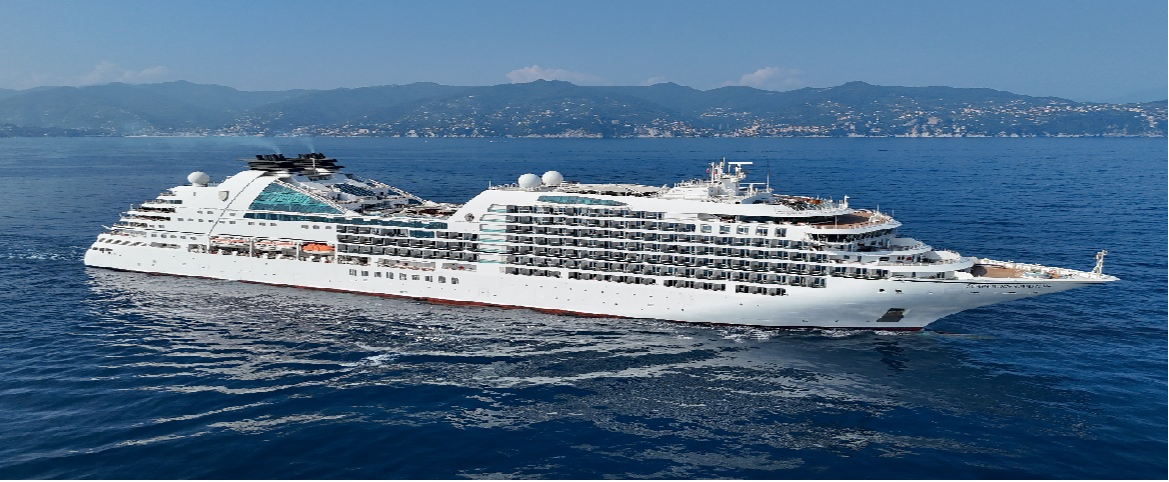
Seabourn Ovation.

Seabourn Ovation

40350 tons
Visit the ship's page

Port of Les Anses-d'Arlet, Martinique | Cruise Port Guide

A red bell tower set exactly in line with the pier: that's the first image of Les Anses-d'Arlet, and it stays in your memory for a long time. The wooden landing juts out into crystal-clear water, pointing straight at the church's pale façade, with the village rooftops on either side and green hills in the background. Ships remain offshore, at one of the best-sheltered anchorages on Martinique's Caribbean coast; the tender crossing lasts just a few minutes, long enough to watch the picture come into focus.

The Village and Its Pier

A single street runs along the shore, lined with Creole houses with painted shutters, fishing boats pulled up on the sand and nets laid out to dry. The Church of Saint-Henri, rebuilt in the 19th century after several hurricanes, keeps its perfect alignment with the landing that made the place famous. You can walk around the village in half an hour, unhurriedly, greeting residents settled in the shade of the tropical almond trees. In the evening, when the excursions leave, the village returns to exactly the face it had in the morning.

Turtles in Front of the Bell Tower

Swimming begins at the foot of the pier. The seagrass beds carpeting the bay's floor feed green turtles, which you can observe while snorkelling a few dozen metres from shore. Mask and snorkel are all you need; trumpetfish, needlefish and schools of sardines complete the show. The rule is posted everywhere: keep your distance, touch nothing, and let the animals surface to breathe in peace. Few places in the Caribbean offer such a simple encounter, right off the village beach, with no boat or package required.

Grande Anse, the Neighbour

Just behind the point, five minutes by car or twenty on foot along the corniche road, Grande Anse unfolds a long golden curve dotted with umbrellas. Fishers' traps still dry next to the seaside restaurants, and the rounded yoles, the island's nautical heritage, line the shore. The calm water makes it an ideal place to learn to swim or paddleboard, and children spend hours chasing boxfish.

Dufour and Noire, the Opposite Twins

A little farther north, two coves face each other around the same spur: Anse Dufour, a fishing hamlet with tightly packed houses, and its dark twin, reached by a shaded staircase, where the almost-black volcanic sand contrasts with the green of the coconut palms. Ten minutes by road separate the village from this striking snapshot of Caribbean geology, very popular with underwater photographers.

Morne Larcher on Guard

To the south, the wooded mass of Morne Larcher closes off the horizon and separates the village from Le Diamant. Its trail requires a good two hours round trip in the heat: walkers in a hurry will settle for the roadside viewpoint overlooking the bay, which lets you glimpse, offshore, the famous Diamond Rock, once the scene of a naval battle between the French and the English. The reward is worth the stop, especially late in the morning when the light strikes the sea.

The Fishers' Table

At midday, grills perfume the waterfront: kingfish, snapper, golden accras, freshly pressed cane juice. The best spots are often a family-run beach shack where the menu depends on the morning's catch. You eat barefoot facing the sailboats, and the afternoon slips gently by until the tenders return, when the red bell tower glows in the low-angled light.

Practical Pointers

  • Regulated mooring on buoys, reserved for smaller vessels; landing at the village pier.
  • Currency: the euro; several beach shacks accept cash only.
  • Dufour and its dark neighbour can be reached by taxi in about ten minutes; arrange the return in advance.
  • Reef-safe sunscreen is strongly recommended: the turtle seagrass beds are fragile.

Frequently Asked Questions

They anchor offshore on a mooring buoy. Ships stay in the bay, one of the best-sheltered anchorages on Martinique's Caribbean coast, and passengers come ashore by tender to the village's wooden jetty, a crossing of just a few minutes. The anchorage is regulated and limited to smaller vessels.
Yes, completely. The village is a single street along the shore and you can walk all of it in half an hour at an easy pace. Saint-Henri church, lined up exactly with the jetty, is a two-minute walk away.
Snorkel with the turtles right off the jetty in the morning, walk the village and its Creole houses, then have grilled fish on the waterfront. With time to spare, a taxi reaches Anse Dufour and its black-sand neighbour in about ten minutes.
Yes, and without a boat or a paid tour. The seagrass beds in the bay feed green turtles that you can watch while snorkelling a few dozen metres from shore; a mask and snorkel are enough. Nothing is guaranteed, but sightings are frequent. The posted rule is simple: keep your distance, touch nothing, and let the animals surface to breathe.
Grande Anse for sand and space, the village beach for turtles. Grande Anse is five minutes by car or a twenty-minute walk along the coast road, and its calm water suits children and first attempts at paddleboarding.
The euro, since Martinique is a French department. Bring cash: several beachfront eateries do not take cards.
French, with Martinican Creole in daily life. You will be served in French everywhere; English is understood in tourist-facing spots but not always beyond them.
Yes, mostly for the contrast. Two coves sit on either side of the same headland: Anse Dufour with its fishing hamlet, and its twin with almost black volcanic sand, reached by a shaded staircase. Allow about ten minutes by taxi and agree on a pickup time before you get out.
You can, but it is demanding: a good two hours round trip in the heat. Walkers on a tight schedule settle for the roadside viewpoint over the bay, which also takes in Diamond Rock offshore.
December to April, the dry season: calmer seas, a more reliable anchorage and manageable heat. From June to November, hurricane season can make tender operations impossible if the swell picks up.