Keukenhof Gardens-Lisse Netherlands South Holland
15
Cruises availables
At departure or passage at this port
Riviera Travel (5 Cruises)
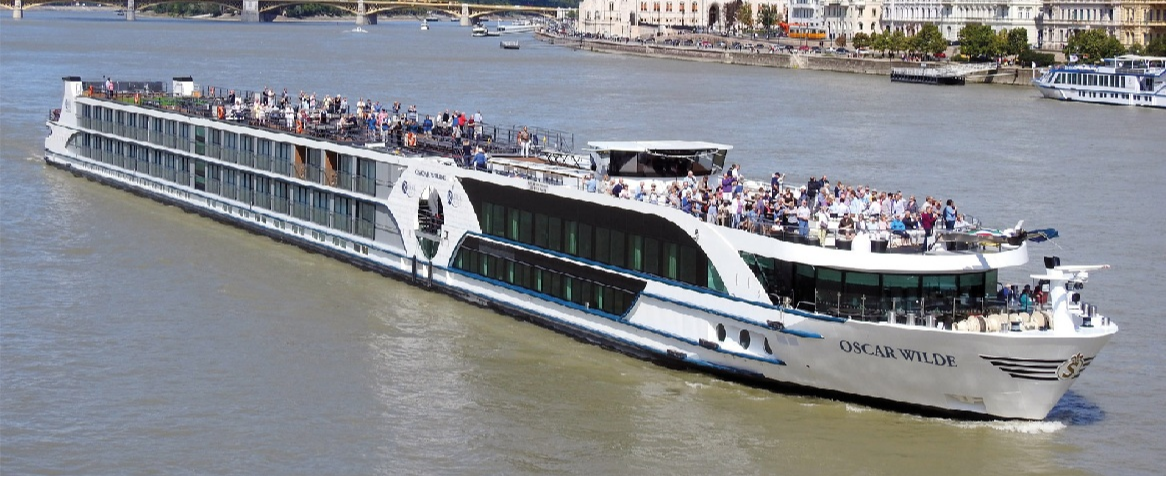

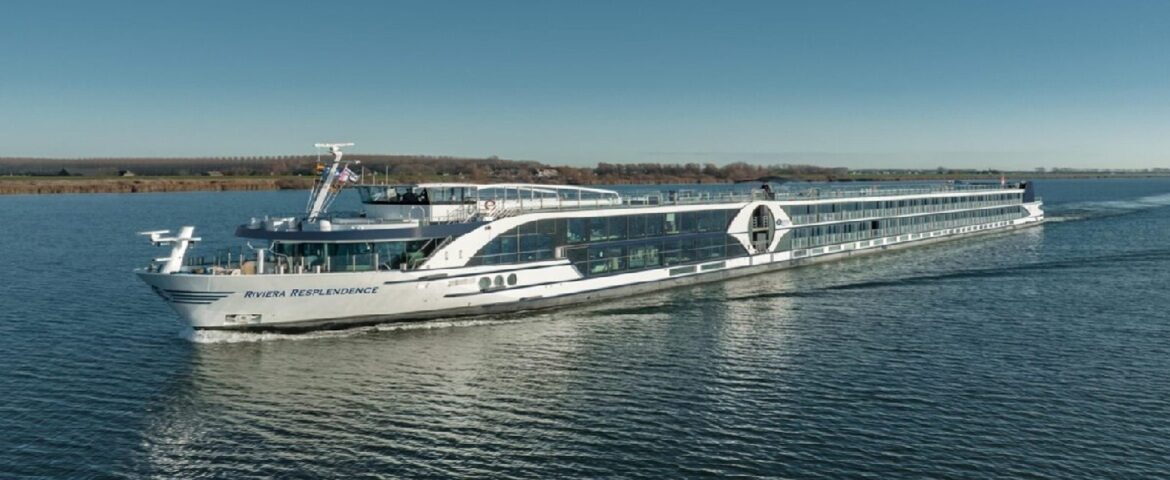
Tauck Cruises (10 Cruises)
ms Joy
10 Cruises
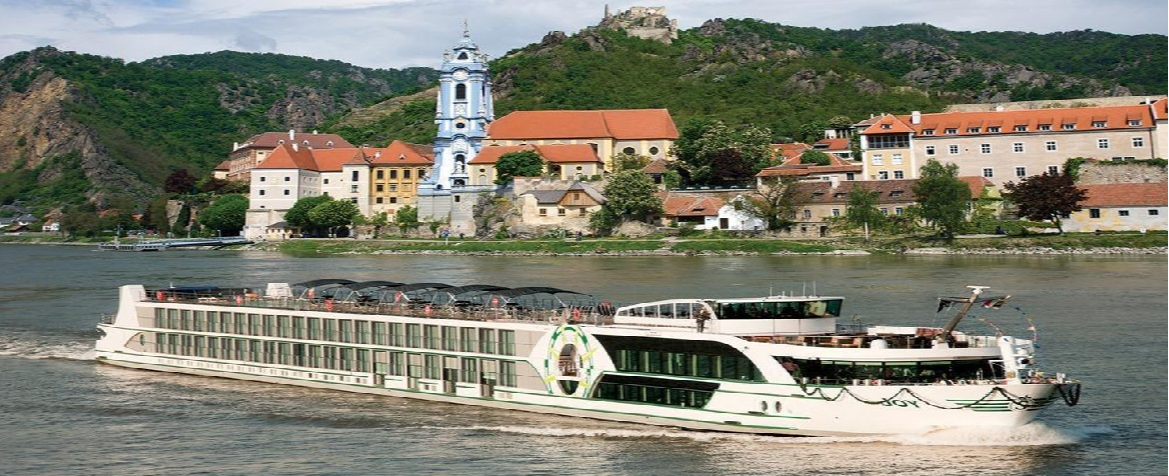

| 31 March | 9 days | One-way from Brussels to Amsterdam |
450-628-6241
Call us
|
| 31 March | 7 days | One-way from Brussels to Amsterdam |
450-628-6241
Call us
|

Keukenhof and Lisse | Cruise Port Guide
Frequently Asked Questions
No, and that matters. River ships moor elsewhere in the region, often at Amsterdam or Rotterdam, and coaches take passengers to the gates of the estate at Lisse in South Holland.
From mid-March to mid-May only — eight weeks a year. So-called tulip cruises concentrate on those precious weeks. Outside that window the park is closed and there is nothing to visit on site.
Thirty-two landscaped hectares, roughly seven million bulbs planted by hand each autumn, hundreds of tulip varieties alongside hyacinths, daffodils and fritillaries. The estate is divided into moods: an English garden, a Japanese corner, a historic-varieties section, and pavilions of orchids and lilies.
Allow at least three hours to go round without rushing, more if you add the canal cruise. The kilometres add up quickly: bring comfortable shoes and a charged camera.
It means kitchen garden. In the fifteenth century these lands supplied herbs and game to the kitchens of Jacqueline of Bavaria, Countess of Hainaut. The present English-style park was laid out four centuries later by the landscape designer Jan David Zocher and his son.
Since 1949. Bulb growers wanted a showcase to present their varieties to buyers worldwide; the show has never stopped and now draws more than a million visitors each spring.
Yes, and it is the best way to grasp their scale. A silent electric boat glides for 45 minutes along the plots surrounding the estate, with audio commentary on the bulb cycle. Those broad bands of colour belong to growers and cannot be walked.
Yes, rentals are available near the entrance for the country roads between the farms. It is a good option for those who prefer open air to the park's paths.
Many visitors buy them on site. Check your home country's import rules — Canada in particular regulates the entry of plant material. Ask before buying in quantity.
Yes, if your group is happy walking. The paths are flat and strollers and wheelchairs move easily, but the estate is large. Children respond to the colours, the boat and the bees; there are no rides or organised activities for them.


