Bjornoya-Bear Island Svalbard Norway
Norway
38
Cruises availables
At departure or passage at this port
Atlas Ocean Voyages (3 Cruises)
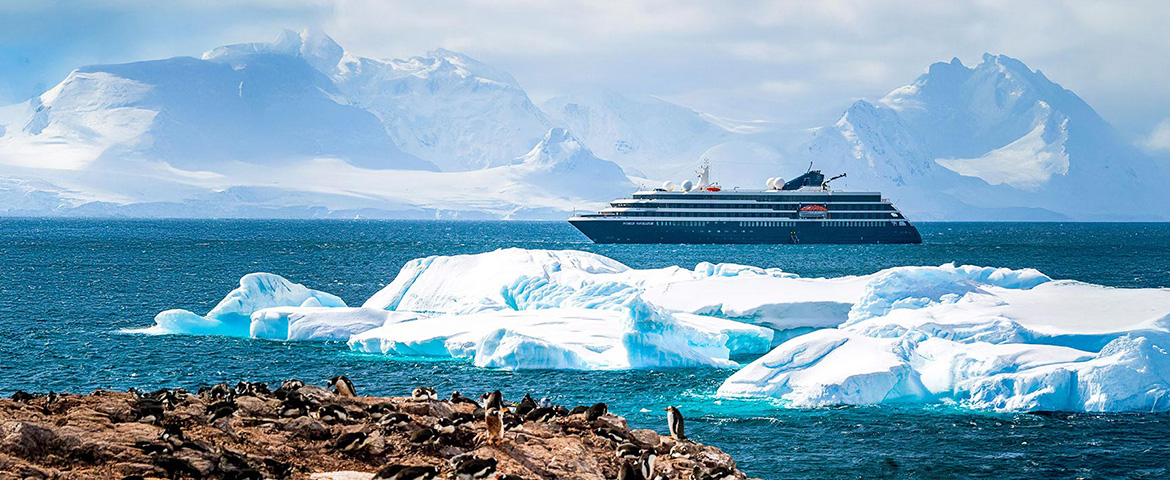

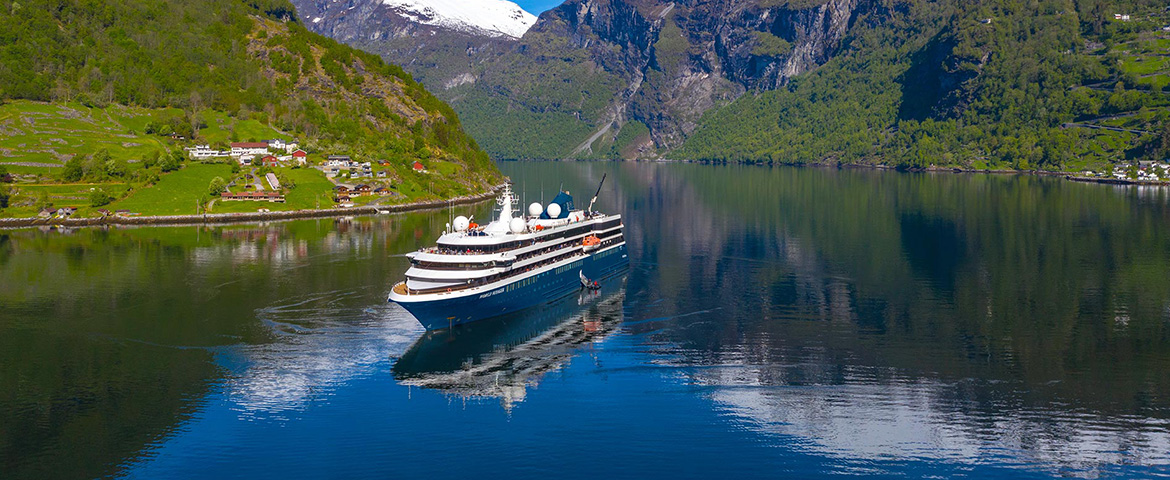
Lindblad Expeditions (7 Cruises)
National Geographic Endurance
7 Cruises
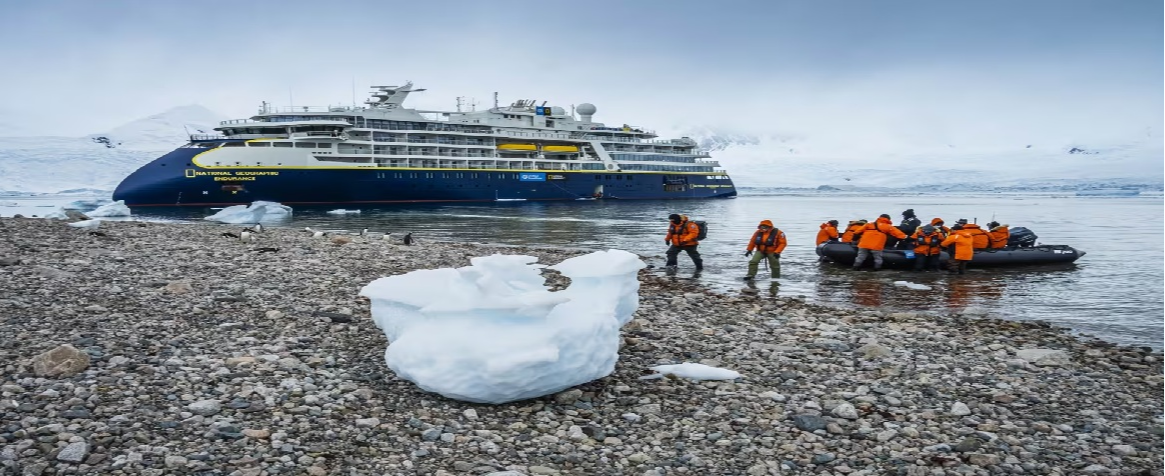

| 10 April | 16 days | One-way from Bergen to Oslo |
450-628-6241
Call us
|
| 10 April | 15 days | One-way from Bergen to Longyearbyen |
450-628-6241
Call us
|
Ponant (4 Cruises)
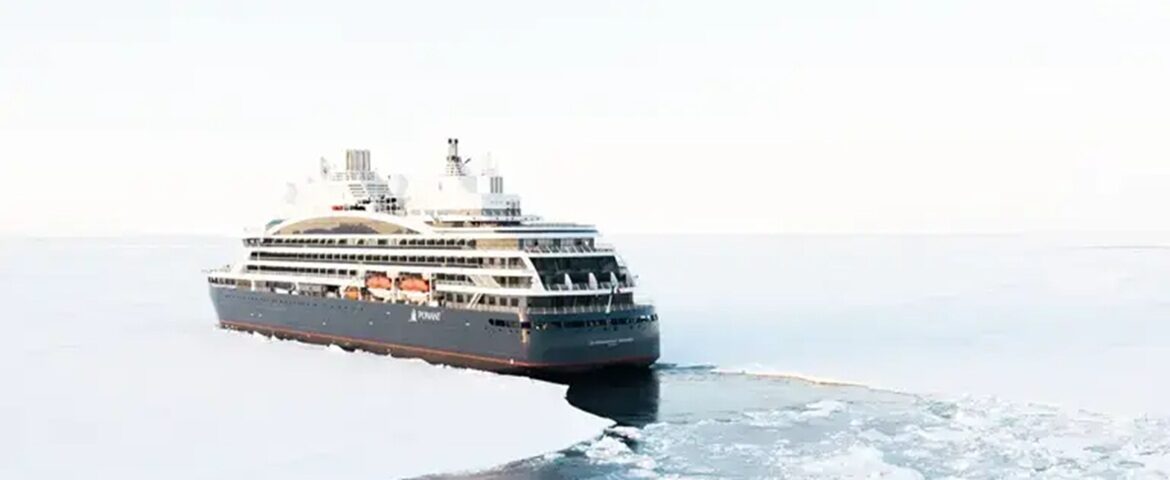

Scenic Cruises (16 Cruises)
Scenic Eclipse
8 Cruises


Scenic Eclipse II
8 Cruises

Bjørnøya, Norway | Cruise Port Guide
Frequently Asked Questions
In the open Barents Sea, roughly midway between the Norwegian mainland and Spitsbergen. It marks the southern limit of the Svalbard archipelago and covers 178 square kilometres of tundra, lakes and cliffs.
The Dutch navigator Willem Barentsz named it in 1596, after his crew confronted a swimming polar bear there. Despite the name, the island has no established polar bear population today.
Rarely, and it is worth knowing before booking. Landings are exceptional and tightly controlled: reefs, swell and fog make approaches difficult, and the site is rigorously protected. Many ships have to settle for cruising along the coast.
The south of the island shows its most impressive face: walls dropping into the sea, hollowed with caves and arches, carpeted with birds. Captains often slow along these cliffs and the outer decks fill up, binoculars in hand. That sight alone justifies the detour.
The island holds one of the largest seabird concentrations in the northern hemisphere: in the breeding season some estimates approach a million individuals. Guillemots, kittiwakes, fulmars and puffins line the ledges and fill the air with their comings and goings.
Nine people, on rotation, at the Herwighamna meteorological and radio station on the north coast, founded in 1919. They record the data feeding forecasts for the whole North Atlantic. It is one of the most isolated postings in the world: no proper harbour, no airstrip.
Zodiacs put visitors ashore near Herwighamna. You then walk over low tundra scattered with lakes, among the remains of old hunting activity and small abandoned mining works, under guidance.
Because it serves as a marker between mainland Norway and the high Arctic of Svalbard. A sea day precedes it and another follows, and its appearance on the horizon feels like crossing a border: this is where the Arctic truly begins.
None. No village, no shop, no currency to spend. Everything comes from the ship, including warm clothing and waterproof boots for a possible landing.
The Arctic summer, when birds occupy the cliffs and the sea more often allows an approach. Even then fog is frequent: at Bjørnøya, the weather decides everything.


