Spitsbergen Island Svalbard Norway
Norway
107
Cruises availables
At departure or passage at this port
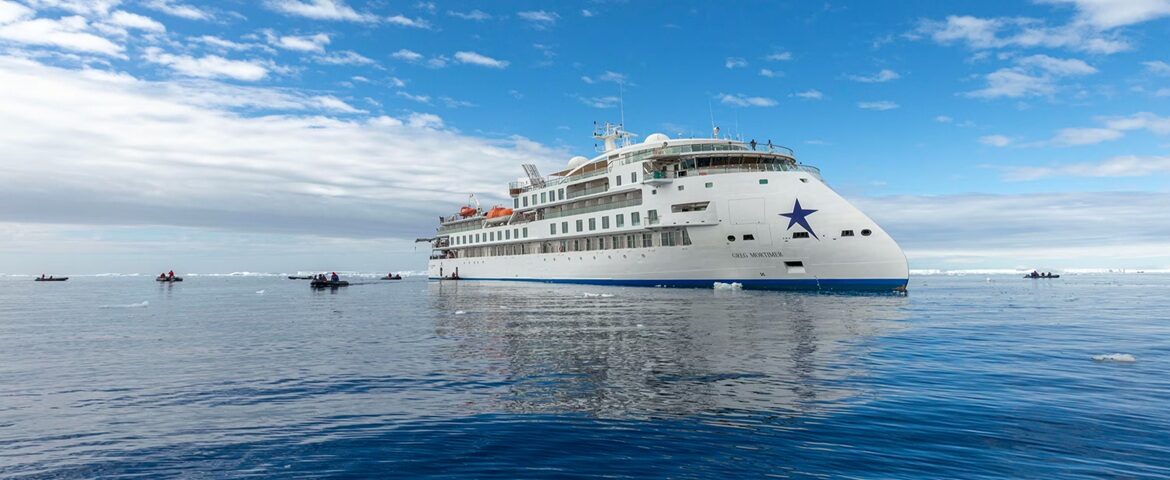

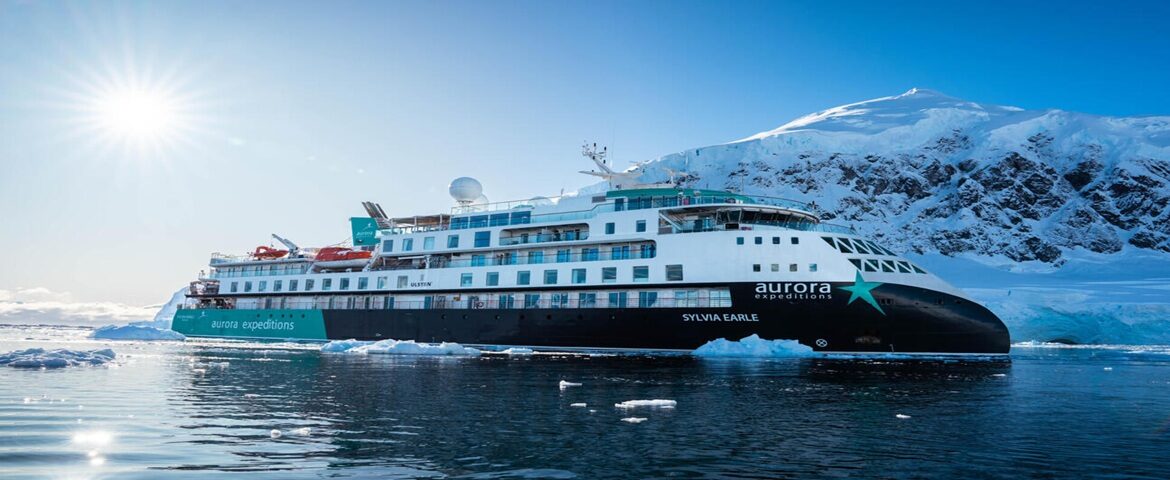
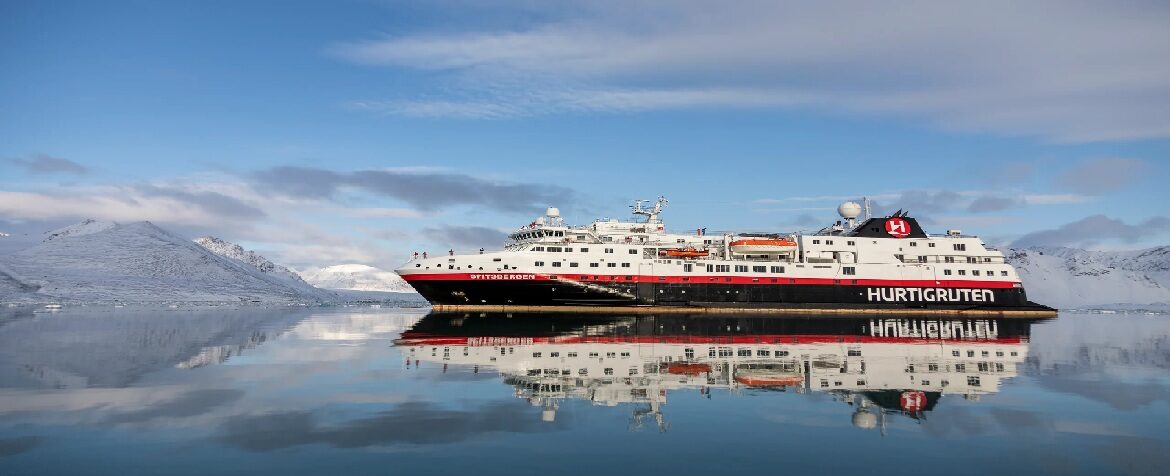
Hurtigruten (32 Cruises)
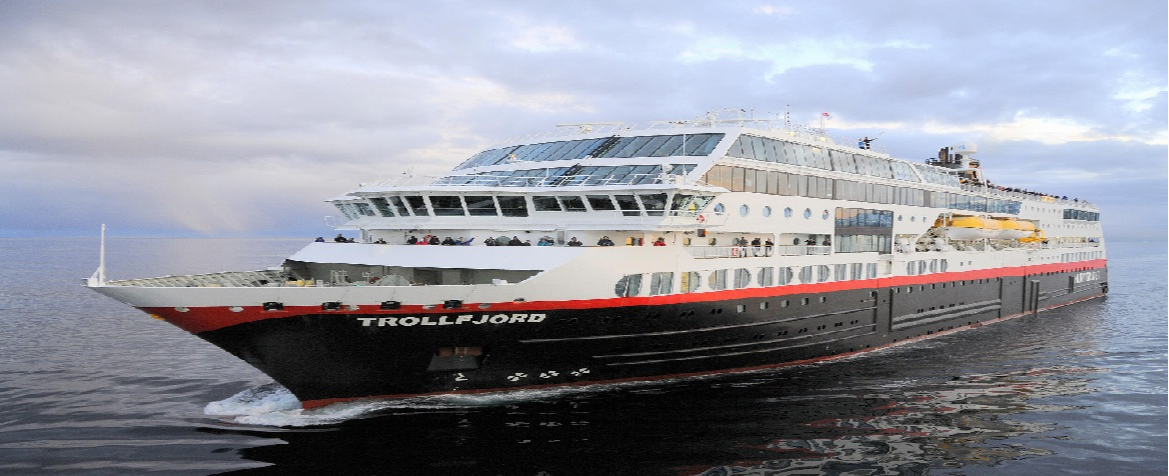
MS Trollfjord
32 Cruises

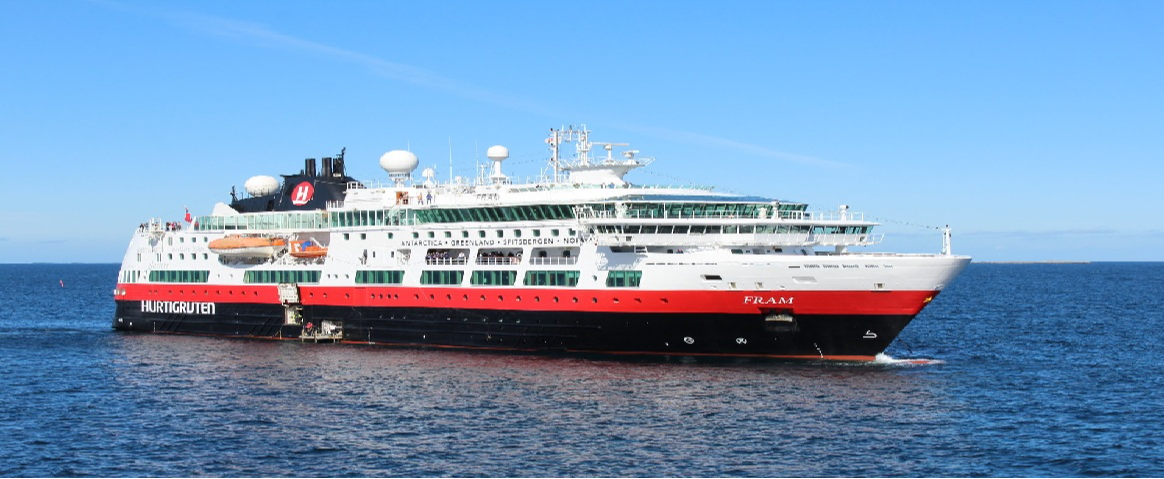
HX Expeditions (13 Cruises)

MS Spitsbergen
12 Cruises
| 16 May | 15 days | One-way from Bergen to Oslo |
450-628-6241
Call us
|
| 29 May | 9 days | Round-trip from Oslo, Norway |
450-628-6241
Call us
|
| 5 June | 9 days | Round-trip from Oslo, Norway |
450-628-6241
Call us
|
| 12 June | 11 days | Round-trip from Oslo, Norway |
450-628-6241
Call us
|
| 21 June | 14 days | Round-trip from Oslo, Norway |
450-628-6241
Call us
|
| 3 July | 11 days | Round-trip from Oslo, Norway |
450-628-6241
Call us
|
| 24 July | 11 days | Round-trip from Oslo, Norway |
450-628-6241
Call us
|
Lindblad Expeditions (2 Cruises)

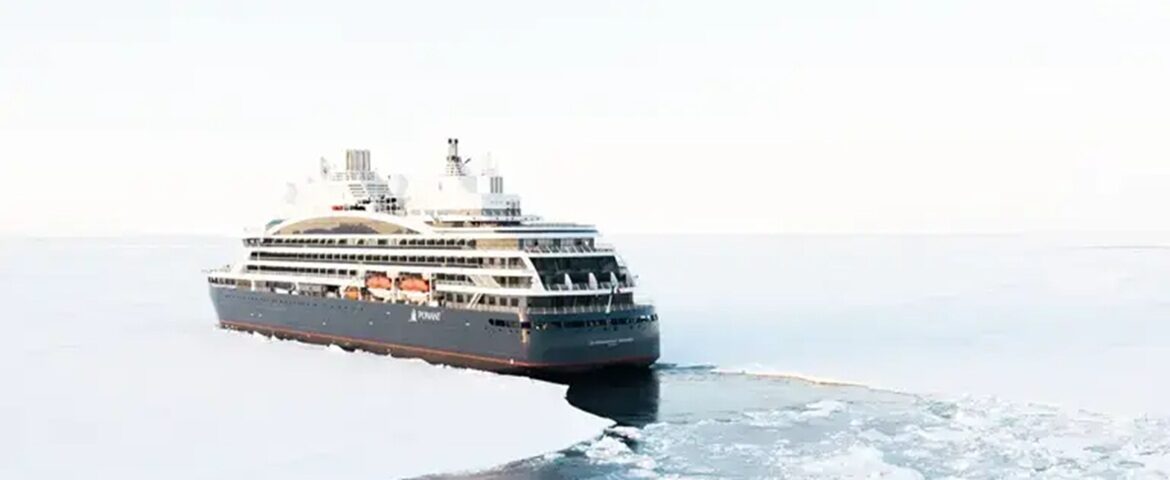
Ponant (42 Cruises)
Le Commandant Charcot
22 Cruises

| 8 June | 17 days | One-way from Reykjavik to Longyearbyen |
450-628-6241
Call us
|
| 24 June | 17 days | One-way from Longyearbyen to Reykjavik |
450-628-6241
Call us
|
| 10 July | 18 days | One-way from Reykjavik to Longyearbyen |
450-628-6241
Call us
|
| 27 July | 13 days | Round-trip from Longyearbyen, Norway |
450-628-6241
Call us
|
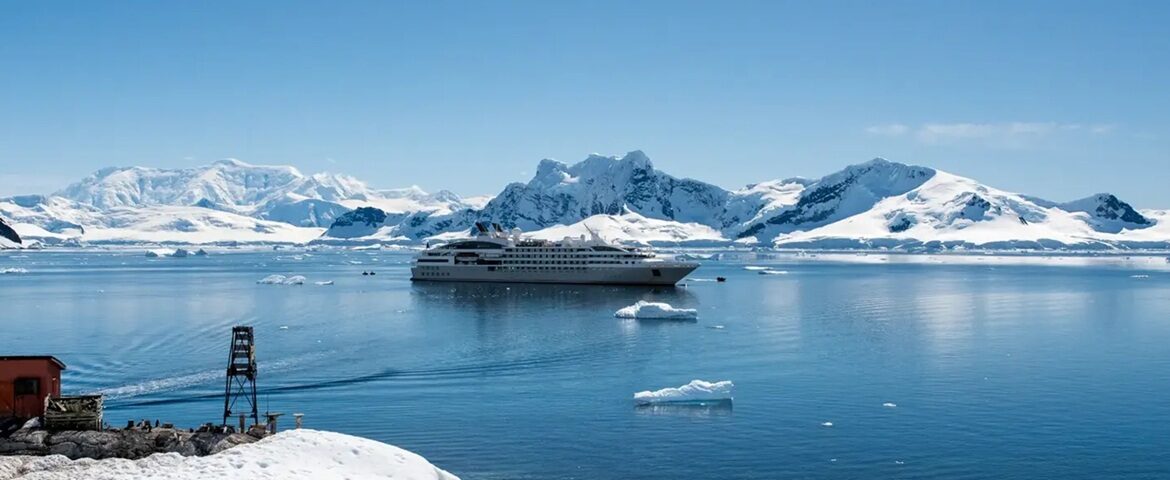
Le Lyrial
20 Cruises
Scenic Cruises (16 Cruises)
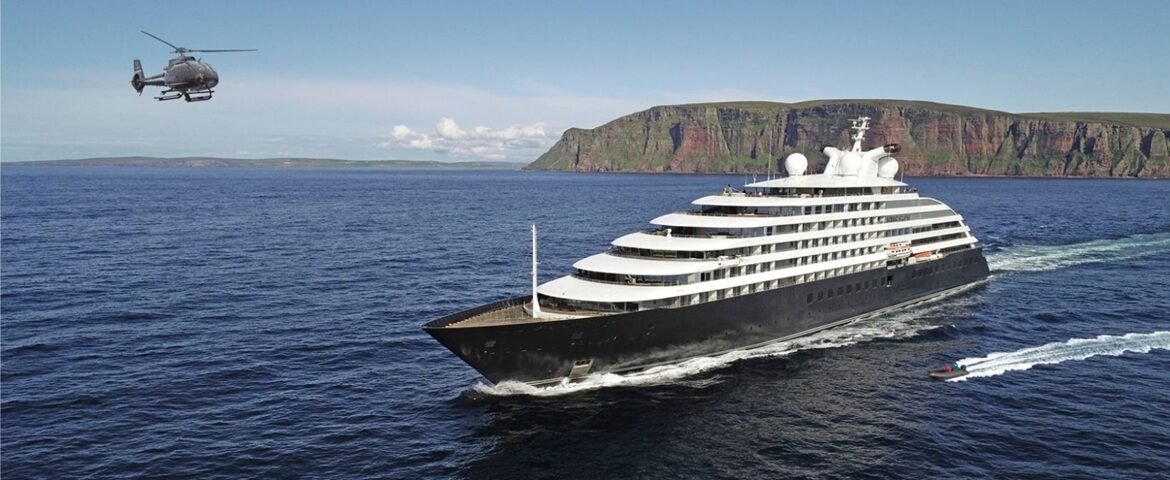
Scenic Eclipse
8 Cruises


Scenic Eclipse II
8 Cruises

Spitsbergen (Svalbard), Norway | Arctic Expedition Guide
Frequently Asked Questions
By Zodiac, in small groups led by armed guides. There is no pier in the bays of Spitsbergen: boats land passengers on shingle beaches or at the foot of moraines. The possible presence of polar bears means strict rules, explained from the moment you board.
At 78 degrees north, halfway between mainland Norway and the North Pole. It is the main island of Norway's Svalbard archipelago, spreading glaciers, tundra and fjords across more than 37,000 square kilometres.
Not from one bay to the next. No road links the valleys: the ship is not one means of transport among several, it is the only one. Itineraries usually start in Longyearbyen and work up the west coast as conditions allow.
Possibly, and never on demand. Polar bears are almost always watched from the deck at a respectful distance, and no operator can guarantee a sighting. That is exactly what makes the encounter worth something. Walruses, Svalbard reindeer, Arctic foxes, belugas and minke whales are more frequent.
A former mining village on the Kongsfjorden turned international research station, one of the world's northernmost permanent communities. It was from here that Amundsen set off for the Pole by airship in 1926.
A bay framed by sharp peaks where seventeenth-century whalers already anchored. Their blubber ovens and graves, protected by law, still show on some beaches. Russian and then Norwegian trappers followed, and a few of their wintering cabins are still standing.
Yes, notably in the Krossfjorden, where the sculpted front of the Fjortende Julibreen glacier overlooks walls holding tens of thousands of kittiwakes and Brünnich's guillemots. The noise is part of the memory.
Late April to late August, when the sun never sets: landings can happen at any hour in raking light that transforms the landscape. The polar summer brings a tiny, colourful tundra into bloom within weeks. From September, ships become rare.
No, and you should know that before booking. Weather, ice and swell decide: a Spitsbergen itinerary is an intention, never a promise. Landings are settled day by day, and the best memories often come from a change of plan.
For motivated teenagers, yes; for young children, poorly. Days are built around Zodiac landings, walks on spongy tundra and long cold hours of watching through binoculars, with no facilities ashore. There are no shops, no beaches and no organized activities as on a conventional itinerary.


