Cusco-Machu Picchu Peru
764
Cruises availables
At departure or passage at this port
Aqua Expeditions (28 Cruises)
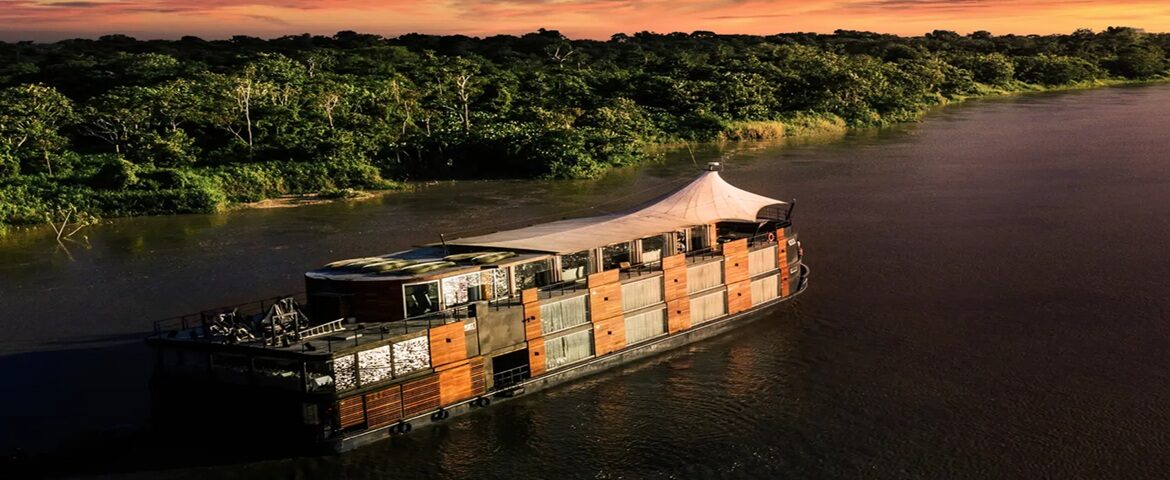
Aria Amazone
28 Cruises

| 20 January | 16 days | Round-trip from Callao-Lima, Peru |
450-628-6241
Call us
|
| 22 January | 12 days | Round-trip 15 Night Peruvian Amazon and Machu Picchu Exploration Cruise and Land Tour |
450-628-6241
Call us
|
| 3 March | 16 days | Round-trip from Callao-Lima, Peru |
450-628-6241
Call us
|
| 5 March | 12 days | Round-trip 15 Night Peruvian Amazon and Machu Picchu Exploration Cruise and Land Tour |
450-628-6241
Call us
|
| 7 April | 16 days | Round-trip from Callao-Lima, Peru |
450-628-6241
Call us
|
| 9 April | 12 days | Round-trip 15 Night Peruvian Amazon and Machu Picchu Exploration Cruise and Land Tour |
450-628-6241
Call us
|
| 12 May | 16 days | Round-trip from Callao-Lima, Peru |
450-628-6241
Call us
|
| 14 May | 12 days | Round-trip 15 Night Peruvian Amazon and Machu Picchu Exploration Cruise and Land Tour |
450-628-6241
Call us
|
| 2 July | 12 days | Round-trip 15 Night Peruvian Amazon and Machu Picchu Exploration Cruise and Land Tour |
450-628-6241
Call us
|
| 4 August | 16 days | Round-trip from Callao-Lima, Peru |
450-628-6241
Call us
|
| 6 August | 12 days | Round-trip 15 Night Peruvian Amazon and Machu Picchu Exploration Cruise and Land Tour |
450-628-6241
Call us
|
| 13 October | 16 days | Round-trip from Callao-Lima, Peru |
450-628-6241
Call us
|
| 15 October | 12 days | Round-trip 15 Night Peruvian Amazon and Machu Picchu Exploration Cruise and Land Tour |
450-628-6241
Call us
|
HX Expeditions (144 Cruises)
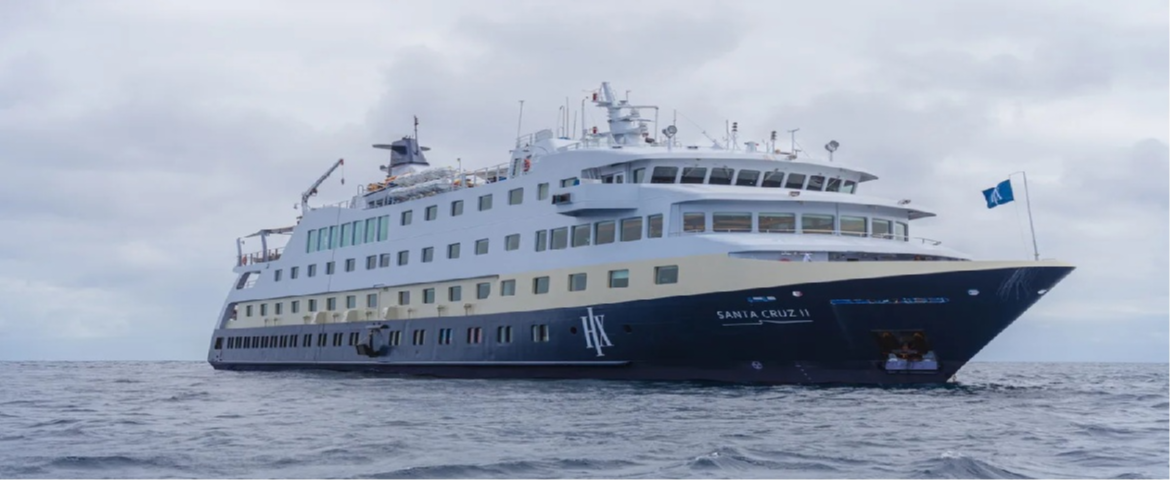
MS Santa Cruz II
144 Cruises

Lindblad Expeditions (400 Cruises)
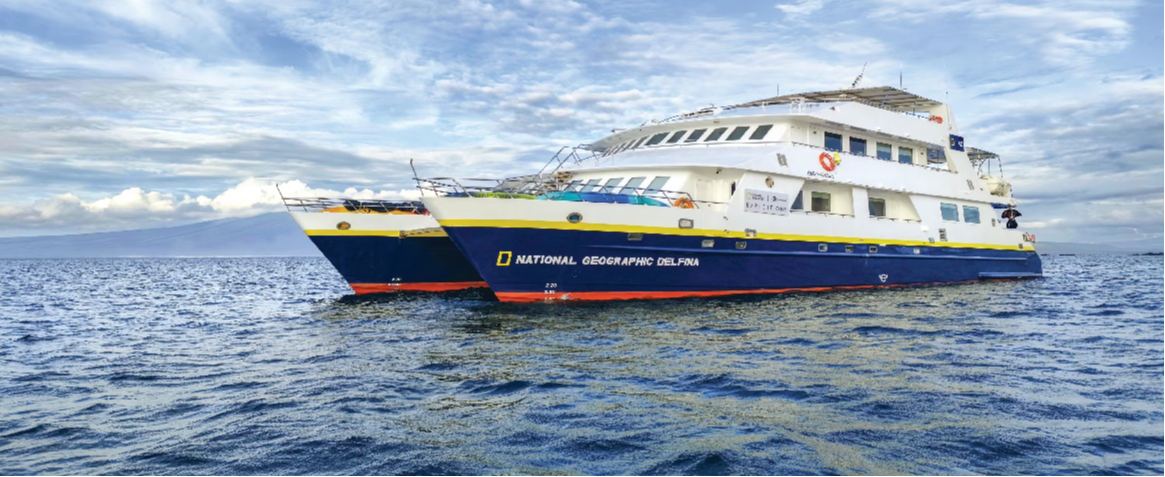
National Geographic Delfina
130 Cruises

| 30 October | 16 days | One-way from Quito to Callao-Lima |
450-628-6241
Call us
|
| 31 October | 14 days | One-way from Quito to Callao-Lima |
450-628-6241
Call us
|
| 20 November | 16 days | One-way from Quito to Callao-Lima |
450-628-6241
Call us
|
| 21 November | 14 days | One-way from Quito to Callao-Lima |
450-628-6241
Call us
|
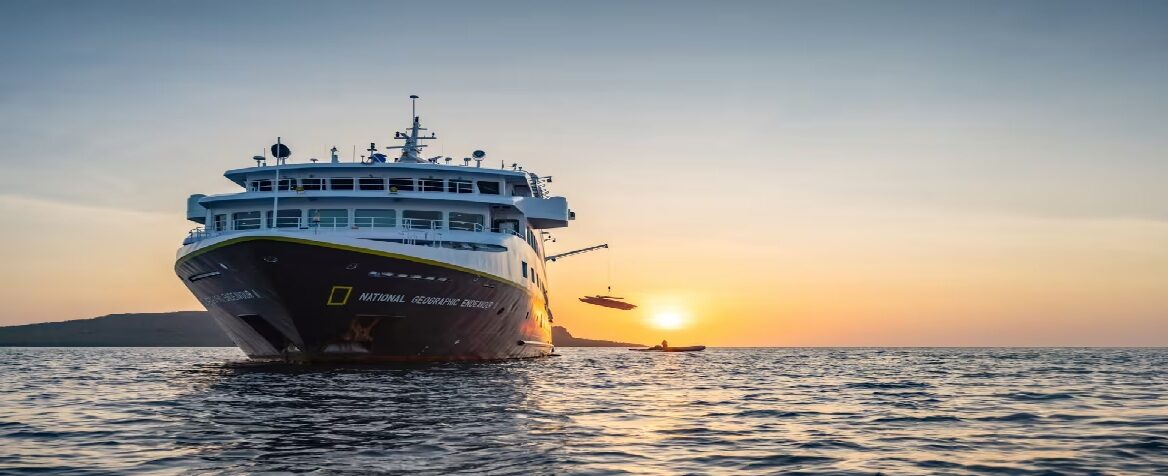
National Geographic Endeavour II
144 Cruises
| 30 October | 16 days | One-way from Guayaquil to Callao-Lima |
450-628-6241
Call us
|
| 31 October | 14 days | One-way from Guayaquil to Callao-Lima |
450-628-6241
Call us
|
National Geographic Gemini
36 Cruises
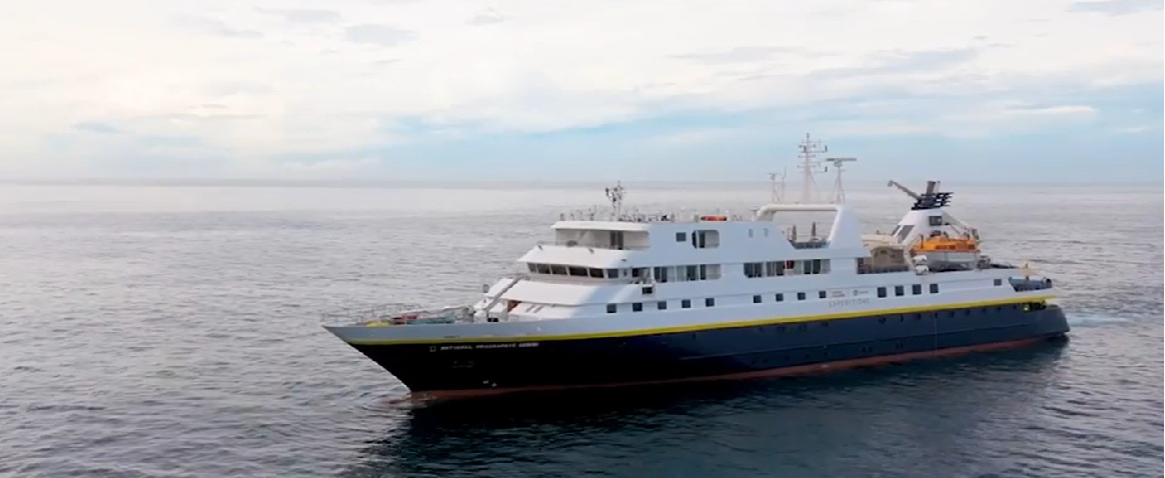
| 27 November | 16 days | One-way from Guayaquil to Callao-Lima |
450-628-6241
Call us
|
| 28 November | 14 days | One-way from Guayaquil to Callao-Lima |
450-628-6241
Call us
|
National Geographic Islander II
90 Cruises
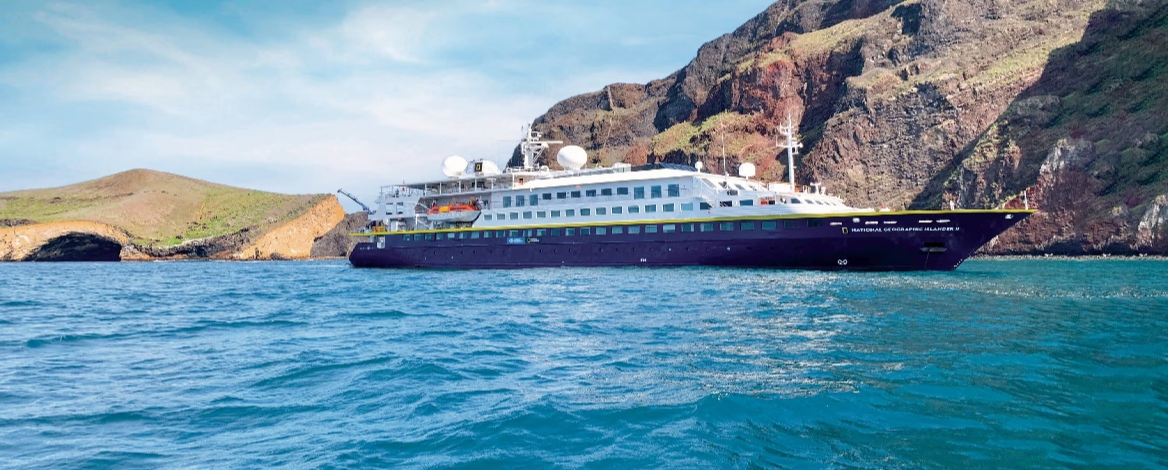
| 29 October | 16 days | One-way from Guayaquil to Callao-Lima |
450-628-6241
Call us
|
| 30 October | 14 days | One-way from Guayaquil to Callao-Lima |
450-628-6241
Call us
|
Scenic Cruises (20 Cruises)
Scenic Eclipse
10 Cruises


| 19 January | 25 days | One-way from Callao-Lima to Buenos Aires |
450-628-6241
Call us
|
| 21 January | 22 days | One-way from Callao-Lima to Buenos Aires |
450-628-6241
Call us
|
Scenic Eclipse II
10 Cruises
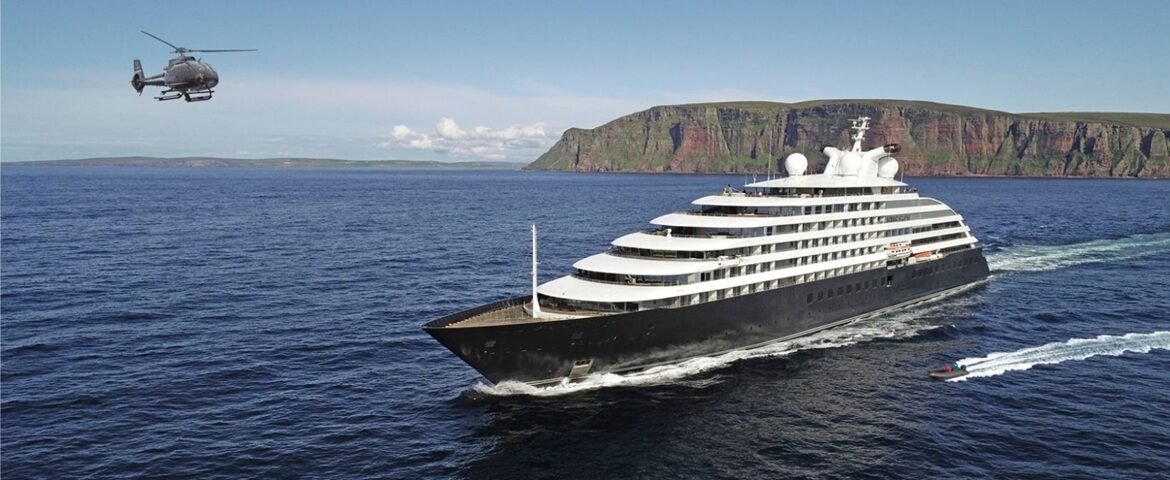
| 19 January | 25 days | One-way from Callao-Lima to Buenos Aires |
450-628-6241
Call us
|
| 21 January | 22 days | One-way from Callao-Lima to Buenos Aires |
450-628-6241
Call us
|
Tauck Cruises (144 Cruises)
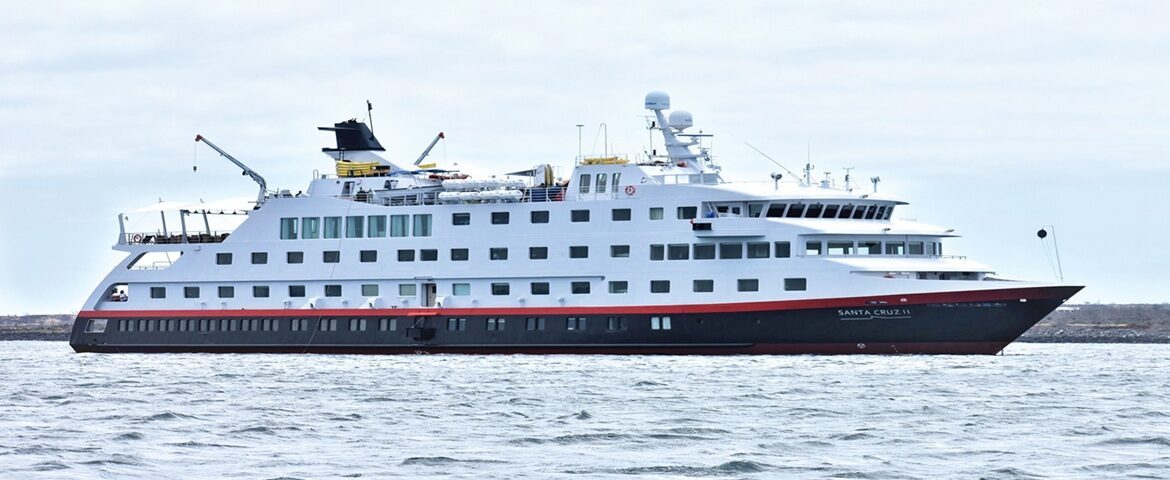
Santa Cruz II
144 Cruises

Uniworld Boutique River Cruise (28 Cruises)
Aria Amazon
28 Cruises


| 20 January | 16 days | Round-trip from Callao-Lima, Peru |
450-628-6241
Call us
|
| 22 January | 12 days | Round-trip 15 Night Peruvian Amazon and Machu Picchu Exploration Cruise and Land Tour |
450-628-6241
Call us
|
| 3 March | 16 days | Round-trip from Callao-Lima, Peru |
450-628-6241
Call us
|
| 5 March | 12 days | Round-trip 15 Night Peruvian Amazon and Machu Picchu Exploration Cruise and Land Tour |
450-628-6241
Call us
|
| 7 April | 16 days | Round-trip from Callao-Lima, Peru |
450-628-6241
Call us
|
| 9 April | 12 days | Round-trip 15 Night Peruvian Amazon and Machu Picchu Exploration Cruise and Land Tour |
450-628-6241
Call us
|
| 12 May | 16 days | Round-trip from Callao-Lima, Peru |
450-628-6241
Call us
|
| 14 May | 12 days | Round-trip 15 Night Peruvian Amazon and Machu Picchu Exploration Cruise and Land Tour |
450-628-6241
Call us
|
| 2 July | 12 days | Round-trip 15 Night Peruvian Amazon and Machu Picchu Exploration Cruise and Land Tour |
450-628-6241
Call us
|
| 4 August | 16 days | Round-trip from Callao-Lima, Peru |
450-628-6241
Call us
|
| 6 August | 12 days | Round-trip 15 Night Peruvian Amazon and Machu Picchu Exploration Cruise and Land Tour |
450-628-6241
Call us
|
| 13 October | 16 days | Round-trip from Callao-Lima, Peru |
450-628-6241
Call us
|
| 15 October | 12 days | Round-trip 15 Night Peruvian Amazon and Machu Picchu Exploration Cruise and Land Tour |
450-628-6241
Call us
|
Cusco and Machu Picchu, Peru | Cruise Port Guide
Frequently Asked Questions
Not in a single day. Cusco and Machu Picchu are only reachable as a two or three-day land extension: you leave the ship at Callao, the port of Lima, and rejoin it further along the itinerary.
By air. You leave the Pacific coast, fly over the Andes and land at 3,400 m. There is no practical road option within a cruise schedule.
Before the cruise departs, usually no later than 90 days before the Callao call. Flights, train seats and site entry tickets are all capped: nothing can be arranged on the spot.
By road to Ollantaytambo in the Sacred Valley, then about an hour and a half by train along the Urubamba river to Aguas Calientes. A shuttle then climbs the switchbacks to the citadel entrance.
It should be taken seriously: the city sits at 3,400 m. Operators build in a gentle pace, coca tea and time to acclimatise. Drink plenty of water, eat lightly on the first day and pace yourself on the climbs.
The Plaza de Armas and its colonial churches, built on Inca foundations whose stones, fitted without mortar, have survived every earthquake. In the lanes, not a blade would slip between the blocks.
Good mobility, yes: uneven steps, staircases, altitude and full days. It is not a mountaineering trek, but the programme does not suit anyone who walks with difficulty.
A 15th-century citadel perched on a ridge between two peaks: tiered temples, terraces and staircases, the Temple of the Sun, the fountains and the residential quarters. Llamas graze between the walls, indifferent to their fame.
May to September, the Andean dry season: clear skies and walkable paths. From January to March rain is frequent and cloud often hides the site.
It is expensive and needs long lead time, but few who go regret it. It is one of the great detours of a South American cruise. Speak with your advisor at 1-866-628-6241.


