Departure

Return


Loading

Peru Destinations

Peru Travel from Canada: The Complete Guide

Peru is an easy reach from Canada: Air Transat flies nonstop from Montréal to Lima in about 8 hours, and Air Canada operates seasonal winter nonstops from both Montréal and Toronto. Canadian citizens do not need a visa for tourist stays of 90 days or less. The Andean dry season, May through September, is the prime window for Cusco and Machu Picchu, while Lima's coast enjoys its summer from December to March. Few countries pack this much into one trip: a UNESCO-listed Inca citadel, a canyon twice as deep as the Grand Canyon, the Amazon rainforest and one of the world's most celebrated food scenes.

The essentials at a glance

QuestionAnswer
Flight from CanadaNonstop from Montréal (about 8 h, Air Transat; Air Canada in winter) and from Toronto (winter, Air Canada); one-stop routings take 11 to 14 h
Visa for CanadiansNone for stays of 90 days or less; passport valid 6 months beyond arrival
Time differenceSame as Eastern time in winter; Lima is 1 h behind Montréal and Toronto in summer
CurrencyPeruvian sol (PEN); 1 sol is worth about CAD $0.41
LanguageSpanish; Quechua and Aymara in the Andes; English limited outside tourist circuits
Best time to goMay to September for the Andes (dry season); December to March for the coast
DrivingRight-hand side; city driving not recommended; long-distance buses and domestic flights are more practical
Electricity220 V, plug types A and C; adapter required and check your devices' voltage compatibility

Why Peru

Peru lines up three worlds in one country: the desert Pacific coast, the Andes and the Amazon basin. In two weeks you can eat ceviche above the ocean in Lima, walk Inca-built streets in Cusco at 3,400 m, then watch macaws from a boat on an Amazon tributary. No other South American destination delivers that range on a single airline ticket.

Machu Picchu is the headline act, deservedly, but Peruvian archaeology runs much deeper: the Nazca Lines etched into the desert, the royal tombs of Sipán in the north, the circular terraces of Moray and the fortress of Ollantaytambo in the Sacred Valley. Pre-Inca civilizations (Moche, Chimú, Nazca, Wari) left sites you can often explore without crowds.

The food scene now competes globally: Lima holds several spots on the World's 50 Best Restaurants list, yet a market lunch for a few dollars remains excellent. For Canadian travellers, on-the-ground value offsets part of the airfare, since hotels, meals and guides cost noticeably less than in Europe for comparable quality.

When to go

PeriodClimate and atmosphereVerdict
December to MarchRainy season in the Andes; sunny, warm summer on Lima's coast; Inca Trail closed in FebruaryGood for the coast, poor for trekking
AprilRains taper off, green mountains, Cusco crowds still manageableExcellent shoulder season
May and JuneDry season begins, clear skies, cold nights at altitude, Inti Raymi festival on June 24Prime time
July and AugustPeak dry season, but also peak crowds and prices at Machu PicchuVery good, book early
September and OctoberStill dry early on, thinner crowds, fine trekking conditionsExcellent shoulder season
NovemberAndean rains gradually return, coast still grey, low seasonFair, with lower prices

How to get there from Canada

From Montréal, Air Transat flies nonstop to Lima's Jorge Chávez International Airport in about 8 hours, and Air Canada adds a direct winter service (December through late March, twice weekly, about 8 h 15). From Toronto, Air Canada operates seasonal winter nonstops to Lima in roughly 8 hours. Lima's new terminal, opened in 2025, is the country's single international gateway from Canada.

Outside the nonstop seasons, one-stop routings run via Toronto, Panama City (Copa Airlines), Bogotá (Avianca) or US hubs such as Miami and Atlanta, for total journeys of 11 to 14 hours. For Cusco, Arequipa or the Amazon, add a domestic flight from Lima: LATAM and Sky cover these cities in one to two hours, and seats sell out in high season.

Peru's essential regions

Lima and the Pacific coast

The capital deserves two or three days, split between the UNESCO-listed colonial centre, the clifftop parks of Miraflores and the artistic lanes of Barranco. It is also South America's food capital. Our full Lima travel guide covers neighbourhoods, budgets and where to eat.

Cusco and the Sacred Valley

The former Inca capital at 3,400 m layers baroque churches over Inca stonework. Allow 24 to 48 hours to acclimatize, then explore the Sacred Valley: Pisac's market and terraces, the fortress of Ollantaytambo, the salt pans of Maras. Many travellers sleep in the valley itself, about 600 m lower than Cusco, which makes acclimatization easier.

Machu Picchu

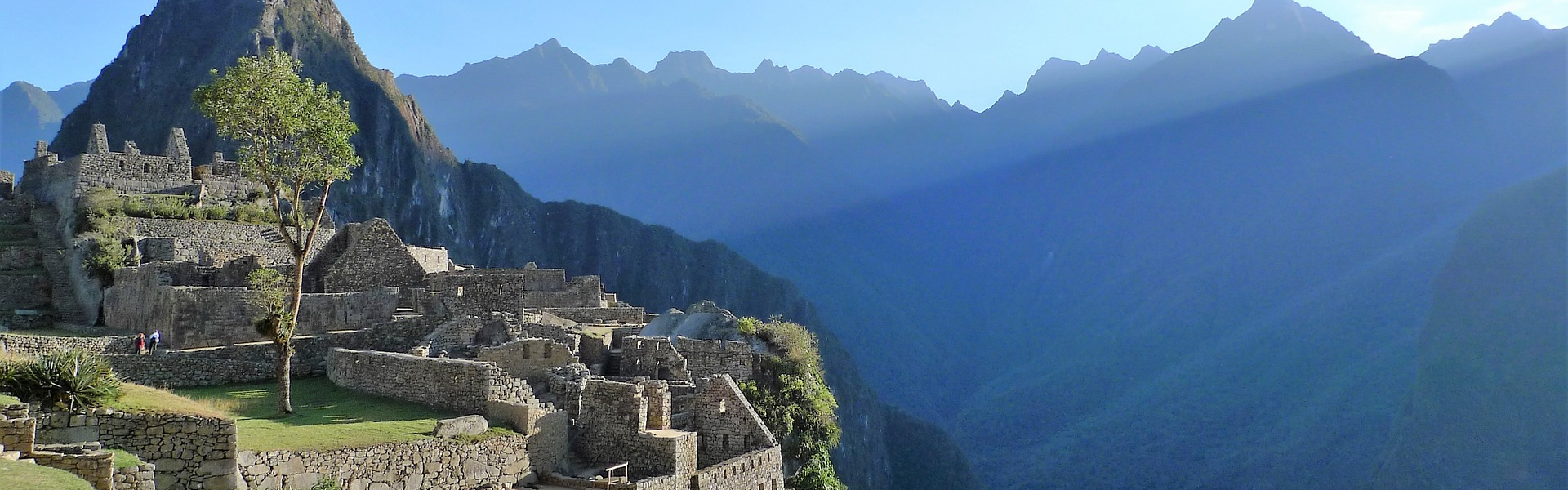
The 15th-century citadel is reached by train (PeruRail or Inca Rail) to Aguas Calientes, or on foot via the four-day Inca Trail with a mandatory permit. Entry tickets are capped by time slot and circuit: in high season, book tickets and trains several weeks ahead. Sunrise over the terraces justifies the 5 a.m. start.

Arequipa and Colca Canyon

The white city, built of volcanic sillar stone beneath El Misti volcano, hides the Santa Catalina Monastery, a city within a city. Three hours away, Colca Canyon plunges roughly twice as deep as the Grand Canyon; condors ride the thermals past the Cruz del Cóndor viewpoint in the early morning.

Lake Titicaca

At 3,800 m, the world's highest large navigable lake straddles Peru and Bolivia. From Puno, boats visit the floating reed islands of the Uros people and Taquile Island, whose textile tradition is on UNESCO's intangible heritage list. A homestay night turns the excursion into a genuine encounter.

The Peruvian Amazon

Two main gateways: Iquitos in the north, reachable only by air or river, and Puerto Maldonado in the southeast, a short flight from Cusco or Lima. Lodges in the Tambopata reserve deliver caimans, monkeys and parrot clay licks within days. Yellow fever vaccination and antimalarials may be recommended for this leg, so consult a travel clinic.

The budget, in Canadian dollars

ItemBudgetMid-rangeHigh-end
Round-trip flight from Montréal$900 to $1,200$1,200 to $1,700$2,800 and up (business class)
Accommodation (per night, 2 people)$60 to $110$150 to $280$400 and up
Meals (per day, per person)$25 to $40$50 to $90$140 and up
Local transport (per day)$10 to $25$35 to $70$120 and up (private driver)
Activities and sights (per day)$20 to $45$60 to $120$180 and up

These ranges are provided as a guideline, based on rates and prices observed in 2025-2026; they shift with the season, the sol exchange rate and how much domestic transport your itinerary includes. Machu Picchu trains and internal flights add roughly CAD $150 to $500 per person.

Entry requirements and health for Canadian citizens

  • Visa: no visa required for tourist stays of 90 days or less within a 365-day period. The permitted stay is set on entry; overstaying brings fines.
  • Passport: valid at least six months beyond your arrival date. If entering overland, insist on an entry stamp; you will need it to leave.
  • Official advisory: the Government of Canada advises a high degree of caution in Peru, and to avoid the VRAEM region and certain border areas with Colombia and Ecuador. Check travel.gc.ca before booking and again before departure.
  • Health: routine vaccines and hepatitis A recommended; yellow fever and antimalarials depending on itinerary, especially the Amazon. Dengue is present in lowland areas.
  • Altitude: Cusco, Puno and Colca all sit above 3,300 m. Acute mountain sickness can be serious: acclimatize gradually and seek medical advice before travelling.
  • Travel insurance: essential, with emergency medical coverage that includes evacuation, particularly for altitude zones and the Amazon.
  • Money: withdraw soles at major bank ATMs and keep small bills for markets and taxis outside the big cities.

One last tip: allow at least 10 to 14 days to combine Lima, Cusco, the Sacred Valley and Machu Picchu at a humane pace that respects acclimatization. With three weeks, add Arequipa and Lake Titicaca, or an Amazon lodge stay.

Has Machu Picchu been on your list for years? The advisors at Voyages AquaTerra build your custom itinerary. 450-628-6241 | 1-866-628-6241 | info@voyagesaquaterra.com

Voyages AquaTerra is a licensed travel agency in Québec.

Frequently Asked Questions

No. Canadians can visit Peru visa-free for tourist stays of 90 days or less within any 365-day period. Your passport must remain valid for at least six months beyond your arrival date. Check travel.gc.ca for current conditions before departure.
Nonstop flights from Montréal take about 8 hours with Air Transat, and Air Canada operates seasonal nonstops from both Montréal and Toronto in winter (roughly 8 hours). One-stop routings via Panama City, Bogotá or US hubs take 11 to 14 hours in total.
May through September is the Andean dry season, ideal for Cusco, the Sacred Valley and Machu Picchu. Lima's coast has its sunny summer from December to March. The Inca Trail closes every February for maintenance.
The Government of Canada advises a high degree of caution. The classic tourist circuit (Lima, Cusco, Arequipa, Puno) is well travelled, but petty theft is common in cities, and the VRAEM region and border areas with Colombia and Ecuador should be avoided.
As a guideline, budget CAD $2,200 to $4,500 per person for one week including airfare, depending on comfort level. Trains to Machu Picchu and domestic flights are a significant share of the total.
Peru stays on UTC-5 all year. In winter there is no difference with Montréal or Toronto; in summer, when Canada is on daylight time, Lima is one hour behind Eastern cities.
Most visitors take the train from Cusco or Ollantaytambo (PeruRail or Inca Rail) to Aguas Calientes, then a shuttle up to the citadel. Entry tickets are limited by time slot and circuit, so book several weeks ahead in high season. The four-day Inca Trail requires a permit.
Cusco sits at about 3,400 m. Allow 24 to 48 hours to acclimatize, drink plenty of water and go easy on alcohol and exertion at first. Many travellers sleep in the Sacred Valley, which is about 600 m lower. Ask a travel health clinic about altitude medication.
Routine vaccines and hepatitis A are recommended for most travellers. Yellow fever vaccination and antimalarials may be advised depending on your itinerary, particularly the Amazon. Visit a travel clinic six to eight weeks before departure and check travel.gc.ca.
The Peruvian sol: 1 sol is worth roughly CAD $0.41. Cards are widely accepted in Lima and Cusco, but carry small-denomination cash for markets, taxis and villages in the Sacred Valley.
  • #Travel
  • #Tourism
  • #South America
  • #Machu Picchu
  • #Cusco
  • #Lima
  • #Andes
  • #Peruvian Culture
  • #History
  • #Ruins
  • #Trekking
  • #Adventure
  • #Peruvian Cuisine
  • #Pachamama
  • #Pisco
  • #Llamas
  • #Alpaca
  • #Amazon Rainforest
  • #Beaches
  • #Peruvian Coast
  • #Traditions
  • #Festivals
  • #Hiking
  • #UNESCO World Heritage
  • #Inca Civilization
  • #Visa
  • #Accommodation
  • #Budget
  • #Itineraries.