Constanta Romania
Romania
242
Cruises availables
At departure or passage at this port
CroisiEurope (46 Cruises)
MS L'Europe
21 Cruises
 Image not available

| 6 June | 11 days | One-way from Oltenita to Vienna |
450-628-6241
Call us
|
| 6 June | 12 days | One-way from Oltenita to Vienna |
450-628-6241
Call us
|
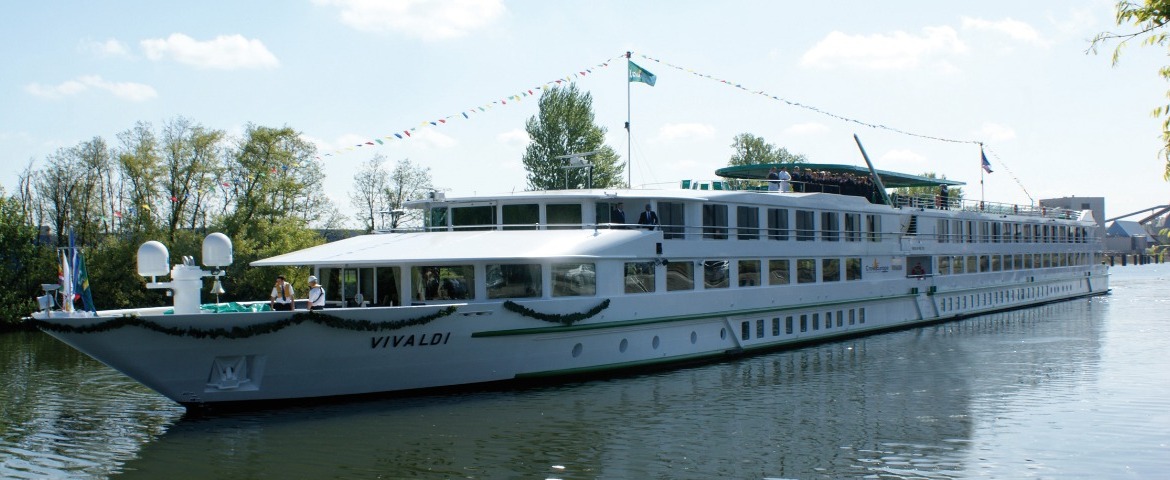
MS Vivaldi
25 Cruises
Riviera Travel (18 Cruises)
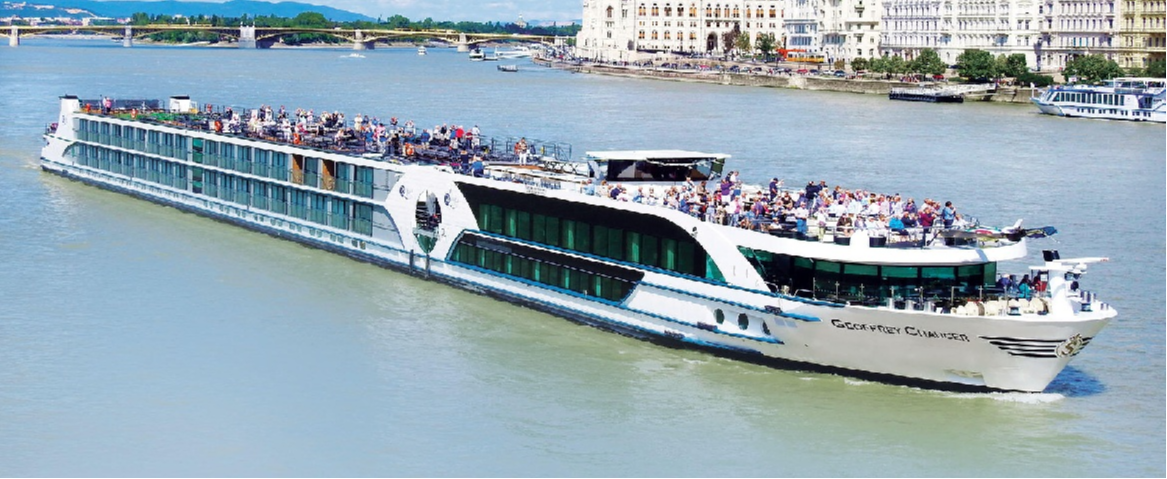
MS Geoffrey Chaucer
4 Cruises

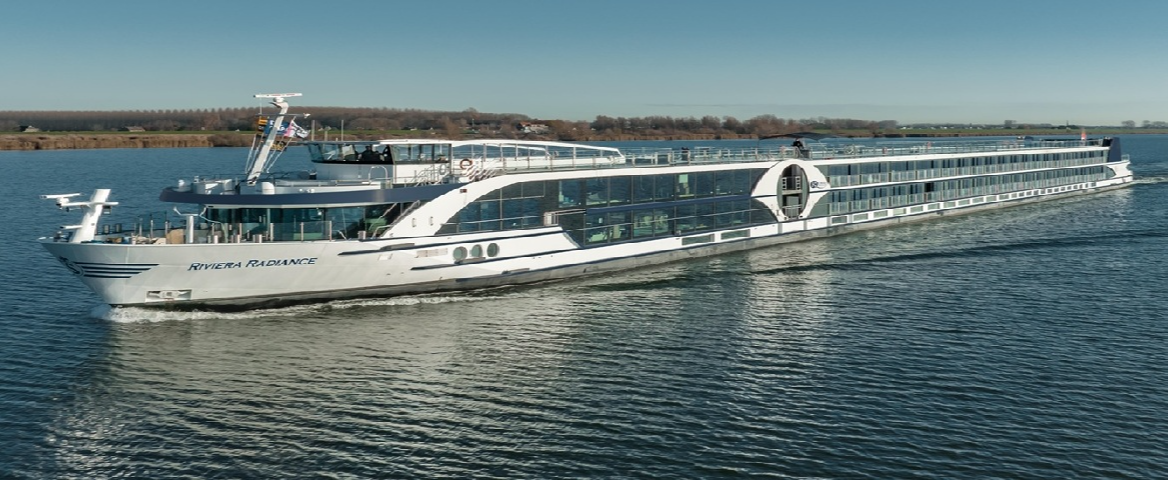
MS Riviera Radiance
6 Cruises
| 18 April | 15 days | Round-trip from Budapest, Hungary |
450-628-6241
Call us
|
| 18 April | 14 days | Round-trip Budapest to the Black Sea River Cruise - MS Riviera Radiance |
450-628-6241
Call us
|
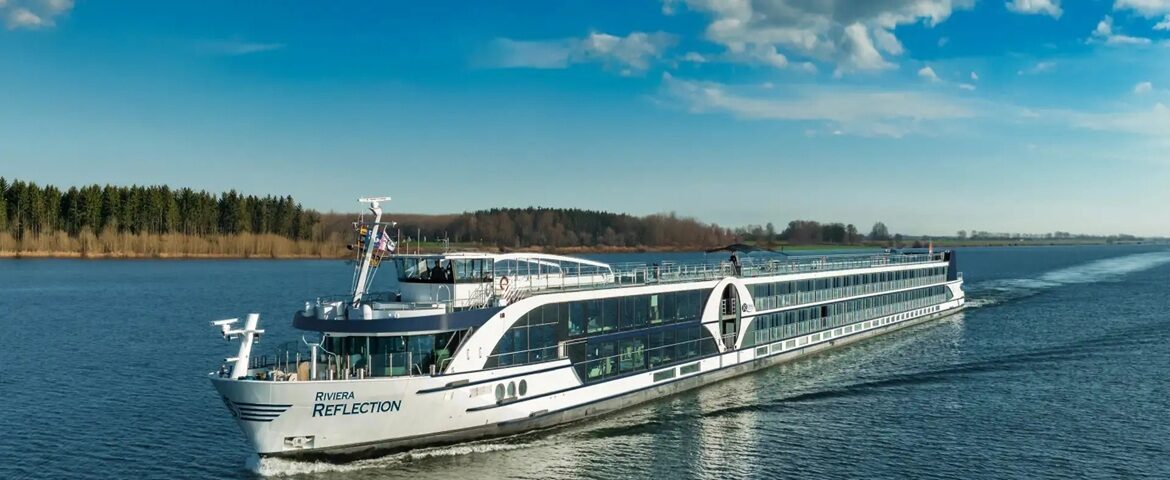
MS Riviera Reflection
4 Cruises
Scenic Cruises (40 Cruises)
Scenic Crystal
40 Cruises


| 27 September | 30 days | One-way from Amsterdam to Bucharest |
450-628-6241
Call us
|
| 27 September | 29 days | One-way from Amsterdam to Bucharest |
450-628-6241
Call us
|
Viking River Cruises (138 Cruises)
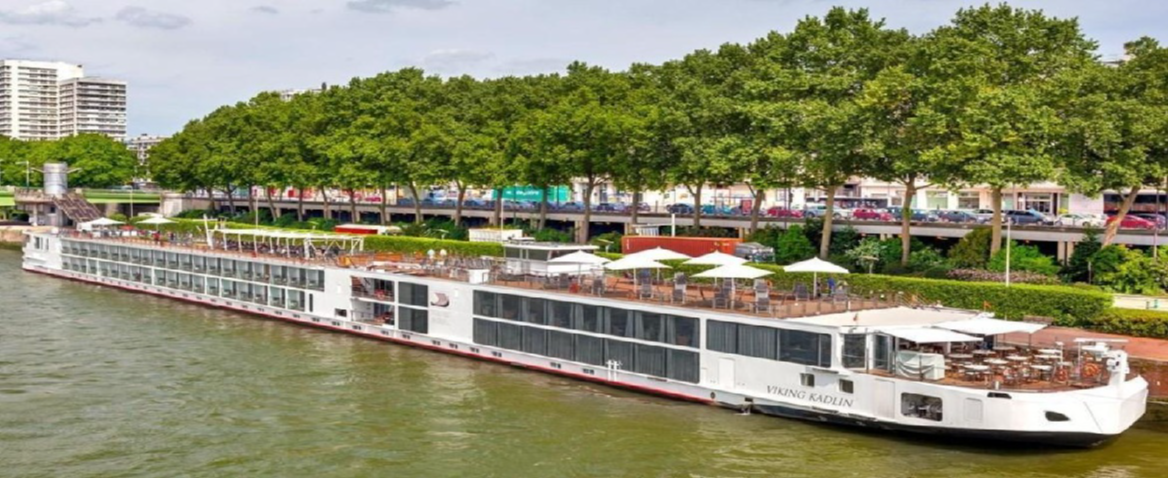
Viking Longships Kadlin
64 Cruises

| 28 March | 15 days | One-way from Vienna to Constanta |
450-628-6241
Call us
|
| 28 March | 14 days | One-way from Vienna to Constanta |
450-628-6241
Call us
|
| 26 March | 15 days | One-way from Vienna to Constanta |
450-628-6241
Call us
|
| 26 March | 14 days | One-way from Vienna to Constanta |
450-628-6241
Call us
|
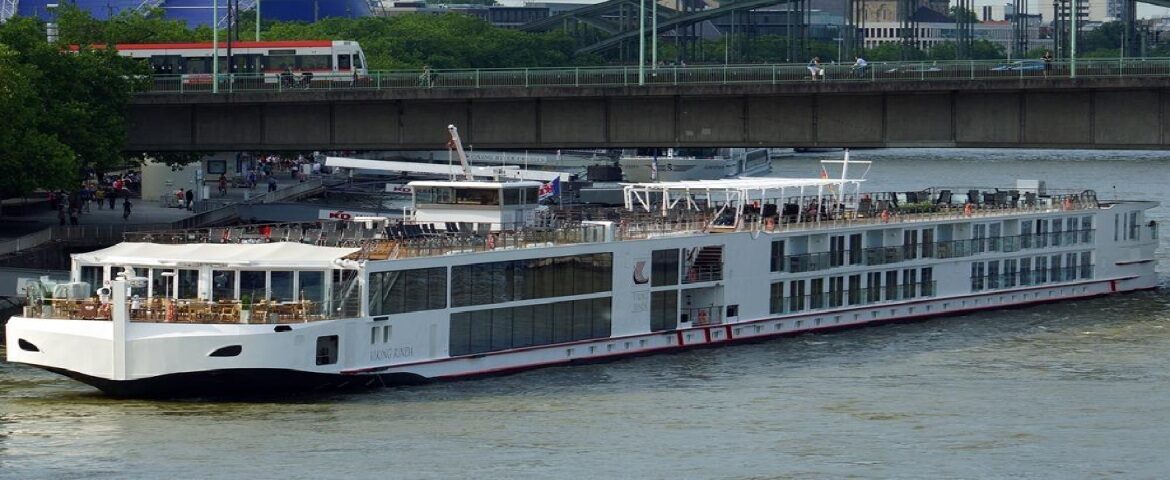
Viking Longships Rinda
74 Cruises

Port of Constanța, Romania | Cruise Port Guide
Frequently Asked Questions
Inside the commercial port, one of the largest on the Black Sea. The port area cannot be crossed freely: line shuttles or taxis carry you to the historic peninsula in a few minutes.
Yes, once you reach the peninsula. The old core is compact, a triangle of lanes between Ovid Square, the mosque and the seafront. Only the trip from the berth needs a shuttle or taxi.
Because the Roman poet was exiled here by the emperor Augustus two thousand years ago. Ancient Greek Tomis, which became Romania's great maritime outlet, is the oldest continuously inhabited city in the country.
One of Romania's richest collections of Greek and Roman antiquities: glassware, statuettes and sculpture found in the city's own subsoil. It stands on Ovid Square, at the heart of the peninsula.
The remains of a vast ancient commercial complex, sheltered by a modern building just behind the museum. Its mosaic floor, terraced toward the old harbour front, attests to the prosperity of Tomis. Visitors walk above the geometric patterns.
Yes, by a spiral staircase. The minaret, about fifty metres tall, overlooks the old town, the roadstead and the Black Sea to the horizon. The mosque, built in the early twentieth century, symbolizes the religious coexistence of Dobrogea.
Yes. This Art Nouveau vessel from 1910, closed for many years, reopened in 2025 after a full restoration. Its shell-motif rooms and glass walls facing the waves make it once more the drawing room of the Black Sea. It is the monument locals love most.
The small Genoese lighthouse, raised in the nineteenth century in tribute to the merchants of Genoa, whose octagonal outline stands near the casino. The seaside promenade links it all and carries on naturally along the breakwater.
Dobrogea eats like its history: cheese pastries inherited from Turkish cooking, grilled offshore fish, local wines from the nearby slopes. The terraces of the old centre and the Tomis marina, below the cliffs, serve it all facing the sailboats.
The Romanian leu, not the euro, and Romanian. Cards work in restaurants, museums and downtown shops. English is understood in tourism; Turkish and Tatar are still spoken in some Dobrogea families.


