Mossel Bay South Africa
33
Cruises availables
At departure or passage at this port
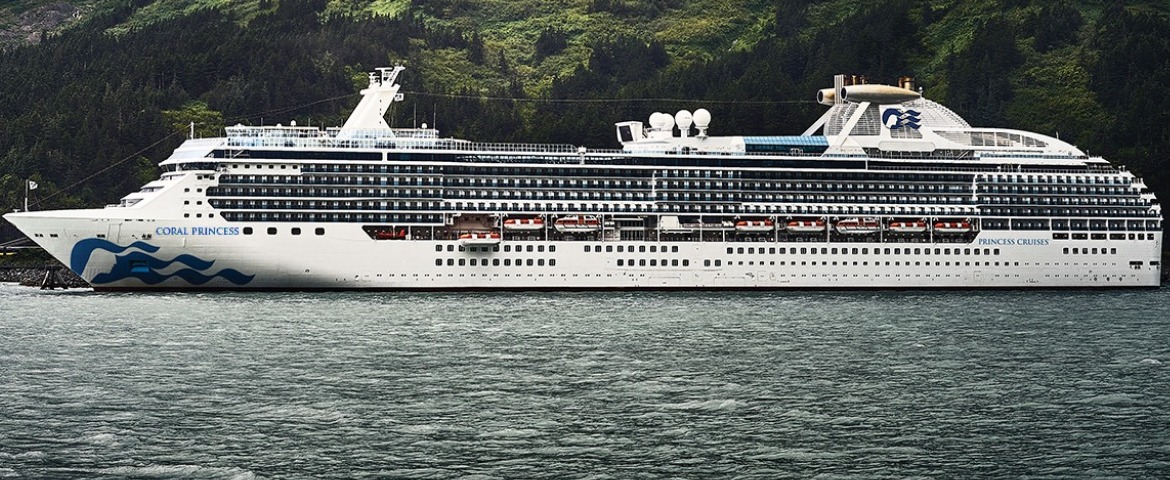
Princess Cruises (8 Cruises)
Coral Princess
8 Cruises

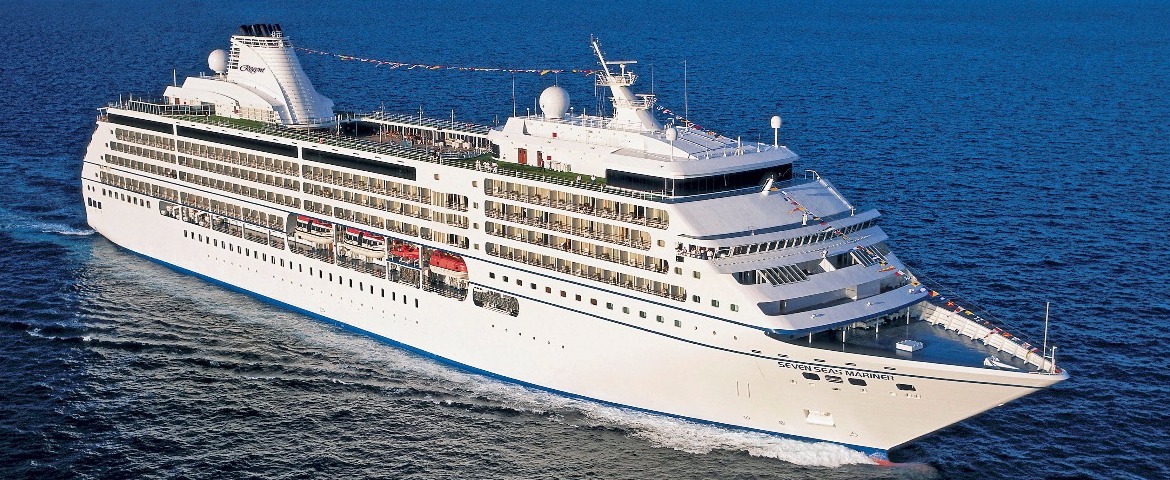
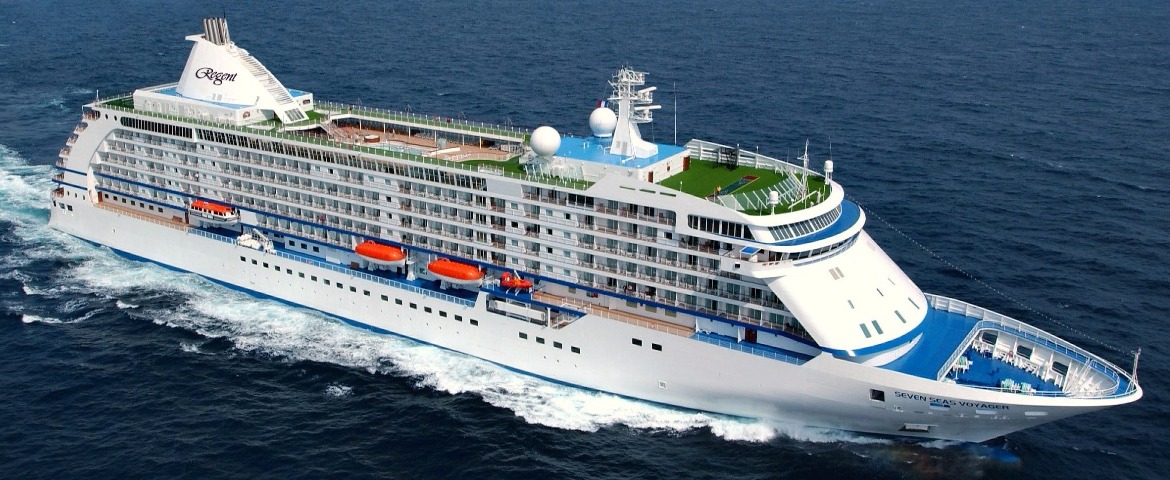
Regent Seven Seas Cruises (7 Cruises)
Seven Seas Mariner
5 Cruises

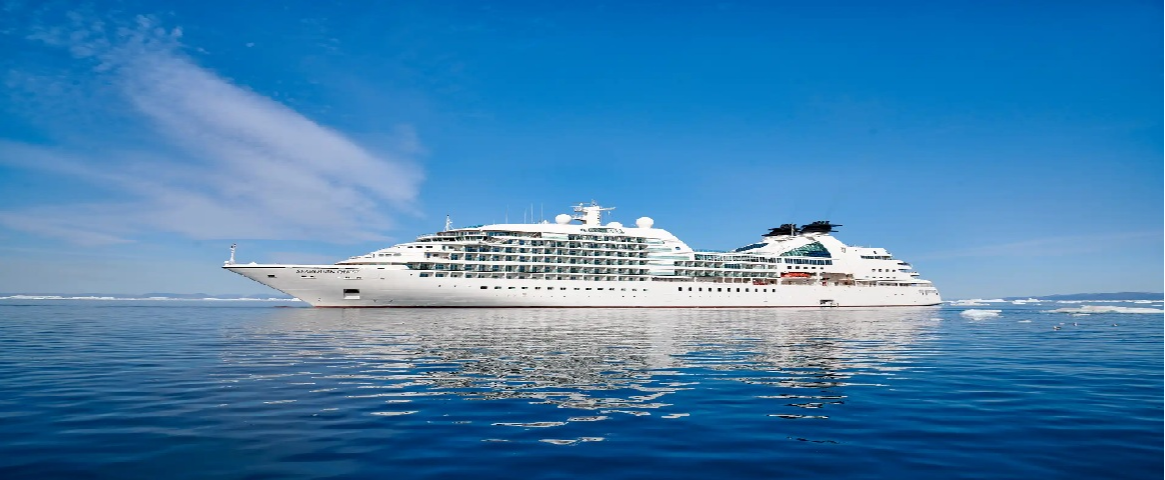
Seabourn Cruise Line (14 Cruises)
Seabourn Quest
14 Cruises

| 5 February | 53 days | One-way from Valparaiso-Santiago to Cape Town |
450-628-6241
Call us
|
| 5 February | 53 days | One-way from Valparaiso-Santiago to Cape Town |
450-628-6241
Call us
|


Port of Mossel Bay, South Africa | Cruise Port Guide
Frequently Asked Questions
It doesn't: ships anchor in the bay and passengers tender to the small harbour jetty. Everything that matters is then within walking distance of the landing.
Because in 1488 the Portuguese navigator Bartolomeu Dias anchored here to take on fresh water: the first documented European landfall on the South African coast. He named the watering place the aiguade of São Brás.
A seagoing replica of Dias's caravel, built in Portugal and sailed here in 1988 for the 500th anniversary of the voyage. You can go aboard and feel how cramped the deck is. Neighbouring halls cover maritime history, shells and local flora.
A gnarled old milkwood that served as South Africa's first post office: in the early 16th century sailors left letters beneath it for a passing crew to deliver. A boot-shaped box still takes visitors' mail, stamped with a special postmark.
Yes, at Santos Beach, a sheltered arc where swimming is gentle, which is rare on this swell-battered coast. At the other end, The Point has natural rock pools below the Cape St Blaize lighthouse.
Yes, from June to November: southern right whales come here to calve and are sometimes visible from shore. Outside that window, do not count on it.
Seal Island and its noisy, pungent Cape fur seal colony in the bay, on a trip of about an hour. Cage viewing of great white sharks is also offered, an unapologetic local speciality.
From the mussels Dutch crews gathered off the rocks. The sea has always fed this place's history, from Dias to today's oyster farmers.
The local oysters, farmed in these cold waters and served along the seafront. They are the bay's signature product, minutes from the landing.
Yes. The caravel draws children into the museum, Santos Beach is safe for swimming and everything is on foot. It is a simple call with no transfers and no long drives.


