Hualien Taiwan China
Taiwan
28
Cruises availables
At departure or passage at this port
Celebrity Cruises (2 Cruises)


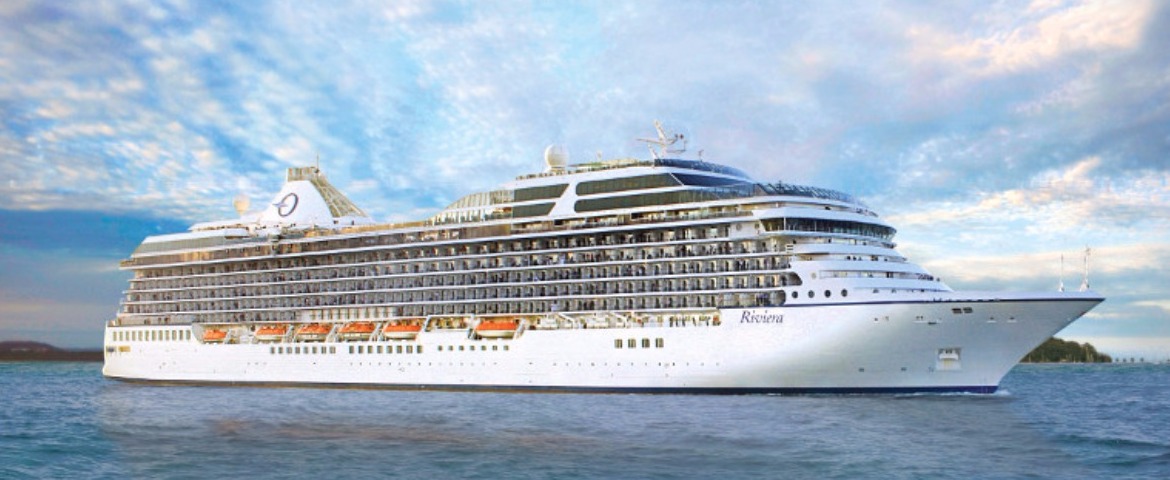
Oceania Cruises (3 Cruises)

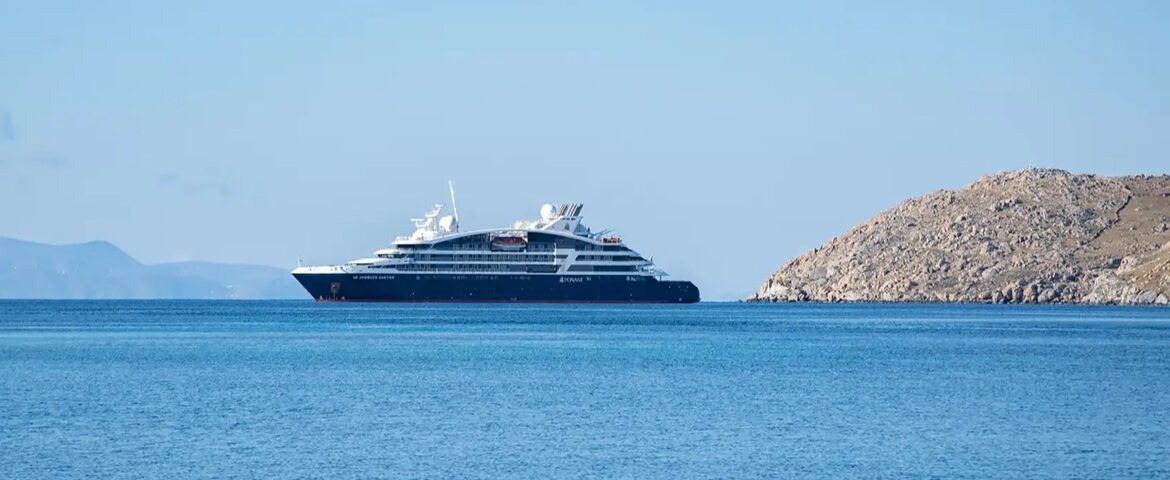
Ponant (2 Cruises)

Princess Cruises (6 Cruises)


Seabourn Cruise Line (15 Cruises)
Seabourn Encore
15 Cruises


Frequently Asked Questions
At the port of Hualien, a few kilometres from the town centre on the island’s east coast. Shuttles and taxis wait outside the terminal. The town is wedged between the peaks of the Central Range and the Pacific, and serves as the gateway to Taroko Gorge.
A marble canyon carved by the Liwu River, about 25 km north of the port, roughly 40 minutes by road. For some twenty kilometres the road pushes between grey and white marble walls that sometimes close to a slit of sky: hand-cut tunnels, walkways above turquoise water, temples clinging to cliffs.
Only partly. The April 2024 earthquake hit the area hard: several trails and landmark sites remain closed or under repair, while other zones have reopened. Excursions adapt to the accessible sectors — check with your cruise line what route is actually offered on the day of your call.
The East Rift Valley: a long agricultural plain pressed between two mountain ranges, alternating rice paddies, pomelo groves and small country railway stations. Some excursions divert there, and the landscape is worth seeing even when Taroko is open.
Not really. This arc of polished grey pebbles about 8 km from the port shelves steeply and is not made for swimming. You walk it at length, listening to the stones roll under the waves, fly kites, and grasp the island’s geography at a glance: mountains on one side, ocean on the other.
Taroko fills nearly the whole day once travel is counted: that is the main choice. Anyone preferring to stay near the port combines Qixingtan, the Pine Garden and the creative quarter in the former distillery. Attempting both means seeing neither properly.
A former Japanese military building on a knoll among century-old pines, with an open view over the river mouth. It recalls Taiwan’s half-century of Japanese rule and makes a good short stop in town.
The region remains one of the heartlands of Taiwan’s Indigenous peoples, notably the Amis and the Truku. Their patterns, music and cooking surface in shops and markets, and the wild boar skewers at the night market are the most direct example.
Hundreds of stalls: Indigenous wild boar skewers, dumplings, mountain fruit juices, carnival games. It is the Taiwanese version of the town square, loud and good-natured, where families eat late between rows of lanterns. It does require a call that runs into the evening.
The New Taiwan dollar. Cards work in established businesses, but cash remains useful in markets and at small stalls — especially at the night market, where nearly everything is paid in cash.


