Dikili Turkey
Turkey
19
Cruises availables
At departure or passage at this port
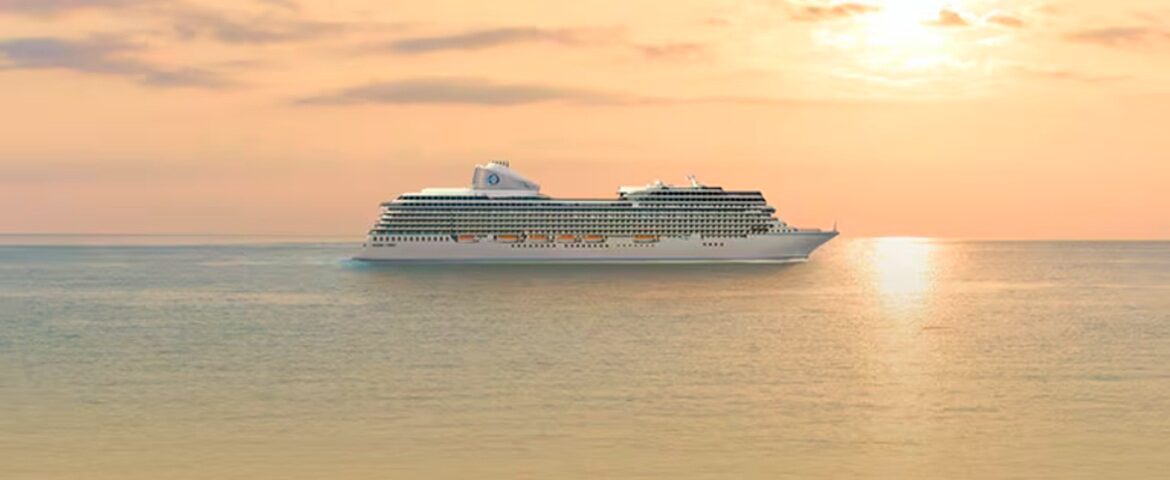

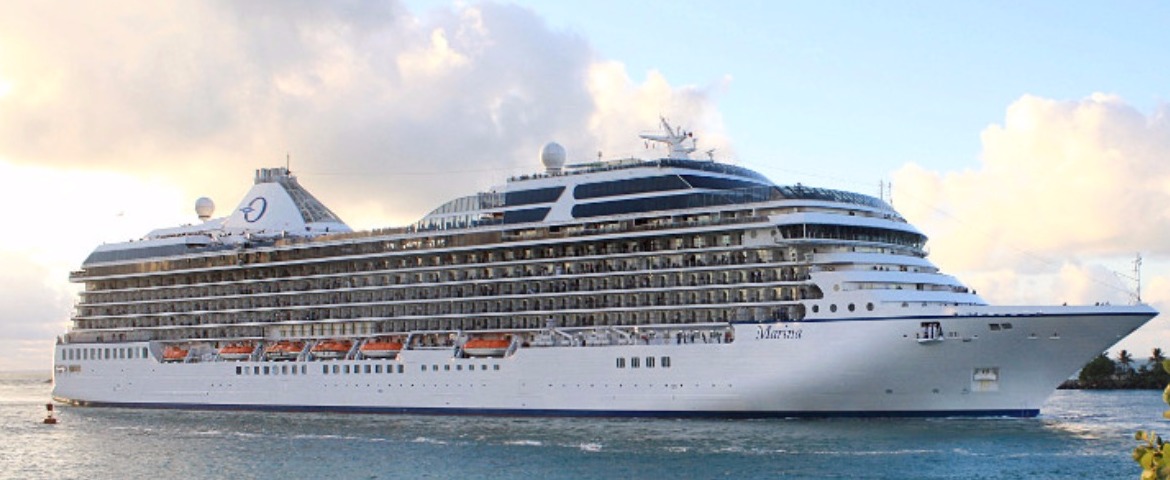
Regent Seven Seas Cruises (7 Cruises)
Seven Seas Mariner
7 Cruises
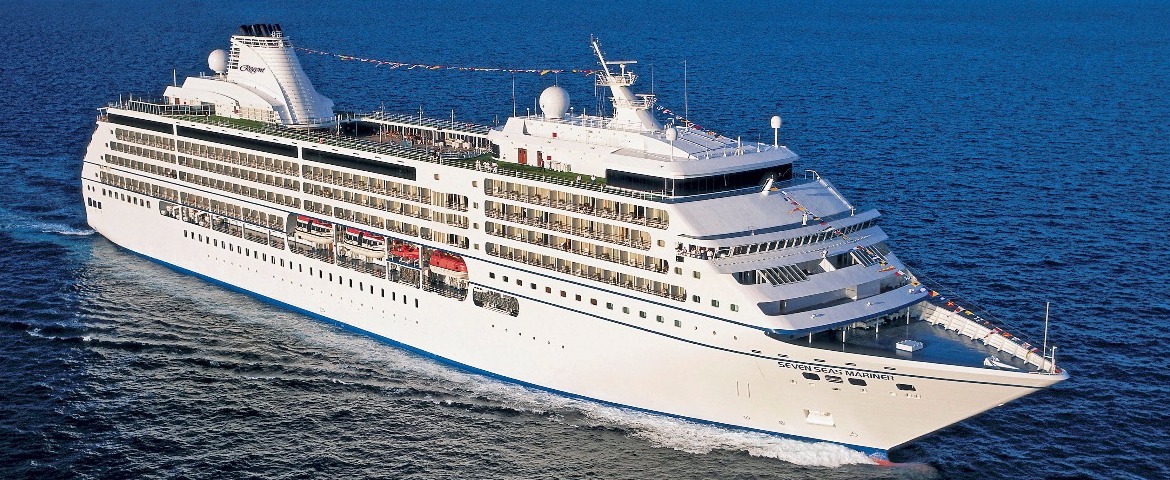

| 29 April | 175 days | One-way from New York to Piraeus-Athens |
450-628-6241
Call us
|
| 29 April | 174 days | One-way from New York to Piraeus-Athens |
450-628-6241
Call us
|
Star Clippers (9 Cruises)
Star Flyer
9 Cruises
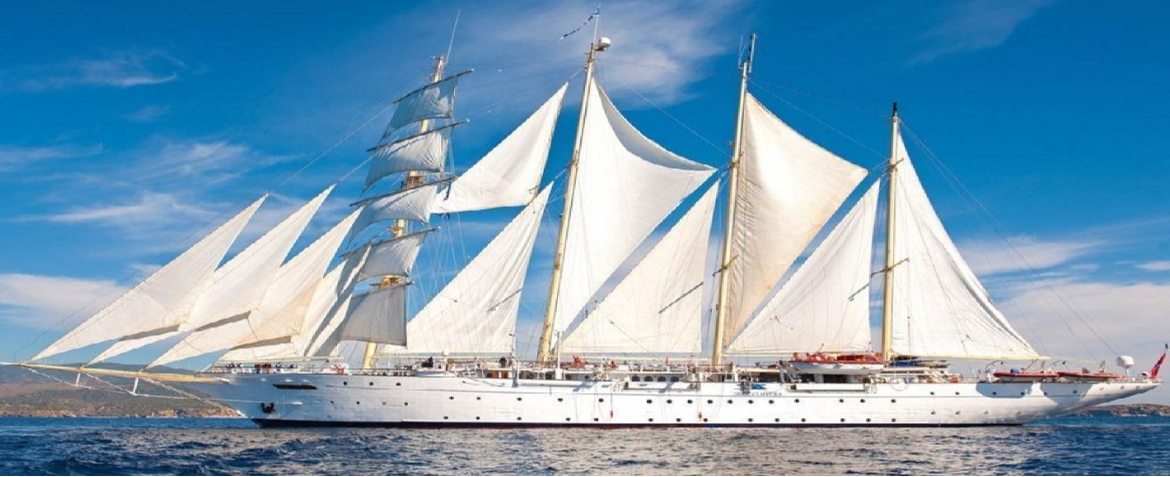

| 29 May | 11 days | One-way from Istanbul to Antalya |
450-628-6241
Call us
|
| 29 May | 12 days | One-way from Istanbul to Antalya |
450-628-6241
Call us
|
| 19 June | 8 days | One-way from Istanbul to Piraeus-Athens |
450-628-6241
Call us
|
| 19 June | 15 days | One-way from Istanbul to Piraeus-Athens |
450-628-6241
Call us
|
Frequently Asked Questions
At a jetty that leads almost directly into the town centre. There is no sprawling terminal here: a few steps and you're on the palm-lined seafront promenade, dotted with cafés. ATMs and pharmacies are a few minutes' walk away.
For Pergamon, about 26 kilometres and thirty minutes' drive away. The ancient capital of the Attalid kings, a UNESCO World Heritage site, tiers its monuments on a crag above the Caicus plain. It is the day's main event.
Dikili is closer and far more pleasant. Aliaga is an industrial coastline with no walkable town centre; Dikili is a small Aegean resort where you can stroll before or after the site. If your itinerary offers one or the other, that detail changes the quality of the day.
The theatre, clinging to the steepest slope in the Greek world, which gives vertigo to anyone who sits on its tiers. The temple of Trajan raises its white marble columns at the summit, and the foundations of the famous library recall the era when the city is said to have invented parchment to get around Egypt's papyrus embargo.
One of the most renowned healing sanctuaries of the ancient world, at the foot of the acropolis. The physician Galen, a local glory, practised there in the 2nd century. You walk its colonnaded sacred way, the pools, the small theatre and the tunnel where patients slept awaiting the dreams prescribed by the priests.
Pergamon takes most of it: allow three to four hours including the drive, the acropolis and the Asklepion. On your return, an hour is enough for the seafront promenade, tea facing the Greek islands and a wander through the cobbled centre.
Yes, on a clear day, with Lesbos foremost. Locals linger over tea on the waterfront watching the neighbouring Greek islands. It is one of the simple pleasures of this call, and it costs nothing.
Good shoes, water and a hat. The site is walked in full sun over polished, uneven paving, with significant height differences between the acropolis and the Asklepion. This is not a city visit; it is half a day of walking on ancient ground.
By the ship's excursion or a taxi negotiated at the jetty. Fix the price and the return time before setting off, and keep a comfortable margin before sailing: the road is short, but nothing replaces the ship if it leaves without you.
The Turkish lira, with cash for taxis, site tickets and fruit stalls. Turkish is spoken; English works with guides but is patchy in town. Dikili lives first for its own residents, which is exactly its charm and explains that reserve.


