Isle of Iona Scotland
United Kingdom

50 Cruises availables At departure or passage at this port
Isle of Iona, Scotland | Cruise Port Guide

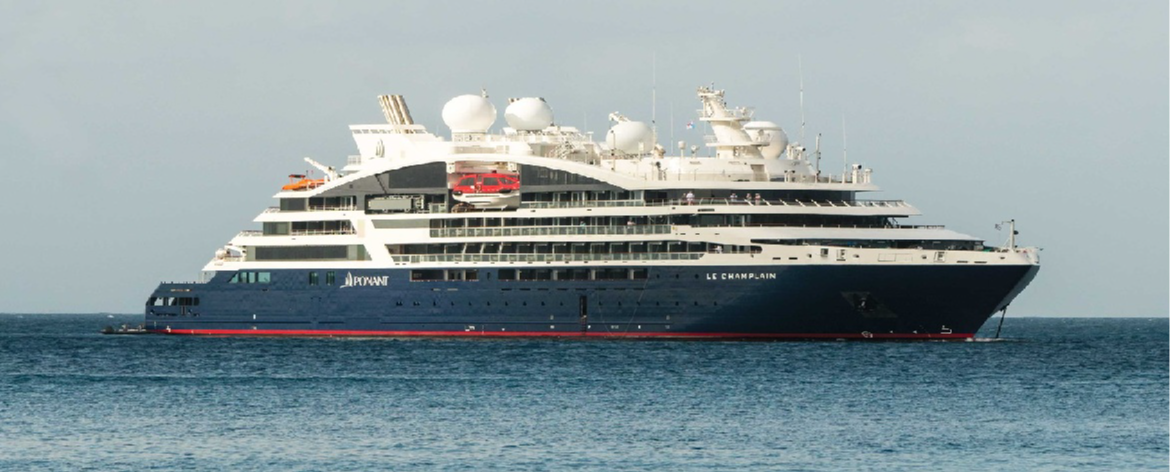
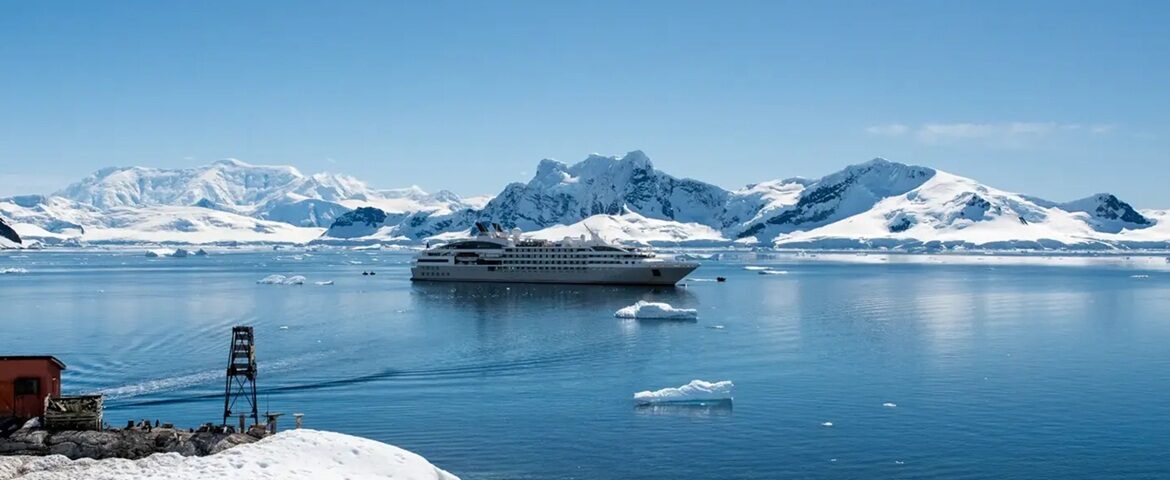
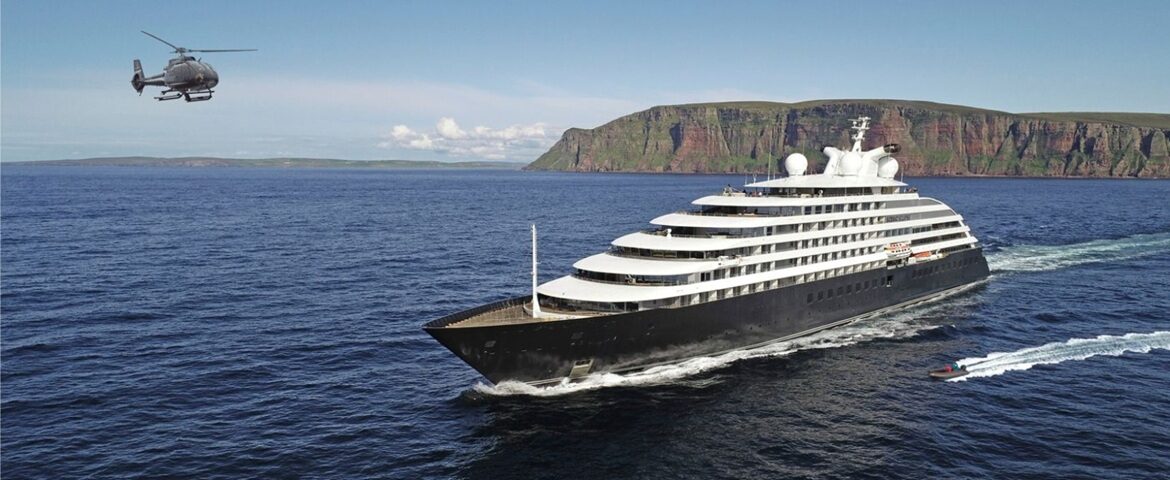
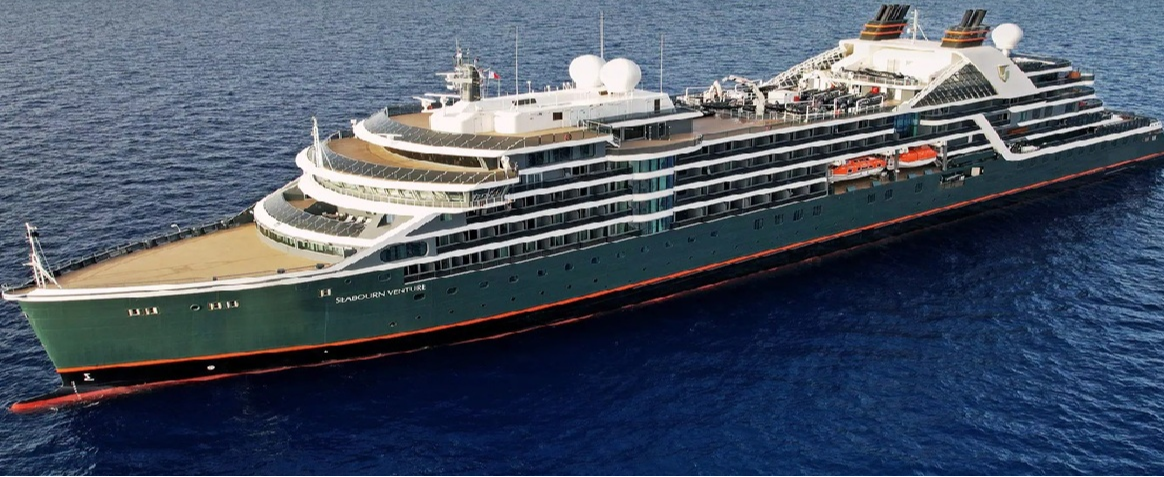
Few places this small have carried so much weight in a nation's history. Iona measures barely five kilometres by two, set facing the southwestern tip of Mull, and yet it was from here that Celtic Christianity spread across the whole of Scotland. In 563, an Irish monk named Columba landed here with twelve companions and founded a monastery that would become one of the great spiritual and intellectual centres of early medieval Europe. Ships anchor in the strait and bring passengers ashore by tender at a concrete ramp, right in the heart of the hamlet of Baile Mòr.

First Steps in Baile Mòr

The village amounts to a row of houses facing the sea, a few craft shops, a post office, and carefully tended gardens. The quiet strikes you right away: cars are rare, reserved for residents. From the landing, a single path runs north toward the abbey, about a ten-minute walk away. This route follows in part the "Street of the Dead," the medieval path funeral processions once took from Martyrs' Bay, just south of the hamlet, to the sacred burial ground.

The Nunnery and Its Pink Stones

The first stop on the way to the sanctuary: the ruins of the Augustinian nunnery, founded around 1200. Its pink granite walls, open to the sky, frame carefully kept lawns and flower beds. The place invites you to slow down. Many hurried visitors pass through without stopping; those who take five minutes find one of the best-preserved women's monastic complexes in Britain.

The Abbey and the Kings' Graveyard

The present abbey, restored over the course of the 20th century, stands on the site of Columba's original monastery. At its foot lies the Reilig Odhrain, the graveyard where tradition places the burials of Scotland's earliest kings, including Macbeth, made famous by Shakespeare. St Oran's Chapel, built in the 12th century, is the oldest intact building here. In front of the abbey church stand tall Celtic crosses carved more than a thousand years ago, while the museum holds the finest collection of early medieval carved stones in Scotland. It was likely here that the Book of Kells was illuminated, now kept in Dublin, before Viking raids forced the monks into exile. Since 1938, an ecumenical community has brought the place back to life; you'll come across its members around the cloister, and services open to all still mark the rhythm of the day, as they have for fourteen centuries.

Beyond the Sanctuary

Iona isn't limited to its sacred stones. To the north, a fifteen-minute walk leads to white sand beaches where the water takes on shades more evocative of the tropics than the North Atlantic. The sand squeaks underfoot, and sheep sometimes graze right up to the edge of the dunes. Corncrakes, birds that have grown rare in Britain, nest in the nearby fields, their rasping call accompanying walkers in early summer. The more adventurous can climb Dun I, the modest 101-metre hill behind the monastery: thirty minutes of effort for a view over the entire strait, Mull on one side, the open ocean on the other.

A Light That Lingers

The monks spoke of Iona as a "thin place," where the boundary between the visible and the invisible grows faint. You don't need to be a believer to sense something of that kind: the shifting light over the strait, the silence between gusts of wind, the weathered patina of the thousand-year-old crosses are enough on their own. Heading back to the tender, many passengers turn for one last look at the abbey's squat tower. Fourteen centuries of pilgrimage have left their mark on this place, and a few hours' stop are enough to carry away a fragment of it.

Frequently Asked Questions

Ships anchor in the sound separating Iona from Mull and land passengers by tender on a concrete ramp in the heart of the hamlet of Baile Mòr. The abbey is about ten minutes' walk to the north.
Yes, entirely: the island measures barely five kilometres by two and cars are rare, reserved for residents. A single track links the landing to the abbey, following in part the "Street of the Dead", the medieval route of funeral processions.
The abbey, the nunnery and the burial ground of the kings fill three hours including the museum. The rest of the time is spent walking: the hamlet, Martyrs' Bay just to the south, and the pale sand beaches of the west coast for those who go further.
Because in 563 an Irish monk named Columba landed here with twelve companions and founded a monastery that became one of the great spiritual and intellectual centres of early medieval Europe. It was from here that Celtic Christianity spread across Scotland.
The present abbey, restored during the twentieth century, stands on the site of Columba's monastery. Before the church rise tall Celtic crosses carved more than a thousand years ago, and the museum holds the finest collection of early medieval carved stones in Scotland.
The graveyard at the foot of the abbey where tradition places the tombs of the earliest kings of Scotland, including Macbeth, made famous by Shakespeare. St Oran's Chapel, built in the twelfth century, is its oldest intact building.
It was most likely illuminated here, before Viking raids forced the monks into exile. The manuscript is now kept in Dublin, so on Iona you see the place of its creation, not the object itself.
Yes. Since 1938 an ecumenical community has kept the place alive; you meet its members around the cloister, and services open to all still mark the day, as they have for fourteen centuries. The Augustinian nunnery, founded around 1200, is by contrast a ruin — its pink granite walls are among the best-preserved women's monastic remains in Britain.
Yes, though it is a call for contemplation rather than activity. The Celtic crosses, the burial ground of the kings and the west coast beaches interest children who enjoy history. Stillness is the dominant note: cars are rare and the silence real.
Pounds sterling and English, with Gaelic present in the place names. The best window runs May to September, for the long days and a kinder sea: passengers land by tender in the sound and the call depends on conditions.