South Georgia Island Grytviken, South Sandwich Islands UK
United Kingdom

124 Cruises availables At departure or passage at this port

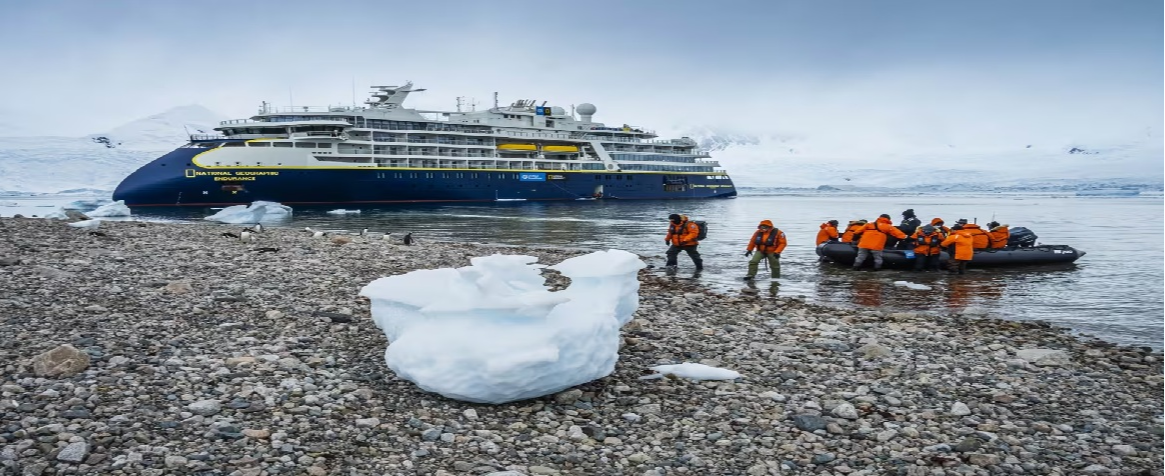
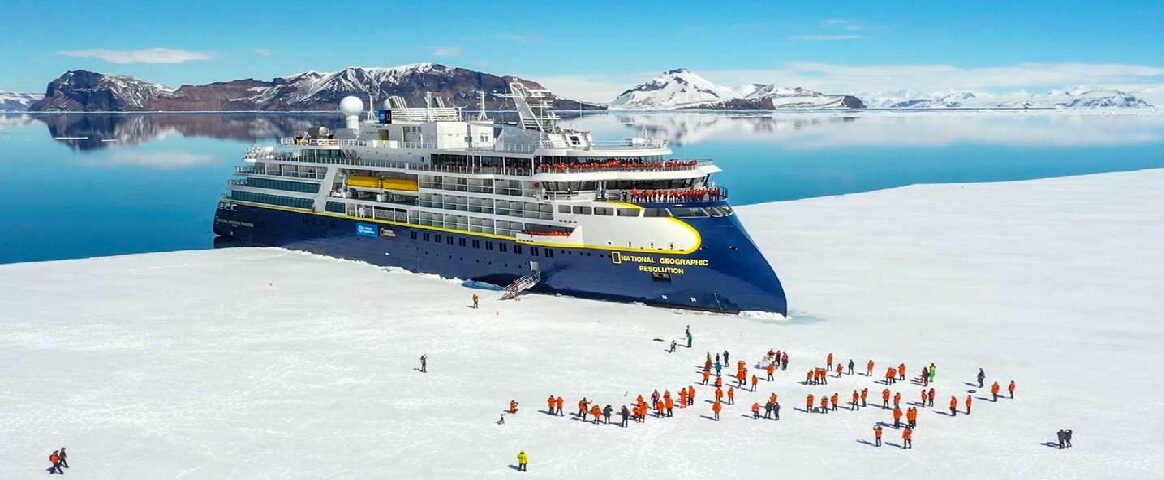
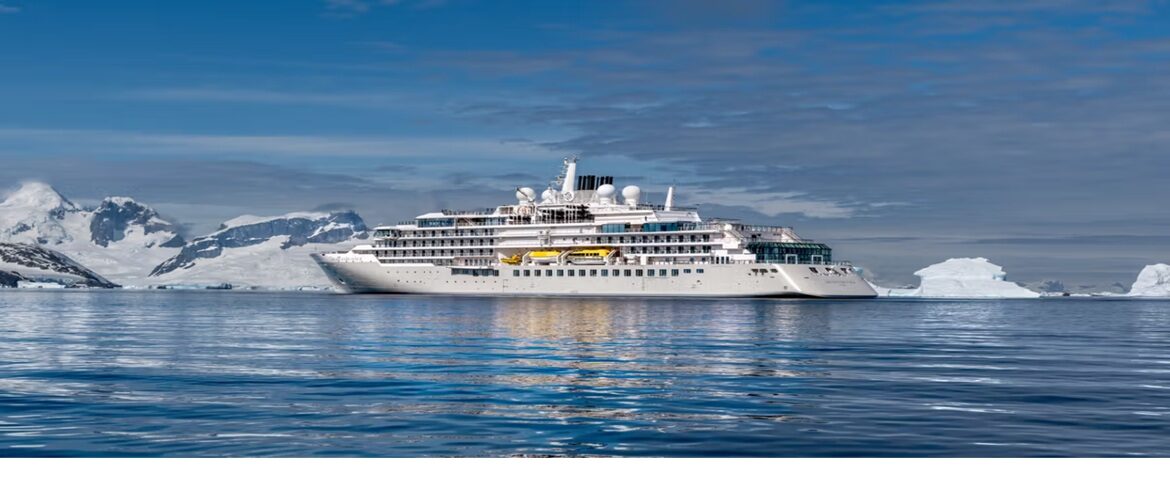
Lindblad Expeditions (19 Cruises)

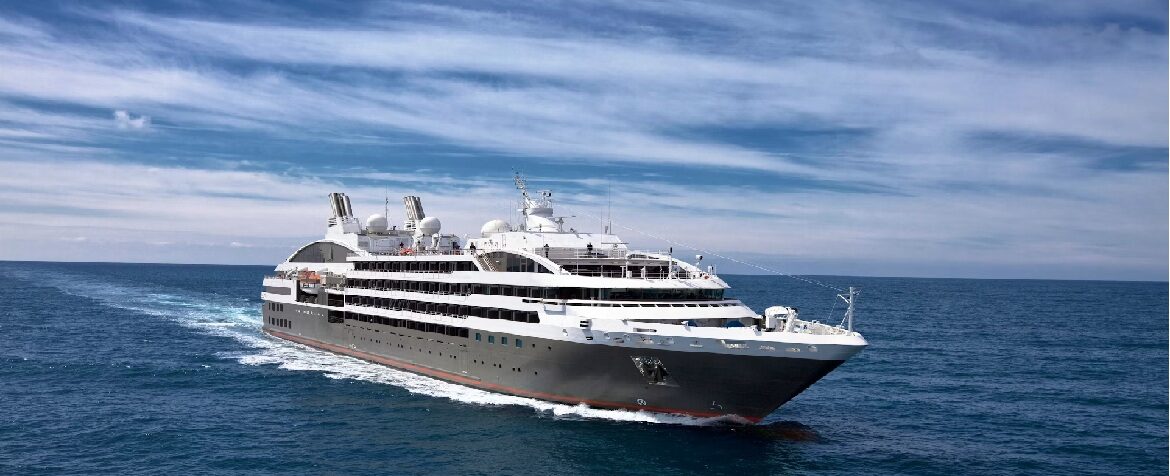
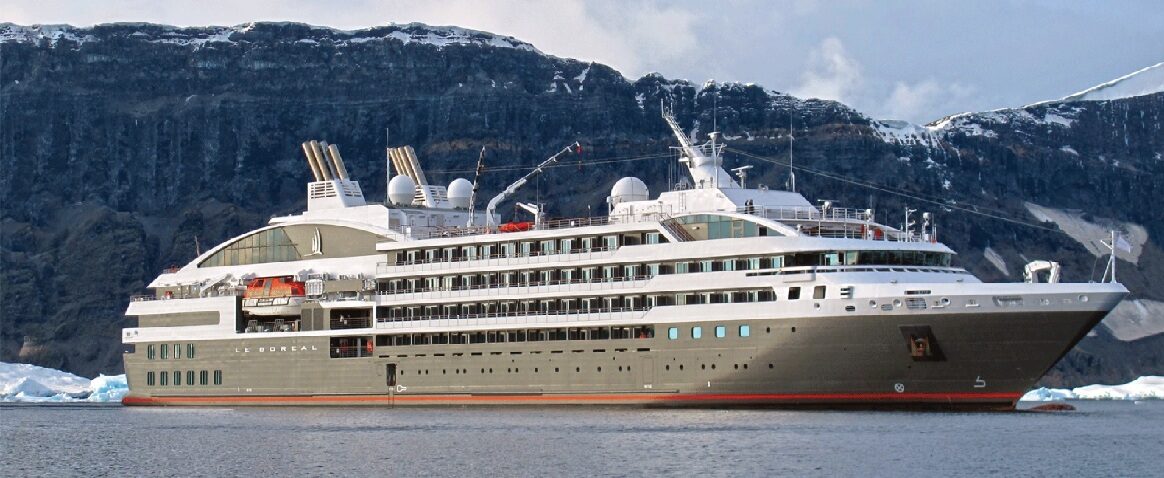
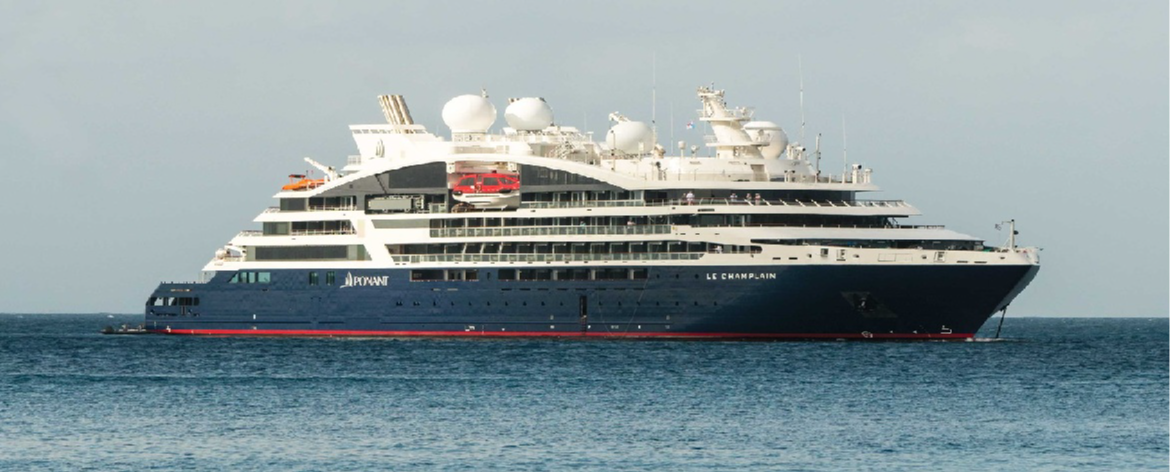
Ponant (13 Cruises)

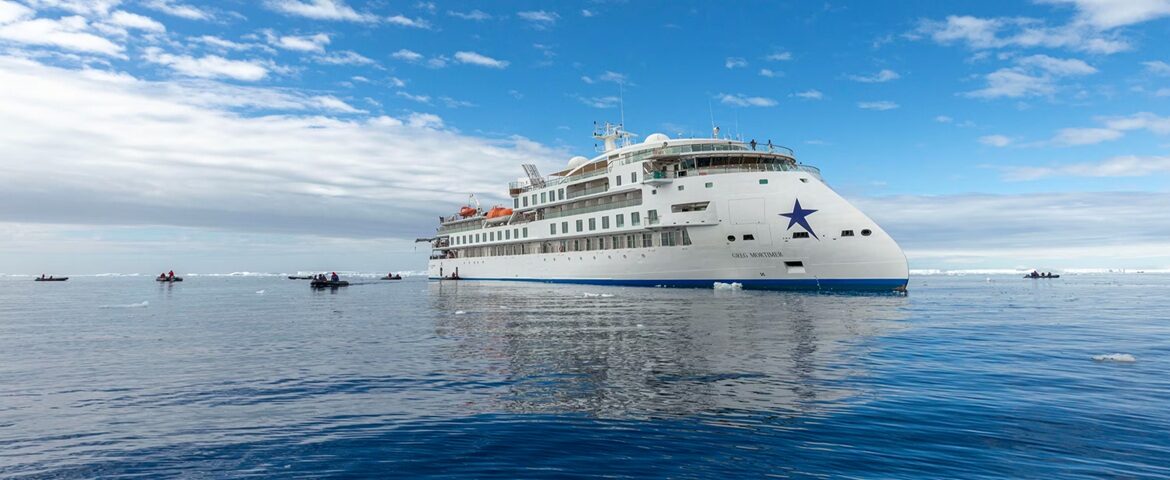
Scenic Cruises (40 Cruises)

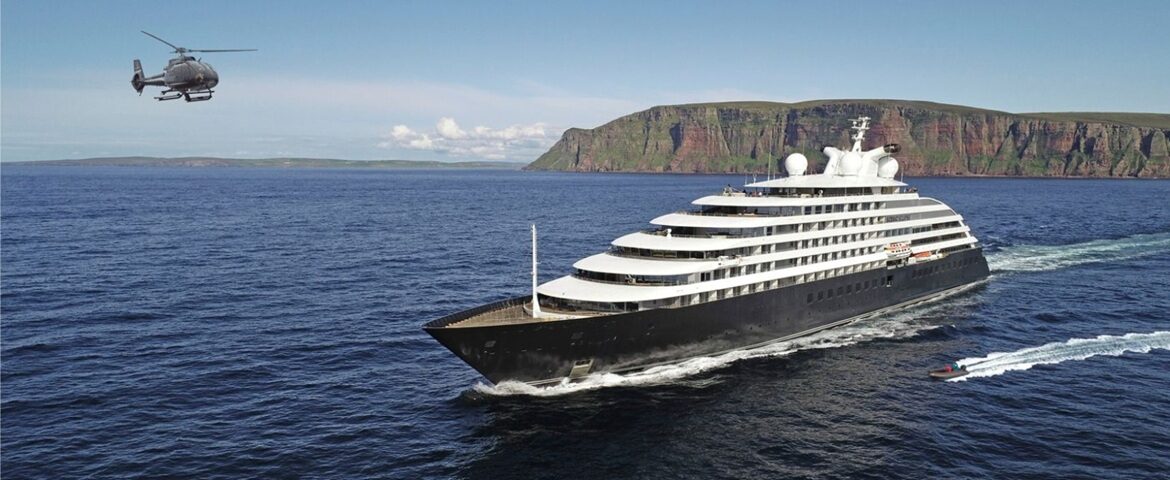
Scenic Eclipse

Scenic Eclipse

228 Passengers
17 tons
Visit the ship's page
Scenic Eclipse II.

Scenic Eclipse II

228 Passengers
17085 tons
Visit the ship's page

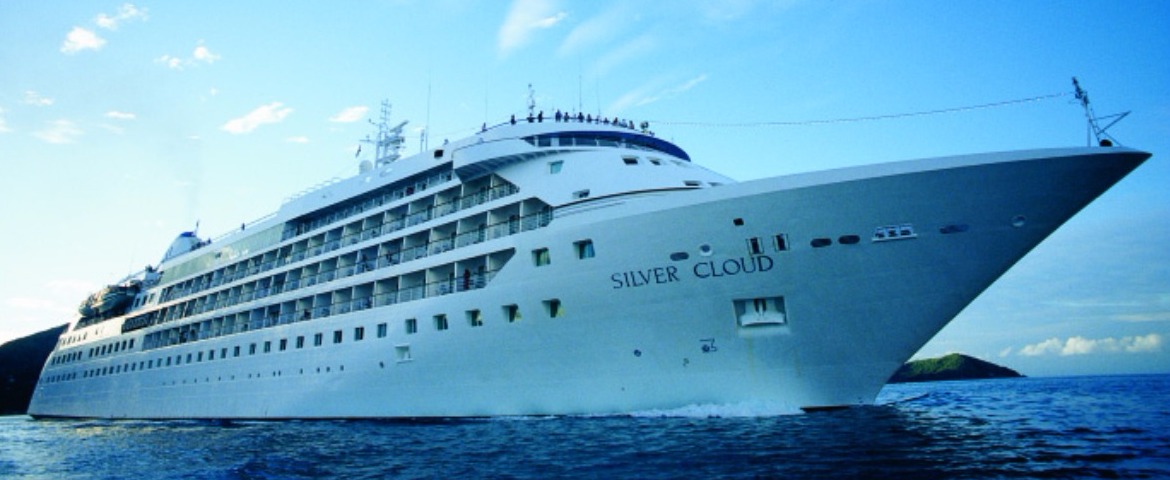
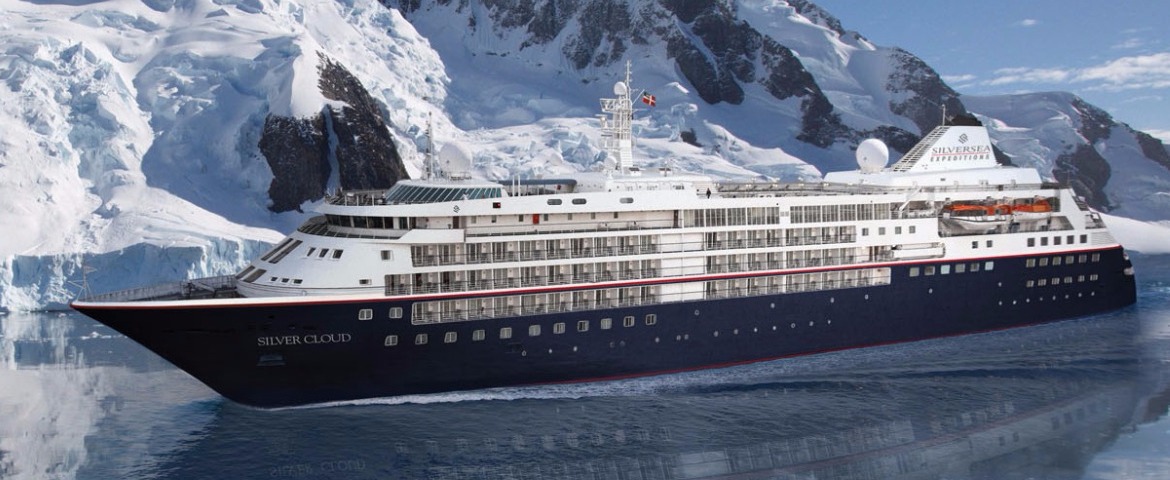
Silversea Cruises (26 Cruises)

Grytviken, South Georgia | Cruise Port Guide

Not so long ago, the most numerous residents of Grytviken were whalers. Today they're king penguins and fur seals, which have reclaimed the beaches between the rusting tanks. South Georgia, a sub-Antarctic island lost in the South Atlantic, raises its icy mountains days of sailing from any inhabited land, and its former whaling station remains one of the most history-laden port calls in the southern seas.

Arriving at the head of Cumberland Bay

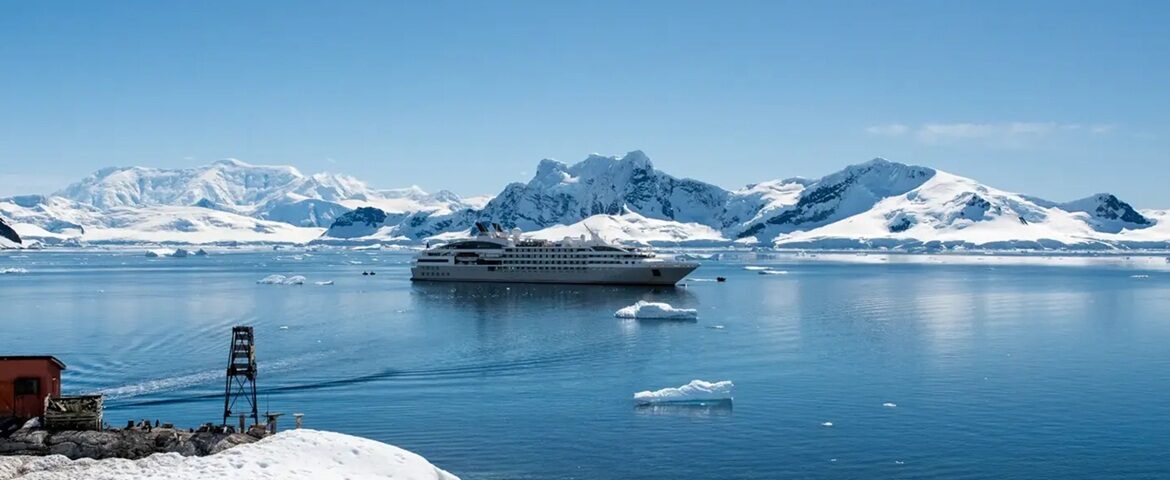
Expedition ships anchor in King Edward Cove, a sheltered fold of Cumberland Bay overlooked by snow-capped peaks plunging straight into the water. Landing is by Zodiac, after the biosecurity checks that have become the rule here: boots disinfected, Velcro brushed by hand, pockets and bags checked one by one. The island carried out one of the largest rodent eradication operations in the world to protect its birds, and every visitor shares in this vigilance. On the beach, the welcoming committee is immediate: grunting fur seals, elephant seals sprawled in heaps and indifferent king penguins. Close by, the buildings of King Edward Point house the small British research station that administers the territory.

The frozen whaling station

Founded in 1904 by Norwegian whalers, Grytviken operated for some sixty years before being abandoned to the winds. Today you walk among the secured remains: blubber cookers, bulging tanks, frozen winches, stranded whale catchers whose ribs bleach like skeletons. Everything tells of the industry that decimated the great southern whales, and of the silence that followed. The contrast between this rust and the animal life teeming all around gives the place a power that no photograph quite captures.

The museum, the church and the post office at the end of the world

In the former manager's villa, the South Georgia Museum brings together harpoons, diving suits, everyday objects of the whalers and sections devoted to wildlife and exploration. A few steps away, the small white Norwegian church, assembled in 1913 from prefabricated parts, keeps its wooden pews and memorials; you can ring its bell. The nearby postal counter lets you send a card bearing the territory's stamps, which will take weeks to reach its destination, and that's just fine.

A toast to Shackleton

Grytviken is inseparable from Ernest Shackleton, who died aboard his ship in this harbour in January 1922, at the start of his last expedition. His granite grave lies in the small whalers' cemetery, facing the bay. Tradition has visitors gather there to raise a glass to the Boss, whose Endurance saga, shipwreck, drift and rescue without a single loss of life, remains one of the greatest survival stories ever lived. Many leave the cemetery quieter than when they entered.

Wildlife in abundance

Around the buildings, the grassy slopes host pairs of gentoo penguins, giant petrels and playful young fur seals that sometimes need to be given a wide berth. Depending on the itinerary, the port call is combined with other sites on the island, where king penguin colonies number in the tens of thousands, a swell of orange and brown heads rippling across the beaches as far as the eye can see. South Georgia lives up to its nickname, the Serengeti of the South.

Back to the southern ocean

When the Zodiacs return to the ship, the mountains hold the last light and the station falls back into its one-on-one with the animals. You leave Grytviken with a particular gratitude: that of having seen a place where human history, both grandiose and guilty, is slowly fading before a nature that has survived everything.

Frequently Asked Questions

In King Edward Cove, a sheltered arm of Cumberland Bay overlooked by snow-covered peaks that drop straight into the water. Landing is by zodiac; no berth exists for cruise ships.
Yes, and they are thorough: boots disinfected, velcro brushed by hand, pockets and bags checked one by one. South Georgia carried out one of the largest rodent eradication operations in the world to protect its birds, and every visitor takes part in maintaining that.
The welcome is immediate: growling fur seals, elephant seals sprawled in heaps and wholly indifferent king penguins, settled among the rusted tanks of the old whaling station. Just beyond, King Edward Point houses the small British research station that administers the territory.
A plant founded in 1904 by Norwegian whalers and worked for some sixty years before being abandoned. Today you walk among the stabilised remains: blubber cookers, bulging tanks, seized winches and beached whale catchers whose ribs bleach in the wind.
The South Georgia Museum, in the former manager's villa, gathers harpoons, diving suits and everyday objects of the whalers. A few steps away, the small white Norwegian church, erected in 1913, keeps its wooden pews and you may ring the bell. The neighbouring post counter lets you send a card with territory stamps.
Yes. Ernest Shackleton died aboard his ship in this anchorage in January 1922, and his granite grave stands in the small whalers' cemetery facing the bay. Tradition has visitors gather there to raise a glass to the Boss.
Waterproofs, several layers and rubber boots, supplied by most expedition ships. Subantarctic weather turns in minutes, and a wet zodiac landing is part of the programme.
Guides set minimum distances and enforce them strictly, especially around fur seals, which charge readily during the breeding season. Animals have right of way: it is the visitor who steps aside.
Sterling and English. The museum and post counter take cards, but the connection can be temperamental, so keep another means of payment. There are no shops beyond those two points.
The southern summer, November to March, the only window when expedition ships reach the island. Early in the season king penguins are incubating; later the beaches fill with young. Landing always remains conditional on the weather.