Baltimore Maryland

201 Cruises availables At departure or passage at this port

American Cruise Lines (70 Cruises)
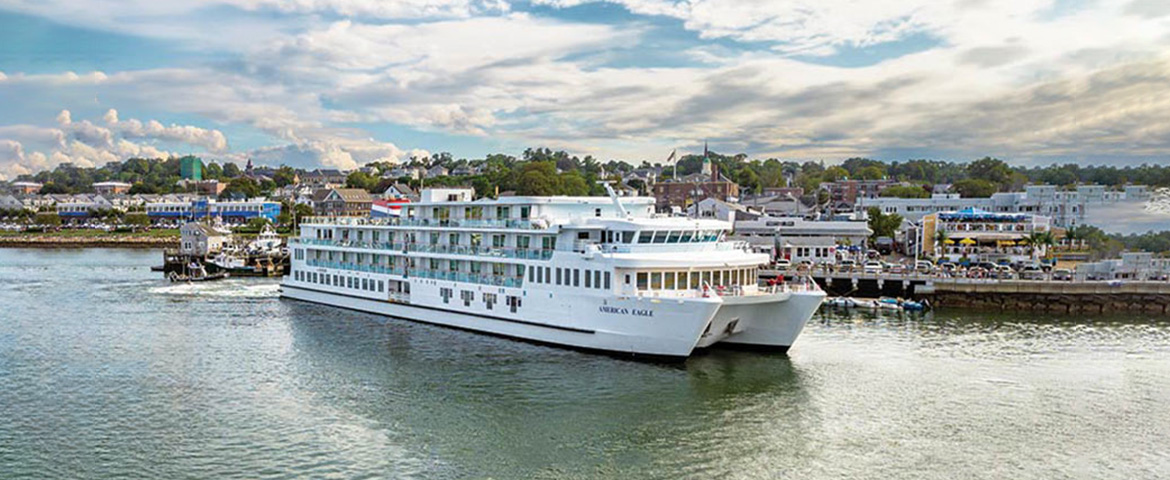
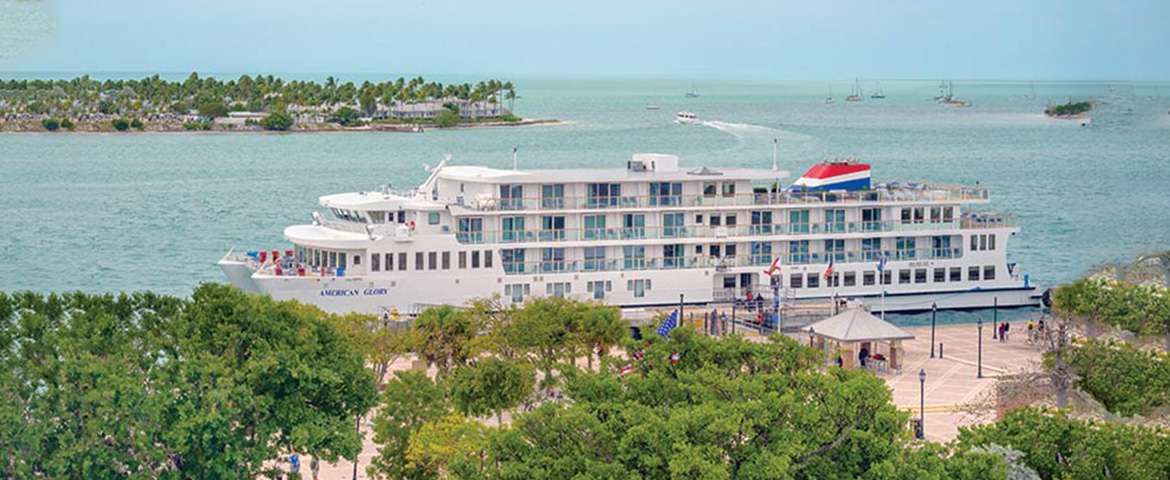
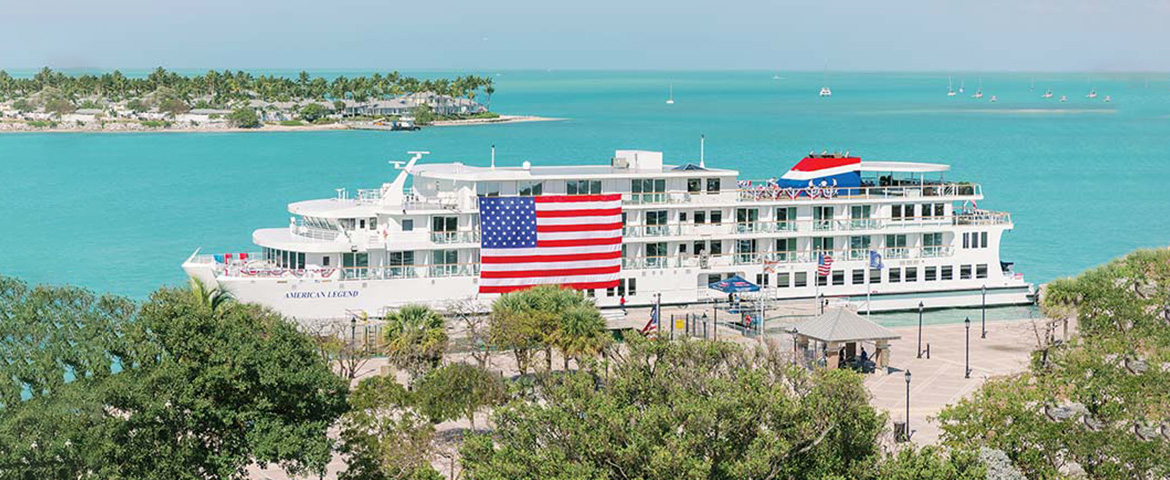
American Legend

Visit the ship's page

Carnival Cruise Line (89 Cruises)

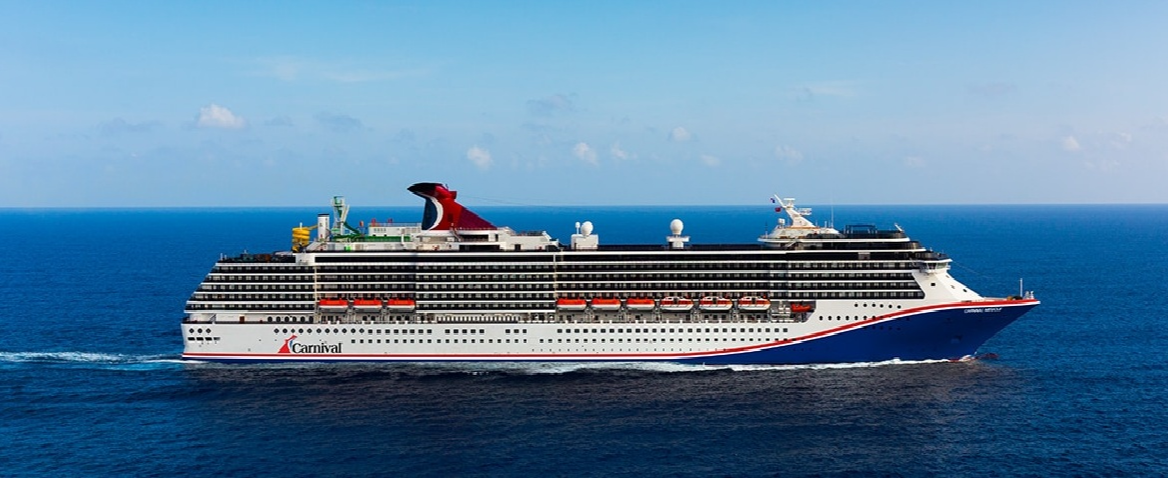
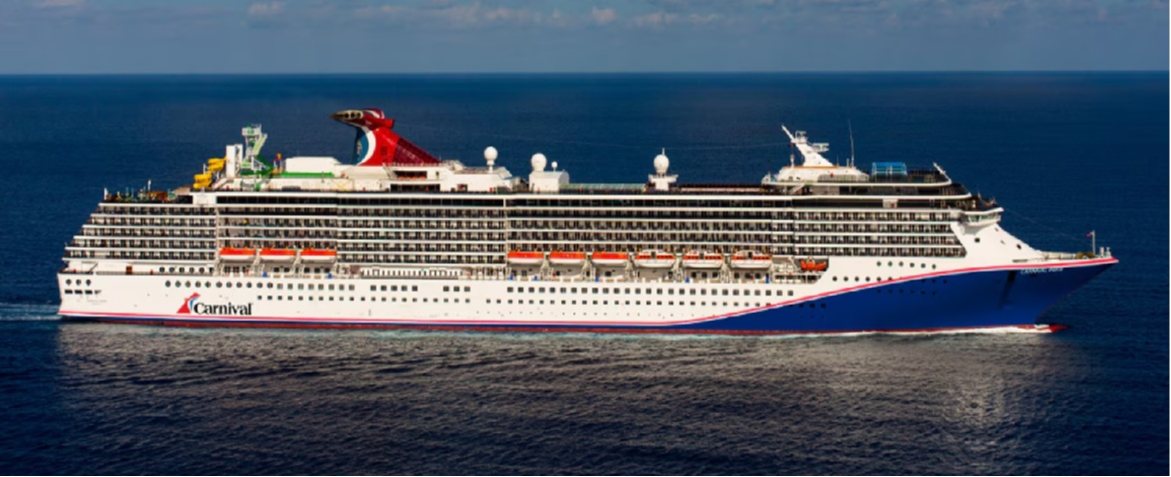
Carnival Pride.

Carnival Pride

2134 Passengers
88500 tons
Visit the ship's page

Royal Caribbean Cruises (29 Cruises)

royal caribbean vision of the seas cruise ship

Vision of the Seas

2048 Passengers
78340 tons
Visit the ship's page

It was here, on a night in 1814, that a young lawyer held aboard a ship watched the American flag still flying at dawn over a bombarded fort, and from that moment wrote the verses that became the anthem of the United States. Baltimore has never stopped being a city of water and history. Your ship sails up Chesapeake Bay, one of the largest estuaries in North America, past wooded shores dotted with lighthouses, before entering the Patapsco River and docking at the cruise terminal south of downtown. From there, about fifteen minutes by taxi is all it takes to reach the Inner Harbor, around which the city has completely reinvented its waterfront.

Fort McHenry, Just Minutes from the Dock

Starting with Fort McHenry makes perfect sense: the national monument sits about 2.5 kilometres from the berth, just a few minutes away by road. This star-shaped fort has guarded the entrance to the harbour since the late 18th century, and it was its survival through the British bombardment of 1814 that inspired "The Star-Spangled Banner." Visitors can walk the grassy embankments, the casemates and the powder magazine, then pause facing the harbour, right where the enormous flag snaps in the wind. Park rangers tell the story of the battle with a storyteller's flair that brings the visit to life, even for those with little knowledge of American history. The site's understated, vivid retelling gives a real sense of what that night means to Americans.

The Inner Harbor, a City Facing the Water

The Inner Harbor lines its brick promenades around a basin shared by sailboats, water taxis and museum ships. The National Aquarium draws crowds with rays gliding through its large tanks, sharks, and a re-created rainforest under glass, where sloths hide among the branches; families often follow up with the Maryland Science Center, with its dinosaurs and IMAX theatre. In between, the docks invite a leisurely stroll from one pier to the next, coffee in hand, while water taxis crisscross the harbour. The whole area is easy to explore on foot, and there's no shortage of tasty stops along the waterfront pavilions.

Fells Point, Cobblestones and Taverns

About a kilometre and a half east of the harbour, the Fells Point neighbourhood keeps its cobblestone streets, narrow 19th-century houses and old sailors' taverns. This is where the fast schooners that made Baltimore's privateers famous were once built, and that maritime spirit still lingers between the lampposts and brick facades. Today, the wharves are home to cafés, bookshops, antique shops and counters serving Maryland's signature crab cakes right by the water. The neighbourhood is reached by water taxi from the harbour docks, and the crossing itself, past tugboats and brick warehouses, is worth the trip on its own.

Baltimore Port Call at a Glance

RouteDistance or time
Terminal to Fort McHenryAbout 2.5 km, a few minutes by taxi
Terminal to Inner Harbor10 to 15 minutes by taxi
Inner Harbor to Fells PointAbout 1.5 km, on foot or by water taxi

One Last Taste of Maryland

Before heading back to the dock, treat yourself to a golden-brown crab cake or a dozen Chesapeake oysters, served without fuss on a wooden table, with the spicy seasoning Maryland has made its signature. Baltimore tells its story through these simple pleasures as much as through its forts and museums: a port city with a straightforward character, proud of its flag and its bay. As the ship casts off, thoughts turn back to that young lawyer from 1814, and it's hard not to glance back one more time, searching for the star-spangled banner above the ramparts.

Frequently Asked Questions

At the cruise terminal south of downtown, after sailing up Chesapeake Bay and into the Patapsco River. About fifteen minutes by taxi takes you to the Inner Harbor.
Not advisable: the terminal sits in a working port area and the link is by taxi, roughly fifteen minutes. Once at the Inner Harbor, everything is walkable.
Fort McHenry first, about 2.5 kilometres from the berth, then the Inner Harbor and its reinvented waterfront. Museums and the aquarium line the basin if time allows.
Because on a night in 1814 a young lawyer held aboard a ship saw the American flag still flying at dawn over a bombarded fort, and wrote the lines that became the United States anthem. The star-shaped work has guarded the harbour entrance since the late 18th century.
The ship sails up Chesapeake Bay, one of North America's largest estuaries, past wooded shores dotted with lighthouses, then turns into the Patapsco River. It is a slow entrance, worth watching from the deck.
The inner basin around which Baltimore reinvented its waterfront: promenade, museums, museum ships and restaurants. It is the reference point for any call in the city.
The US dollar, cards accepted everywhere. Sales tax is added at the register and tipping is expected American-style in restaurants and taxis.
Yes, the Inner Harbor being built for it: aquarium, science museum and ships to board follow one another on foot. As in any large American city, stick to the busy areas.
Both, but mainly a home port: the terminal starts cruises to Bermuda, the Caribbean and New England. Some Chesapeake itineraries simply call here.
May through October, with a preference for May, September and October: a Maryland summer is hot and humid. Autumn adds colour along the bay.