Cape Cod Canal Massachusetts

86 Cruises availables At departure or passage at this port

American Cruise Lines (56 Cruises)
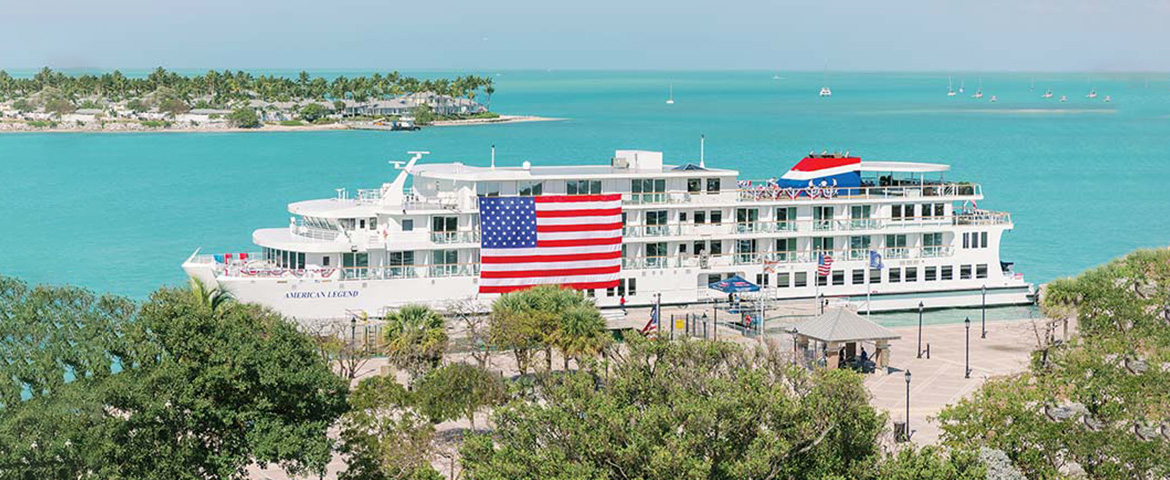
American Legend

Visit the ship's page

American Pioneer

Visit the ship's page

This stop involves no dock and no landing: the Cape Cod Canal is experienced from the deck, coffee in hand and elbows on the railing, and that's exactly what makes it so unique. For a little under an hour, the ship glides through a calm channel of water cut through the base of the Massachusetts peninsula, close enough to shore that you can make out cyclists, and passersby wave hello. Regulars know the drill: get up on deck early and stake out a spot at the railing, because this moment ranks among the highlights of New England itineraries.

A Shortcut Dreamed of for 250 Years

The idea of cutting a passage through the isthmus dates back to the earliest colonists: going around the peninsula by open sea added hours to the trip and exposed ships to the shoals that wrecked hundreds of hulls over the centuries. Financier August Belmont Jr. finally launched construction in 1909, based on plans by engineer William Barclay Parsons, and personally led the first crossing in 1914. Later widened and deepened, the waterway has been managed since 1928 by the US Army Corps of Engineers. The detour it spares ships runs to 217 kilometres: it's easy to see why some 14,000 vessels use it every year.

What You See from the Railing

The canal itself stretches about twelve kilometres, including its approaches, between Cape Cod Bay to the north and Buzzards Bay to the south. The banks, remarkably green and close at hand, follow one after another like a long linear park: service roads turned into bike paths, anglers stationed on the riprap, lookout points, and picnic areas. Along the Cape side, the grey rooftops of Sandwich roll by, one of the peninsula's oldest towns, founded in 1637, with its small lighthouse and salt marshes. Keep an eye out: seals and cormorants frequent the eddies, and birds of prey patrol the banks. The current, which reverses with the tides, explains why transit times vary from one crossing to the next: captains prefer to have it with them rather than against them.

Three Bridges, Three Signatures

Passing beneath the bridges marks the rhythm of the journey. The Bourne and Sagamore road bridges, twin steel structures inaugurated in 1935, arch high above the channel. The most spectacular, though, remains the Buzzards Bay railroad bridge: its two 84-metre towers frame a lift span that ranks among the longest of its kind in the world, lowered only when a train needs to pass. Seen from the ship, the structure looks like a monumental gate standing at the canal's southern entrance.

Making the Most of the Passage

  • Check the ship's daily program the evening before: the exact transit time varies with the tide and current.
  • Settle onto an open upper deck, binoculars around your neck, on whichever side appeals to you; both banks are equally rewarding.
  • A sweater comes in handy even in summer: the early morning air stays cool on the water.
  • Photographers will want to catch the views beneath the arches and the reflections of early morning or late afternoon light.

The Art of Slow Travel

There's something soothing about passing through an inhabited landscape at reduced speed, close enough to sometimes hear a dog bark on shore or catch snatches of fishermen's conversation. The Cape Cod Canal is a reminder that a cruise isn't just about its ports of call: some of the finest moments happen underway, between one stop and the next. When the ship reaches open water again and picks up speed, many passengers stay leaning on the railing, watching the arches recede, with the feeling of having been let in on a sailor's secret.

Frequently Asked Questions

No. The Cape Cod Canal is not a port call but a transit: there is no pier and no landing. You experience it from the ship's decks during a passage of about an hour.
To avoid rounding the peninsula in open water, a detour that added hours and exposed vessels to the shoals. The canal saves 217 kilometres, and some 14,000 vessels use it each year.
Construction began in 1909, financed by August Belmont Jr. to plans by engineer William Barclay Parsons. Belmont led the first transit himself in 1914. The US Army Corps of Engineers has managed the waterway since 1928.
Surprisingly green, close-in banks: bike paths, anglers on the riprap, viewpoints and picnic areas. On the Cape side, the grey roofs of Sandwich, founded in 1637, slip past with its small lighthouse and salt marshes.
Three. The Bourne and Sagamore highway bridges, twin steel arches opened in 1935, and above all the Buzzards Bay railroad bridge, whose two 84-metre towers frame one of the longest vertical lift spans in the world.
The canal itself runs about twelve kilometres including its approaches, between Cape Cod Bay to the north and Buzzards Bay to the south.
It varies from one crossing to the next. The current reverses with the tides and captains prefer to run with it: check the daily programme the night before for the exact transit time.
Go up early to an open upper deck and pick your rail: both banks are equally good. A sweater helps even in summer, since the early morning air stays cool over the water.
Yes. Seals and cormorants work the eddies, and raptors patrol the banks. Keep binoculars handy throughout the transit.
Very much so. The banks are close enough for children to make out cyclists and trade waves with walkers. The bridges and the railroad lift span hold even young attention.