Petersburg AK Mitkof Island Alaska
244
Cruises availables
At departure or passage at this port
American Cruise Lines (198 Cruises)
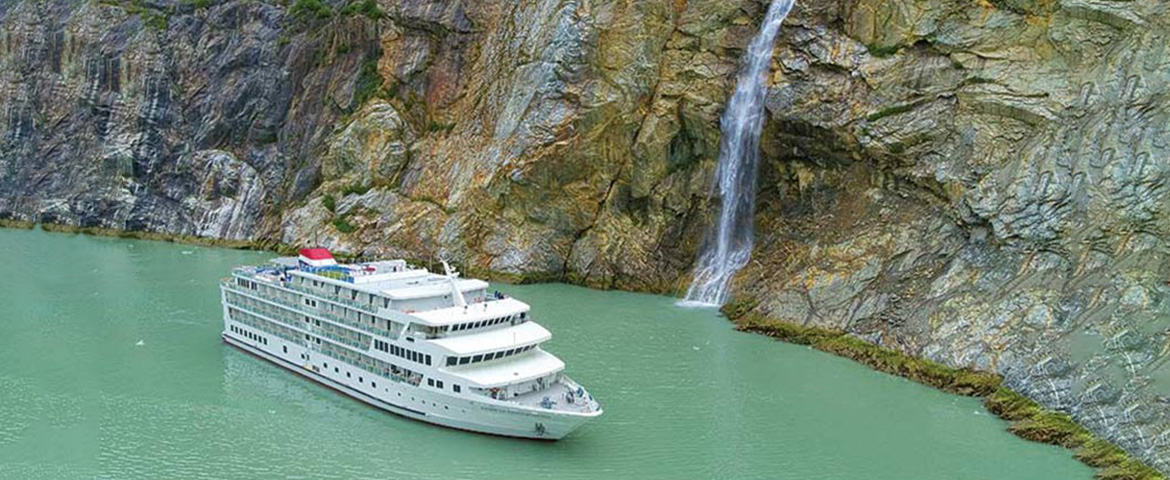
American Constellation
100 Cruises

| 25 May | 16 days | One-way from Tacoma WA to Juneau |
450-628-6241
Call us
|
| 26 May | 13 days | One-way from Tacoma WA to Juneau |
450-628-6241
Call us
|
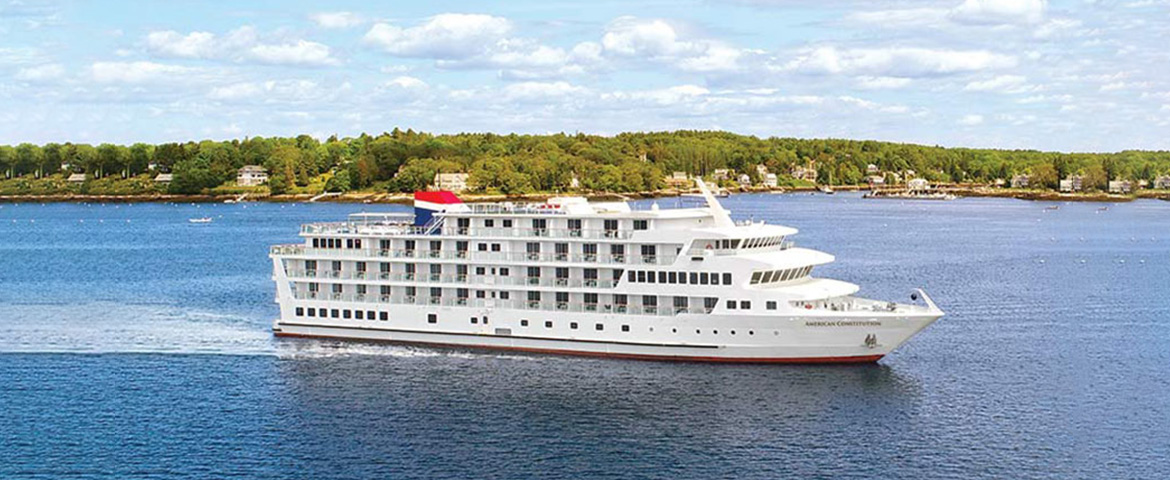
American Constitution
98 Cruises
| 25 May | 16 days | One-way from Tacoma WA to Juneau |
450-628-6241
Call us
|
| 26 May | 13 days | One-way from Tacoma WA to Juneau |
450-628-6241
Call us
|
| 24 May | 16 days | One-way from Tacoma WA to Juneau |
450-628-6241
Call us
|
| 25 May | 13 days | One-way from Tacoma WA to Juneau |
450-628-6241
Call us
|
Lindblad Expeditions (42 Cruises)
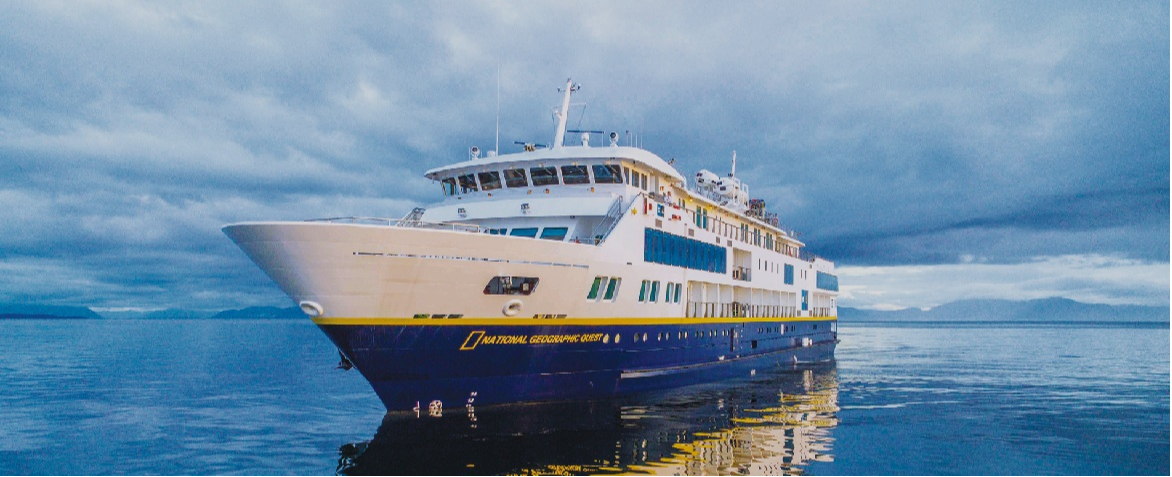
National Geographic Quest
22 Cruises

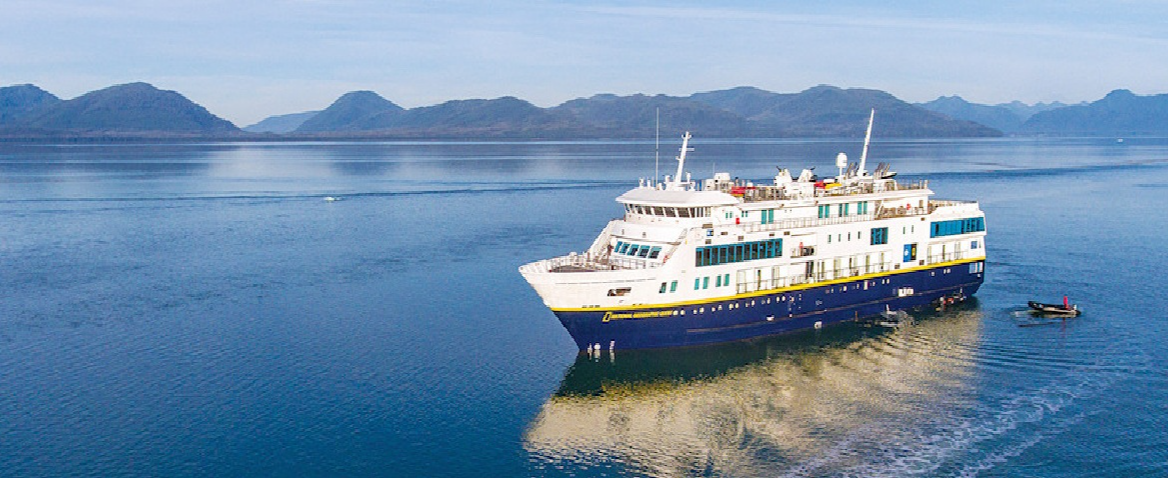
National Geographic Venture
20 Cruises
Seabourn Cruise Line (4 Cruises)
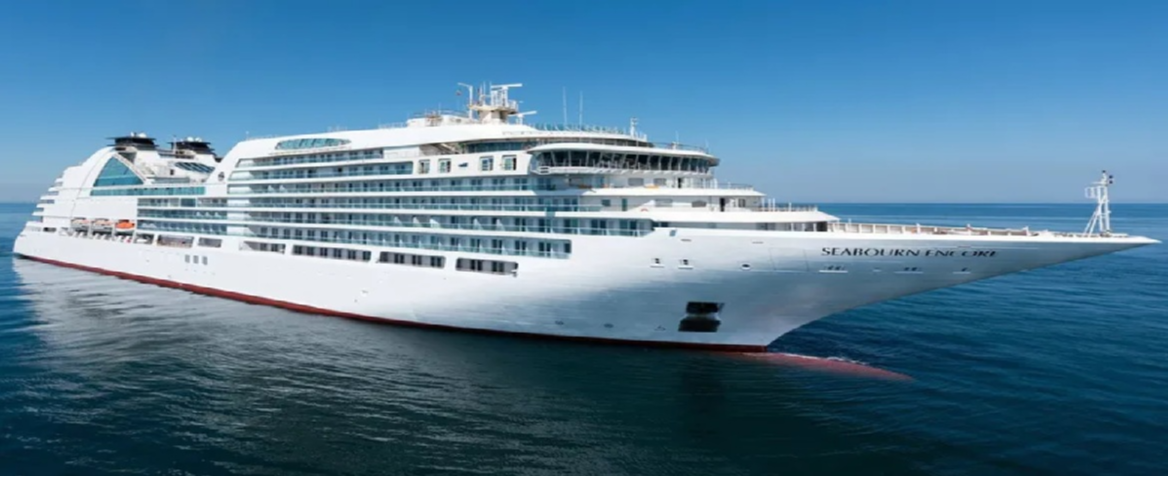
Seabourn Encore
4 Cruises


Petersburg, Alaska | Cruise Port Guide
Frequently Asked Questions
There is no deep-water pier: Petersburg stays off the main itineraries and takes only small ships, which tie up within walking distance of town. You step ashore into a genuine fishing community of about 3,000 people.
Yes. The small boat harbour, Hammer Slough with its stilt houses, the Sons of Norway Hall and the Clausen Memorial Museum are all walkable from the dock. Only Sandy Beach Park, about three kilometres out, needs a long walk or a shuttle.
Follow the harbour to Hammer Slough, visit the Clausen Memorial Museum, then, if the tide is out, continue to Sandy Beach Park for the petroglyphs. A boat excursion to LeConte Glacier fills half a day on its own.
Because it was founded in the late 1890s by Peter Buschmann, a Norwegian immigrant who saw the perfect cannery site: a sheltered harbour, abundant fish and ice from the nearby glacier to preserve it. His countrymen followed, and the heritage still shows in the rosemaling painted on the facades.
At low tide the shore reveals ancient petroglyphs and the remains of Tlingit fish traps roughly 2,000 years old, stone alignments the sea covers twice a day. Facing the beach, Frederick Sound stretches towards the peaks, dominated by the sharp spire of Devils Thumb.
The southernmost tidewater glacier in the northern hemisphere, reached by boat excursion from Petersburg. Its blue icebergs drift in the bay, and the trip crosses waters where humpback whales feed in season.
A 1912 community hall with decorated shutters standing above Hammer Slough, the heart of local Norwegian life. On the town's sidewalks you also walk over bronze fish set into the concrete.
The US dollar. Cards are taken, but Petersburg is a small community, so keep some cash. The shops sell rain gear and fishing tackle before souvenirs, and that is exactly what makes the stop worthwhile.
May through September. Humpbacks feed in Frederick Sound in summer, the days are long and LeConte Glacier is most accessible. Rain is part of southeast Alaska in every season.
Yes, for an authentic rather than spectacular call. The colourful stilt houses of Hammer Slough, the bronze sidewalk fish and hunting for petroglyphs at low tide appeal to curious children.


