Grein Austria
Austria
302
Cruises availables
At departure or passage at this port
AmaWaterways (278 Cruises)
AmaBella
41 Cruises
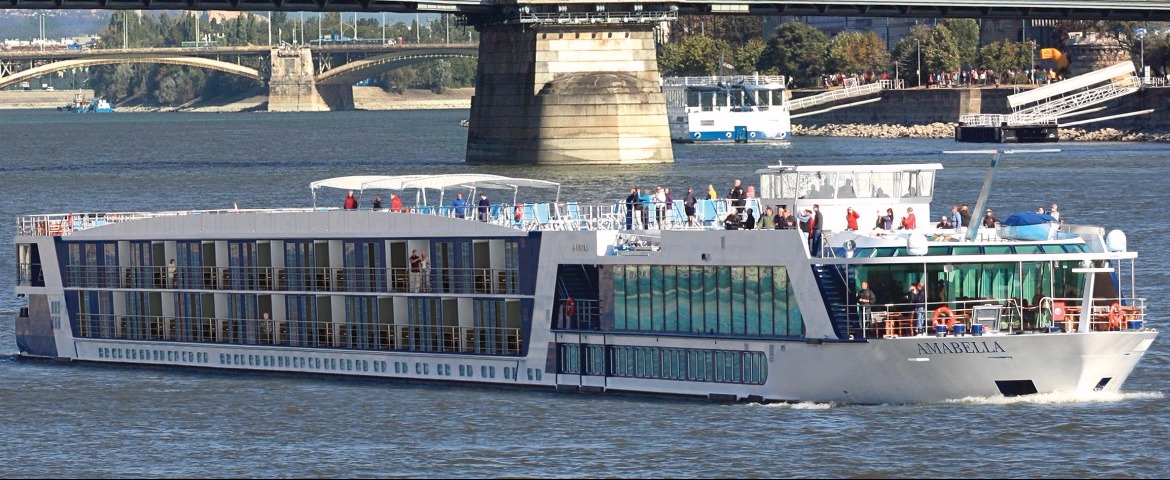

| 5 April | 15 days | One-way from Giurgiu to Vilshofen an der Donau |
450-628-6241
Call us
|
| 12 April | 8 days | One-way from Budapest to Vilshofen an der Donau |
450-628-6241
Call us
|
| 7 June | 8 days | One-way from Budapest to Vilshofen an der Donau |
450-628-6241
Call us
|
| 28 June | 15 days | One-way from Giurgiu to Vilshofen an der Donau |
450-628-6241
Call us
|
| 5 July | 8 days | One-way from Budapest to Vilshofen an der Donau |
450-628-6241
Call us
|
| 26 July | 15 days | One-way from Giurgiu to Vilshofen an der Donau |
450-628-6241
Call us
|
| 13 March | 7 days | One-way from Budapest to Vilshofen an der Donau |
450-628-6241
Call us
|
| 13 March | 8 days | One-way from Budapest to Vilshofen an der Donau |
450-628-6241
Call us
|
| 10 April | 7 days | One-way from Budapest to Vilshofen an der Donau |
450-628-6241
Call us
|
| 10 April | 8 days | One-way from Budapest to Vilshofen an der Donau |
450-628-6241
Call us
|
| 8 May | 7 days | One-way from Budapest to Vilshofen an der Donau |
450-628-6241
Call us
|
| 8 May | 8 days | One-way from Budapest to Vilshofen an der Donau |
450-628-6241
Call us
|
| 5 June | 7 days | One-way from Budapest to Vilshofen an der Donau |
450-628-6241
Call us
|
| 5 June | 8 days | One-way from Budapest to Vilshofen an der Donau |
450-628-6241
Call us
|
| 28 August | 7 days | One-way from Budapest to Vilshofen an der Donau |
450-628-6241
Call us
|
| 28 August | 8 days | One-way from Budapest to Vilshofen an der Donau |
450-628-6241
Call us
|
AmaLea
44 Cruises
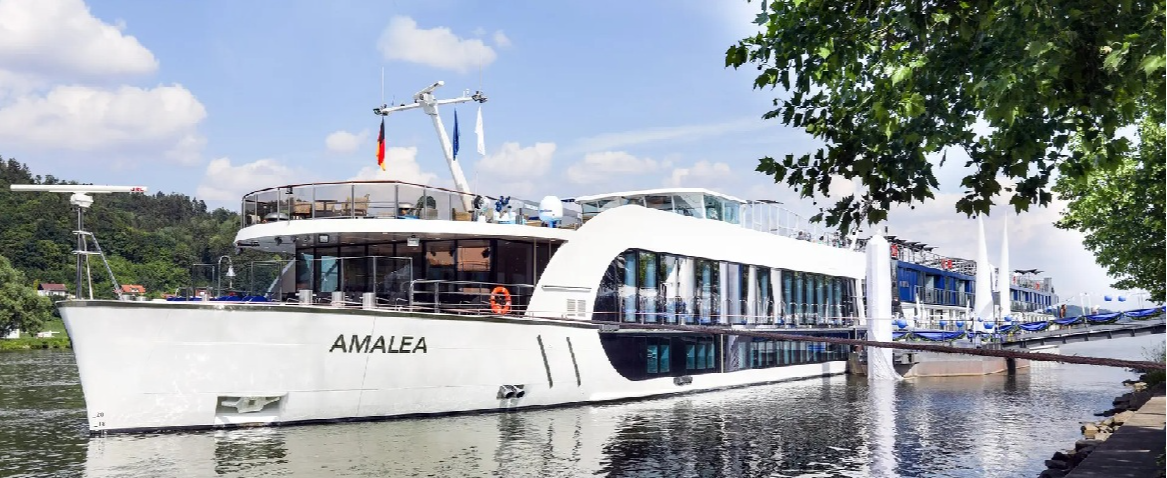
| 10 July | 8 days | One-way from Budapest to Vilshofen an der Donau |
450-628-6241
Call us
|
| 24 July | 8 days | One-way from Budapest to Vilshofen an der Donau |
450-628-6241
Call us
|
| 7 August | 8 days | One-way from Budapest to Vilshofen an der Donau |
450-628-6241
Call us
|
| 21 August | 8 days | One-way from Budapest to Vilshofen an der Donau |
450-628-6241
Call us
|
| 4 September | 8 days | One-way from Budapest to Vilshofen an der Donau |
450-628-6241
Call us
|
| 18 September | 8 days | One-way from Budapest to Vilshofen an der Donau |
450-628-6241
Call us
|
| 24 June | 7 days | One-way from Budapest to Vilshofen an der Donau |
450-628-6241
Call us
|
| 24 June | 8 days | One-way from Budapest to Vilshofen an der Donau |
450-628-6241
Call us
|
AmaMagna
41 Cruises
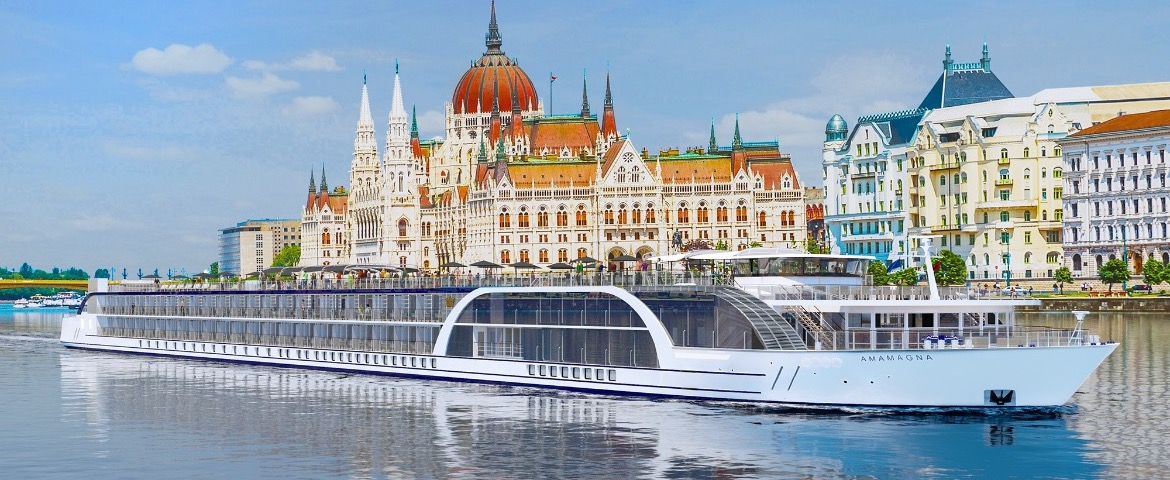
| 11 April | 15 days | One-way from Vilshofen an der Donau to Giurgiu |
450-628-6241
Call us
|
| 11 April | 8 days | One-way from Vilshofen an der Donau to Budapest |
450-628-6241
Call us
|
| 9 May | 15 days | One-way from Vilshofen an der Donau to Giurgiu |
450-628-6241
Call us
|
| 9 May | 8 days | One-way from Vilshofen an der Donau to Budapest |
450-628-6241
Call us
|
| 6 June | 8 days | One-way from Vilshofen an der Donau to Budapest |
450-628-6241
Call us
|
| 6 June | 15 days | One-way from Vilshofen an der Donau to Giurgiu |
450-628-6241
Call us
|
| 4 July | 8 days | One-way from Vilshofen an der Donau to Budapest |
450-628-6241
Call us
|
| 18 July | 8 days | One-way from Vilshofen an der Donau to Budapest |
450-628-6241
Call us
|
AmaMora
41 Cruises
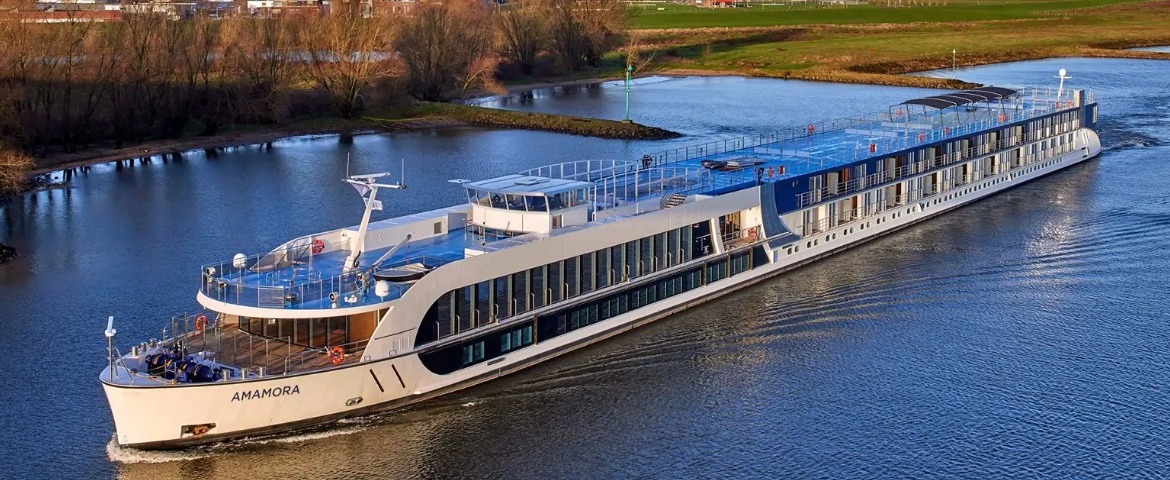
| 13 March | 8 days | One-way from Budapest to Vilshofen an der Donau |
450-628-6241
Call us
|
| 27 March | 8 days | One-way from Budapest to Vilshofen an der Donau |
450-628-6241
Call us
|
| 10 April | 8 days | One-way from Budapest to Vilshofen an der Donau |
450-628-6241
Call us
|
| 24 April | 8 days | One-way from Budapest to Vilshofen an der Donau |
450-628-6241
Call us
|
| 8 May | 8 days | One-way from Budapest to Vilshofen an der Donau |
450-628-6241
Call us
|
| 22 May | 8 days | One-way from Budapest to Vilshofen an der Donau |
450-628-6241
Call us
|
| 3 June | 7 days | One-way from Budapest to Vilshofen an der Donau |
450-628-6241
Call us
|
| 3 June | 8 days | One-way from Budapest to Vilshofen an der Donau |
450-628-6241
Call us
|
AmaReina
40 Cruises
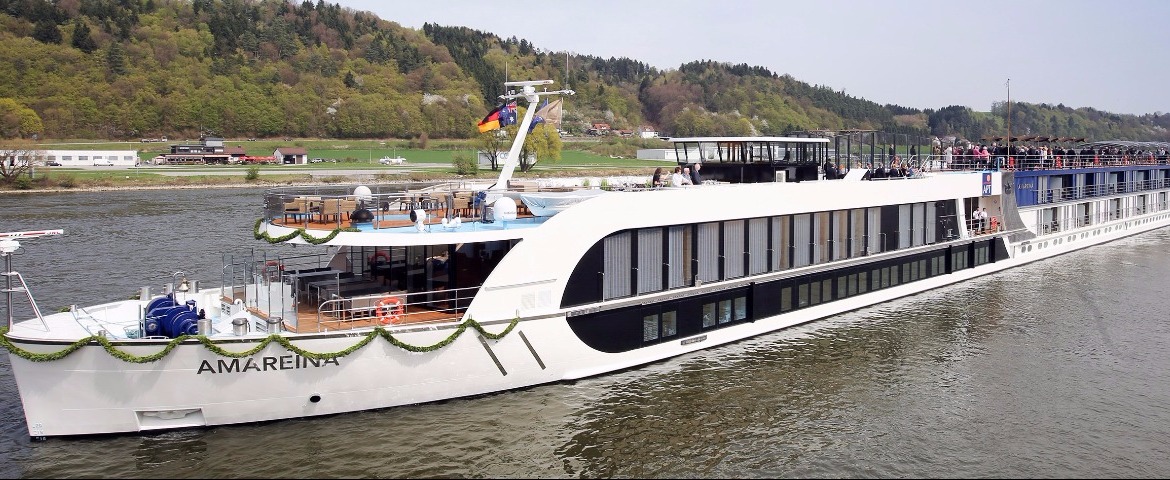
| 21 June | 8 days | One-way from Budapest to Vilshofen an der Donau |
450-628-6241
Call us
|
| 21 June | 7 days | One-way from Budapest to Vilshofen an der Donau |
450-628-6241
Call us
|
AmaSonata
33 Cruises
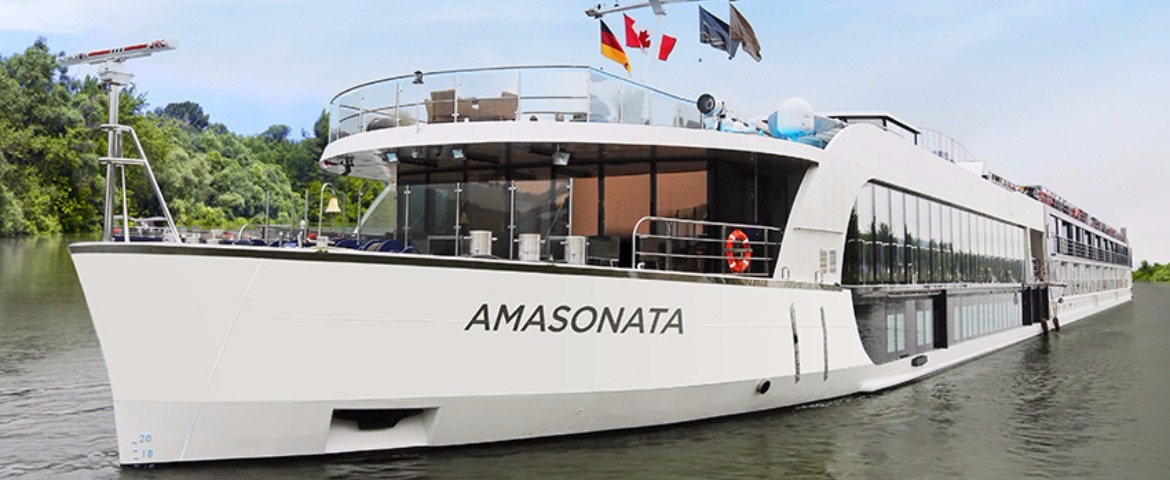
| 7 April | 8 days | One-way from Budapest to Vilshofen an der Donau |
450-628-6241
Call us
|
| 21 April | 8 days | One-way from Budapest to Vilshofen an der Donau |
450-628-6241
Call us
|
| 22 March | 7 days | One-way from Budapest to Vilshofen an der Donau |
450-628-6241
Call us
|
| 22 March | 8 days | One-way from Budapest to Vilshofen an der Donau |
450-628-6241
Call us
|
| 14 June | 7 days | One-way from Budapest to Vilshofen an der Donau |
450-628-6241
Call us
|
| 14 June | 8 days | One-way from Budapest to Vilshofen an der Donau |
450-628-6241
Call us
|
| 23 August | 7 days | One-way from Budapest to Vilshofen an der Donau |
450-628-6241
Call us
|
| 23 August | 8 days | One-way from Budapest to Vilshofen an der Donau |
450-628-6241
Call us
|
| 6 September | 7 days | One-way from Budapest to Vilshofen an der Donau |
450-628-6241
Call us
|
| 6 September | 8 days | One-way from Budapest to Vilshofen an der Donau |
450-628-6241
Call us
|
AmaVerde
38 Cruises
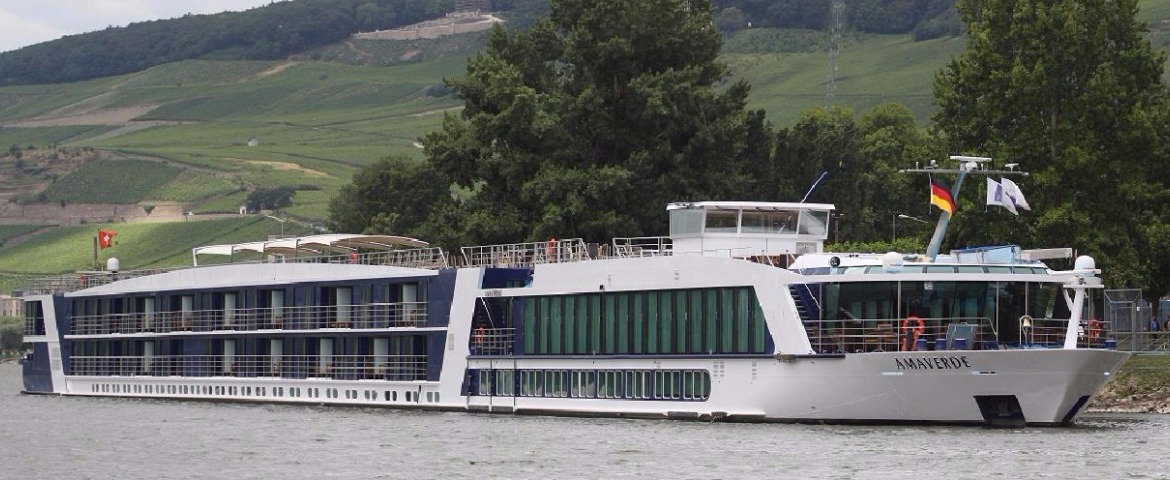
| 22 March | 15 days | One-way from Giurgiu to Vilshofen an der Donau |
450-628-6241
Call us
|
| 29 March | 8 days | One-way from Budapest to Vilshofen an der Donau |
450-628-6241
Call us
|
| 19 April | 15 days | One-way from Giurgiu to Vilshofen an der Donau |
450-628-6241
Call us
|
| 26 April | 8 days | One-way from Budapest to Vilshofen an der Donau |
450-628-6241
Call us
|
| 17 May | 15 days | One-way from Giurgiu to Vilshofen an der Donau |
450-628-6241
Call us
|
| 24 May | 8 days | One-way from Budapest to Vilshofen an der Donau |
450-628-6241
Call us
|
| 14 June | 15 days | One-way from Giurgiu to Vilshofen an der Donau |
450-628-6241
Call us
|
| 21 June | 8 days | One-way from Budapest to Vilshofen an der Donau |
450-628-6241
Call us
|
| 12 July | 15 days | One-way from Giurgiu to Vilshofen an der Donau |
450-628-6241
Call us
|
| 19 July | 8 days | One-way from Budapest to Vilshofen an der Donau |
450-628-6241
Call us
|
| 9 August | 15 days | One-way from Giurgiu to Vilshofen an der Donau |
450-628-6241
Call us
|
| 16 August | 8 days | One-way from Budapest to Vilshofen an der Donau |
450-628-6241
Call us
|
| 6 September | 15 days | One-way from Giurgiu to Vilshofen an der Donau |
450-628-6241
Call us
|
| 13 September | 8 days | One-way from Budapest to Vilshofen an der Donau |
450-628-6241
Call us
|
| 27 March | 7 days | One-way from Budapest to Vilshofen an der Donau |
450-628-6241
Call us
|
| 27 March | 8 days | One-way from Budapest to Vilshofen an der Donau |
450-628-6241
Call us
|
| 24 April | 8 days | One-way from Budapest to Vilshofen an der Donau |
450-628-6241
Call us
|
| 24 April | 7 days | One-way from Budapest to Vilshofen an der Donau |
450-628-6241
Call us
|
| 22 May | 7 days | One-way from Budapest to Vilshofen an der Donau |
450-628-6241
Call us
|
| 22 May | 8 days | One-way from Budapest to Vilshofen an der Donau |
450-628-6241
Call us
|
| 19 June | 8 days | One-way from Budapest to Vilshofen an der Donau |
450-628-6241
Call us
|
| 19 June | 7 days | One-way from Budapest to Vilshofen an der Donau |
450-628-6241
Call us
|
| 17 July | 7 days | One-way from Budapest to Vilshofen an der Donau |
450-628-6241
Call us
|
| 17 July | 8 days | One-way from Budapest to Vilshofen an der Donau |
450-628-6241
Call us
|
| 14 August | 8 days | One-way from Budapest to Vilshofen an der Donau |
450-628-6241
Call us
|
| 14 August | 7 days | One-way from Budapest to Vilshofen an der Donau |
450-628-6241
Call us
|
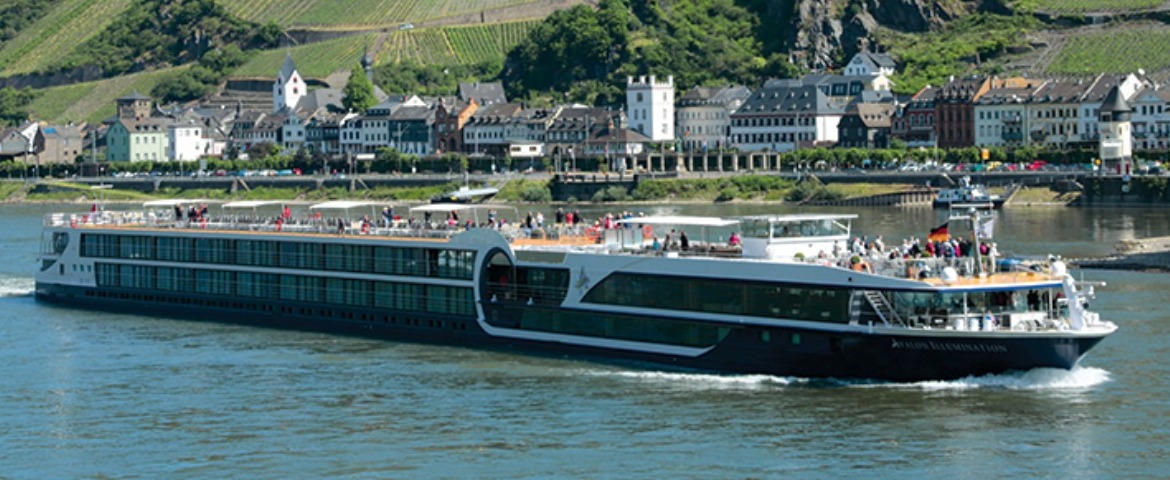
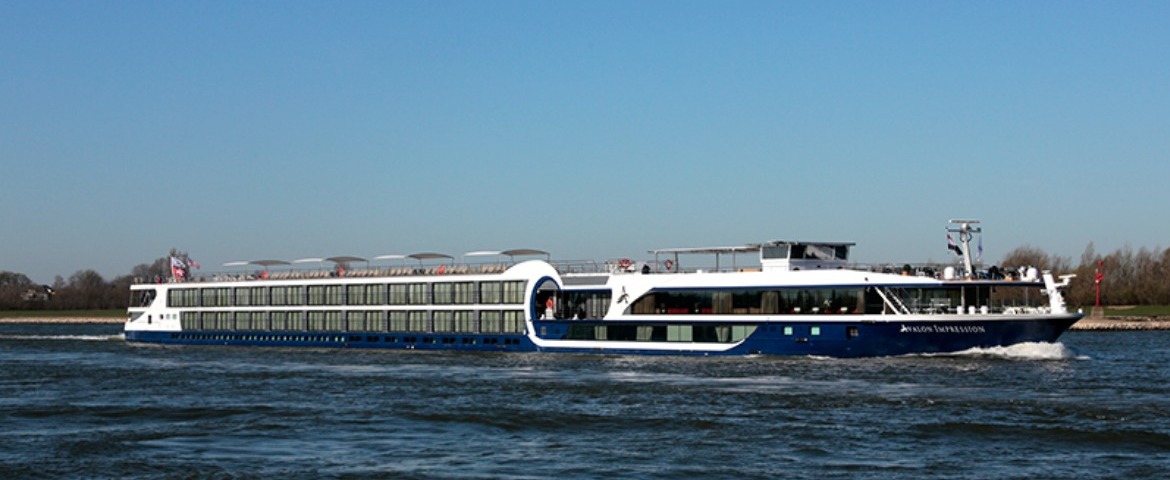
Avalon Waterways (7 Cruises)
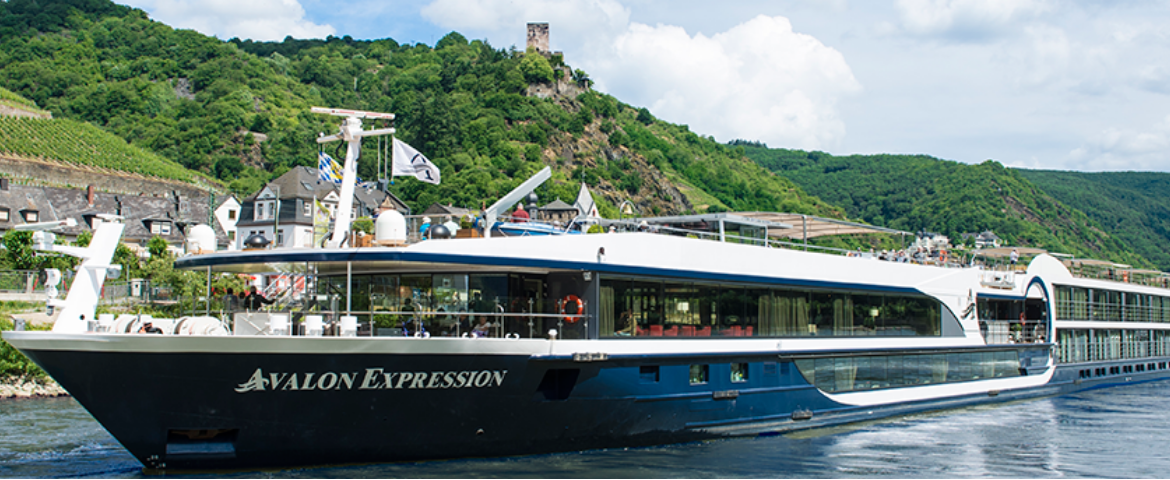

Tauck Cruises (12 Cruises)
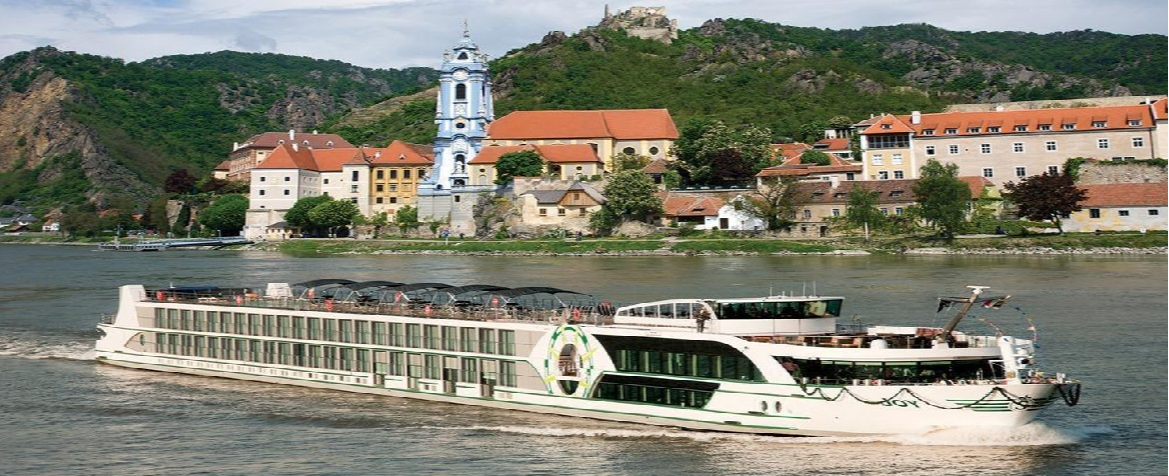

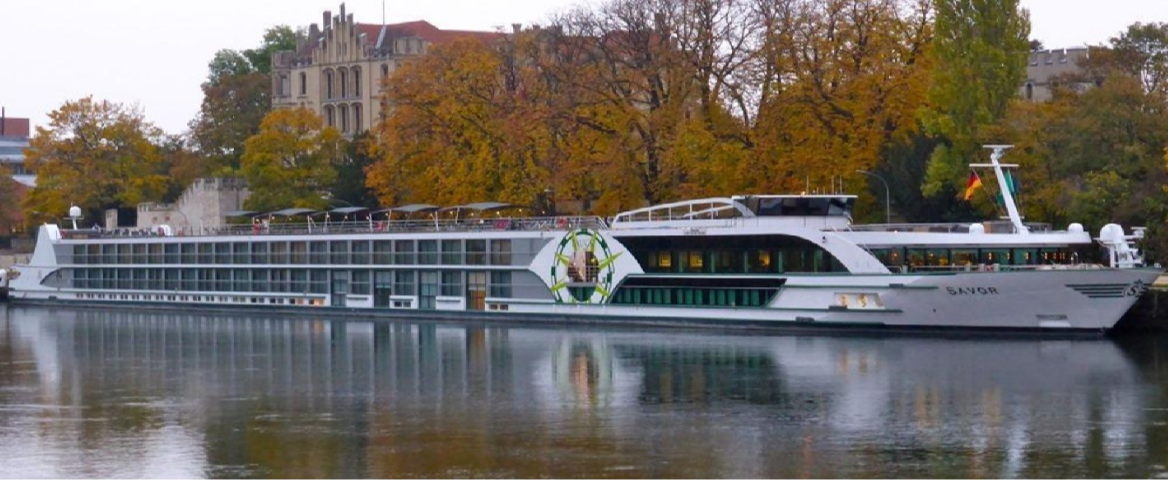
ms Savor
8 Cruises
| 10 April | 8 days | One-way from Munich to Budapest |
450-628-6241
Call us
|
| 10 April | 6 days | One-way from Munich to Budapest |
450-628-6241
Call us
|
| 14 May | 6 days | One-way from Munich to Budapest |
450-628-6241
Call us
|
| 14 May | 8 days | One-way from Munich to Budapest |
450-628-6241
Call us
|



Grein | Cruise Port Guide
Frequently Asked Questions
At the small landing stage, a few steps from the historic centre. No shuttle is needed: walk down the gangway and the main square appears almost immediately.
Three things fit into half a day: the municipal theatre inside the town hall, Greinburg Castle on the hill, then a stroll around the main square and the riverside promenade.
It is the oldest municipal theatre in Austria still in use. Created in 1791 inside the town hall's former grain loft, it still operates in its original state, with painted wooden boxes and lockable benches that theatregoers once reserved by bringing their own padlock.
On foot, about fifteen minutes uphill from the Stadtplatz. This late 15th-century Renaissance building holds an arcaded courtyard, a knights' hall, a pebble-lined grotto and the Upper Austrian museum of river navigation.
Because of the Strudengau, the gorge starting just downstream. The Danube once narrowed there into whirlpools feared across river Europe, the Strudel and the Wirbel, and Grein's pilots came aboard to steer vessels between the reefs. 20th-century engineering calmed the river.
Yes. The town has about 3,000 residents and everything is walkable. Only the climb to the castle takes moderate effort.
The euro and German. Cards work in cafes and museums; some cash is still handy for small shops.
On the main square, around St Giles parish church. In the afternoon the smell of warm pastry drifts under the arcades; cake and a Viennese melange are the local order.
It is a quiet call. The castle, its navigation museum and the riverside promenade keep children occupied for a while, but the historic theatre appeals mainly to adults.
May to October, when the Stadtplatz terraces are open and the Danube cycle route brings life to the riverside promenade. The theatre can be toured when no performance is scheduled.


