Brussels Belgium
269
Cruises availables
At departure or passage at this port
AmaWaterways (47 Cruises)
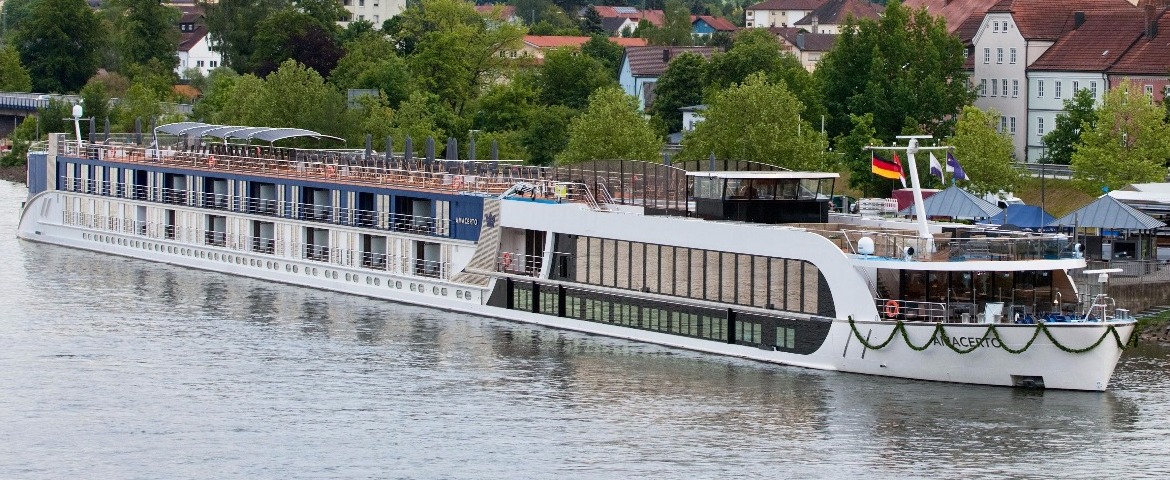

AmaLucia
6 Cruises
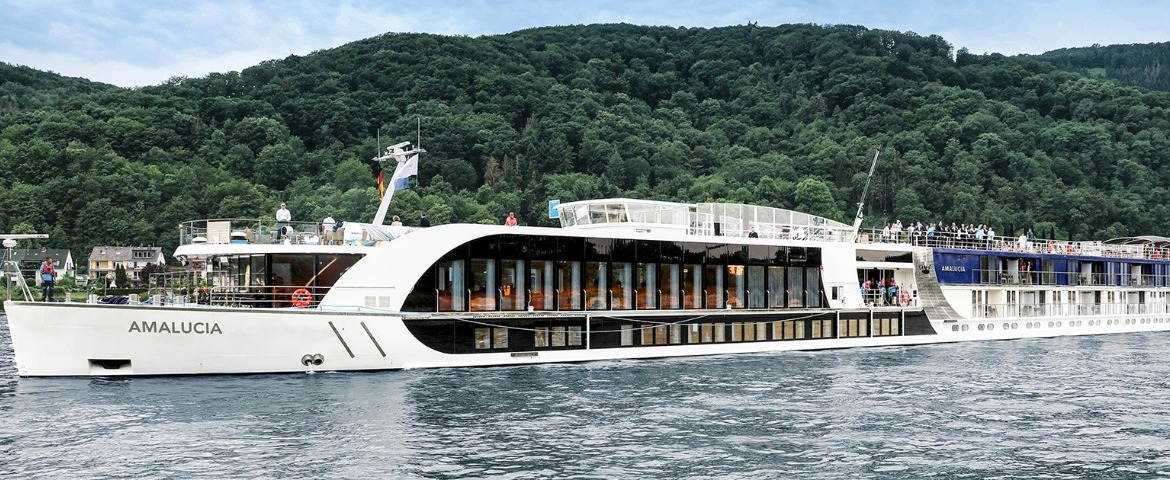
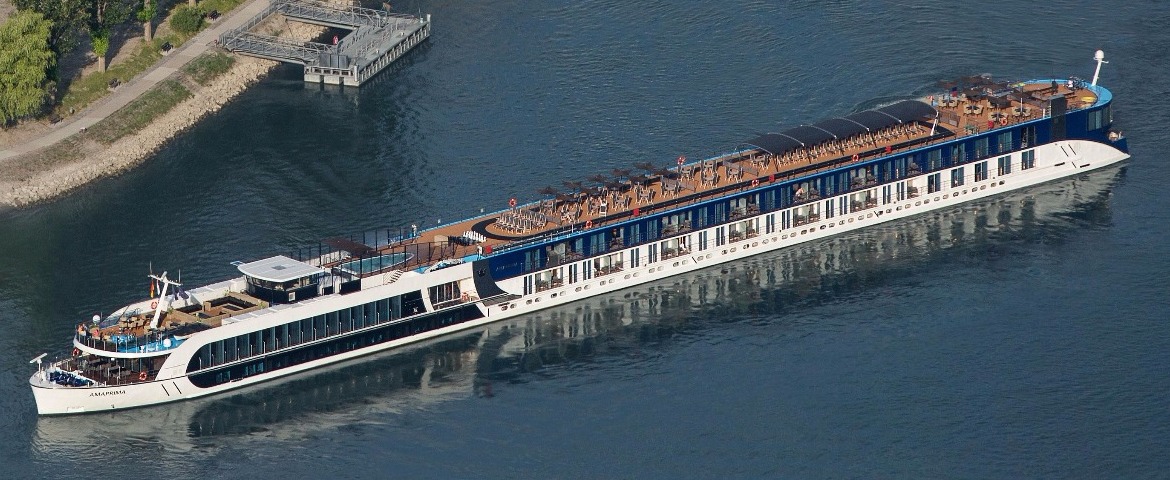
AmaSerena
8 Cruises
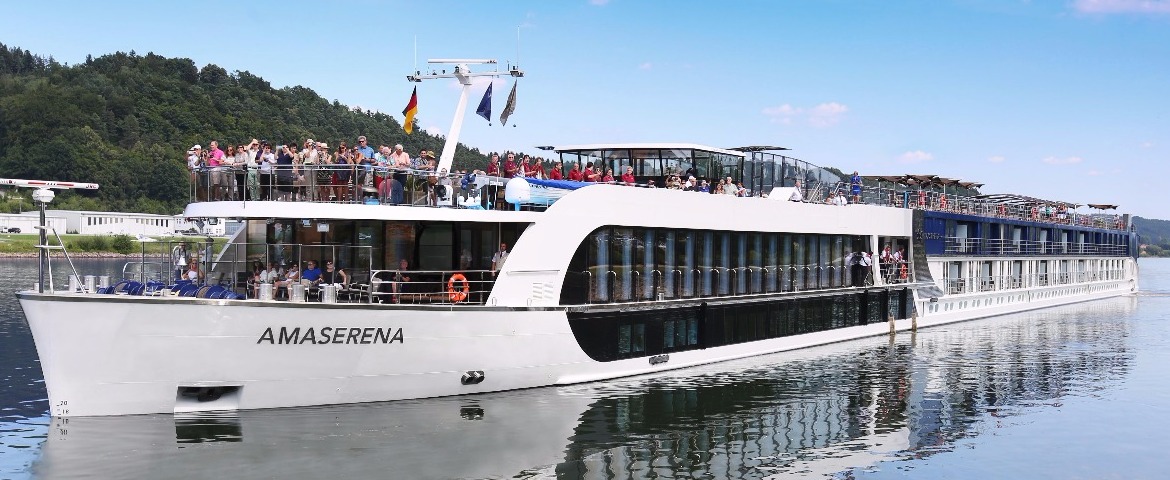
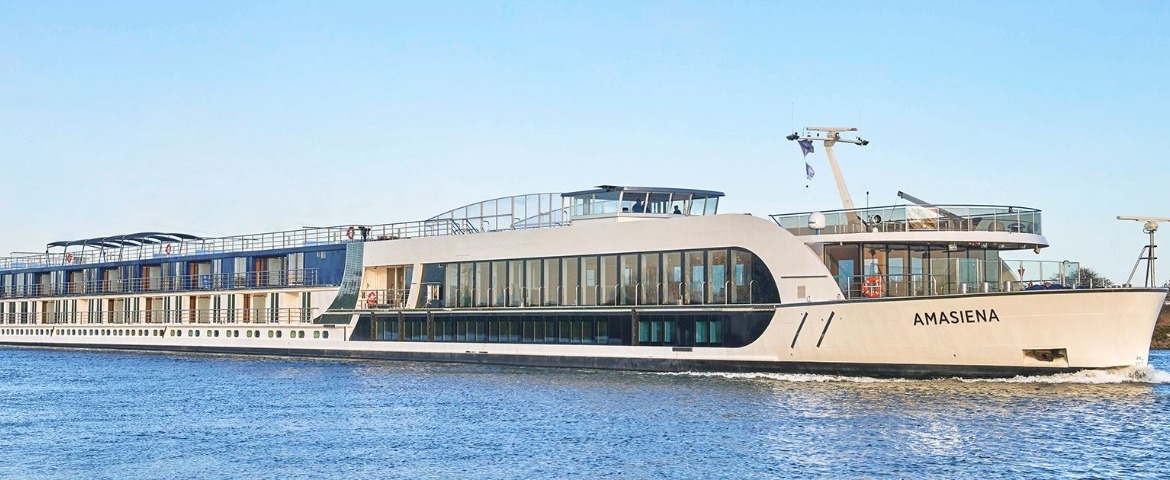
AmaStella
12 Cruises
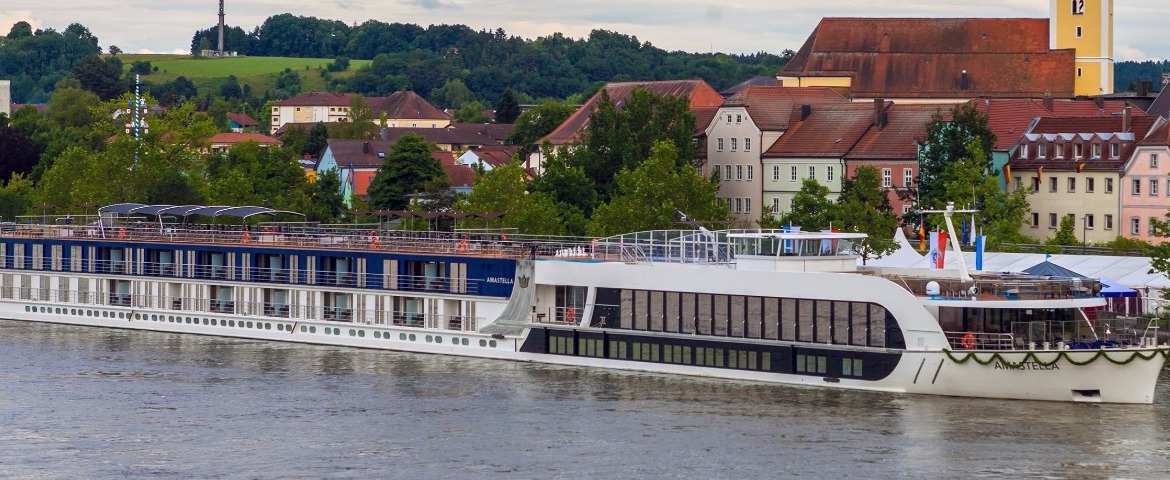
AmaVenita
8 Cruises
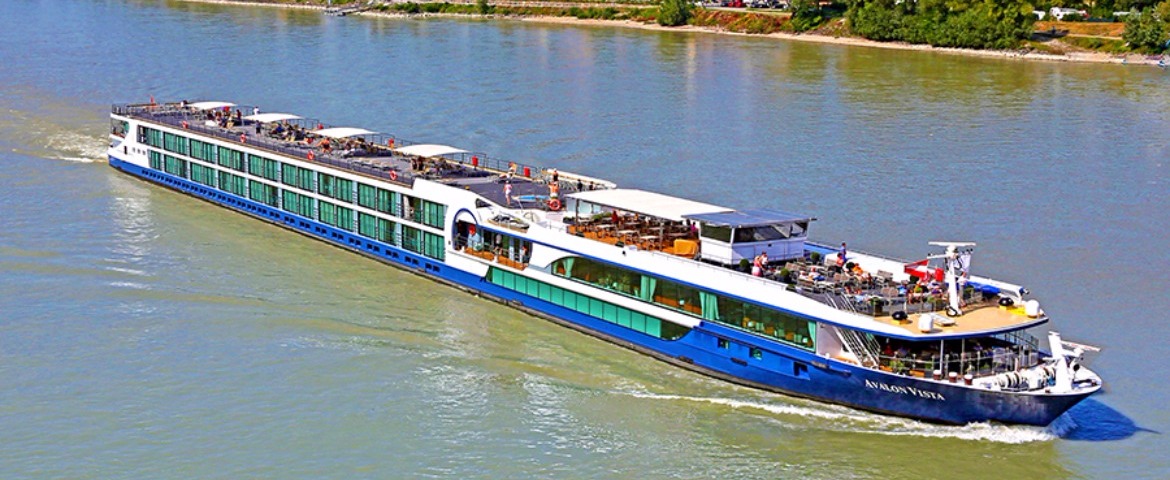
Avalon Waterways (22 Cruises)
Avalon Imagery II®
12 Cruises
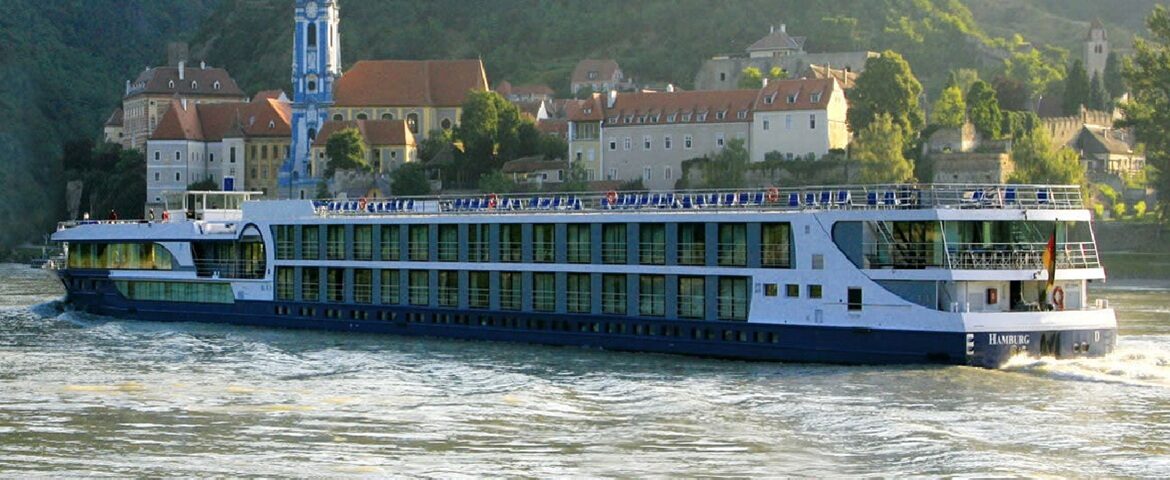

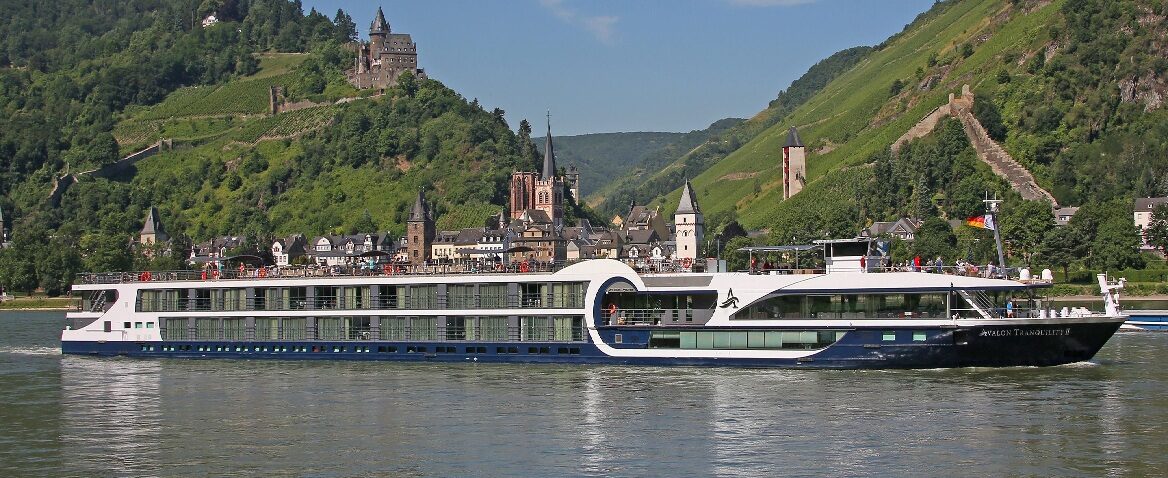
Avalon Tranquility II®
8 Cruises
CroisiEurope (38 Cruises)
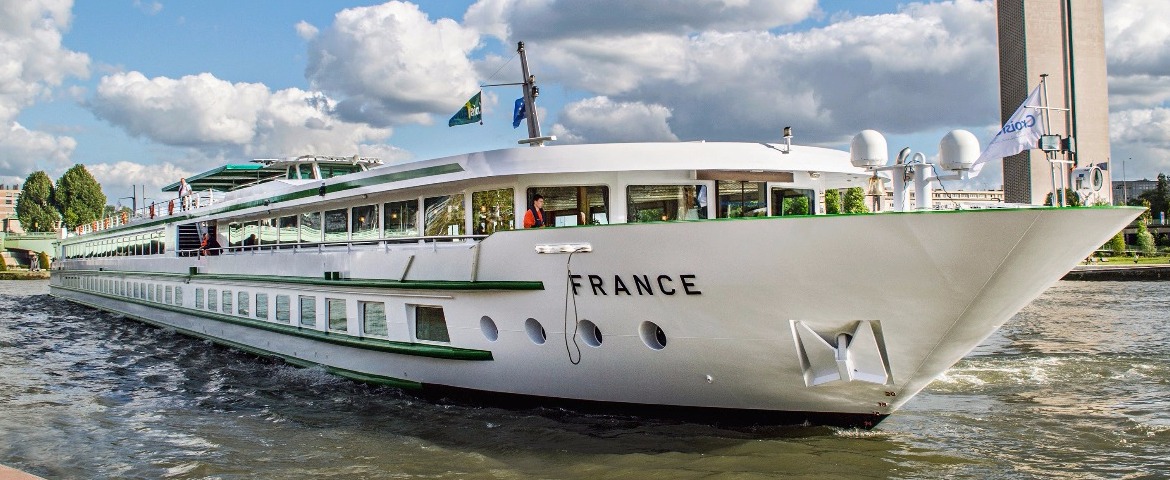
MS France
5 Cruises
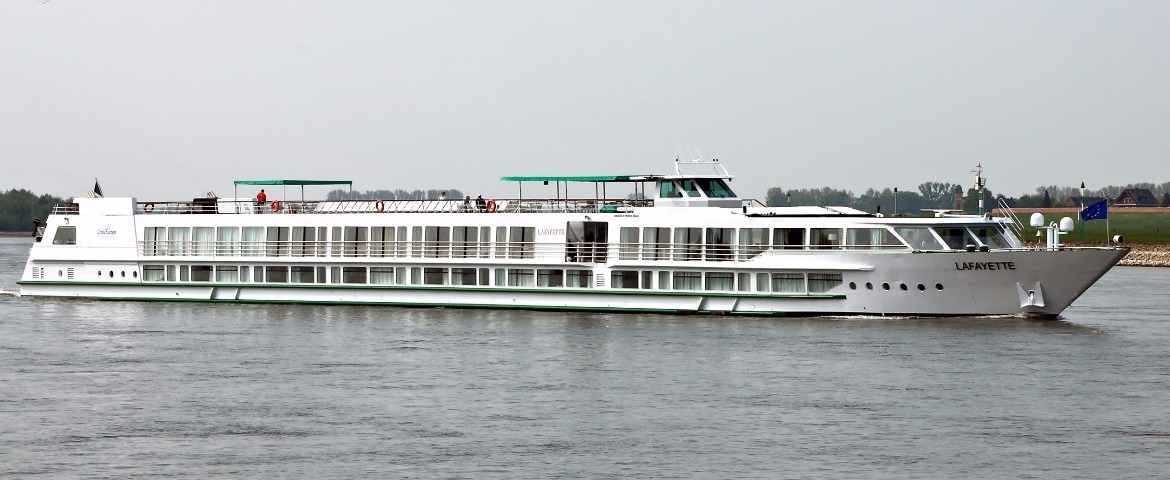
MS Lafayette
33 Cruises
| 7 April | 5 days | One-way from Amsterdam to Brussels |
450-628-6241
Call us
|
| 7 April | 6 days | One-way from Amsterdam to Brussels |
450-628-6241
Call us
|
Emerald Waterways (55 Cruises)
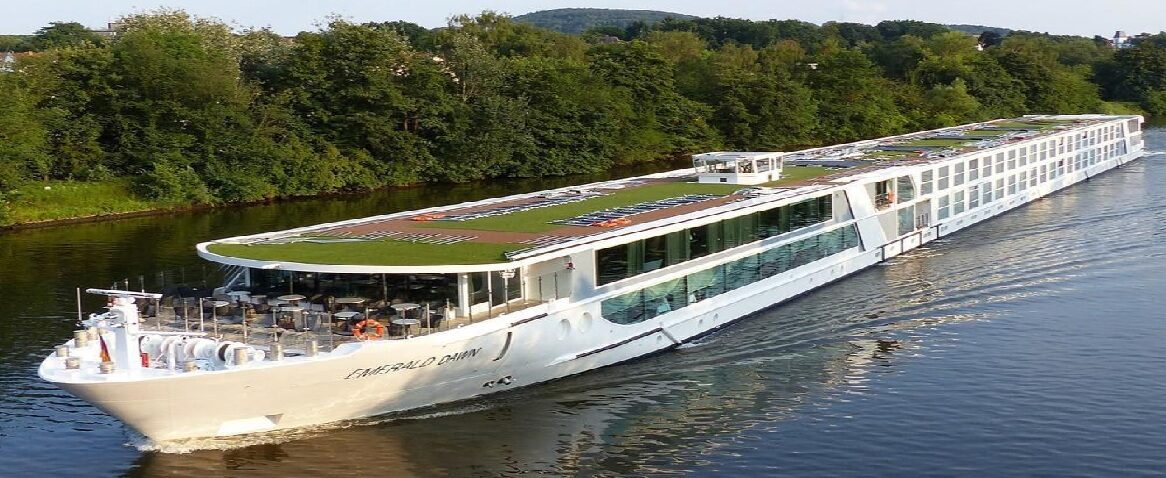

Emerald Destiny
12 Cruises
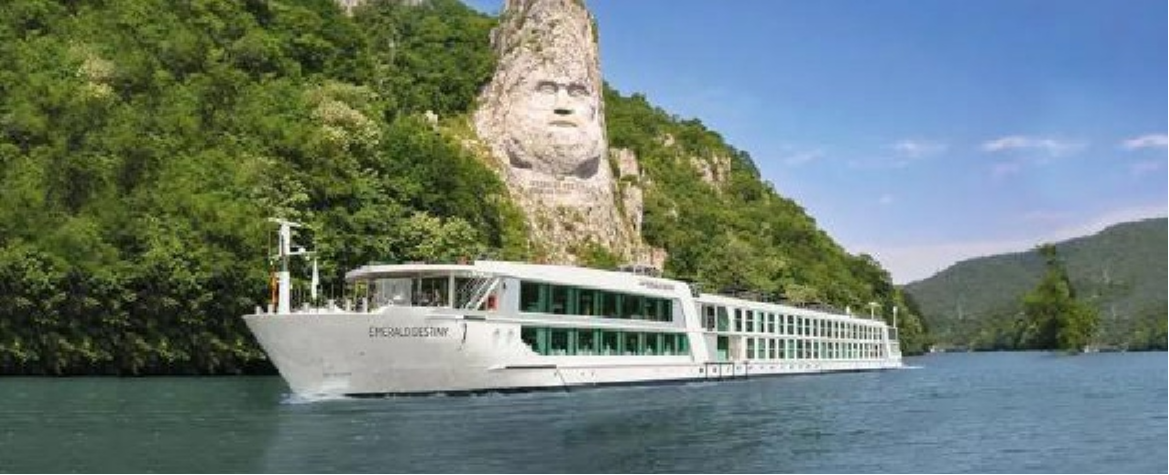
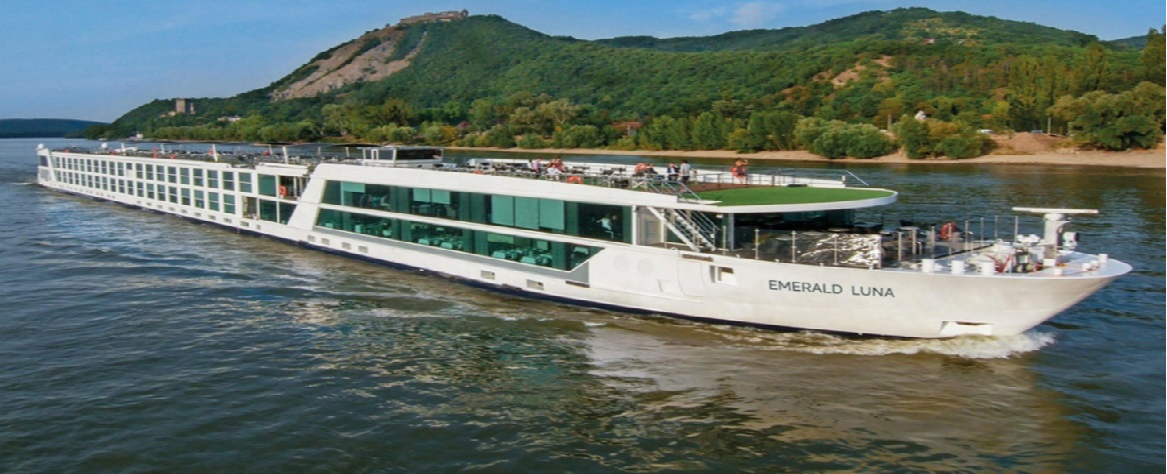
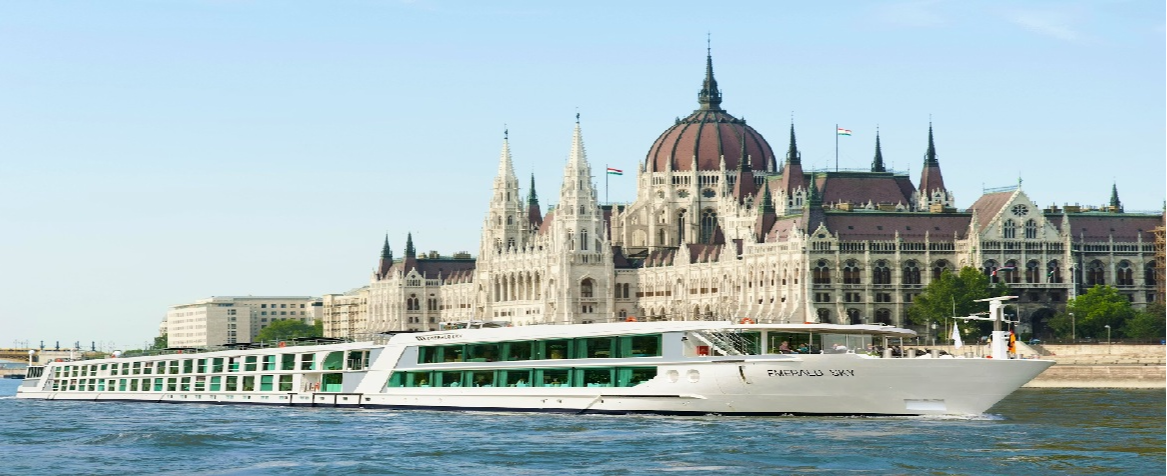
Emerald Luna
6 Cruises
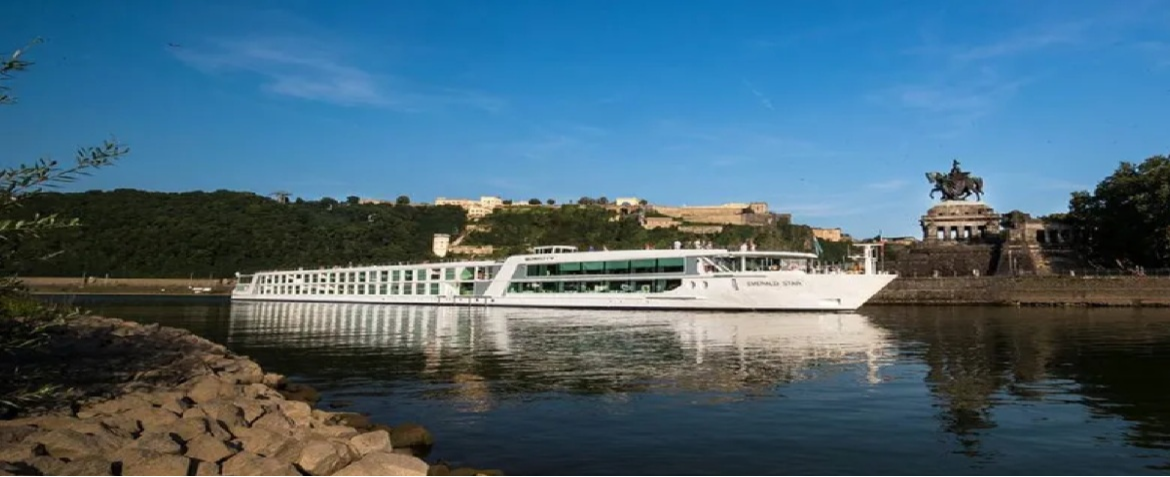
Emerald Star
8 Cruises
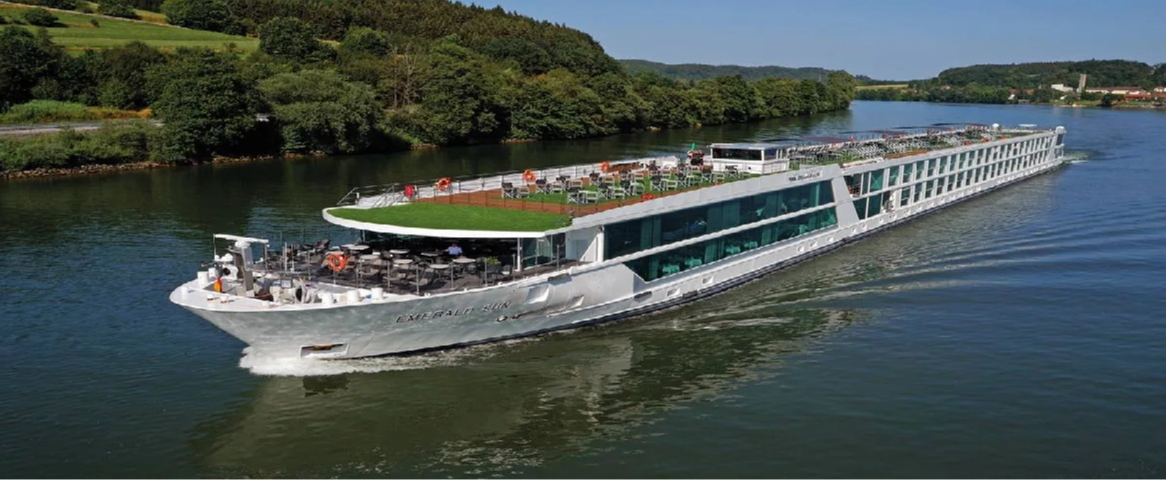
Emerald Sun
22 Cruises
Scenic Cruises (58 Cruises)
Scenic Amber
8 Cruises

Scenic Jewel
12 Cruises

Scenic Opal
10 Cruises

Scenic Pearl
5 Cruises

Scenic Ruby
23 Cruises

Tauck Cruises (10 Cruises)
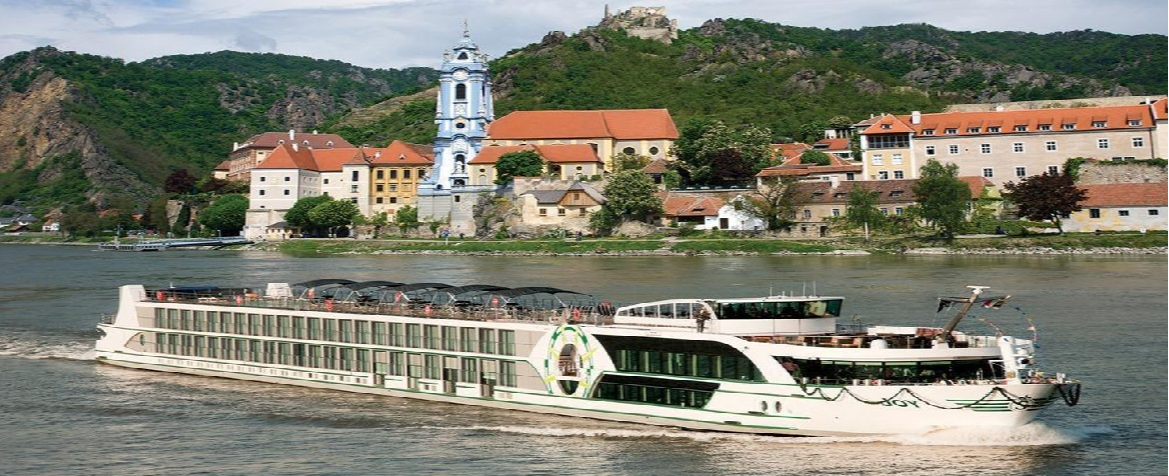
ms Joy
10 Cruises

| 31 March | 9 days | One-way from Brussels to Amsterdam |
450-628-6241
Call us
|
| 31 March | 7 days | One-way from Brussels to Amsterdam |
450-628-6241
Call us
|
Uniworld Boutique River Cruise (39 Cruises)
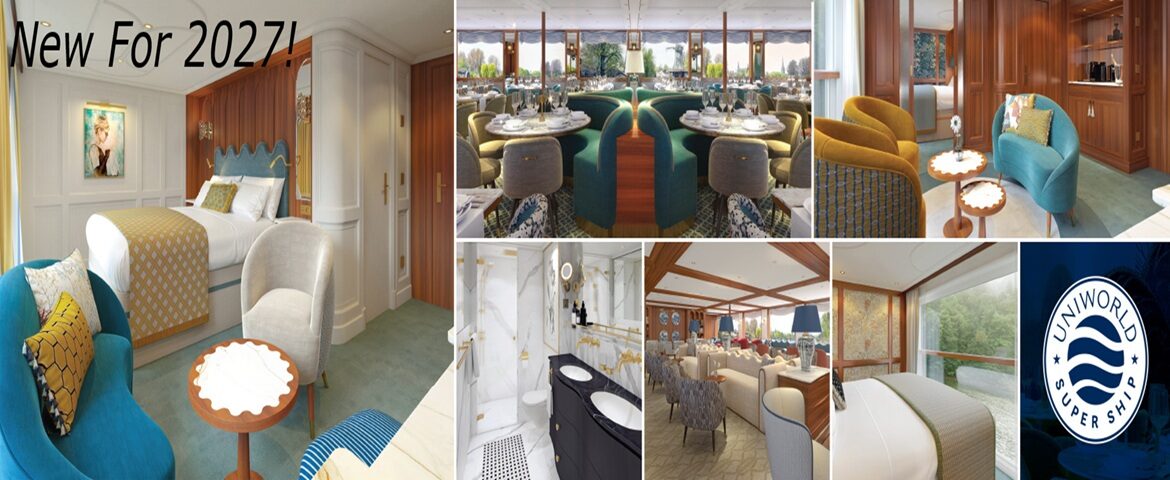

S.S Elisabeth
8 Cruises
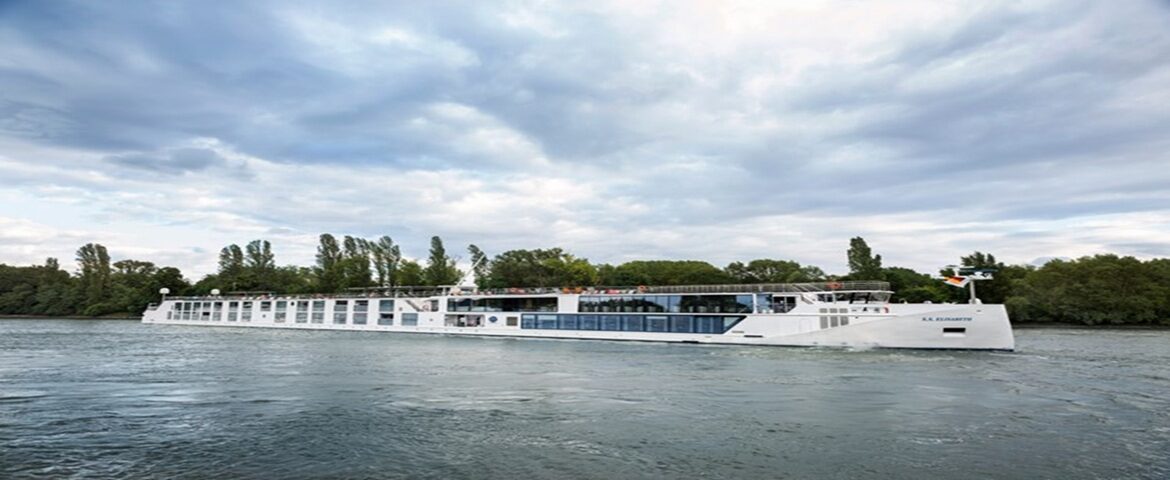
S.S. Victoria
28 Cruises

| 6 June | 15 days | One-way from Basel to Brussels |
450-628-6241
Call us
|
| 20 June | 15 days | One-way from Brussels to Basel |
450-628-6241
Call us
|
| 3 June | 15 days | One-way from Basel to Brussels |
450-628-6241
Call us
|
| 17 June | 15 days | One-way from Brussels to Basel |
450-628-6241
Call us
|
Port of Brussels, Belgium | Cruise Port Guide
Frequently Asked Questions
At Quai Béco, the Belgian capital's cruise basin, with a terminal able to take vessels up to 135 metres. River ships reach it by coming up the maritime canal from the Scheldt.
On foot in about 20 minutes, or a few minutes by metro from nearby Yser station. The monumental centre is roughly one kilometre from the basin.
The Grand-Place, the Royal Galleries of Saint-Hubert and the Mont des Arts make a logical walking route. Add the Grand Sablon square if time allows, or the Belgian Comic Strip Center for an indoor break.
Because it is a UNESCO World Heritage site and you always come upon it by surprise, out of a side street. The guild houses raise their carved and gilded facades opposite the stone lacework of the Gothic town hall.
Early morning. The cobbles then belong to delivery drivers and a few early risers; by afternoon the square hums in every language and photos get difficult.
The Mont des Arts. Its terraced gardens frame the finest view over the rooftops of the centre, with the town hall spire lined up ahead. It is free and ten minutes from the Grand-Place.
All over the centre: the comic strip route scatters giant murals through the streets, with Tintin running down a staircase and dozens of other characters on the facades. The Belgian Comic Strip Center, in an Art Nouveau store by Victor Horta, rounds out the visit.
The euro. Brussels is officially bilingual in French and Dutch, and French dominates on the street. French speakers manage effortlessly.
A hot sugared waffle eaten on the move, and frites in a cone from a neighbourhood friterie. For drinks, the lambics and gueuze of the Senne valley are found nowhere else.
Yes. The comic strip route, the Manneken-Pis often dressed for local festivals, the waffles and the gardens of the Parc de Bruxelles keep children engaged. Everything is walkable or a few metro stops away.


