Bandar Seri Begawan Muara, Brunei
Brunei

62 Cruises availables At departure or passage at this port

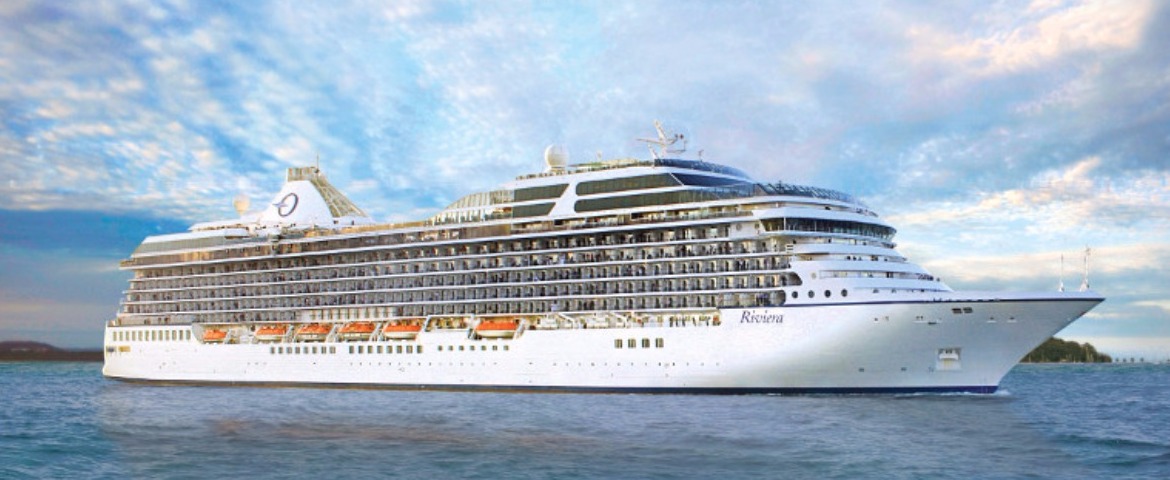
Oceania Cruises (30 Cruises)

Long before the city itself comes into view, you catch the gold: the domes rising above the canopy, a signal of the quiet wealth of the Sultanate of Brunei. Ships dock at the deep-water port of Muara, about 27 kilometres from the capital, roughly a thirty-minute drive through palm groves and residential neighbourhoods lined with stately villas. Cruise line shuttles and taxis share the route, simple and well established. Bandar Seri Begawan, set along the water, then reveals itself at an unhurried pace, much like this small state on Borneo, where even the traffic seems calm.

The Mosque by Its Lagoon

Downtown, the Sultan Omar Ali Saifuddien Mosque forms the country's most famous image: white marble, a golden dome, a slender minaret and an artificial lagoon reflecting a stone royal barge. You can walk all the way around it, between gardens and pools of water, watching worshippers come and go; in the heat of the day, the marble throws back an almost blinding light, which explains why locals wait for day's end to stroll here as a family. The interior, hushed and cool, can be visited outside prayer times, with modest dress required and loaned free of charge at the entrance. A few streets away, the Royal Regalia Building displays coronation chariots, regalia and ceremonial gifts presented to the sultan; the main hall, dominated by the golden jubilee chariot, speaks for itself. The air-conditioned, free-to-enter building also makes for a welcome midday break.

Kampong Ayer, the Water Village

Facing the city centre, on the other side of the Brunei River, lies Kampong Ayer, a vast stilt village where thousands of residents live in houses on stilts connected by wooden walkways. Colourful water taxis make the crossing in just a few minutes from the docks downtown, engines at full throttle and a grinning pilot thrown in for good measure. You step out onto the jetties and follow the walkways past schools, neighbourhood mosques and floating grocery stores, and every so often a family will open their door to offer tea and cakes. Children wave from windows, cats doze on sun-warmed planks, and everyday life unfolds above the water's reflections. The visit offers a glimpse of a way of life that predates the country's oil fortune by several centuries.

The River, the Monkeys and the Palace

The same boats are happy to continue upriver, where the mangrove presses in close along the banks. With a little patience, you may spot proboscis monkeys, the long-nosed primates found only on Borneo, leaping from branch to branch above the water. Along the way, the rooftops of Istana Nurul Iman, the sultan's immense residential palace, emerge above the vegetation; it isn't open to visitors, but the view from the river is enough to take in its sheer scale. The return trip follows the water, in the fading light that gilds the stilts of Kampong Ayer.

Brunei Port Call at a Glance

  • Docking at Muara, about 30 minutes from the capital
  • Sultan Omar Ali Saifuddien Mosque and its lagoon
  • Royal Regalia Building, devoted to the coronation
  • Kampong Ayer by water taxi from the docks
  • Mangrove and proboscis monkeys on a river excursion

A Gentleness That Lingers

Brunei doesn't try to dazzle or hold on to you: the sultanate moves at its own pace, between religious devotion, quiet prosperity and a lasting bond with the waterway that gave it life. It's that restraint that strikes travellers, even more than the gold of the domes. On the road back to Muara, between two rows of palm trees, you may find yourself thinking that serenity, here, isn't a tourism pitch. It's a way of being.

Frequently Asked Questions

At the Muara deep-water port, about 27 kilometres from the capital, roughly thirty minutes by road through palm groves and residential districts. Line shuttles and taxis share the run.
No. Muara is 27 kilometres from the capital: a shuttle, taxi or organized excursion is essential. The transfer is simple and well established, but budget an hour round trip in your schedule.
The Sultan Omar Ali Saifuddien mosque, the Royal Regalia Building and a water-taxi crossing to Kampong Ayer form a coherent route once you have transferred in. The river excursion to the mangroves needs more time.
Yes, outside prayer times. The hushed, cool interior is open to visitors in covering dress, lent free of charge at the entrance. Outside, you can walk the grounds between gardens and the artificial lagoon reflecting a stone royal barge.
A museum displaying coronation chariots, regalia and ceremonial gifts presented to the sultan. The main hall is dominated by the gilded jubilee chariot. Air-conditioned and free to enter, it makes a welcome break in the middle of the day.
A vast water village where thousands of people live in stilt houses linked by wooden walkways, facing the centre across the Brunei river. You follow the walkways past schools, neighbourhood mosques and floating grocery shops.
By colourful water taxi from the downtown quays: the crossing takes a few minutes at full throttle. You step off onto the pontoons and continue on foot along the walkways.
Yes, by continuing the boat trip upriver where the mangroves close in on the banks. With some patience you spot these long-nosed monkeys, found only on Borneo, leaping from branch to branch above the water.
No. Istana Nurul Iman, the vast residential palace, is not open to visitors. Its roofs do rise above the vegetation as boats pass: the view from the river is enough to convey its scale.
Late afternoon for the mosque: in the heat of the day the white marble throws back an almost blinding light, and locals wait for the sun to drop before strolling there with their families. Air-conditioned stops such as the Royal Regalia Building suit midday better.