Battle Harbour NL Newfoundland-Labrador Canada

52 Cruises availables At departure or passage at this port

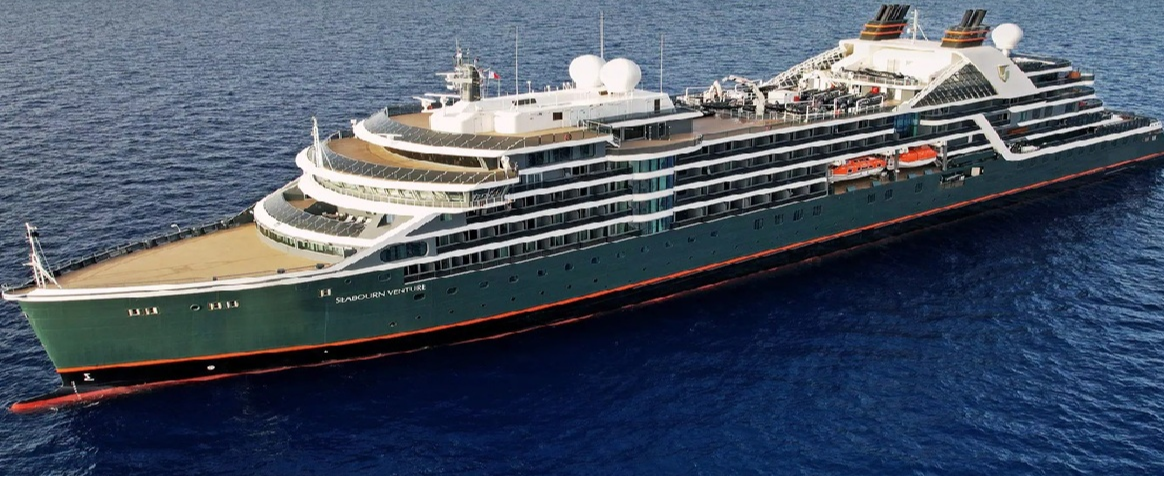
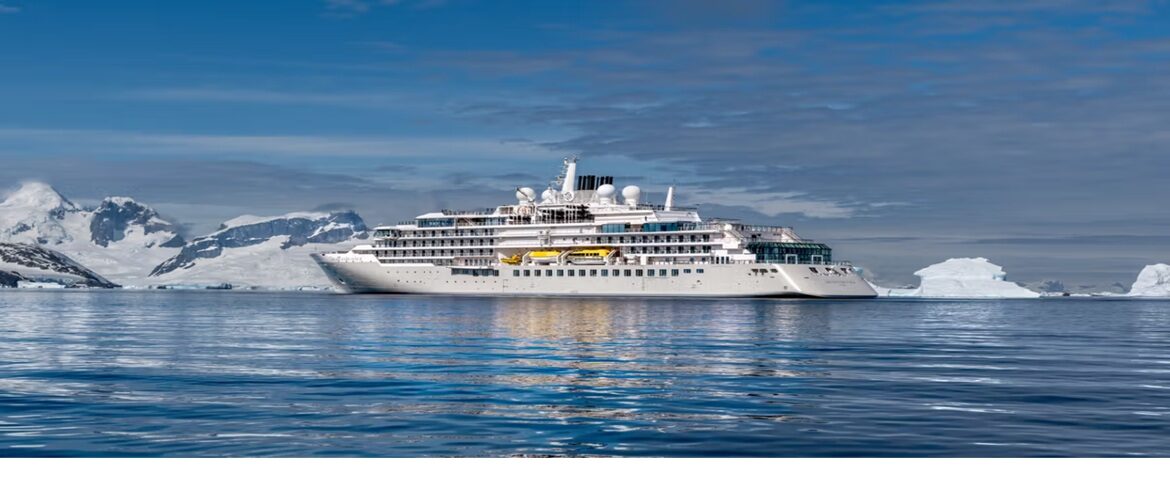
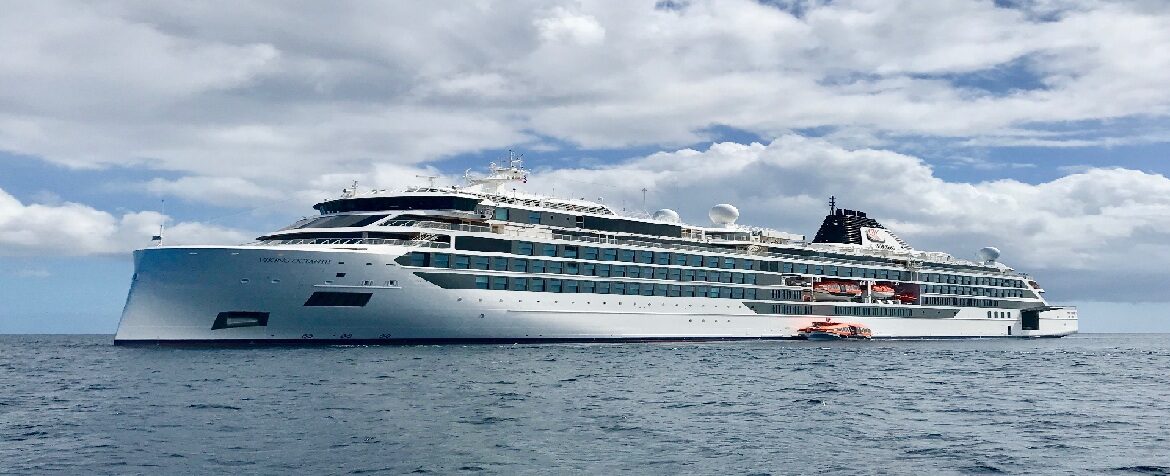
Viking Ocean Cruises (32 Cruises)

There was a time when Battle Harbour's salt cod sold as far as Europe and the West Indies, and this tiny Labrador harbour held the title of the region's salt fish capital. The merchants left, and industrial fishing closed the curtain in 1992, but the island refused to disappear. Restored building by building, it now forms a national historic district where stepping ashore feels like stepping into the nineteenth century.

An Island Without Cars

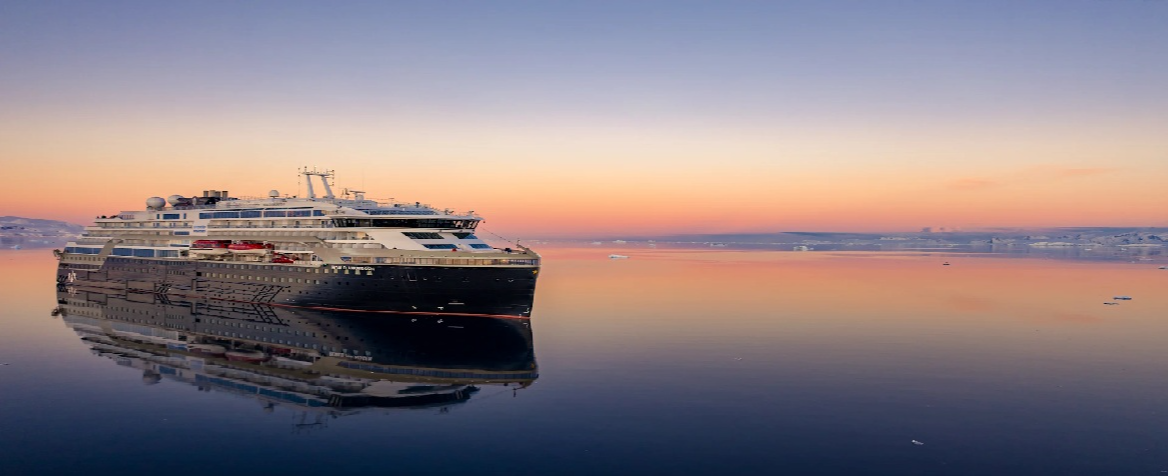
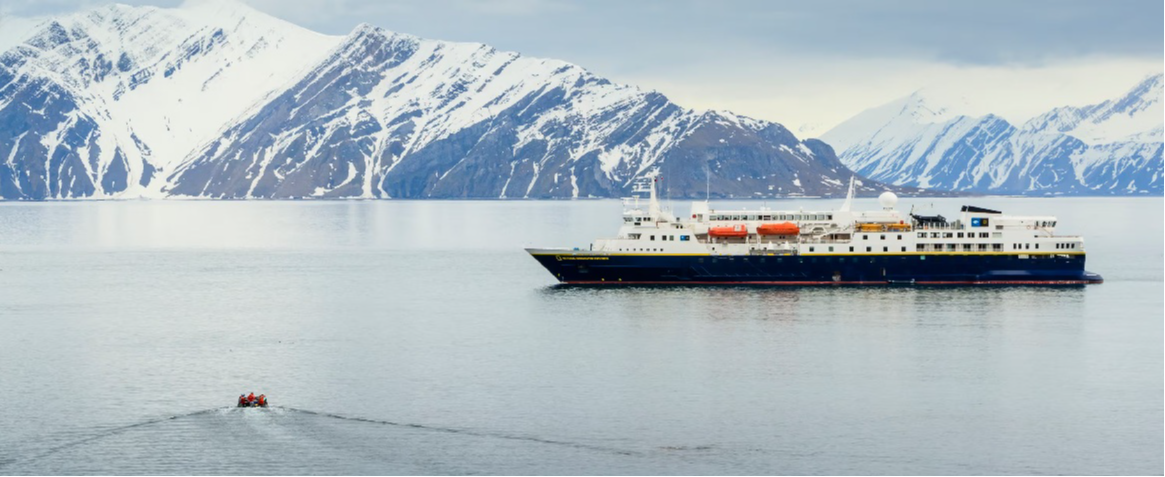
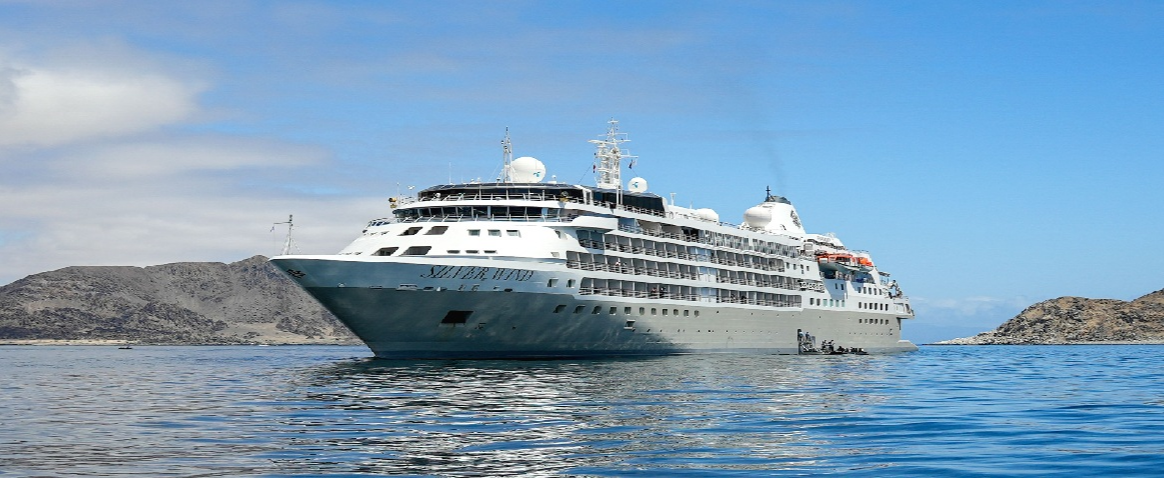
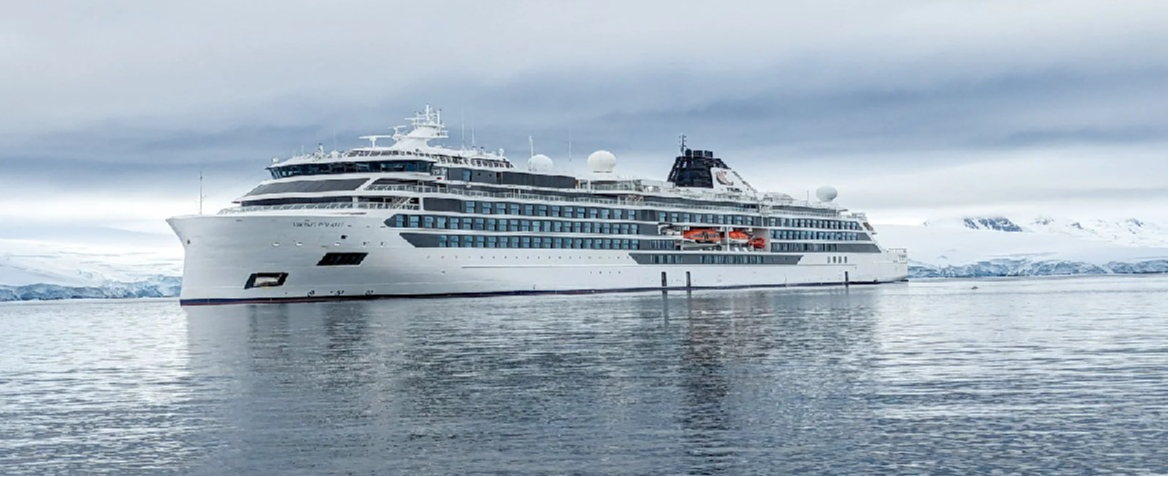
The small rocky island lies off Labrador's south coast, about fifteen kilometres from Mary's Harbour. Expedition ships anchor nearby and bring passengers to the dock by small boat. From the first steps, the setting takes hold: wooden warehouses on pilings lined up in rows, boardwalks worn smooth by generations of boots, bare hills swept by the wind off the open sea. No vehicles, no modern streetlights; the whole place is explored entirely on foot, to the creak of planks underfoot.

The Cod Warehouses

The heart of the visit lies in the restored merchant buildings, among the oldest fishing premises still standing in Atlantic Canada. Visitors wander among the drying racks, barrels, scales and tools once used to turn cod into "white gold." Guides, often descendants of the families who lived here, tell of bartering, endless winters, and schooners loaded to the gunwales. Their stories are worth more than any interpretive panel: one recalls a grandfather weighing fish on this very scale, another points out the house where she was born. The general store, still stocked, smells of old wood and rope, and still carries woollens and everyday essentials, much as it did a century ago.

A Press Conference at the Top of the World

History left this hamlet with an unexpected chapter. In 1909, explorer Robert Peary, returning from his expedition toward the North Pole, stopped at Battle Harbour and answered reporters' questions in the salt loft of the merchant complex, one of the first points on the coast equipped with wireless telegraph. The room can still be visited, much as it was when the whole world waited for news from the pole.

The Church and the Trails

On higher ground, the small Anglican church of St. James the Apostle, consecrated in the mid-nineteenth century, ranks among the oldest places of worship on the Labrador coast, and its simplicity moves visitors more than many a cathedral. Beyond it, grassy trails cross the island in an hour or two of easy walking. The views follow one after another: brightly coloured fishing houses, coves where icebergs drifted down from Greenland linger, a horizon where humpback and minke whales blow. In spring and early summer, the passing ice gives the panorama the look of a sculpture gallery. Botany enthusiasts will spot cloudberries, cottongrass and tundra plants tucked into sheltered hollows along the way.

Time Regained

Battle Harbour has no chain shops or manufactured attractions. Its strength lies in the accuracy of its restoration and in the presence of the people who keep the place's memory alive, even offering lodging in period homes for the rare visitors who extend their stay. A bowl of fish soup served in the communal dining room, tea taken while listening to islanders' stories, and the nineteenth century stops being an abstraction. As the boat carries passengers back to the ship, the wooden rooftops fade against the granite, and everyone understands they've just crossed through not a museum, but an intact piece of North Atlantic history.

Frequently Asked Questions

Expedition ships anchor nearby and land passengers at the wharf by small boat. The island lies off the south Labrador coast, about fifteen kilometres from Mary's Harbour.
None. No vehicles, no modern street lights: the whole place is covered on foot, at the pace of wooden boardwalks creaking underfoot.
The restored merchant premises are the heart of the visit, with the salt loft and the general store. Add St. James the Apostle Anglican church on the rise and an hour of grassy trails: the island is easily covered.
It was the salt fish capital of the region: its salt cod sold as far as Europe and the West Indies. The industrial fishery closed in 1992, but the island was restored building by building and is now a National Historic District.
Drying flakes, barrels, scales and the tools used to process cod. These are among the oldest fishing premises still standing in Atlantic Canada, and the general store is still stocked.
In 1909 the explorer Robert Peary, returning from his North Pole expedition, stopped here and answered reporters' questions in the salt loft of the merchant complex, one of the first points on the coast with wireless telegraph. The room can still be visited.
Often descendants of the families who lived here. Their stories are worth more than any interpretive panel: one remembers a grandfather weighing fish on that very scale, another points out the house where she was born.
In spring and early summer, yes: ice drifting down from Greenland fills the coves and turns the view into a sculpture gallery. Humpbacks and minke whales blow offshore in season.
In layers, with a windbreaker and walking shoes: the hills are bare and swept by open-sea wind, and the boardwalks can be slippery. Even in July it is cool.
No, and that is deliberate. No chain shops, no manufactured attractions: the strength of the place is the accuracy of the restoration and the presence of the islanders. Fish soup is served in the common dining room, and the general store sells woollens and basic goods.