Woody Point NL Gros Morne NP, Newfoundland-Labrador Canada
82
Cruises availables
At departure or passage at this port
Atlas Ocean Voyages (2 Cruises)




Viking Ocean Cruises (64 Cruises)
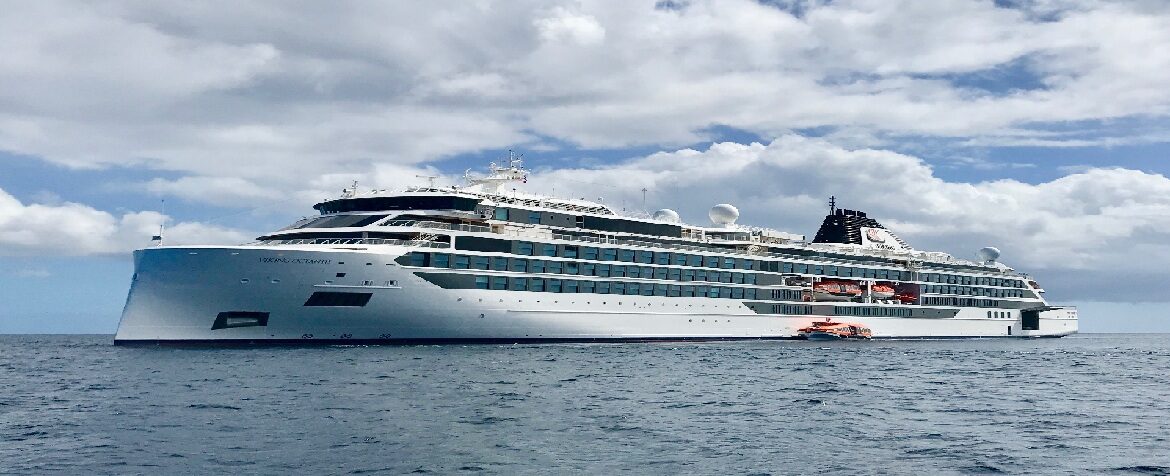
Viking Octantis
40 Cruises

| 2 March | 68 nights | One-way from Buenos Aires to Milwaukee WI |
450-628-6241
Call us
|
| 3 March | 66 days | One-way from Buenos Aires to Milwaukee WI |
450-628-6241
Call us
|
| 20 April | 11 days | One-way from New York to Toronto |
450-628-6241
Call us
|
| 20 April | 12 nights | One-way from New York to Toronto |
450-628-6241
Call us
|
| 15 March | 62 nights | One-way from Buenos Aires to Milwaukee WI |
450-628-6241
Call us
|
| 16 March | 60 days | One-way from Buenos Aires to Milwaukee WI |
450-628-6241
Call us
|
| 27 April | 11 days | One-way from New York to Toronto |
450-628-6241
Call us
|
| 27 April | 12 nights | One-way from New York to Toronto |
450-628-6241
Call us
|
| 19 March | 62 nights | One-way from Buenos Aires to Milwaukee WI |
450-628-6241
Call us
|
| 20 March | 60 days | One-way from Buenos Aires to Milwaukee WI |
450-628-6241
Call us
|
| 1 May | 11 days | One-way from New York to Toronto |
450-628-6241
Call us
|
| 1 May | 12 nights | One-way from New York to Toronto |
450-628-6241
Call us
|
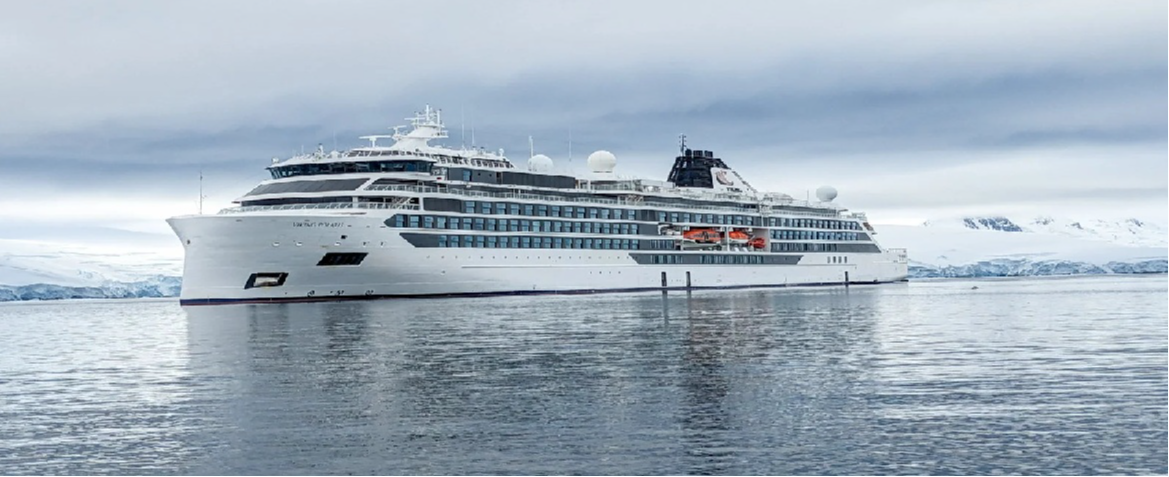
Viking Polaris
24 Cruises
| 14 March | 62 nights | One-way from Buenos Aires to Milwaukee WI |
450-628-6241
Call us
|
| 15 March | 60 days | One-way from Buenos Aires to Milwaukee WI |
450-628-6241
Call us
|
| 26 April | 11 days | One-way from New York to Toronto |
450-628-6241
Call us
|
| 26 April | 12 nights | One-way from New York to Toronto |
450-628-6241
Call us
|
| 29 April | 12 nights | One-way from New York to Toronto |
450-628-6241
Call us
|
| 29 April | 11 days | One-way from New York to Toronto |
450-628-6241
Call us
|
Windstar Cruises (6 Cruises)
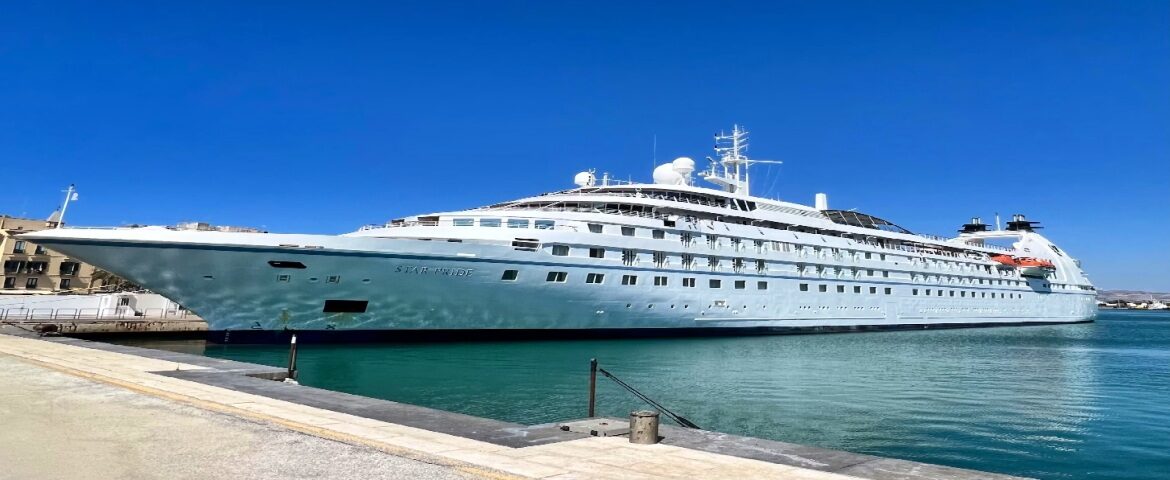
Star Pride
6 Cruises


Woody Point, Gros Morne | Cruise Port Guide
Frequently Asked Questions
By tender, at the village's wooden wharf. Expedition ships anchor in the shelter of the Bonne Bay hills and land passengers right at the foot of the houses.
Yes, the village centre is flat and easily walked: about thirty heritage houses, galleries, cafés and studios. The trails, by contrast, involve sustained climbs.
For an unusual reason: here the Earth shows its mantle. The Tablelands are made of peridotite from the Earth's mantle, pushed to the surface hundreds of millions of years ago in a collision of continents. The site helped geologists confirm the theory of plate tectonics.
A rust-coloured plateau that breaks sharply with the wooded hills, less than ten kilometres from the village. Its chemistry prevents almost all vegetation, hence the lunar landscape. A four-kilometre return trail runs along its base; it is too far to walk from the village, so take the ship's excursion or a local guide.
The best introduction to the park, a few minutes' walk from the landing: geological models, an exhibit on the culture of surrounding communities, naturalist talks in season, an art gallery and a large terrace overlooking the water. It is also where you buy the national park pass required for the trails.
The Lookout Trail, starting from the Discovery Centre parking area and switchbacking up to a plateau taking in the rooftops, the fjord and the Tablelands. Allow about two hours return for this steady but manageable climb.
A water taxi crosses to Norris Point on the opposite shore in about fifteen minutes. The Bonne Bay marine research station, with its small aquarium of local species, joins the itinerary there; from the boat deck, watch for seals, ospreys and the occasional passing whale.
A few cafés and craft shops, no large stores. Excursions to the plateau should be booked ahead: vehicles are scarce in the region.
A literary gathering held each August at the village's heritage theatre, drawing authors from across the country to this far corner of the island.
Clothing for changeable maritime weather: wind and drizzle can arrive even in high summer. Bring good shoes if you plan to use the trails.


