Cape Horn Chile Antarctica
Chile
329
Cruises availables
At departure or passage at this port
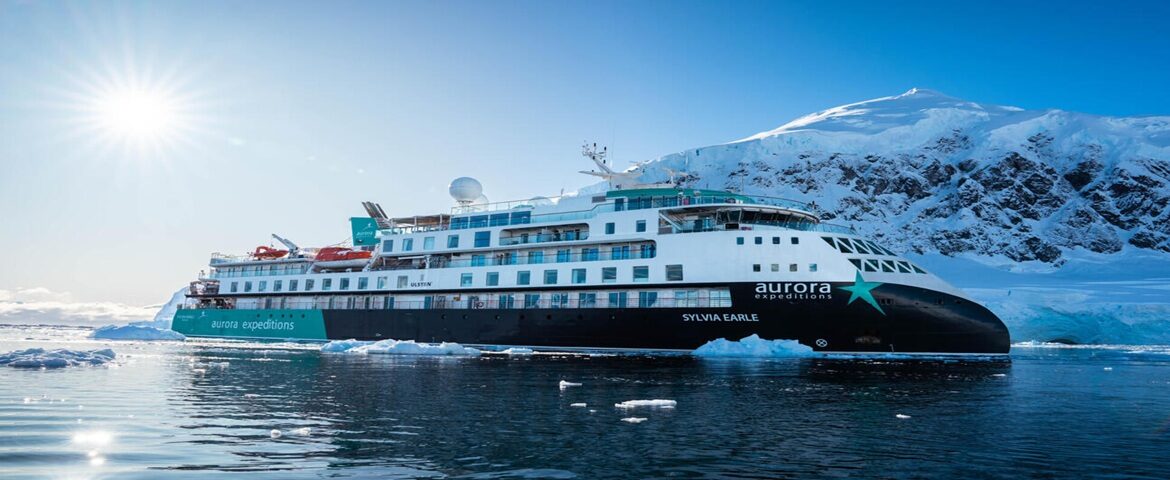
Aurora Expeditions (1 Cruises)

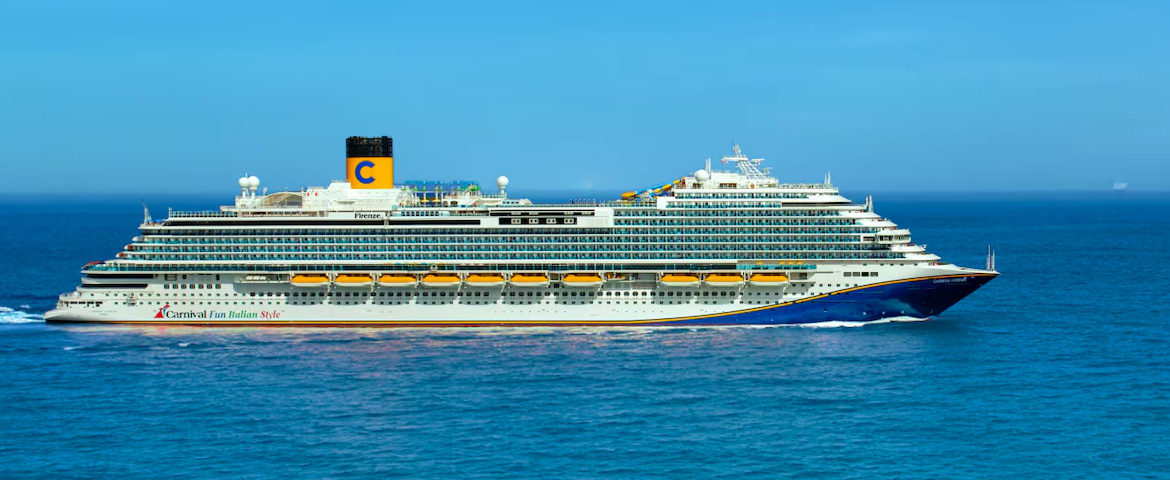
Carnival Cruise Line (2 Cruises)

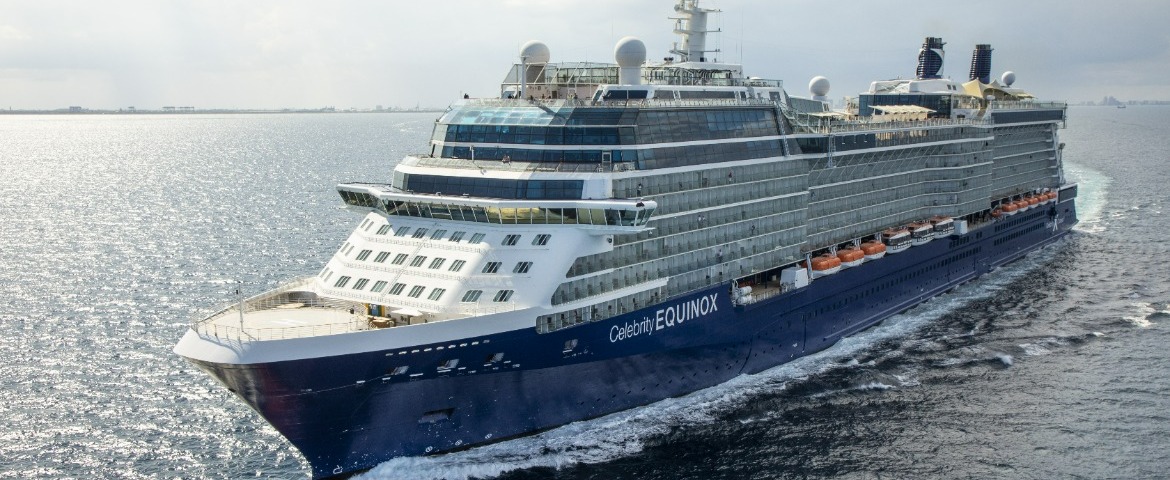
Celebrity Cruises (24 Cruises)
Celebrity Equinox
24 Cruises

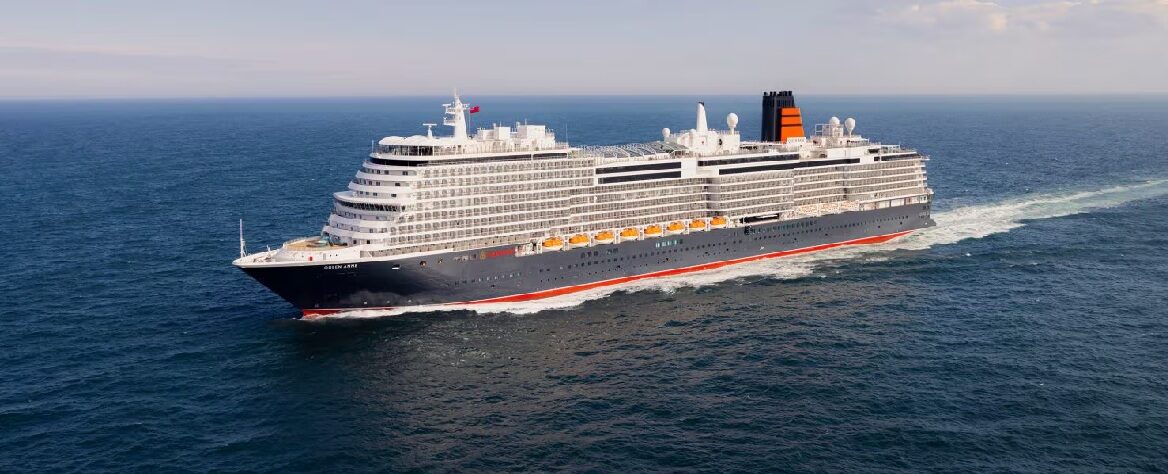
Cunard (10 Cruises)
Queen Anne
10 Cruises

Holland America Line (56 Cruises)
ms Nieuw Amsterdam
20 Cruises

| 21 February | 14 days | One-way from San Antonio to Buenos Aires |
450-628-6241
Call us
|
| 21 February | 15 days | One-way from San Antonio to Buenos Aires |
450-628-6241
Call us
|
ms Nieuw Statendam
20 Cruises
| 21 February | 15 days | One-way from San Antonio to Buenos Aires |
450-628-6241
Call us
|
| 21 February | 14 days | One-way from San Antonio to Buenos Aires |
450-628-6241
Call us
|
ms Oosterdam
13 Cruises
| 10 January | 22 days | One-way from San Antonio to Buenos Aires |
450-628-6241
Call us
|
| 10 January | 22 days | One-way from San Antonio to Buenos Aires |
450-628-6241
Call us
|
Ponant (4 Cruises)

Princess Cruises (12 Cruises)
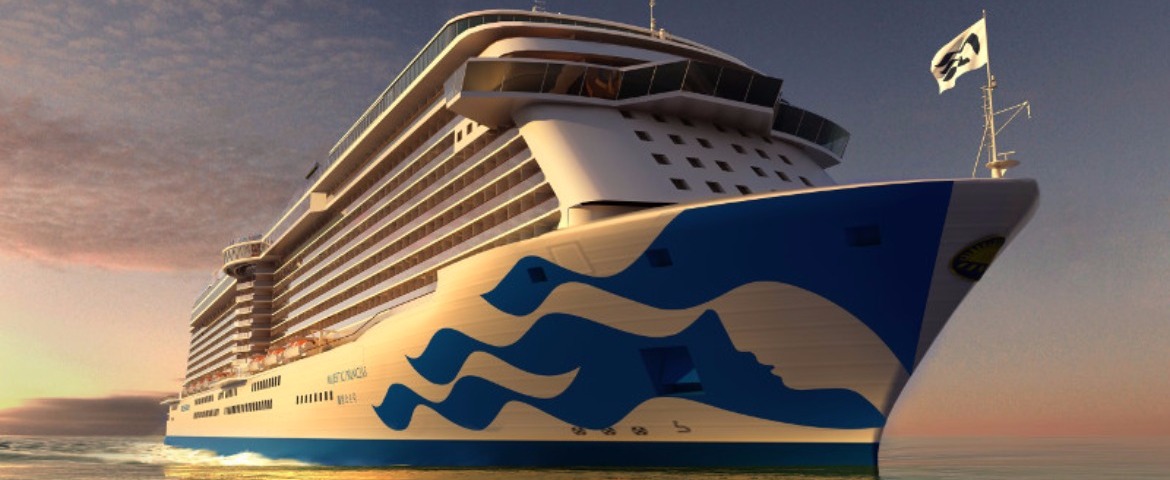
Majestic Princess
12 Cruises

| 19 November | 33 days | One-way from Fort Lauderdale to San Antonio |
450-628-6241
Call us
|
| 19 November | 34 days | One-way from Fort Lauderdale to San Antonio |
450-628-6241
Call us
|
| 30 October | 37 days | One-way from Southampton to San Antonio |
450-628-6241
Call us
|
| 30 October | 38 days | One-way from Southampton to San Antonio |
450-628-6241
Call us
|

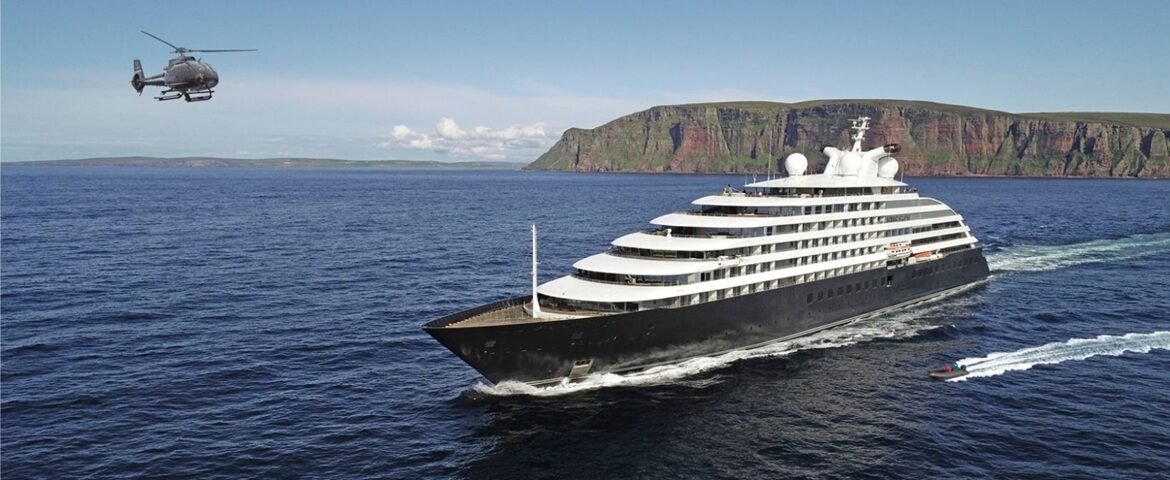
Scenic Cruises (34 Cruises)
Scenic Eclipse
17 Cruises


Scenic Eclipse II
17 Cruises
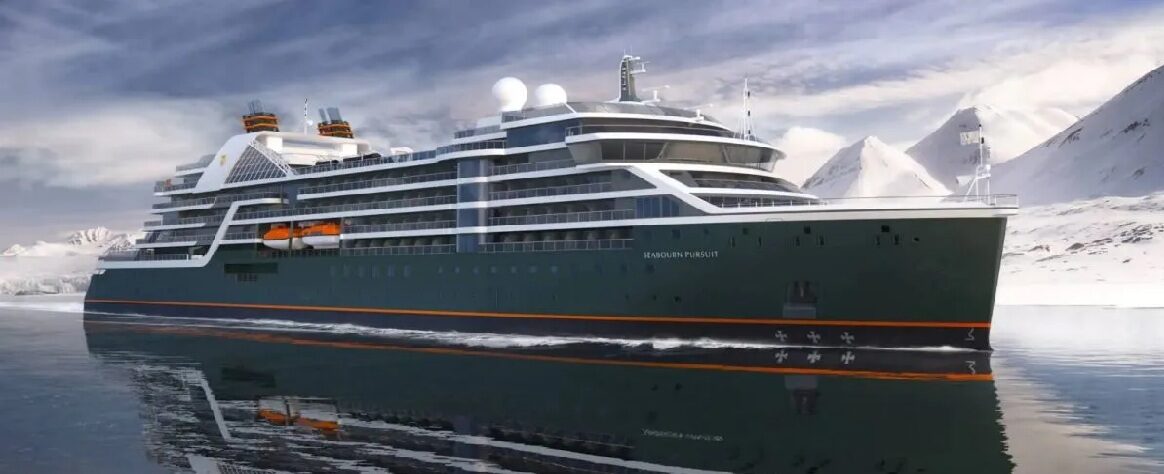
Seabourn Cruise Line (4 Cruises)

Viking Ocean Cruises (181 Cruises)
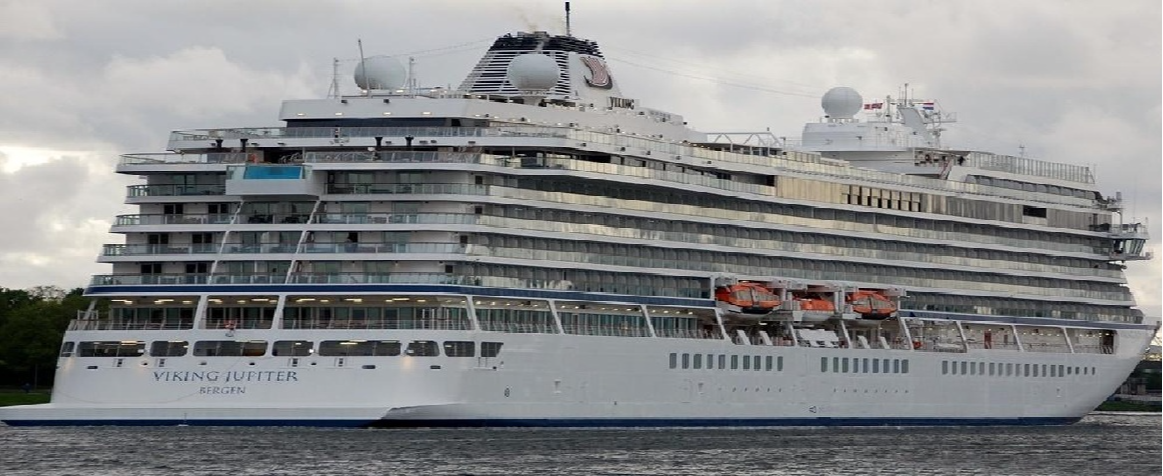
Viking Jupiter
24 Cruises

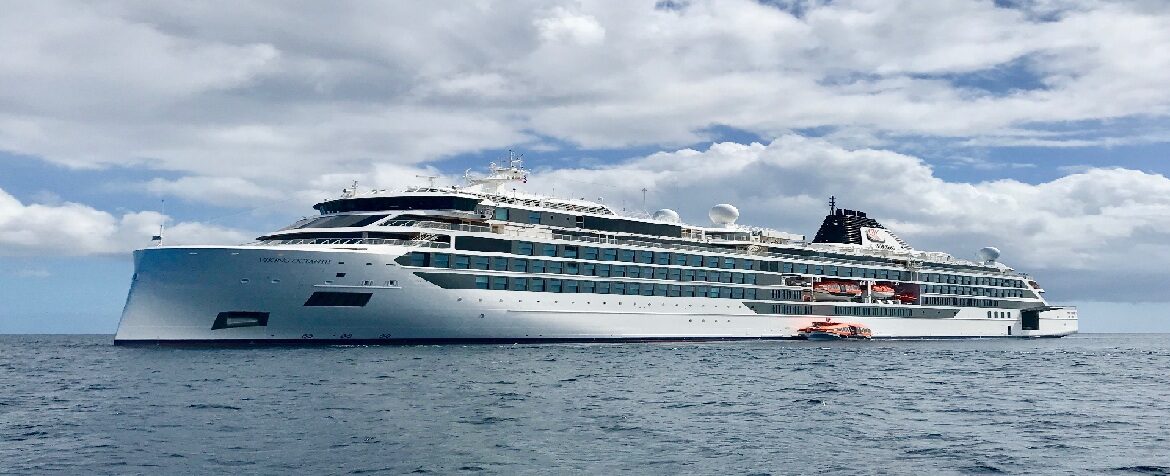
Viking Octantis
83 Cruises
| 6 November | 41 days | One-way from Fort Lauderdale to Ushuaia |
450-628-6241
Call us
|
| 23 November | 13 days | One-way from Valparaiso-Santiago to Ushuaia |
450-628-6241
Call us
|
| 9 September | 81 days | One-way from Nuuk to Ushuaia |
450-628-6241
Call us
|
| 10 September | 79 days | One-way from Nuuk to Ushuaia |
450-628-6241
Call us
|
| 22 February | 13 days | One-way from Buenos Aires to Ushuaia |
450-628-6241
Call us
|
| 23 February | 11 days | One-way from Buenos Aires to Ushuaia |
450-628-6241
Call us
|
| 22 September | 62 days | One-way from Milwaukee WI to Ushuaia |
450-628-6241
Call us
|
| 23 September | 60 days | One-way from Milwaukee WI to Ushuaia |
450-628-6241
Call us
|
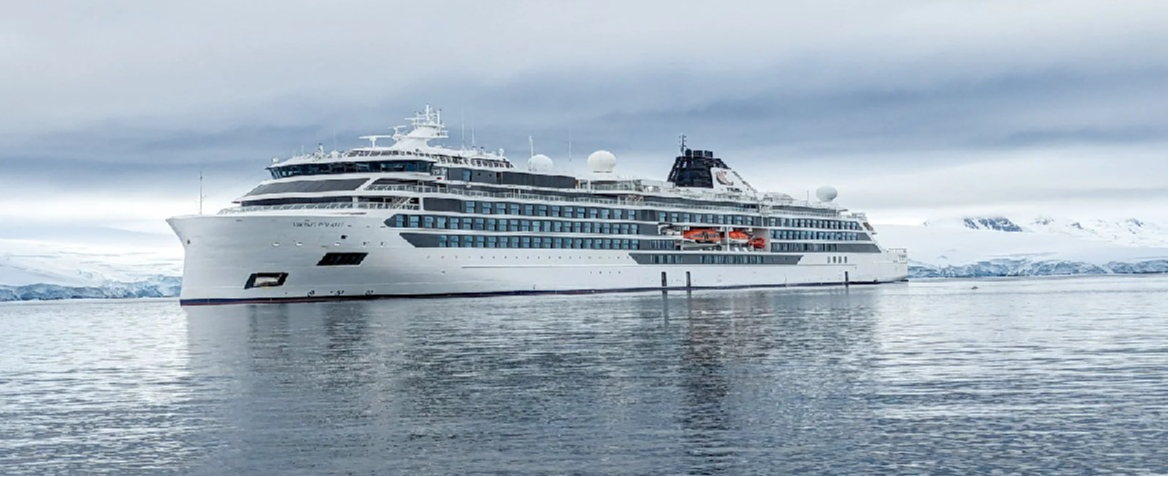
Viking Polaris
74 Cruises
| 9 March | 14 days | One-way from Buenos Aires to Valparaiso-Santiago |
450-628-6241
Call us
|
| 10 March | 12 days | One-way from Buenos Aires to Valparaiso-Santiago |
450-628-6241
Call us
|
| 15 September | 81 days | One-way from Nuuk to Ushuaia |
450-628-6241
Call us
|
| 16 September | 79 days | One-way from Nuuk to Ushuaia |
450-628-6241
Call us
|
| 21 February | 13 days | One-way from Buenos Aires to Ushuaia |
450-628-6241
Call us
|
| 22 February | 11 days | One-way from Buenos Aires to Ushuaia |
450-628-6241
Call us
|
Cape Horn, Chile | Cruise Port Guide
Frequently Asked Questions
Rarely, and never with any guarantee. For most cruise passengers, the cape is experienced from the deck during a narrated rounding. Only some expedition ships attempt a zodiac landing, and only when the weather allows.
On Hornos Island, south of Chilean Tierra del Fuego. This dark headland marks the southern tip of the Americas and the meeting of Atlantic and Pacific, at 56 degrees south.
Because the Dutch navigator Willem Schouten, the first to round it in 1616, named it after his home town of Hoorn. Four centuries on, the word still gives sailors a chill.
A small expedition in itself. A zodiac crossing on a rarely obliging sea, then a long wooden staircase bolted to the cliff, under gusts strong enough to stagger an adult. At the top, a boardwalk crosses the sodden moor.
The Cape Horn monument, a large steel sculpture cut in the shape of an albatross, raised in 1992 in memory of sailors lost in these waters. At the other end, a lighthouse, a tiny chapel and the house of the Chilean navy officer posted to the station.
Barely an hour. A climb, the monument, a passport stamp, a few words with the keepers at the end of the world, and it is back to the zodiacs. Short, but few visitors forget it.
Cold and windy, even in high southern summer: the temperature rarely tops ten degrees and squalls blow through in minutes. Bring a windbreaker, hat and gloves even in January, and keep the camera under your jacket.
Penguins and sea lions frequent the nearby coasts, while petrels and albatrosses patrol offshore. Albatrosses almost always escort the ship, gliding without a wingbeat through gusts that bend the vessel's antennas.
Because the seas here are among the harshest on earth and hundreds of sailing ships and steamers have been lost over the centuries. Crews of the great windjammers, loaded with nitrate or wheat, wore themselves out for weeks against the westerlies.
Accept it in advance: Cape Horn decides alone, and no cruise line guarantees a landing. When the attempt fails, the narrated rounding from the deck remains a high point of the cruise.


