Tianjin Beijing, China

37 Cruises availables At departure or passage at this port

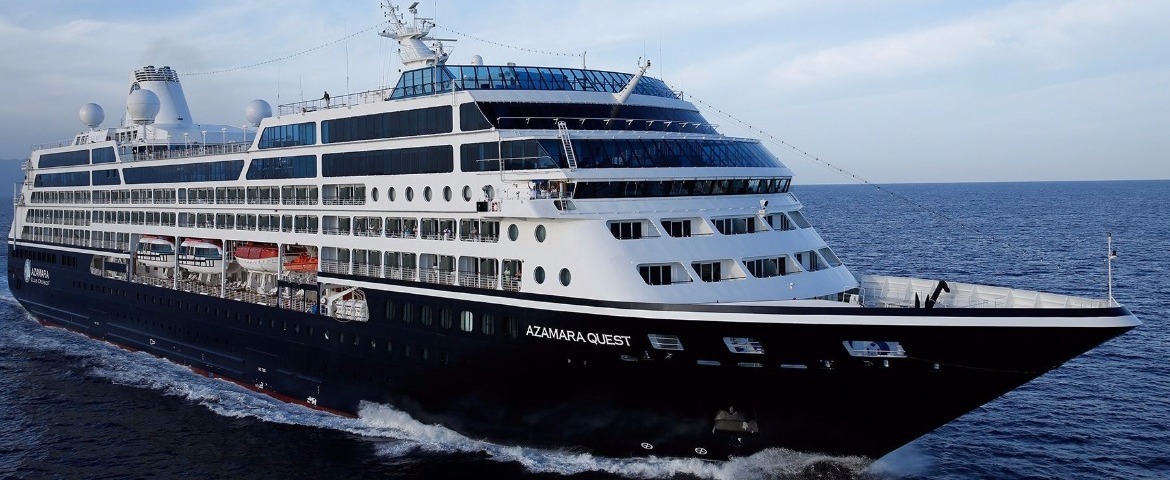
Azamara Club Cruises (29 Cruises)

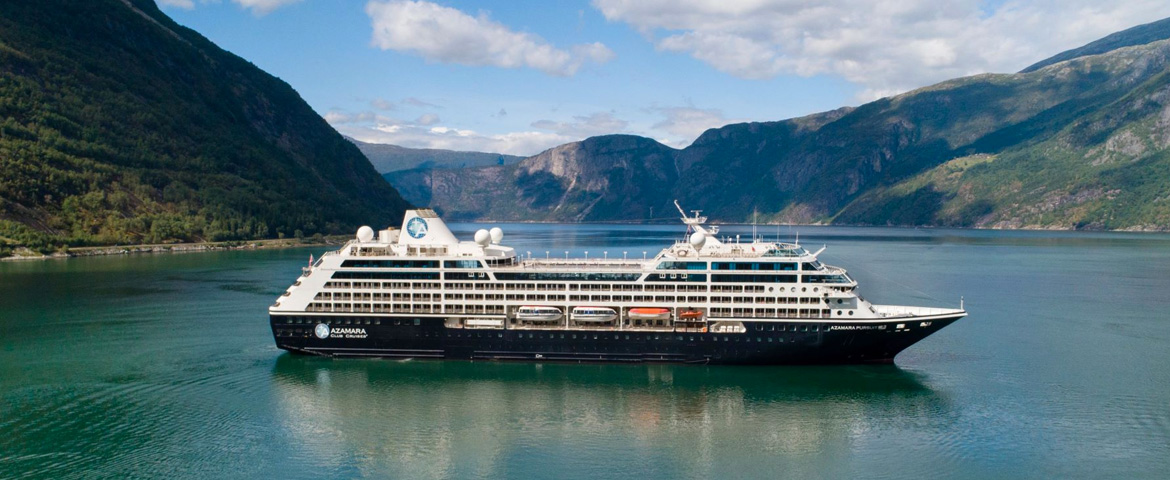
Azamara Pursuit

1112 Passengers
30277 tons
Visit the ship's page

Tianjin (Beijing), China | Cruise Port Guide

For most cruise passengers, Tianjin is first and foremost a gateway: the one that leads to Beijing, the Great Wall and the Forbidden City. The international terminal juts out on a strip of land reclaimed from the sea, in the Dongjiang area, about 60 kilometres from downtown Tianjin and some 170 kilometres from the Chinese capital. Those heading to Beijing should allow two to three hours' drive each way. Those who choose Tianjin itself make a lesser-known bet, and often a winning one: China's fourth-largest city hides one of the most astonishing ensembles of European architecture in Asia.

Choosing your day

The length of the call dictates everything. A full day allows a round trip to Beijing on an organized excursion, a demanding but realistic option if the ship stays long enough in port. With a tighter schedule, the city offers a solid alternative: less time waiting on the road, more time in the neighbourhoods, and discoveries that surprise most travellers. Cruise line shuttles and excursions cover both options, and taxis can be negotiated at the terminal exit. Whatever you choose, it's best to decide before walking down the gangway rather than improvise on the dock.

The Five Great Avenues

At the start of the twentieth century, the city was divided into foreign concessions, and each power left its houses behind. The Wudadao district, the Five Great Avenues, lines up more than 2,000 villas from the 1920s and 1930s: English brick, Italian loggias, French roofs and walled gardens. You can explore it on foot or by horse-drawn carriage, looking up at the façades where diplomats, bankers and former ministers once lived. You linger in front of ornate gates, glimpse shady inner courtyards, and several former residences now house cafés and small exhibitions that invite a break. The ensemble is among the best preserved in the country and gives the walk the feel of a transplanted Europe, with ginkgo trees added.

Ancient Culture Street

A complete change of scenery on the banks of the Hai River: Ancient Culture Street gathers shops selling calligraphy, fans, jade, silk embroidery and painted clay figurines, a local specialty passed down from generation to generation. The shopfronts recreate the style of past dynasties, incense drifts around the temple dedicated to the sea goddess, and snack stalls let you taste the city's specialties, starting with its famous steamed stuffed buns.

Along the Hai River

The Hai crosses the centre in a succession of bridges, each in a different style, iron arches here, cable-stays there. A one-hour river cruise gives the best overview: glass towers, former trading houses and landscaped banks where residents dance or fish depending on the hour. A Ferris wheel even spans the river, an unusual silhouette that has become one of the city's emblems. In the evening, lighting turns the banks into a long luminous ribbon.

Port call highlights

FeatureGood to know
Cruise terminalDongjiang area, about 60 km from downtown Tianjin
BeijingAbout 170 km, 2 to 3 hours' drive each way
WudadaoVilla district to explore on foot or by carriage
Ancient Culture StreetTraditional shops on the banks of the Hai River

Many passengers return on board with photos of the Great Wall, and that's just fine. But those who stayed on this side of the road bring back something else: the contrast between an English villa and a Chinese temple a few streets apart, the taste of a steamed bun eaten standing up, the evening light on the Hai. Next time, they often say, they'll come back for both.

Frequently Asked Questions

At the Dongjiang international terminal, on reclaimed land about 60 km from central Tianjin and some 170 km from Beijing. Nothing is walkable from this pier.
Yes, but allow two to three hours of driving each way. The round trip is realistic on an organised excursion if the ship spends a full day alongside. Decide before you walk down the gangway rather than improvising on the pier.
It depends on how long you are in port. On a tight schedule Tianjin is the safer bet: less time on the road, more time in the districts, and China's fourth-largest city hides one of Asia's most surprising collections of European architecture.
The Wudadao district, lined with more than 2,000 villas from the 1920s and 1930s: English brick, Italian loggias, French roofs, walled gardens. You explore it on foot or by horse carriage, and several former mansions now hold cafés and small exhibitions.
Because in the early twentieth century the city was divided into foreign concessions, and each power left its houses behind. The ensemble is among the best preserved in China and gives the walk the feel of a displaced Europe, with ginkgos added.
A quarter beside the Hai River gathering shops of calligraphy, fans, jade, silk embroidery and painted clay figurines, a local specialty passed down through generations. Incense drifts around the temple dedicated to the sea goddess.
A succession of bridges, each in a different style, iron arches here, cable stays there. A one-hour river cruise gives the best overview: glass towers, former trading houses, embankments where locals dance or fish depending on the hour, and a Ferris wheel spanning the water.
Steamed stuffed buns, the city's emblematic specialty, and the snacks sold from stalls on the Ancient Culture Street. Painted clay figurines make the most characteristic souvenir of the call.
The yuan, with ubiquitous mobile payment that assumes a local account: keep cash in small notes. Mandarin is spoken, and English remains uncommon outside hotels and the terminal.
May to October, with a clear preference for September and October: clear skies, dry air, the heat gone. Northern winters are cold and windy, and summers heavy and stormy.