Santo Domingo Dominicana

118 Cruises availables At departure or passage at this port

Costa Cruises (108 Cruises)

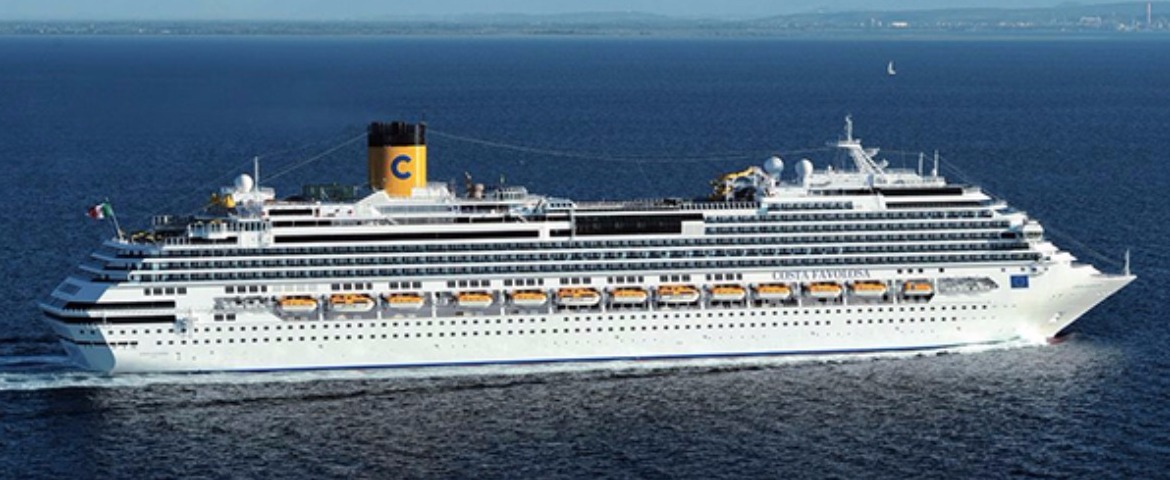
Cruise COS Costa Cruises Favolosa ship

Costa Favolosa

4066 Passengers
114500 tons
Visit the ship's page
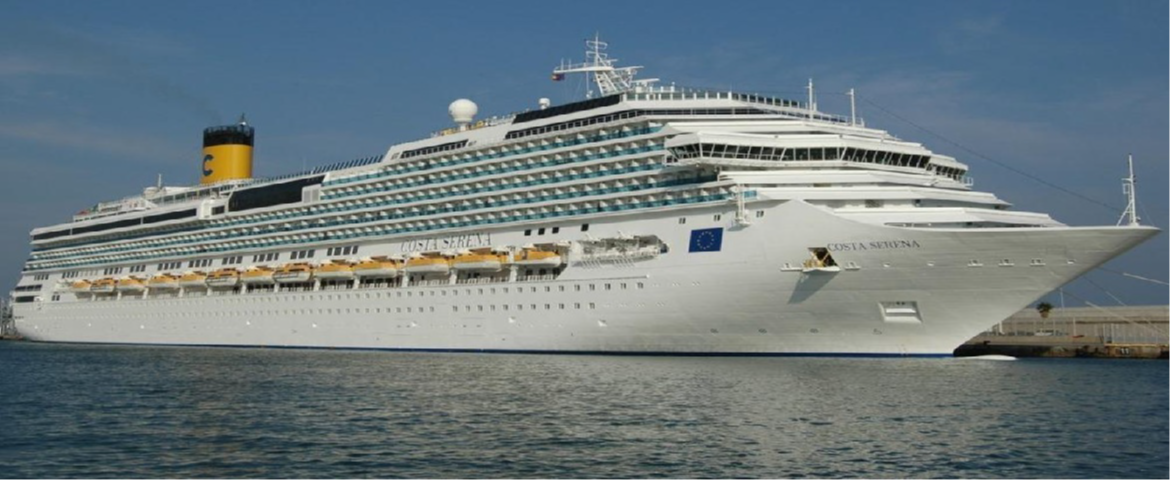
Costa Serena.

Costa Serena

3780 Passengers
114500 tons
Visit the ship's page

Port of Santo Domingo, Dominican Republic | Cruise Port Guide

It all began here. Before Havana, before Cartagena de Indias, before all the capitals of the New World, there was Santo Domingo, founded at the end of the 15th century on the banks of the Ozama River. Ships sail up its mouth to the Don Diego terminal, moored at the very foot of the ramparts. From the deck, you can already make out the crenellated tower of the Fortaleza Ozama and the bell towers rising above the rooftops. The first European city in the Americas awaits a five-minute walk away, and it's anything but a frozen museum: people live, sing and play dominoes beneath the balconies.

The Ciudad Colonial, a five-century-old grid

A UNESCO World Heritage Site, the Colonial Zone can be explored entirely on foot: a dozen cobbled streets laid out on the continent's first grid plan, which then served as a model for almost every city in Spanish America. Calle Las Damas, opened in 1502, remains its oldest street; the ladies of María de Toledo's court showed off their gowns there on Sundays. Today, wrought-iron streetlamps, bougainvillea and coral-stone façades frame a peaceful walk linking the fortress to the National Pantheon, a former Jesuit church turned memorial to the country's heroes.

From the fortress to the cathedral

The Fortaleza Ozama, completed in 1508, has stood guard at the river's mouth for more than five hundred years. You climb its Tower of Homage to take in the water, the rooftops and the Caribbean Sea at a single glance. A few streets away, Parque Colón gathers shoeshiners, coffee vendors and travellers around the statue of the admiral, under the gaze of the pigeons that have colonized the cornices. The Catedral Primada de América, built between 1514 and 1540, closes off the square with its golden façade: Gothic in its vaults, Plateresque in its portal, it was the very first cathedral on the continent, and its cool interior alone is worth a midday break.

The Alcázar de Colón and Plaza de España

Following Calle Las Damas north, Plaza de España suddenly opens up to the sky. The palace that overlooks it, the Alcázar de Colón, was built around 1510 for Diego Columbus, son of Christopher and viceroy of the Indies. Its rooms recreate the furniture, tapestries and tableware of a 16th-century viceregal court; its loggias watch the ships pass on the river, just as they did five hundred years ago. The terraces set up facing the palace offer a welcome break before heading back into the lanes.

El Conde, the street that never stops

The pedestrian street El Conde crosses the district from east to west and concentrates Dominican life: hard-fought games of dominoes, merengue drifting out of the shops, vendors of amber and larimar, the blue stone found only in the Dominican Republic. Chocolate and cigar lovers will find workshops where beans are roasted and cigars rolled before their eyes, with tastings included. A detour to the ruins of the San Francisco Monastery adds a quieter note: given over to wild grasses, the arcades of the New World's first monastery host concerts on certain evenings, and the late-afternoon light skims the old stones.

On the way back to the gangway, the fortress's silhouette stretches across the Ozama as the hum of the district quiets down. You climb back on board with the feeling of having walked through the first chapter of American history, the one all other Caribbean port calls merely continue.

Practical pointers

  • Two terminals share the port calls: Don Diego, at the foot of the Colonial Zone, and Sansouci, on the opposite bank (a short taxi ride, five to ten minutes).
  • The historic district is explored on foot; bring good shoes for the cobblestones.
  • Currency: the Dominican peso; the US dollar is widely accepted in the Colonial Zone.
  • The heat builds quickly at midday: save the museums and cathedral for the hottest hours.

Frequently Asked Questions

Two terminals share the calls: Don Diego, on the Ozama River right below the Colonial Zone walls, and Sansouci, on the opposite bank. From Don Diego the historic quarter is a five-minute walk; from Sansouci, count on a short five to ten minute taxi ride.
Yes, and from Don Diego it is the best way. The Ciudad Colonial is entirely walkable: about ten cobbled streets laid out on the first grid plan in the Americas. Wear good shoes, as the paving is uneven.
Because it all started here. Founded in the late 1400s, it is the first European city in the Americas, well before Havana or Cartagena. Its Colonial Zone is a UNESCO World Heritage site, and it is no frozen museum: people live there, sing there, and play dominoes under the balconies.
Fortaleza Ozama, Calle Las Damas, the Catedral Primada de América, the Alcázar de Colón on Plaza de España, and the El Conde pedestrian street. All of it sits within a few hundred metres, with no transport needed.
The first cathedral on the American continent, built between 1514 and 1540 on Parque Colón. Gothic in its vaults, plateresque in its gilded doorway. Its cool interior makes it a smart stop during the hottest part of the day.
The palace built around 1510 for Diego Columbus, son of Christopher and viceroy of the Indies, on Plaza de España. Its rooms recreate the furniture, tapestries and tableware of a sixteenth-century viceregal court, and its loggias still watch ships pass on the Ozama, exactly as they did five hundred years ago.
The pedestrian street crossing the Colonial Zone east to west. Tight domino games, merengue spilling from shops, amber and larimar dealers, chocolate and cigar workshops where roasting and rolling happen in front of you, tasting included.
The Dominican peso, with US dollars widely accepted in the Colonial Zone, usually at a less favourable rate. The language is Spanish; English works in tourist businesses, French very little.
Yes, in measured doses. The ramparts, the Tower of Homage at Fortaleza Ozama and the ruins of San Francisco monastery appeal to children. But cobblestones, heat and walking distances tire the youngest quickly: plan shaded breaks and plenty of water.
December through April, when the heat stays manageable for walking the cobbled streets. In any season the temperature climbs fast by midday: save the museums and cathedral for the hot hours and start early.