Santa Cruz Island Galapagos, Puerto Ayora
Ecuador
2151
Cruises availables
At departure or passage at this port
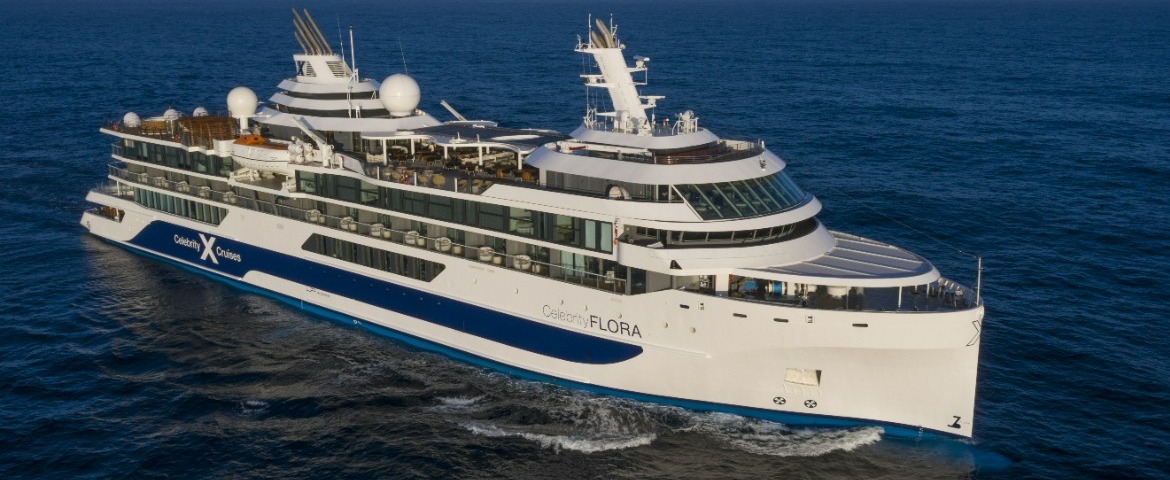
Celebrity Cruises (110 Cruises)
Celebrity Flora
110 Cruises

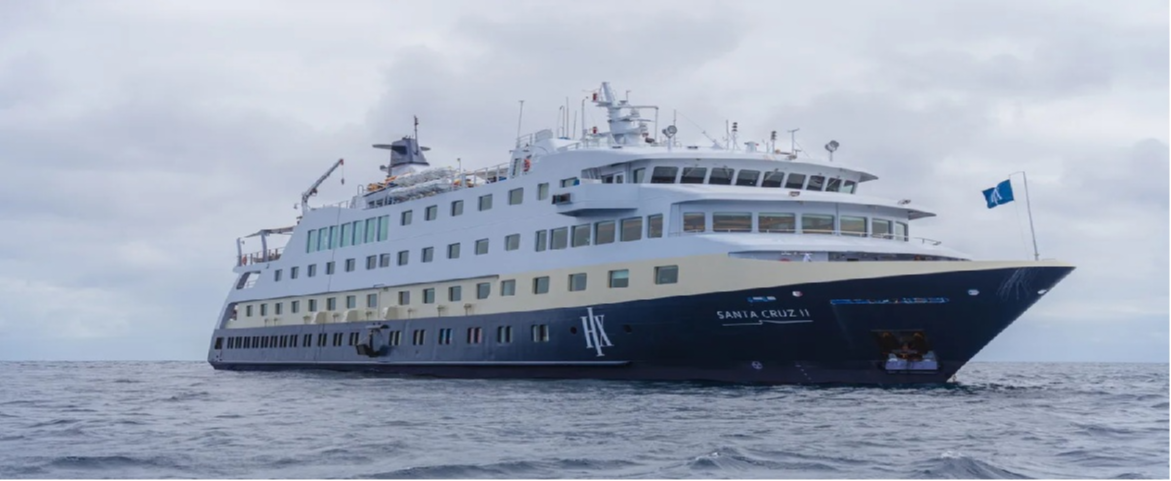
HX Expeditions (282 Cruises)
MS Santa Cruz II
282 Cruises

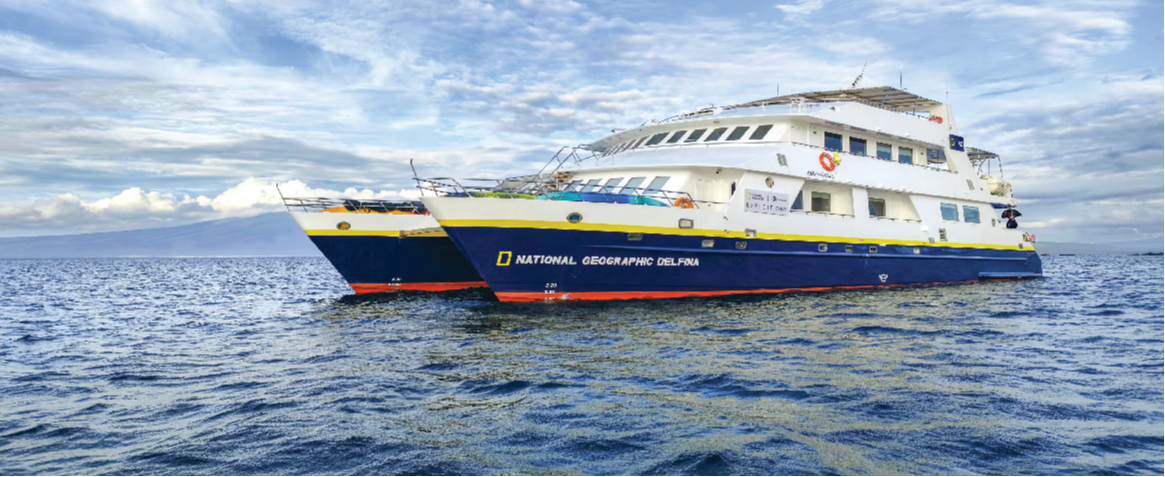
Lindblad Expeditions (1365 Cruises)
National Geographic Delfina
389 Cruises

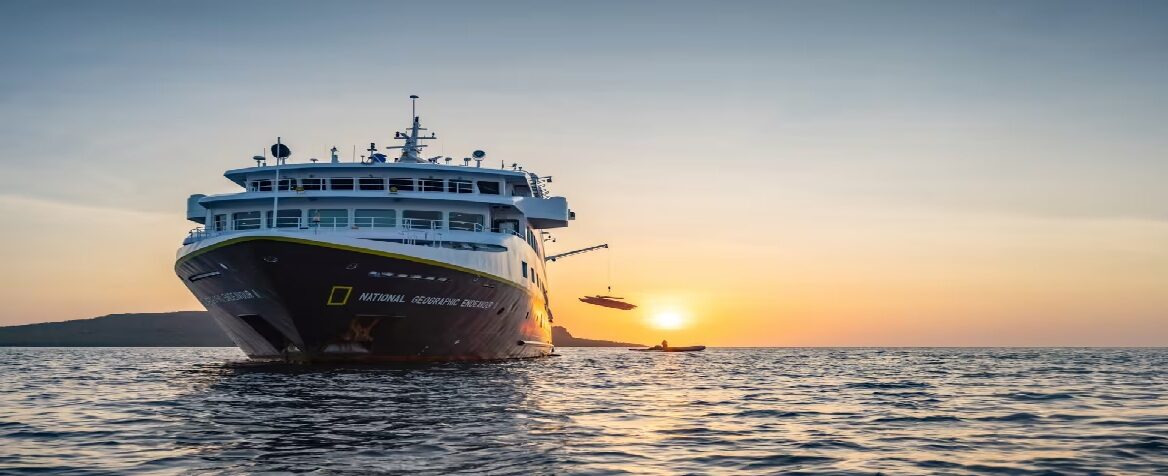
National Geographic Endeavour II
366 Cruises
National Geographic Gemini
307 Cruises
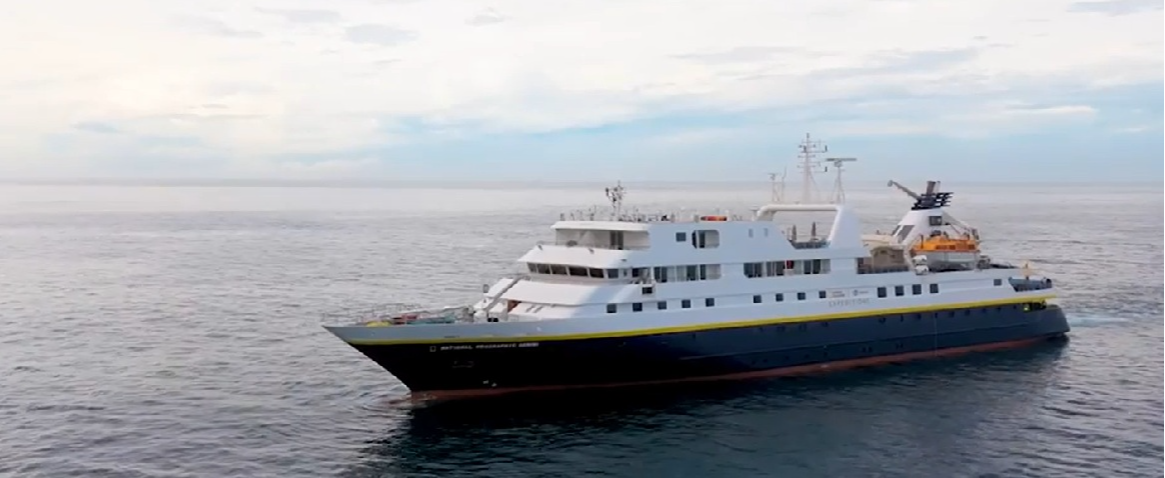
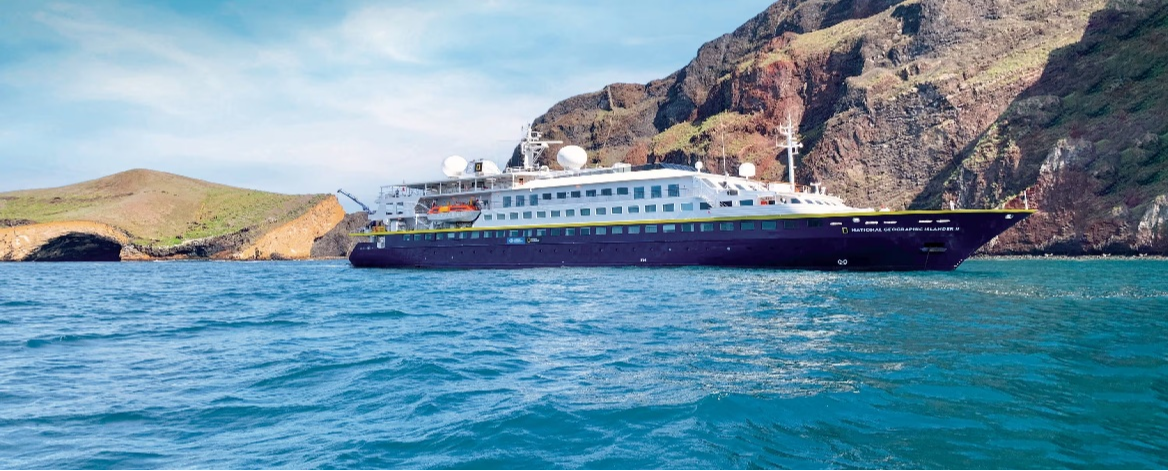
National Geographic Islander II
303 Cruises
Silversea Cruises (112 Cruises)
Silver Origin
112 Cruises


| 21 November | 7 nights | Round-trip from San Cristobal Island, Ecuador |
450-628-6241
Call us
|
| 28 November | 7 nights | Round-trip from San Cristobal Island, Ecuador |
450-628-6241
Call us
|
| 19 August | 7 nights | Round-trip from San Cristobal Island, Ecuador |
450-628-6241
Call us
|
| 26 August | 7 nights | Round-trip from San Cristobal Island, Ecuador |
450-628-6241
Call us
|
Tauck Cruises (282 Cruises)
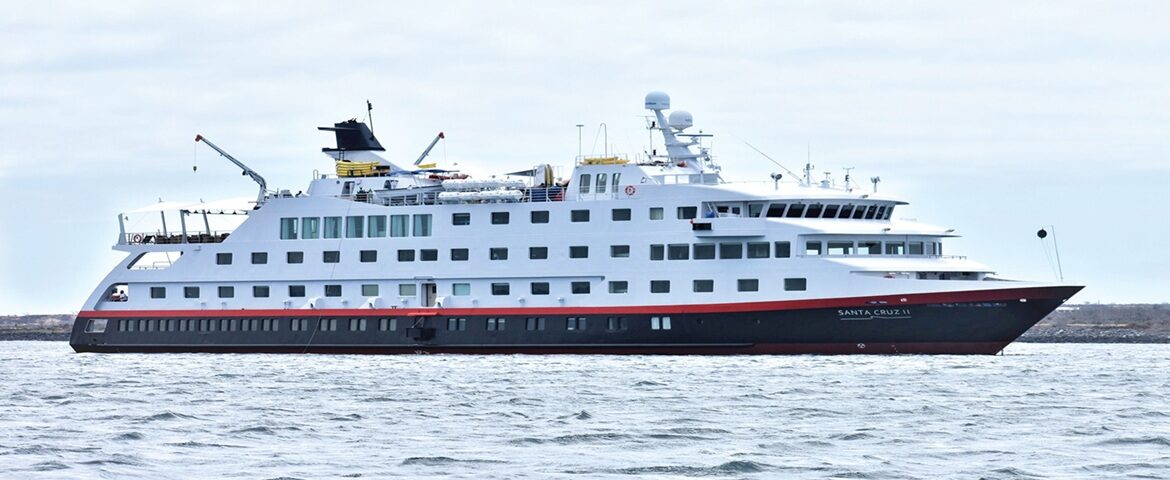
Santa Cruz II
282 Cruises


Puerto Ayora Galapagos | Cruise Port Guide
Frequently Asked Questions
Ships anchor in Academy Bay and tenders land passengers at a dock where pelicans, marine iguanas and sea lions regard people with sovereign detachment. Puerto Ayora has around twenty thousand residents, making it the busiest town in the archipelago.
On foot, ten to twenty minutes along the waterfront from the dock. Paths lined with tree cacti lead to the giant tortoise breeding pens, the scientific heart of the archipelago.
Since the 1960s it has run a breeding programme that brought several giant tortoise populations back from the brink. Dozens of young tortoises grow there before returning to their home island. The panels and interpretation centre recount that patient work, species by species.
In the island's highlands, where excursions climb from the coast. The landscape flips within a few kilometres: the arid coast and its cacti give way to misty meadows and dense vegetation dripping with garúa, the highland drizzle.
Yes, several highland tours include one: a long underground corridor left by the flows that built the island. You walk quite literally in the volcano's tracks.
The same show every day: pelicans and sea lions angling for a share while the knives work through the morning's catch, under the amused eyes of customers picking their fish for supper. It all happens two metres from passersby.
Yes, distances are short. Marine iguanas cross the street unhurried, herons wait near the stalls, and the craft shops and waterfront cafés let you finish the visit without rushing.
An accredited guide accompanies every outing beyond town, and marked trails are followed to the letter. The golden rule for every wildlife encounter: two metres of distance, no contact, no feeding.
A hat, water and sunscreen, even under overcast skies: the equatorial sun is strong despite the short distances. The highlands, by contrast, are cool and damp under the garúa, so a light windbreaker is useful.
The US dollar, Ecuador's official currency, is accepted everywhere. Local shopkeepers are used to visitors working against the tender schedule.


