Aswan Egypt
486
Cruises availables
At departure or passage at this port
AmaWaterways (184 Cruises)
AmaDahlia
98 Cruises
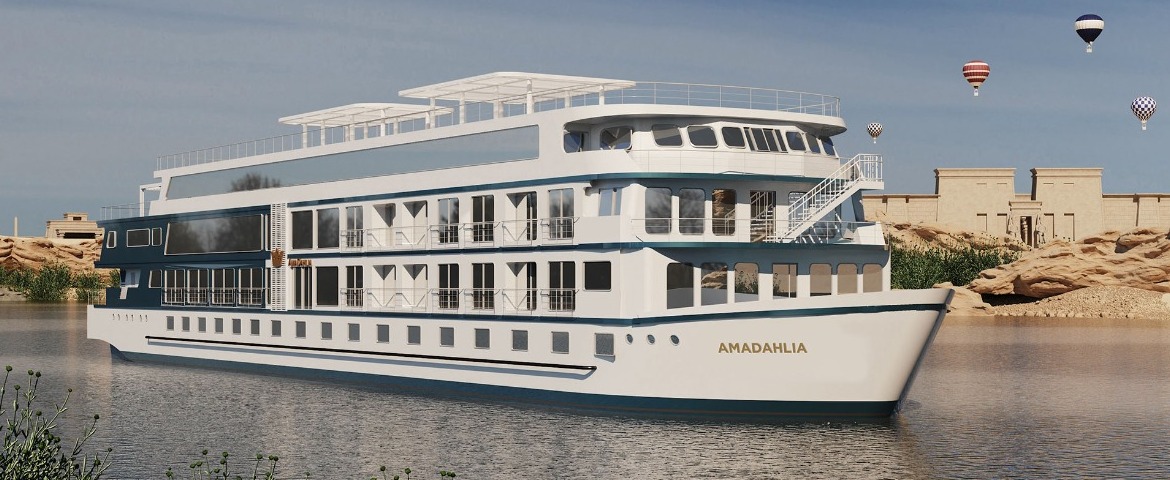

| 2 June | 12 days | Round-trip from Cairo, Egypt |
450-628-6241
Call us
|
| 9 June | 12 days | Round-trip from Cairo, Egypt |
450-628-6241
Call us
|
AmaLilia
86 Cruises
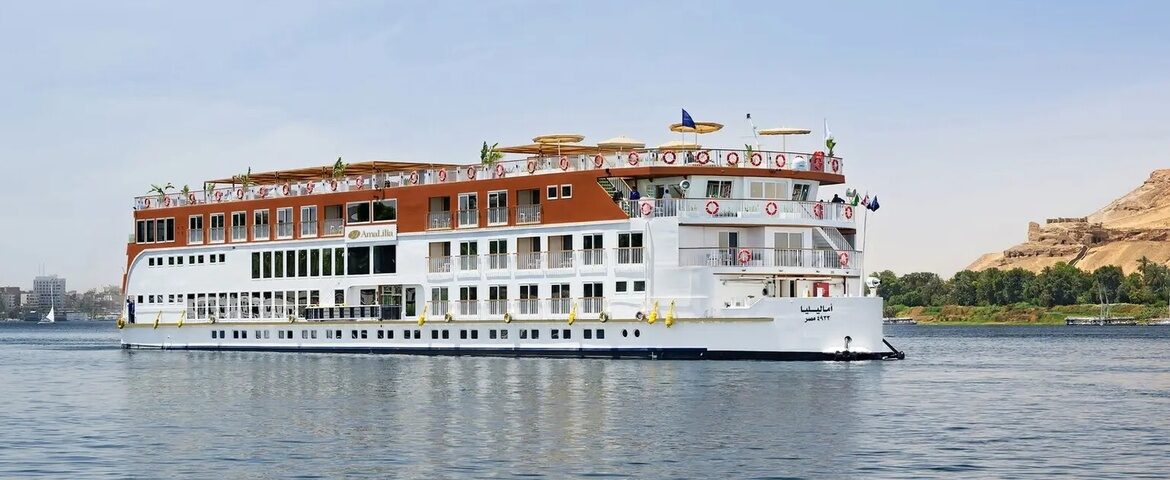
| 26 October | 11 days | Round-trip Secrets of Egypt the Nile |
450-628-6241
Call us
|
| 26 October | 12 days | Round-trip from Cairo, Egypt |
450-628-6241
Call us
|
| 5 April | 12 days | Round-trip from Cairo, Egypt |
450-628-6241
Call us
|
| 12 April | 12 days | Round-trip from Cairo, Egypt |
450-628-6241
Call us
|
| 19 April | 12 days | Round-trip from Cairo, Egypt |
450-628-6241
Call us
|
| 5 June | 12 days | Round-trip from Cairo, Egypt |
450-628-6241
Call us
|
| 12 June | 12 days | Round-trip from Cairo, Egypt |
450-628-6241
Call us
|
Avalon Waterways (52 Cruises)
MS Farah
52 Cruises
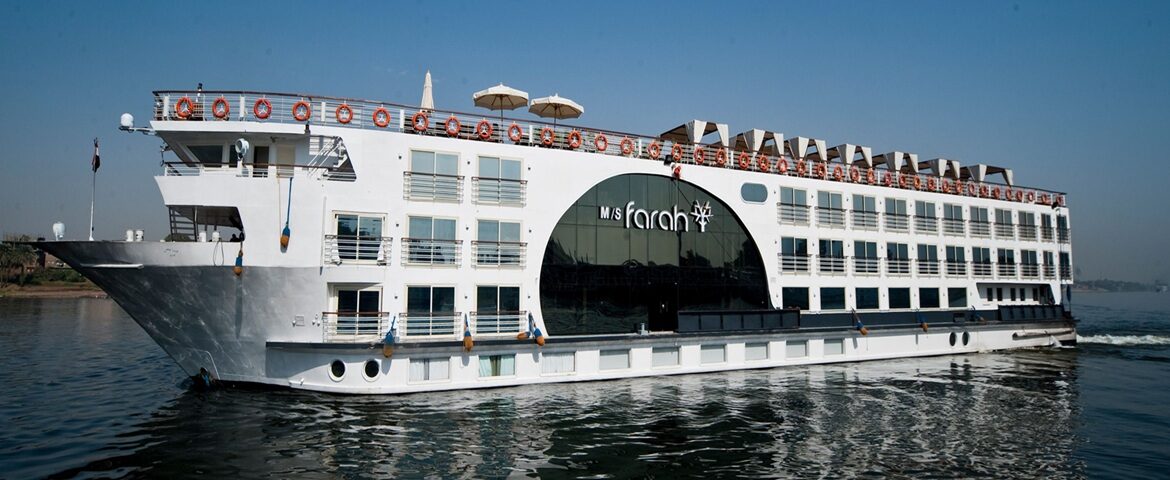

| 23 October | 10 days | Round-trip from Cairo, Egypt |
450-628-6241
Call us
|
| 30 October | 10 days | Round-trip from Cairo, Egypt |
450-628-6241
Call us
|
Uniworld Boutique River Cruise (250 Cruises)
River Tosca
125 Cruises


| 6 May | 12 days | Round-trip from Cairo, Egypt |
450-628-6241
Call us
|
| 13 May | 12 days | Round-trip from Cairo, Egypt |
450-628-6241
Call us
|
| 20 May | 12 days | Round-trip from Cairo, Egypt |
450-628-6241
Call us
|
S.S. Sphinx
125 Cruises

| 6 May | 12 days | Round-trip from Cairo, Egypt |
450-628-6241
Call us
|
| 13 May | 12 days | Round-trip from Cairo, Egypt |
450-628-6241
Call us
|
| 20 May | 12 days | Round-trip from Cairo, Egypt |
450-628-6241
Call us
|
Port of Aswan, Egypt | Cruise Port Guide
Frequently Asked Questions
Along the corniche, right in the heart of Aswan. The souk and downtown are walkable from the quays, and Elephantine Island is a few minutes away by small boat.
The Temple of Philae on Agilkia Island, Elephantine Island and its Nubian villages, the souk, the unfinished obelisk and the Nubian Museum. An hour under sail at sunset rounds out the day and remains, for many, the strongest memory.
By road to the Shellal landing, then by motor launch: allow about thirty minutes in all. The Temple of Isis was moved stone by stone to Agilkia Island during an international rescue led under UNESCO.
The island facing the corniche, reached in a few minutes by boat. At its southern tip, remains of the Temple of Khnum and an ancient nilometer recall that it once watched the floods; to the north, the Nubian villages of Siou and Koti line up houses painted in blue, ochre and geometric patterns.
Yes, on Elephantine Island. You walk the sandy lanes among goats, bougainvillea and children who wave. A mint tea on a terrace facing the Nile completes the crossing.
A monolith some forty metres long, abandoned in its bed of stone after a crack appeared, in the granite quarries at the southern edge of town. Nowhere else do you better understand the work of ancient stonecutters.
Stalls of spices, dried hibiscus, baskets and fabrics along several streets parallel to the corniche. Bargaining is done with a smile, and it is part of the exchange rather than an obstacle to it.
For many it is the heart of the call. An hour under sail among the granite islets and the gardens of Kitchener's Island, planted with trees from across the former British empire. Some crews accompany the sailing with Nubian songs and drums.
Yes, the classic excursions often include it. Completed in 1970, it holds back Lake Nasser for more than 500 kilometres and reshaped the geography of all Upper Egypt.
Early morning for Philae, before the heat, when the site belongs almost entirely to the birds. And late afternoon for the felucca, when the water takes on coppery light and the west-bank hills fade into violet silhouettes.


