Cairo Egypt
488
Cruises availables
At departure or passage at this port
AmaWaterways (184 Cruises)
AmaDahlia
98 Cruises
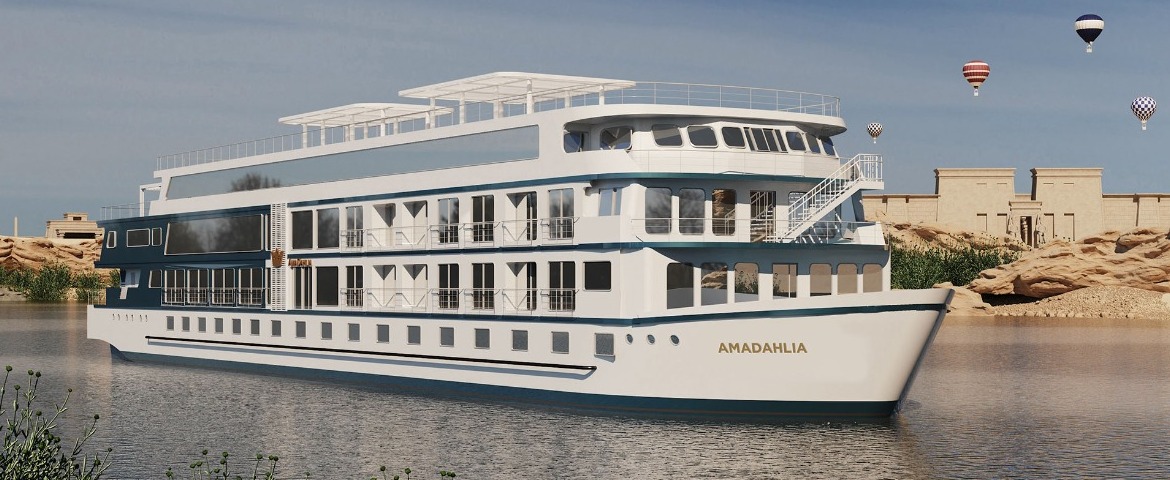

| 2 June | 12 days | Round-trip from Cairo, Egypt |
450-628-6241
Call us
|
| 9 June | 12 days | Round-trip from Cairo, Egypt |
450-628-6241
Call us
|
AmaLilia
86 Cruises
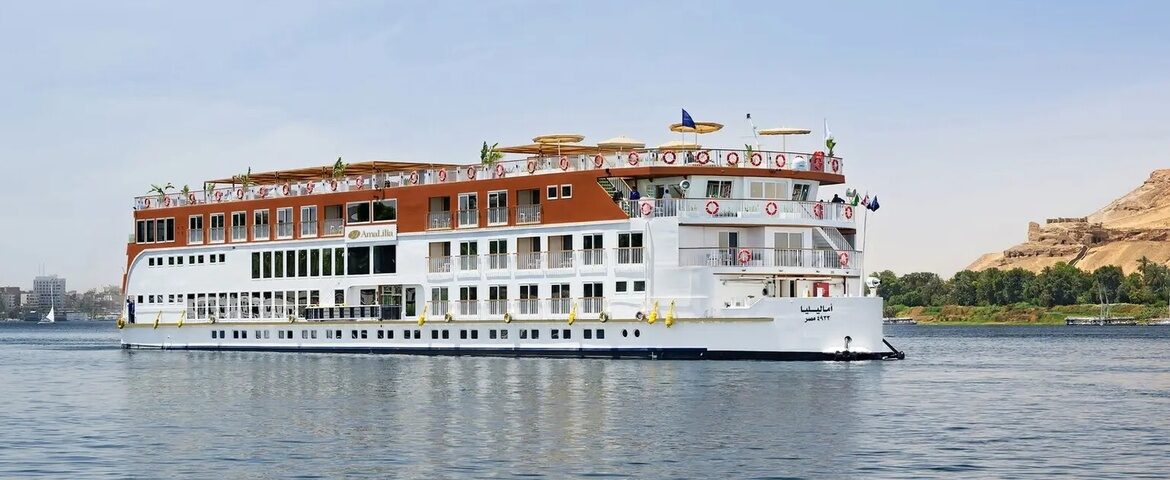
| 26 October | 12 days | Round-trip from Cairo, Egypt |
450-628-6241
Call us
|
| 26 October | 11 days | Round-trip Secrets of Egypt the Nile |
450-628-6241
Call us
|
| 5 April | 12 days | Round-trip from Cairo, Egypt |
450-628-6241
Call us
|
| 12 April | 12 days | Round-trip from Cairo, Egypt |
450-628-6241
Call us
|
| 19 April | 12 days | Round-trip from Cairo, Egypt |
450-628-6241
Call us
|
| 5 June | 12 days | Round-trip from Cairo, Egypt |
450-628-6241
Call us
|
| 12 June | 12 days | Round-trip from Cairo, Egypt |
450-628-6241
Call us
|
Avalon Waterways (52 Cruises)
MS Farah
52 Cruises
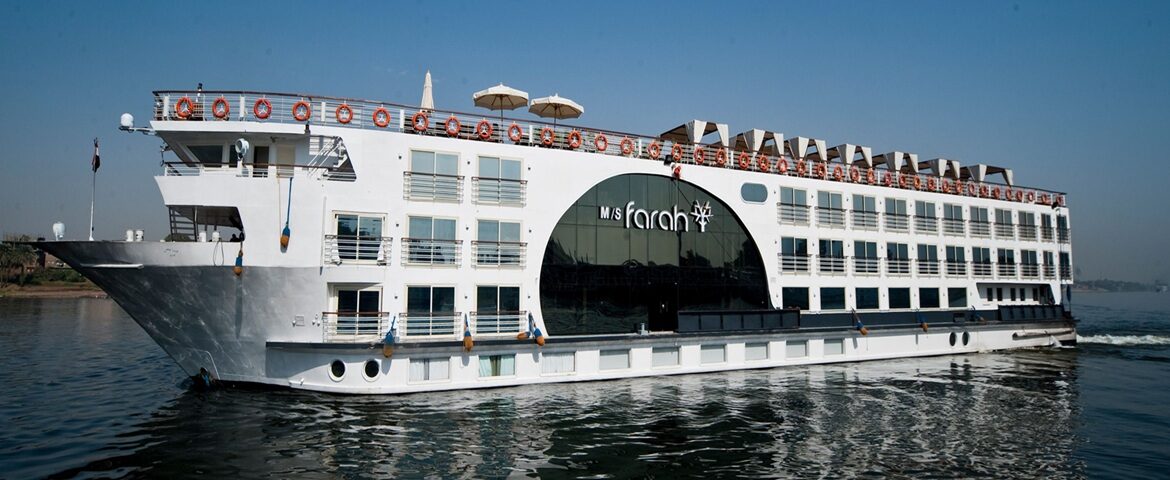

| 23 October | 10 days | Round-trip from Cairo, Egypt |
450-628-6241
Call us
|
| 30 October | 10 days | Round-trip from Cairo, Egypt |
450-628-6241
Call us
|
Emerald Waterways (2 Cruises)
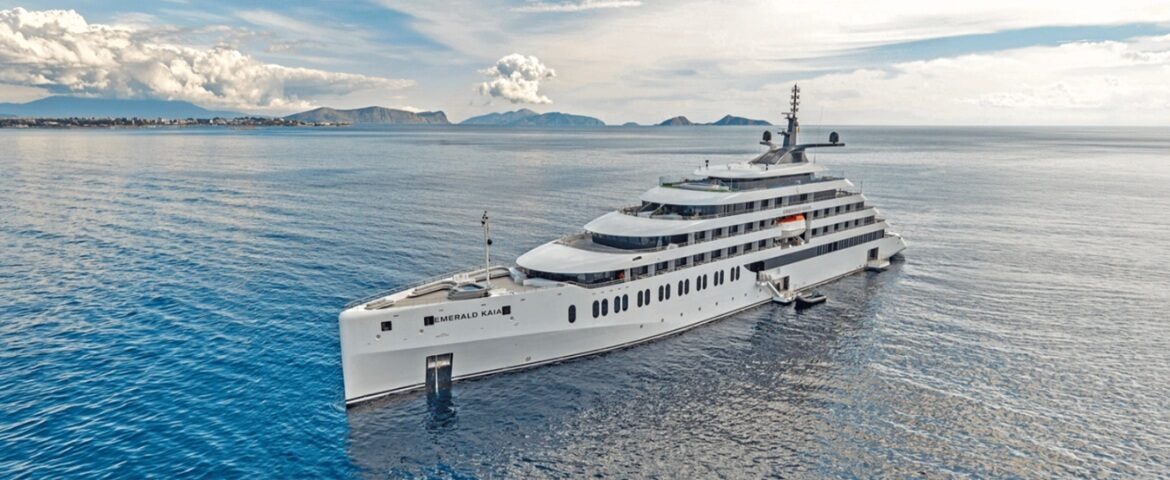

Uniworld Boutique River Cruise (250 Cruises)
River Tosca
125 Cruises


| 6 May | 12 days | Round-trip from Cairo, Egypt |
450-628-6241
Call us
|
| 13 May | 12 days | Round-trip from Cairo, Egypt |
450-628-6241
Call us
|
| 20 May | 12 days | Round-trip from Cairo, Egypt |
450-628-6241
Call us
|
S.S. Sphinx
125 Cruises

| 6 May | 12 days | Round-trip from Cairo, Egypt |
450-628-6241
Call us
|
| 13 May | 12 days | Round-trip from Cairo, Egypt |
450-628-6241
Call us
|
| 20 May | 12 days | Round-trip from Cairo, Egypt |
450-628-6241
Call us
|
Cairo, Egypt | Cruise Port Guide
Frequently Asked Questions
On the banks of the Nile, right inside the city. River cruise ships tie up in the heart of the capital: from the deck, Cairo is already streaming past, feluccas in the foreground, towers and domes behind.
Usually more than one day. Nile itineraries generally allow two days or more in the capital, because a single day cannot cover Giza, the museums and the old city.
By coach or car. The plateau lies west of the city, on a desert shelf the urban sprawl now reaches: it is not a walk from the mooring.
The pyramids of Khufu, Khafre and Menkaure, standing for more than 4,500 years, with the Sphinx below. The Great Pyramid stacks multi-tonne blocks to nearly 140 metres. You move between the monuments on foot or by vehicle.
The Grand Egyptian Museum if you must choose: it displays its collections near the Giza plateau, with colossal statues, solar barques and the treasure of Tutankhamun. The older museum on Tahrir Square keeps the charm of a century-old institution for anyone with time for both.
The east side of the city: Saladin's citadel and the Mosque of Muhammad Ali, al-Muizz street with its Mamluk monuments, then the Khan el-Khalili bazaar. It is dense, geographically coherent, and it spares you a crossing of the whole city.
A maze of stalls where copperware, spices and jewellery have been bargained over since the 14th century. It adjoins the historic city below the citadel. Mint tea in a century-old café there is worth any show.
Yes, and two hours are enough. It is one of the oldest Christian quarters in the world: the Hanging Church built above a Roman fortress, quiet lanes a few metro stops from the din of downtown.
The Egyptian pound and Arabic. English is widely spoken in tourism and cards work in larger establishments, but keep small notes for taxis, cafés and tips, which are part of local custom.
Yes, at the right pace. The pyramids mark children for life, but heat, crowds and distances wear everyone down fast: bring water and hats, and accept dropping half the programme rather than forcing it all in.


