Edfu Egypt
186
Cruises availables
At departure or passage at this port
AmaWaterways (186 Cruises)
AmaDahlia
98 Cruises
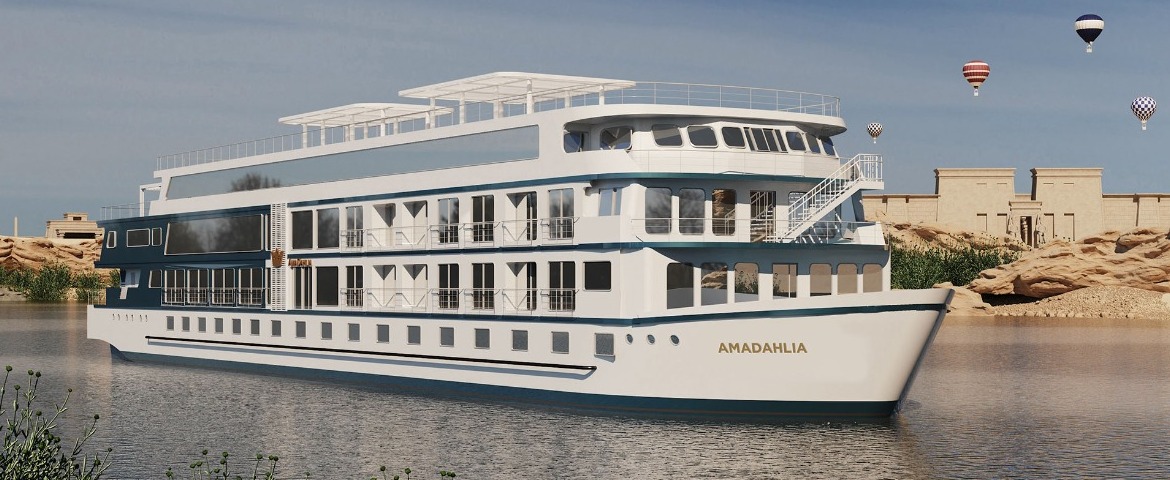

| 2 June | 12 days | Round-trip from Cairo, Egypt |
450-628-6241
Call us
|
| 9 June | 12 days | Round-trip from Cairo, Egypt |
450-628-6241
Call us
|
AmaLilia
88 Cruises
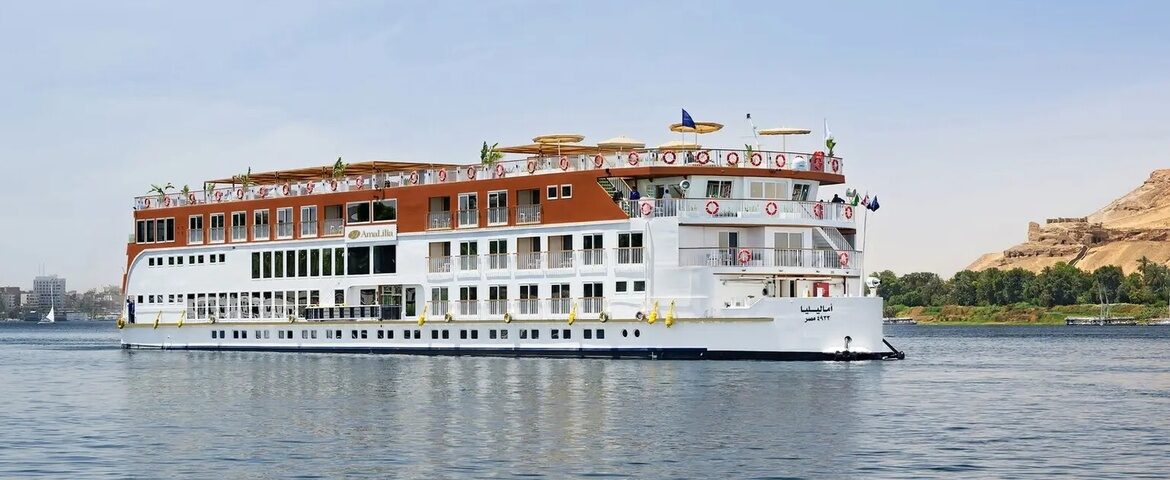
| 5 April | 12 days | Round-trip from Cairo, Egypt |
450-628-6241
Call us
|
| 12 April | 12 days | Round-trip from Cairo, Egypt |
450-628-6241
Call us
|
| 19 April | 12 days | Round-trip from Cairo, Egypt |
450-628-6241
Call us
|
| 5 June | 12 days | Round-trip from Cairo, Egypt |
450-628-6241
Call us
|
| 12 June | 12 days | Round-trip from Cairo, Egypt |
450-628-6241
Call us
|

Edfu | Cruise Port Guide
Frequently Asked Questions
On the west bank of the Nile, at the Edfu quay, between Luxor and Aswan. The temple of Horus stands a few minutes from the river, in the middle of the town's lanes.
Traditionally by horse-drawn carriage, a five- to ten-minute ride that is part of the call itself. Some ships offer minibuses or tuk-tuks instead. If you hire your own carriage, agree the fare before you climb in.
Because it slept for centuries under sand and houses. Built between 237 and 57 BC under the Ptolemies, it kept its ceilings and the original gloom of its hypostyle halls: you move from court to chapel much as the priests did.
Generally half a day, including about an hour and a half on site to see it without rushing. That is the time for a return trip to the falcon god's house.
Yes, clearly. Low morning light flatters the reliefs, the heat stays bearable, and the best views of the pylon are from the far end of the great court with the rising sun behind you.
A thirty-six-metre pylon covered in reliefs, guarded by two black granite falcons. Inside: the battle of Horus and Seth carved like a comic strip, the polished granite naos in the sanctuary, a reconstructed ceremonial barque and a nilometer. The outer walls even record recipes for sacred perfumes.
Little. The route is essentially level, court to chapel. It is the heat that weighs, not the climb: a hat and water are essential for much of the year.
Yes, on the way back. The market lining the route sells spices, dates and cottons, and Edfu's vendors, used to cruise passengers, stay good-natured.
Egyptian pounds in small notes. The carriage, market purchases and tips are all cash; cards are of no use in the lanes.
Yes, and the carriage ride often makes more of an impression than the temple. The route crosses the market, brushes past stalls and passes schoolchildren and donkey carts: that is the part children talk about afterwards.


