Sanary-sur-Mer France Riviera

59 Cruises availables At departure or passage at this port

Seabourn Cruise Line (30 Cruises)

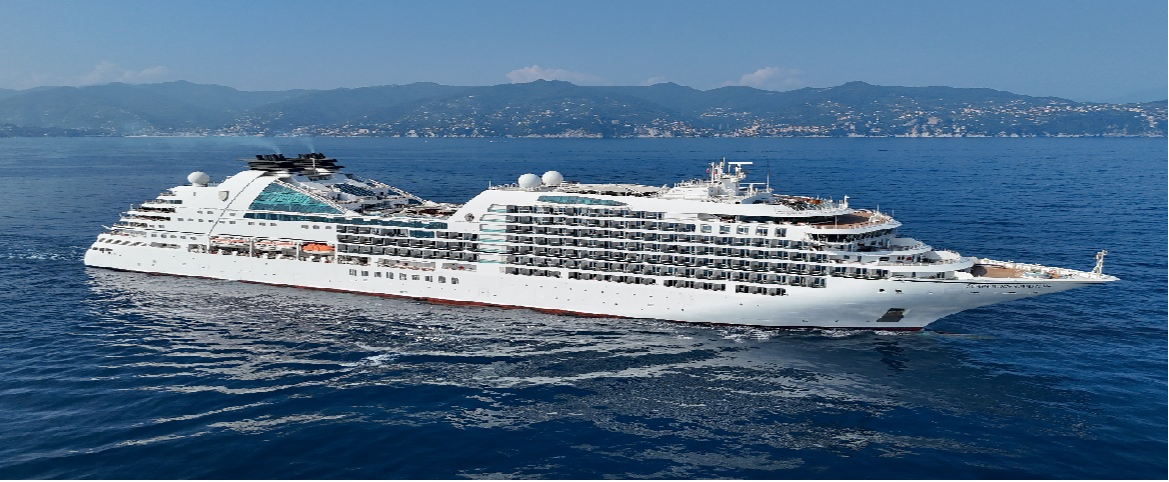
Seabourn Ovation.

Seabourn Ovation

40350 tons
Visit the ship's page

Port of Sanary-sur-Mer, France | Cruise Port Guide

The pointus set the tone even before the tender docks: these brightly coloured fishing boats, emblems of Sanary-sur-Mer, bob all along the quay. This port call in the Var, nestled between Toulon and Bandol, receives small ships whose passengers come ashore in the very centre of the village, facing the pink and ochre façades of the waterfront, beneath the rows of palm trees along the quay. Rarely does a port call settle its visitors into the gentleness of Provence so quickly.

A fishing port true to itself

Sanary still lives from its fishing fleet. In the morning, the fishermen sell sea bream and sea bass right on the quay, under the plane trees, as their grandparents did before them. The pedestrian lanes radiating behind the quays lead to small squares with fountains, discreet chapels and artisans' shops. On Wednesdays, the market spreads its stalls along the entire length of the harbour: olives, tapenades, melons, Provençal fabrics and bunches of lavender make it one of the most renowned in the region. Above the village, the Chapel of Notre-Dame-de-Pitié, reached by a shaded path in about twenty minutes, has watched over the bay since the 16th century and offers the finest view of the rooftops and the hills of the Gros Cerveau.

The Romanesque tower and the pioneers of diving

Facing the waves, a 13th-century medieval tower houses a surprising museum: the Frédéric Dumas Museum, named for one of Commander Cousteau's earliest companions. It was in the waters of Sanary and the surrounding area that, in the 1930s and 1940s, the trials took place that led to the invention of the aqualung; the town thus rightly presents itself as a cradle of modern diving. Old diving suits, underwater cameras and amphorae tell this local adventure that went global.

The refuge of German writers

Sanary also carries a more serious and little-known memory. In the 1930s, the village became a refuge for German and Austrian intellectuals fleeing Nazism: Thomas Mann, Bertolt Brecht, Lion Feuchtwanger and Franz Werfel lived or stayed here, to the point that it was called the "capital of German literature in exile." A plaque near the tourist office lists their names, and a signposted trail leads to the villas they occupied. Strolling from one to the next gives this seaside resort a depth that nothing at first glance would suggest. Aldous Huxley, who for his part settled away from the centre, wrote Brave New World here.

Between beaches and vineyards

Around the centre, small sand and pebble beaches follow one another along the coastal path, toward the Baie de Cousse or the golden beach of Portissol. Wine lovers can head to Bandol, a few kilometres away, whose appellation produces highly regarded Mourvèdre reds and rosés; several estates welcome visitors for a tasting among the vines, facing the sea.

Port call landmarksDetails
LandingBy tender, in the heart of the village
Provençal marketWednesdays, along the harbour
Notre-Dame-de-Pitié20-minute climb, view over the bay
To tasteCatch of the day, tapenade, Bandol wines

One last pastis

Before going back on board, you must sit down one last time facing the pointus, as the sun sets behind the hill and the pétanque balls clack on the nearby square. Sanary doesn't try to dazzle: it practises a rarer and more lasting art, that of moderation and staying true to itself. Perhaps that's why so many exiles found peace here, for a time.

Frequently Asked Questions

By tender, right in the heart of the village: small ships anchor in the bay and land passengers facing the pink and ochre facades of the seafront, under the palms lining the quay. Few calls place a visitor into Provençal ease so quickly.
Everything on foot. A loop of the harbour and the pedestrian lanes, the Romanesque tower and its museum, then the climb to Notre-Dame-de-Pitié, about twenty minutes on a shaded path. No excursion is needed to fill the day well.
The brightly painted fishing boats that bob all along the quay, emblems of the village. Sanary still lives from its fleet: in the morning, fishermen sell sea bream and sea bass straight off the quay under the plane trees, as their grandparents did.
Wednesday. Stalls stretch the full length of the harbour: olives, tapenades, melons, Provençal fabrics and bunches of lavender make it one of the most respected in the region. If your call falls that day, plan nothing else for the morning.
Because it was in these waters and nearby that the trials leading to the invention of the aqualung took place in the 1930s and 1940s. A 13th-century medieval tower houses the museum of Frédéric Dumas, an early companion of Commander Cousteau: old diving suits, underwater cameras and amphorae.
In the 1930s the village became the refuge of German and Austrian intellectuals fleeing Nazism: Thomas Mann, Bertolt Brecht, Lion Feuchtwanger and Franz Werfel lived or stayed here. It has been called the capital of German literature in exile. A plaque near the tourist office lists their names, and a signed route leads to the villas they occupied.
At Sanary-sur-Mer, living away from the centre. It is one of those details that give this seaside resort a depth nothing suggests at first glance.
Yes. Small sand and pebble beaches follow one another along the coastal path, toward the Cousse bay or the golden beach of Portissol. They are within walking distance of the quay, which makes swimming easy on a port call.
Yes, Bandol is a few kilometres away. The appellation produces respected Mourvèdre reds and rosés, and several estates welcome visitors for a tasting among the vines facing the sea.
The euro, and the feel of a village that does not try to dazzle. Cards are accepted everywhere. Before returning aboard, sit once more facing the pointus, when the sun drops behind the hill and the pétanque balls click on the nearby square.