Kiel Canal Germany
17
Cruises availables
At departure or passage at this port
Atlas Ocean Voyages (1 Cruises)
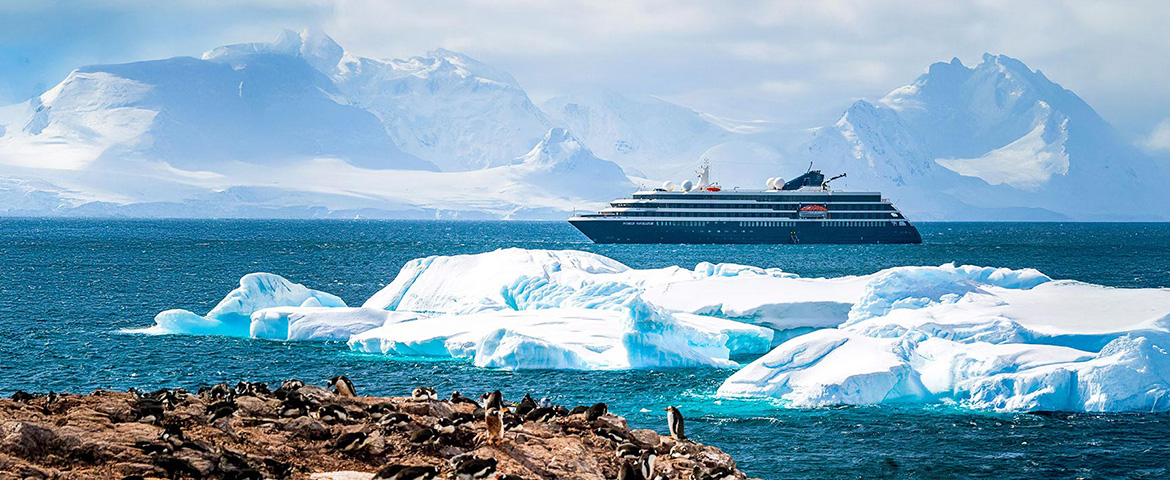

Azamara Club Cruises (7 Cruises)
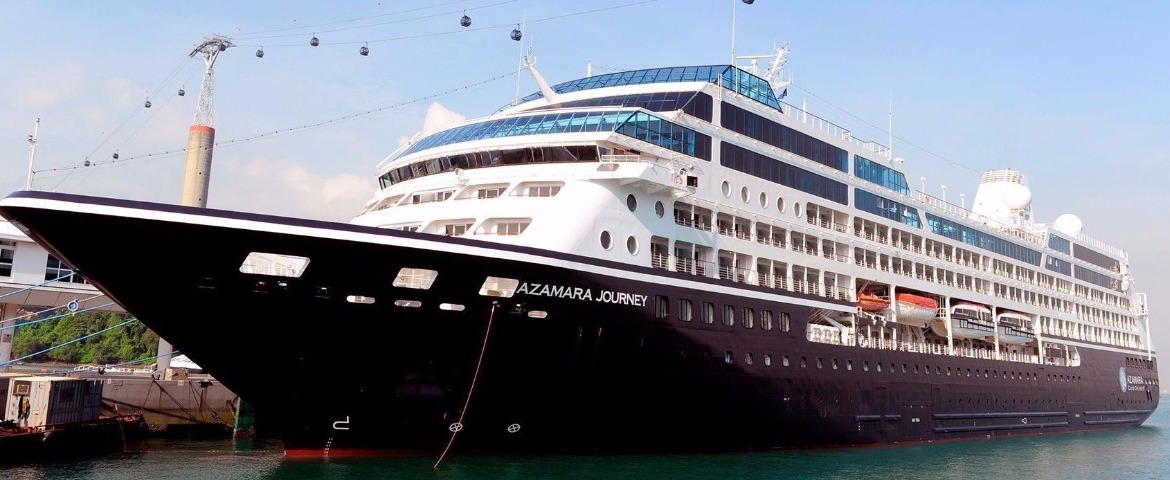

Azamara Quest
6 Cruises
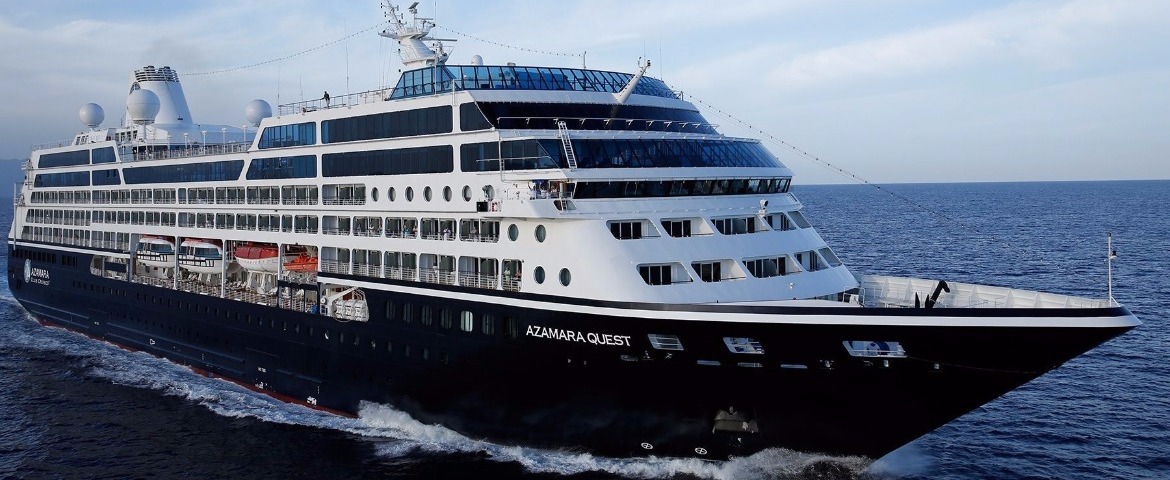


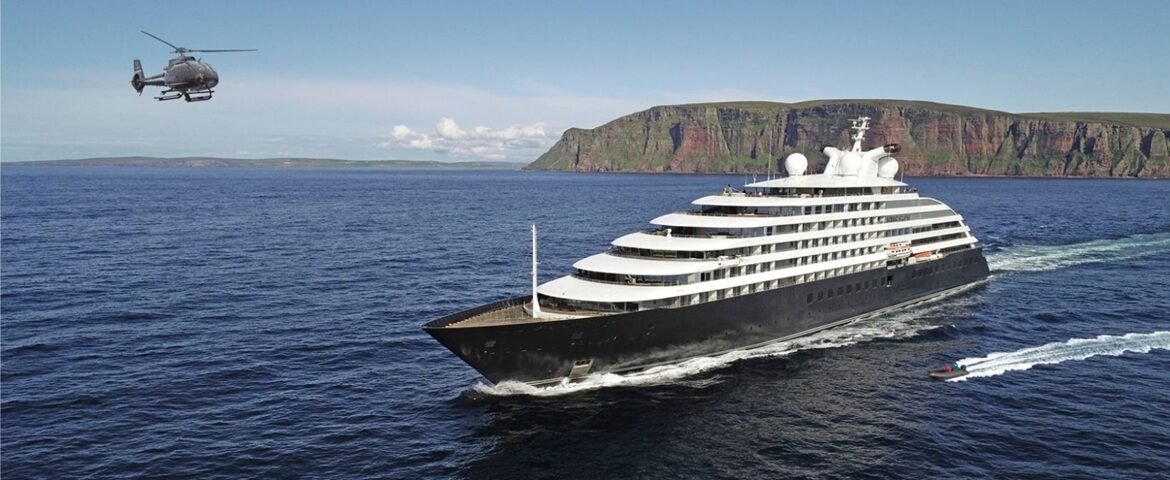
Seabourn Cruise Line (3 Cruises)
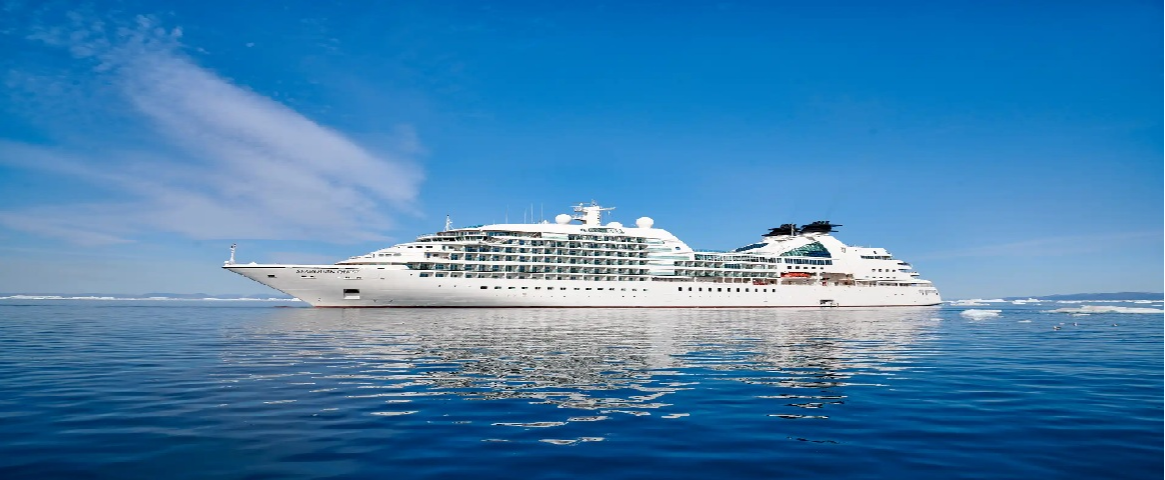

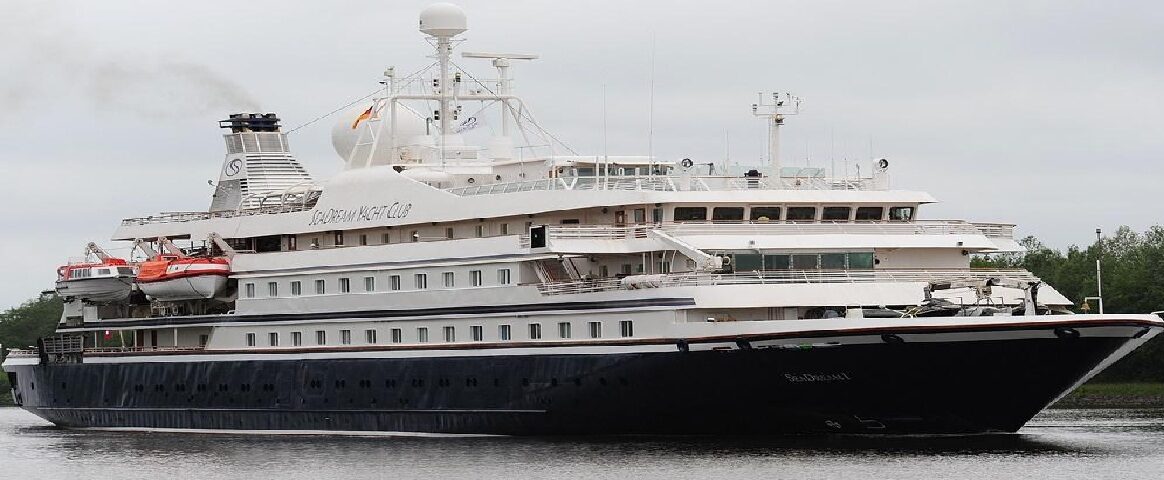
SeaDream Yacht Club (2 Cruises)


Kiel Canal, Germany | Cruise Port Guide
Frequently Asked Questions
No, nobody disembarks. The Kiel Canal is a day of navigation, not a port call. The ship enters through the Brunsbüttel locks near the mouth of the Elbe and only leaves at Holtenau, on the edge of Kiel.
Ninety-eight kilometres across the Schleswig-Holstein countryside, between the North Sea and the Baltic. The passage takes several hours of calm cruising, so close to the banks you could almost wave to the walkers.
To avoid the long detour around the tip of Denmark, about 460 kilometres of often rough water. Opened in 1895 as the Kaiser Wilhelm Canal, it first served the German imperial fleet; trade turned it into one of the busiest artificial waterways in the world.
Cattle at the water's edge, tile-roofed farms, village church towers, cyclists keeping pace with the ship on the towpaths and children waving from the bank. The appeal lies entirely in its simplicity.
The ship edges into a chamber of colossal size, the gates close, the water rises or falls a few metres, and the lines creak along the bollards. The manoeuvre is best watched from the upper decks, service quays and lock keepers' bicycles included.
A world curiosity at the most anticipated point of the transit. A 1913 railway viaduct crosses the channel more than 40 metres up, and beneath its deck a gondola suspended on cables carries pedestrians and cars from bank to bank, gliding above the water.
As early as possible, and for the locks in particular: the best spots go quickly. Early risers often watch the entry into the first chamber at daybreak, while mist still lies on the Elbe.
They make a real difference. Villages, birds, lock keepers at work and bridge details all come into focus. Many lines also provide live commentary during the passage: the daily programme will say.
Yes, a series of road and rail viaducts spans the channel. Each passage has its thrill: the funnels seem to graze the steel, and everyone looks up at the same moment.
Yes, provided you enjoy watching. The locks, the free ferries slipping between convoys and the suspended gondola at Rendsburg hold children's attention. It is a day of contemplation, not organised activity.


