Wismar Germany
13
Cruises availables
At departure or passage at this port
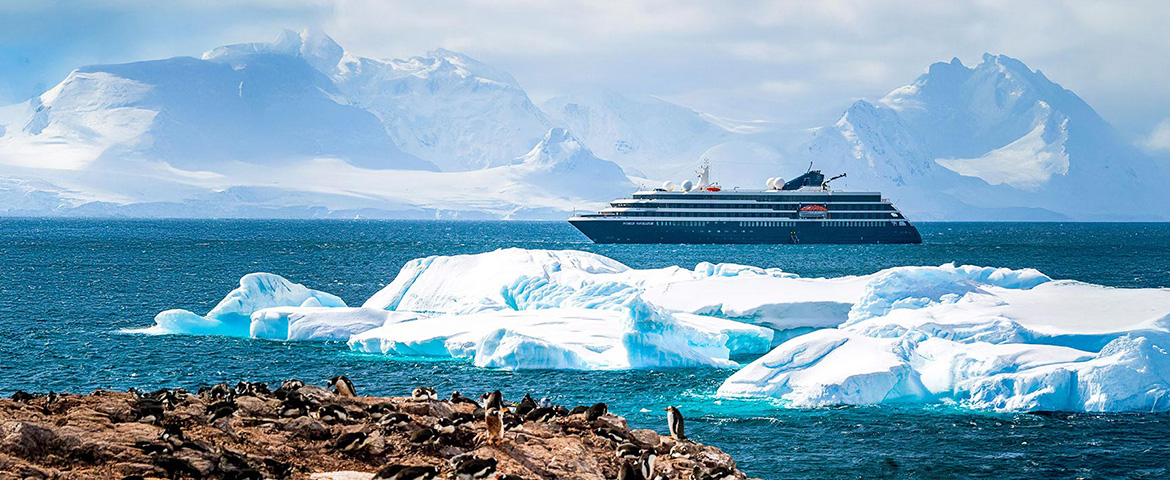
Atlas Ocean Voyages (1 Cruises)

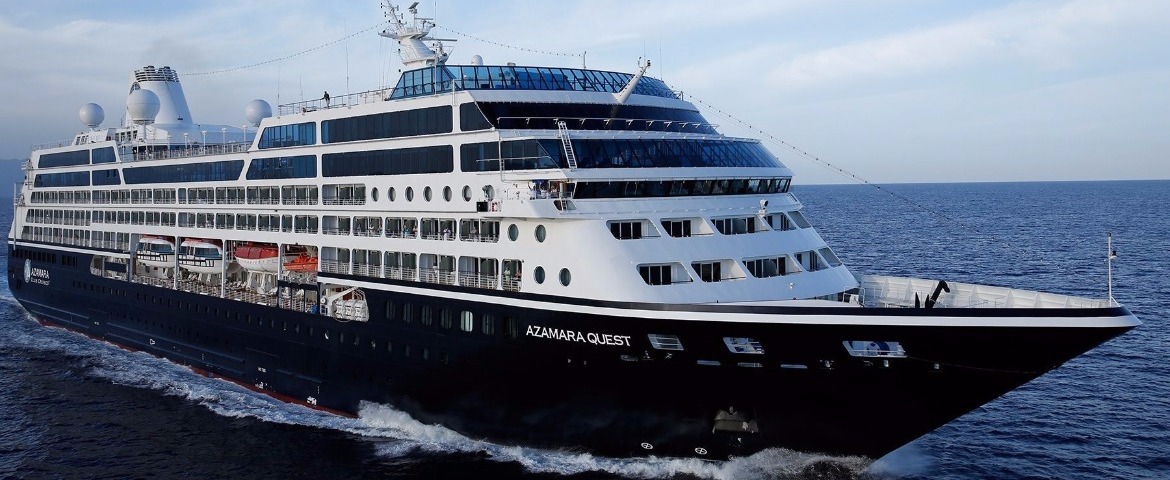
Azamara Club Cruises (4 Cruises)
Azamara Quest
4 Cruises

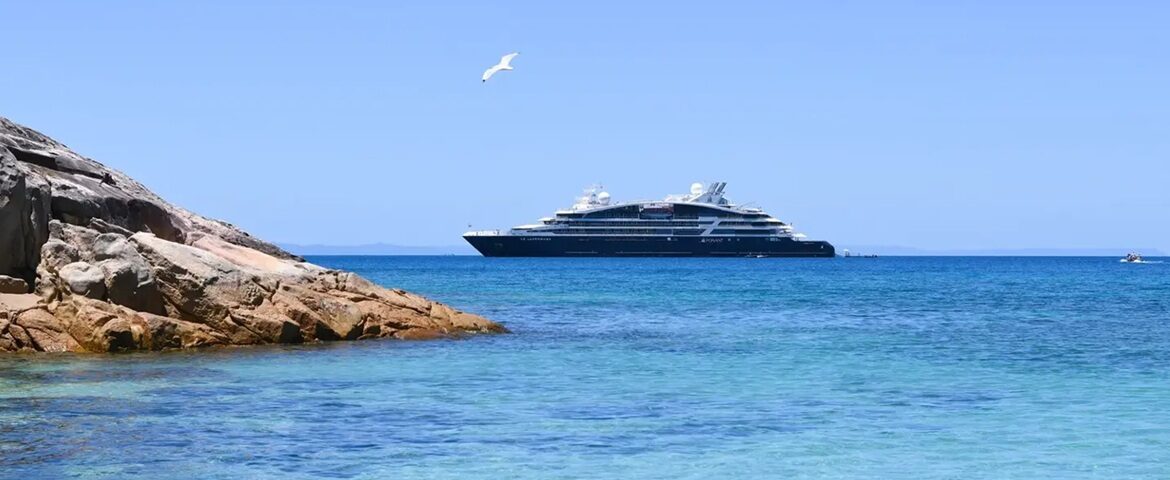
Ponant (2 Cruises)

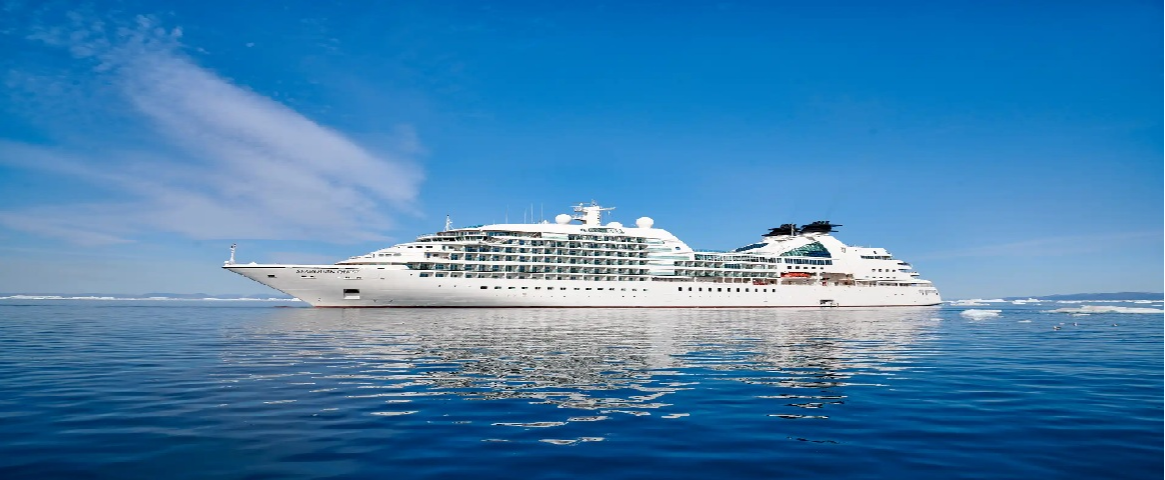
Seabourn Cruise Line (6 Cruises)

Frequently Asked Questions
In the industrial port area, about fifteen minutes' walk from the centre on a flat route along the water. It is not the prettiest start to a call, but the walk is easy and leads straight to the old basin.
The old basin, the maritime heart of the town since the Middle Ages. Fishing boats land their catch here, smoked at once and sold in sandwiches at the floating stalls, and a replica cog, the round-bellied ship that made the Hanse's fortune, rocks among the traditional sailing boats.
Two brightly painted heads of moustachioed sailors at the entrance to the basin. They recall a local peculiarity: Wismar belonged to Sweden for more than a century and a half, until the early 19th century.
A square of 10,000 square metres, among the largest in northern Germany, with the Wasserkunst at its centre, an elegant Renaissance pavilion completed in 1602 that once supplied the town with drinking water. All around, the façades recount six centuries of architecture.
St. Nicholas, built for sailors and fishermen, whose nave is among the highest in Germany. St. George, devastated in 1945 and raised section by section over decades, offers a platform from which to take in the red roofs of the old centre.
Its tower alone, 80 metres tall, which serves as a seamark for navigators. An exhibition inside explains the secrets of brick gothic construction: more interesting than it sounds, and it illuminates the rest of the walk.
The former residence of the dukes of Mecklenburg, whose Renaissance façade is covered in terracotta friezes parading biblical scenes and ancient processions. The Italian influence, exceedingly rare this far north, testifies to the court's ambitions in the 16th century.
No, the building now houses the court. Nothing stops you admiring the reliefs at length from the street, however, and that is in fact where they are best seen.
Yes. In 1922 the film-maker Friedrich Murnau was looking for a setting for his vampire and chose Wismar, its gothic lanes and its old basin. Film enthusiasts still enjoy recognizing street corners from the original.
The tangle of lanes holds craftsmen's courtyards, bookshops and canal-side stalls, and the little Schweinsbrücke, decorated with bronze pigs that passers-by stroke for luck, leads to the local history museum. Currency: the euro.


