Corinth Canal Greece
130
Cruises availables
At departure or passage at this port
Atlas Ocean Voyages (3 Cruises)


CroisiEurope (2 Cruises)


Emerald Waterways (39 Cruises)
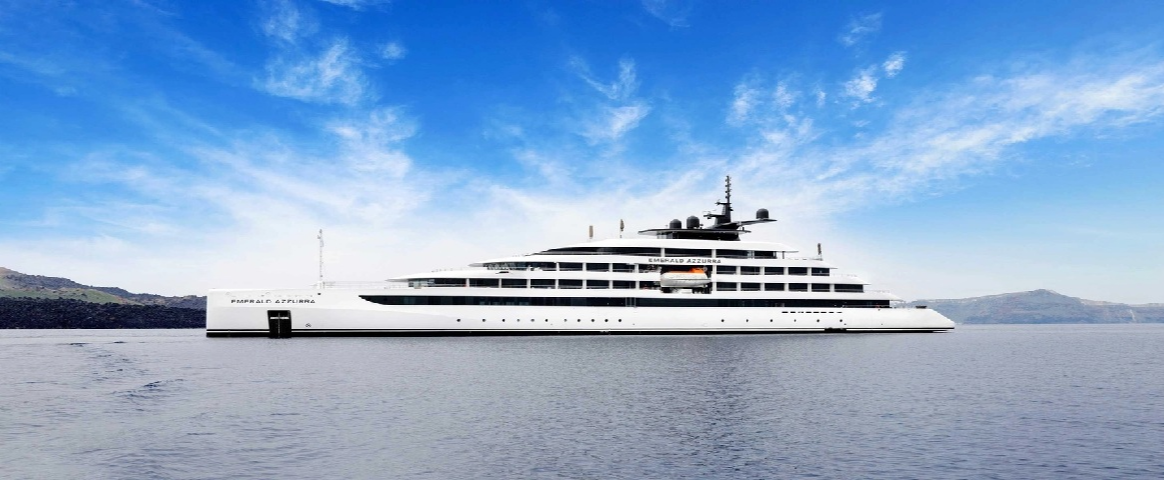
Emerald Azzurra
32 Cruises

| 29 May | 22 days | One-way from Piraeus-Athens to Venice |
450-628-6241
Call us
|
| 29 May | 20 days | One-way from Piraeus-Athens to Venice |
450-628-6241
Call us
|
| 26 June | 12 days | One-way from Dubrovnik to Piraeus-Athens |
450-628-6241
Call us
|
| 27 June | 10 days | One-way from Dubrovnik to Piraeus-Athens |
450-628-6241
Call us
|
| 24 May | 15 days | One-way from Venice to Piraeus-Athens |
450-628-6241
Call us
|
| 31 May | 8 days | One-way from Dubrovnik to Piraeus-Athens |
450-628-6241
Call us
|
| 22 July | 15 days | One-way from Venice to Piraeus-Athens |
450-628-6241
Call us
|
| 29 July | 8 days | One-way from Dubrovnik to Piraeus-Athens |
450-628-6241
Call us
|
Lindblad Expeditions (11 Cruises)
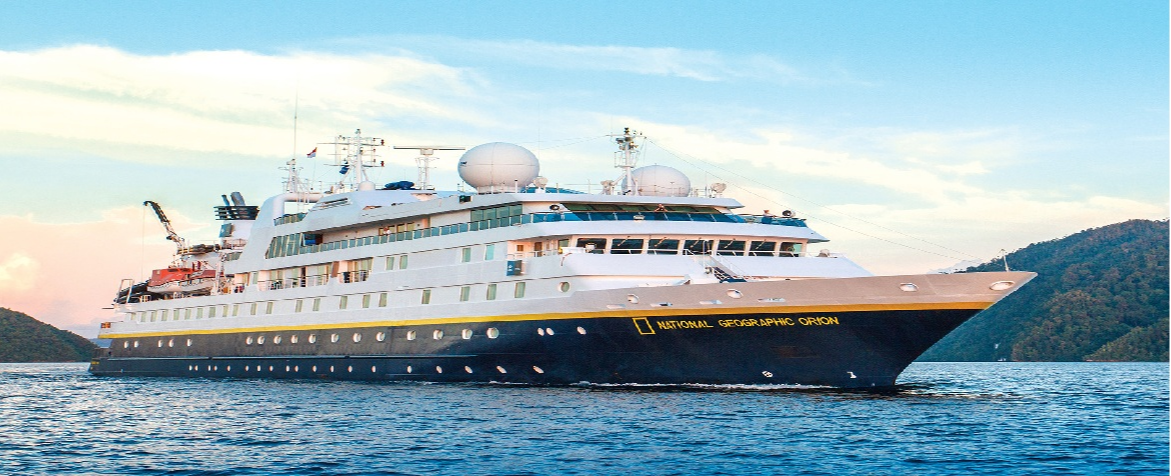
National Geographic Orion
11 Cruises

| 7 April | 20 days | One-way from Barcelona to Piraeus-Athens |
450-628-6241
Call us
|
| 7 April | 13 days | One-way from Barcelona to Piraeus-Athens |
450-628-6241
Call us
|
| 13 May | 8 days | One-way from Lavrion to Zadar |
450-628-6241
Call us
|
| 20 May | 8 days | One-way from Zadar to Piraeus-Athens |
450-628-6241
Call us
|
| 6 June | 21 days | One-way from Piraeus-Athens to Barcelona |
450-628-6241
Call us
|
| 13 June | 13 days | One-way from Lavrion to Barcelona |
450-628-6241
Call us
|
Ponant (4 Cruises)
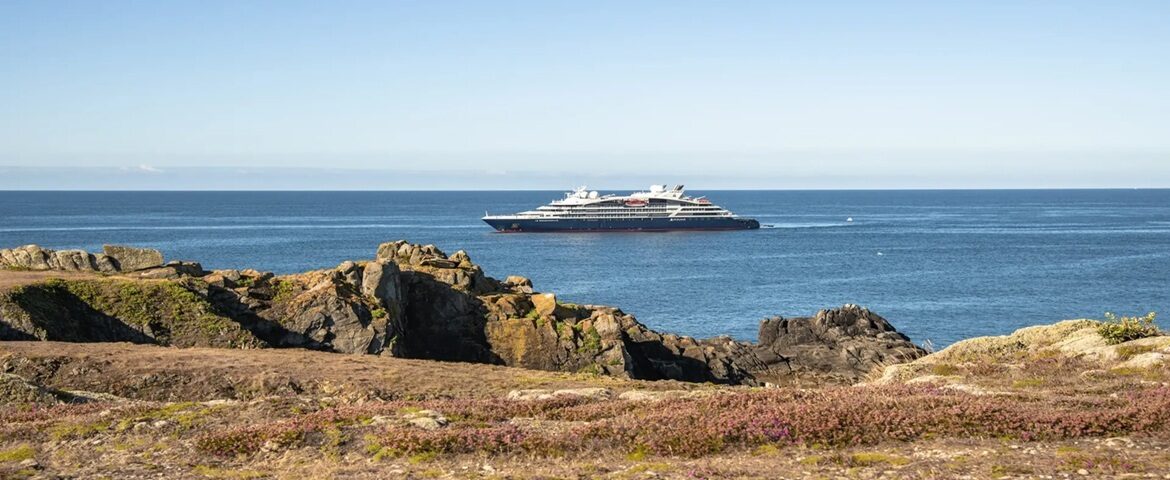

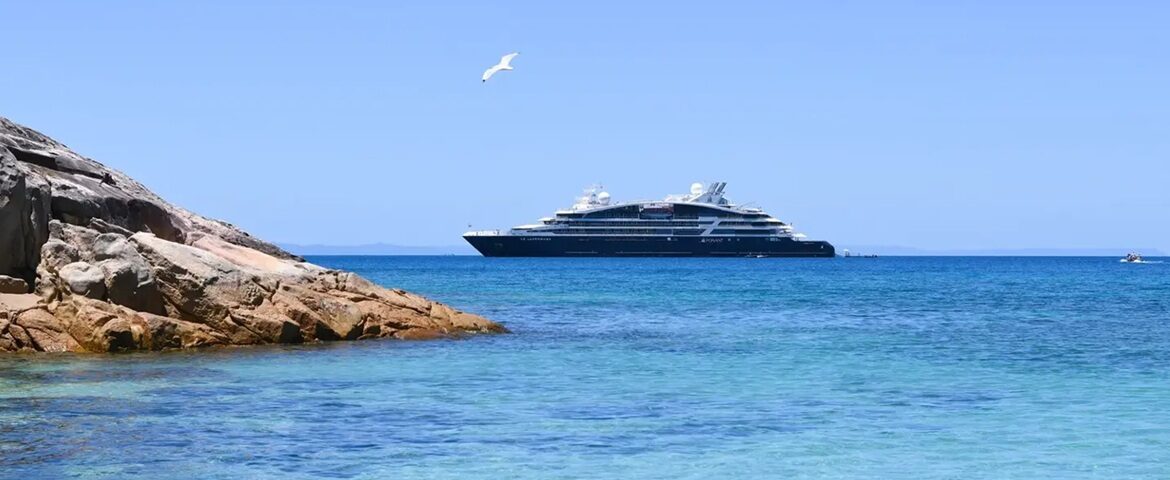
SeaDream Yacht Club (32 Cruises)
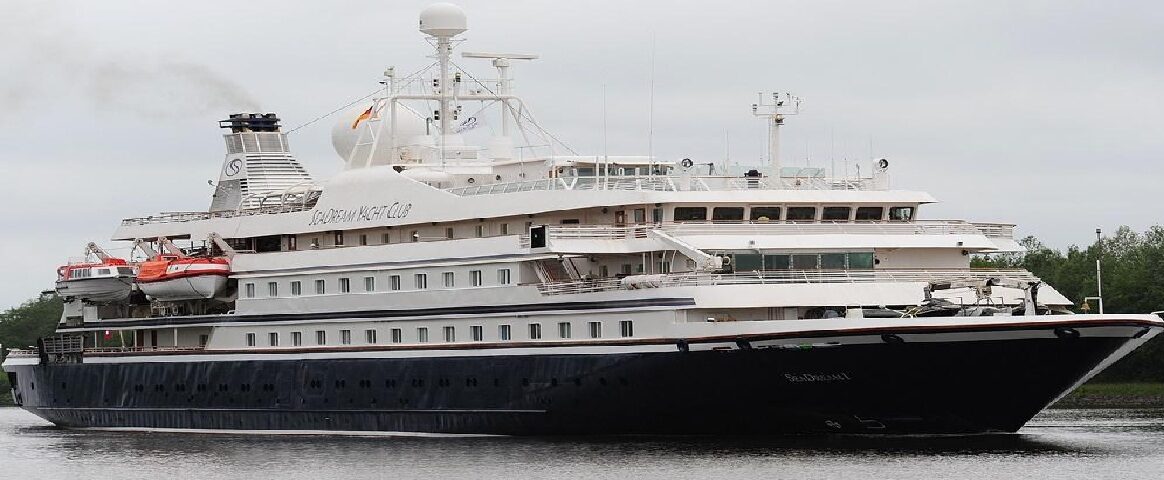
Seadream I
12 Cruises

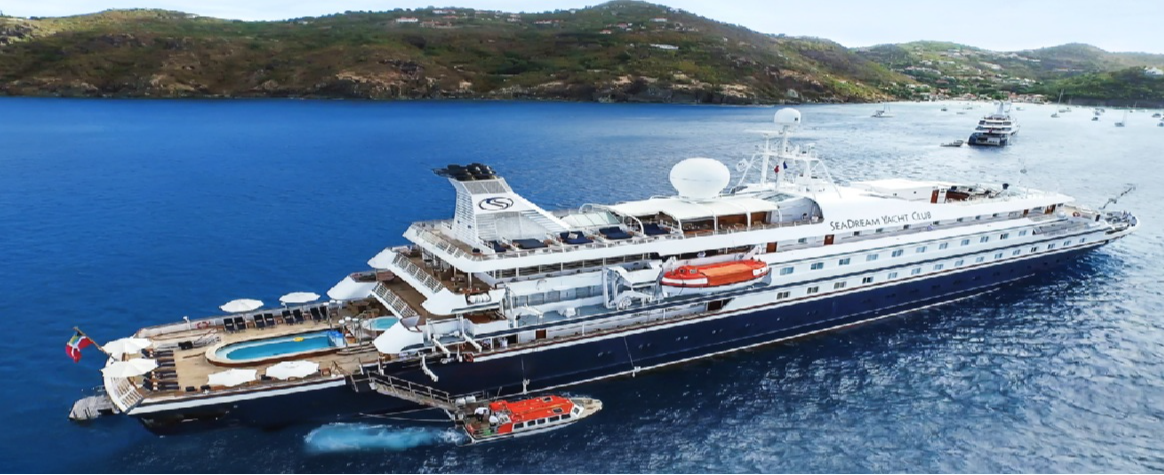
Seadream II
20 Cruises
| 23 July | 12 days | One-way from Piraeus-Athens to Civitavecchia-Rome |
450-628-6241
Call us
|
| 23 July | 11 days | One-way from Piraeus-Athens to Civitavecchia-Rome |
450-628-6241
Call us
|
Windstar Cruises (39 Cruises)
Star Legend
39 Cruises
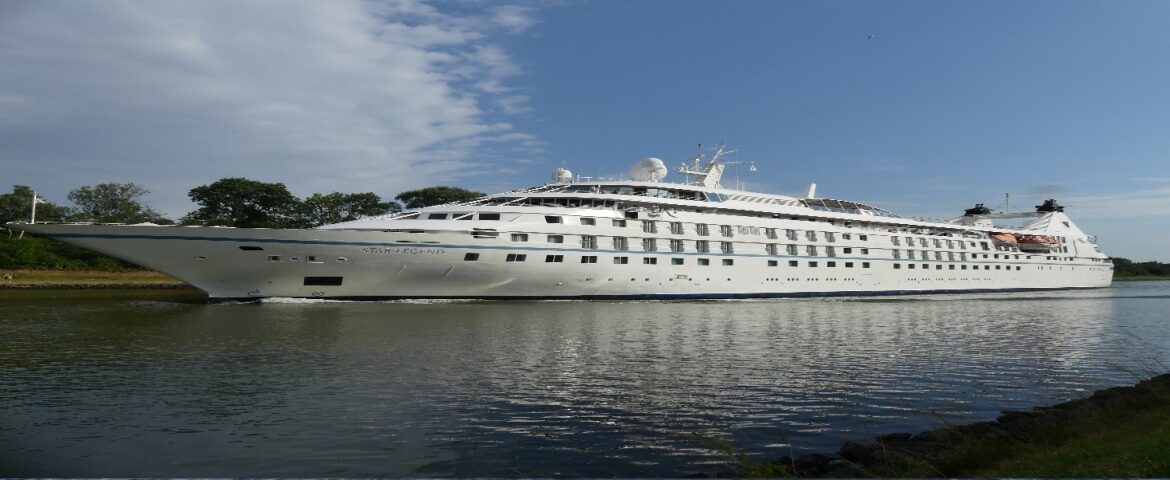

| 26 March | 15 days | One-way from Barcelona to Piraeus-Athens |
450-628-6241
Call us
|
| 26 March | 14 days | One-way from Barcelona to Piraeus-Athens |
450-628-6241
Call us
|

Corinth Canal Greece | Mediterranean Cruise Destination Guide
Frequently Asked Questions
No, and that is the point: the Corinth Canal is transited, not visited from a quay. For 6.4 kilometres the ship glides between two limestone walls separating the Peloponnese from mainland Greece.
6.4 kilometres long, about 21.4 metres wide at the base and a maximum draught of 7.3 metres. Those dimensions explain why only narrow hulls can pass through.
Only narrow vessels. The Braemar, a 195-metre ship carrying some 900 passengers, set the record in October 2019 for the longest vessel to squeeze through, with a few tens of centimetres of clearance on each side.
Right forward or right aft, where the perspective of the cut stretches from one gulf to the other. Passengers crowd in as soon as the transit is announced: arrive early if you want the rail.
The ship slows to walking pace, and larger vessels follow a tug. Traffic runs one way in convoys: allow twenty to forty minutes depending on how the convoy is organised.
The waterway was completed in 1893. The idea goes back to Periander, tyrant of Corinth in the seventh century BCE, and Nero began excavation in AD 67 before the project died with him.
A paved trackway along which ships were hauled from one sea to the other, built by Periander after he balked at the scale of digging a canal. It was the solution that lasted twenty-five centuries.
Yes, itineraries using the canal often include a stop or excursion to nearby ancient Corinth: the agora, the Doric columns of the Temple of Apollo and the Peirene fountain, below the Acrocorinth. Saint Paul preached and wrote here.
Barely. Commercial traffic long ago abandoned a channel too tight for modern freighters: around 15,000 vessels pass each year, mostly sailing boats, yachts and unusual craft.
Very much. The rock walls slide past a few metres from the balconies, road and rail bridges pass above the masts, and you sometimes glimpse a bungee jumper waving at the passengers. It is a spectacle that needs no explaining.


