Sisimiut Greenland
Greenland
170
Cruises availables
At departure or passage at this port
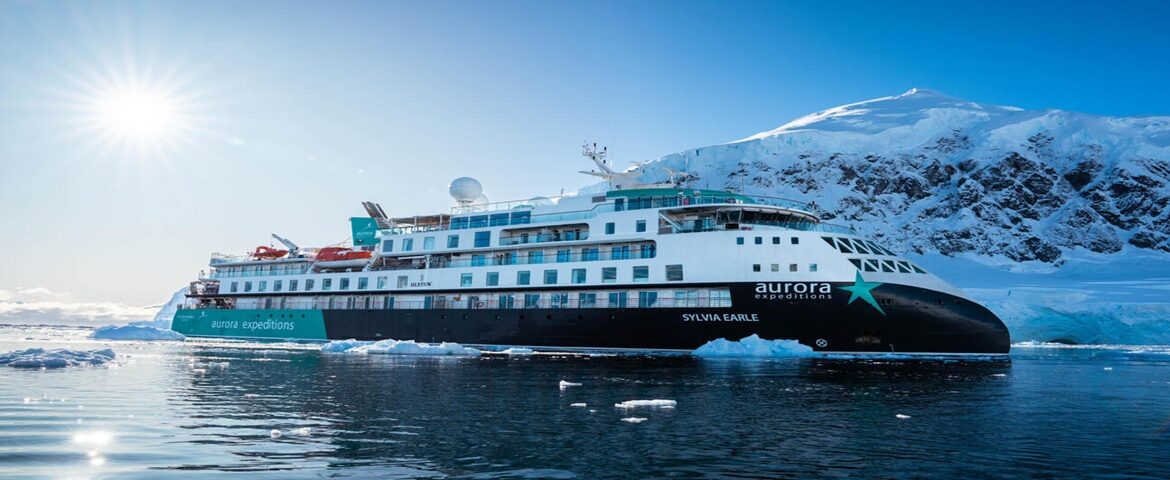
Aurora Expeditions (2 Cruises)

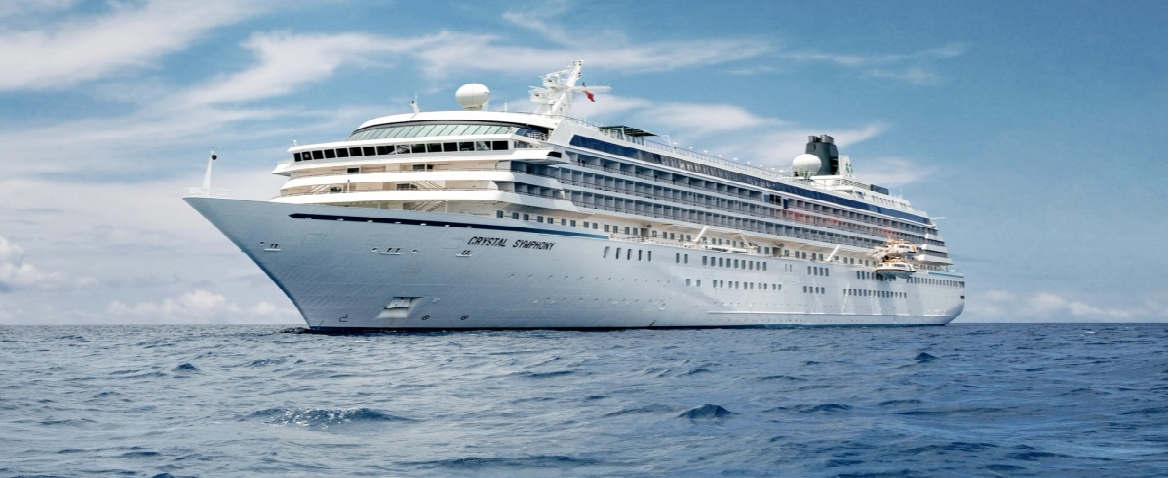
Crystal Cruises (3 Cruises)

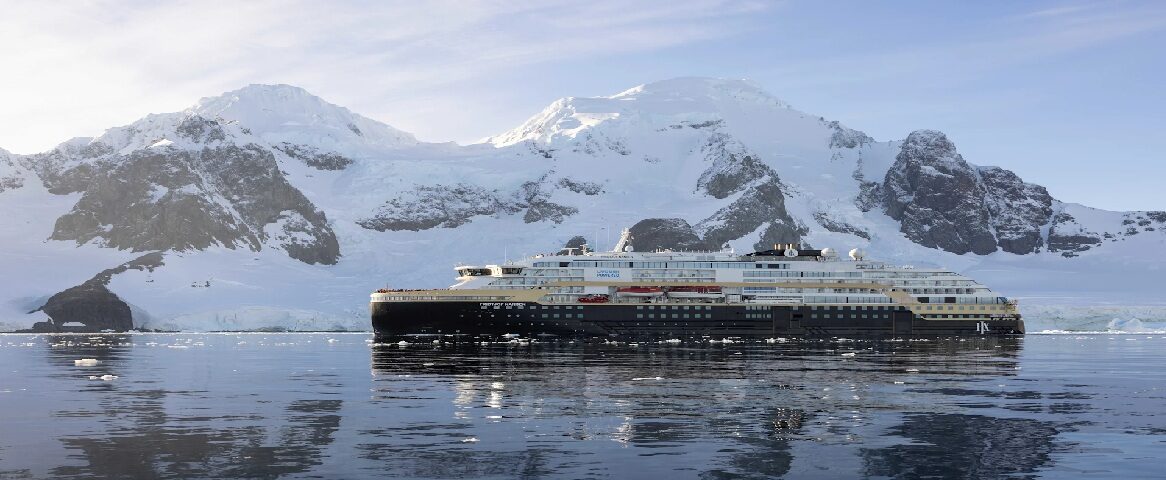
HX Expeditions (9 Cruises)
MS Fridtjof Nansen
7 Cruises

| 14 June | 10 nights | One-way from New York to Nuuk |
450-628-6241
Call us
|
| 24 June | 10 nights | One-way from New York to Nuuk |
450-628-6241
Call us
|
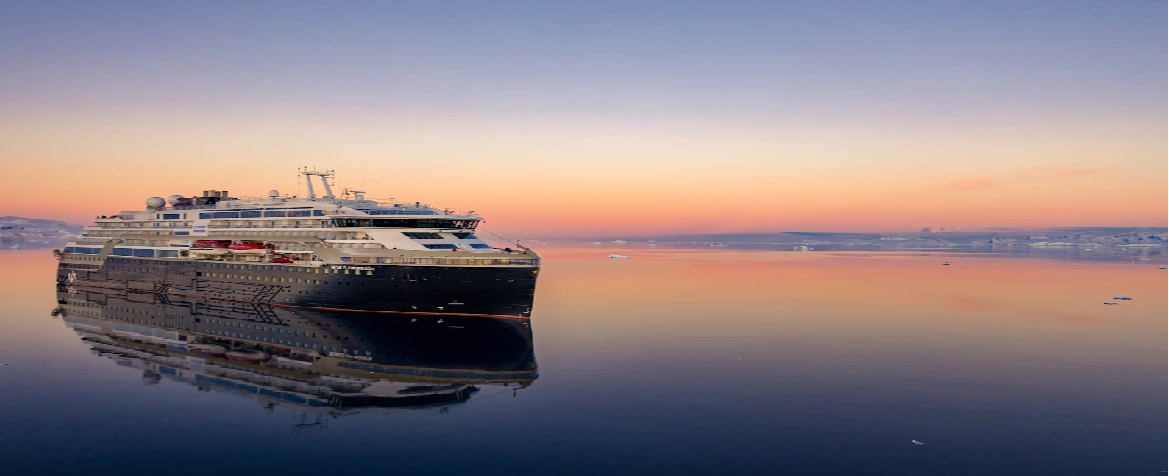
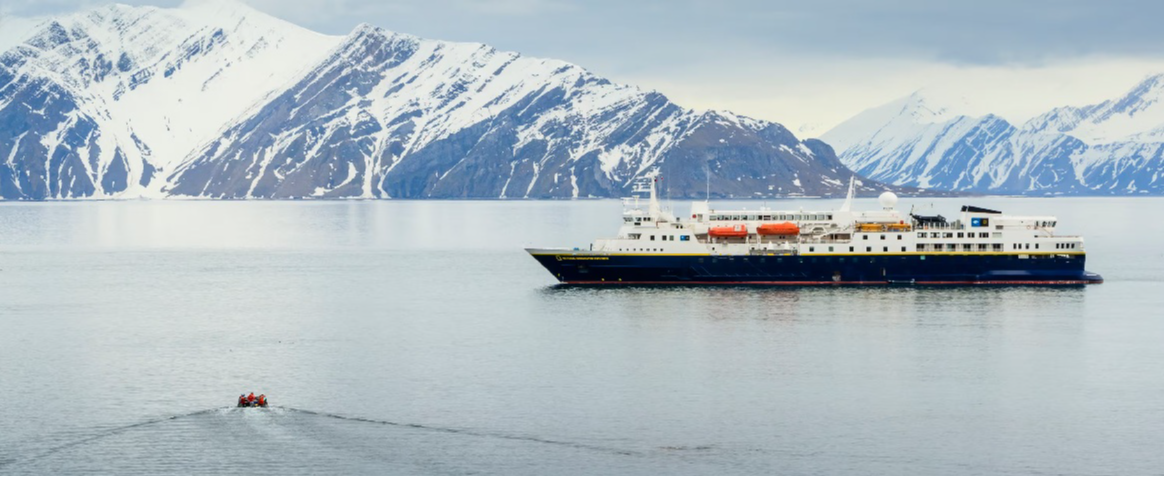
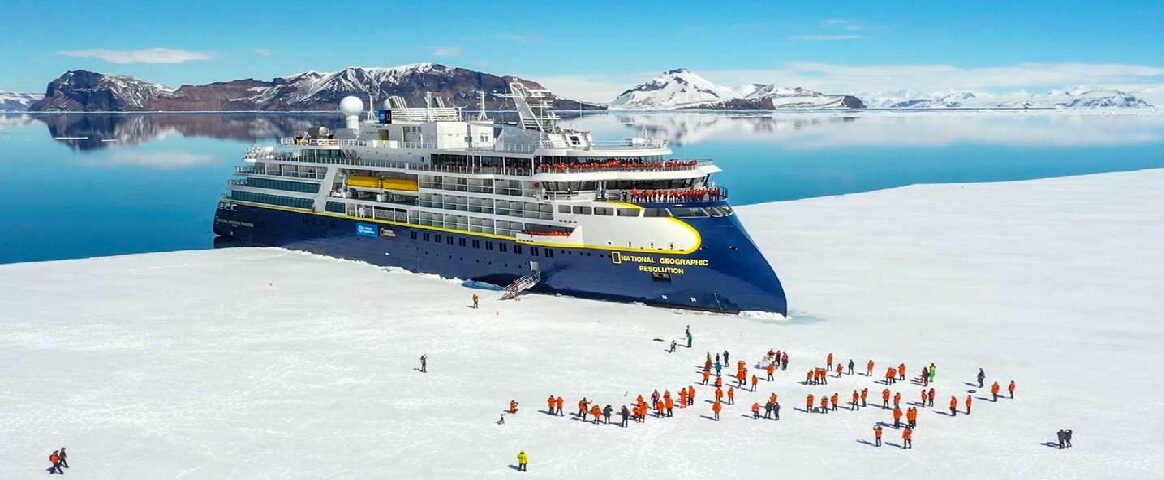
Lindblad Expeditions (9 Cruises)

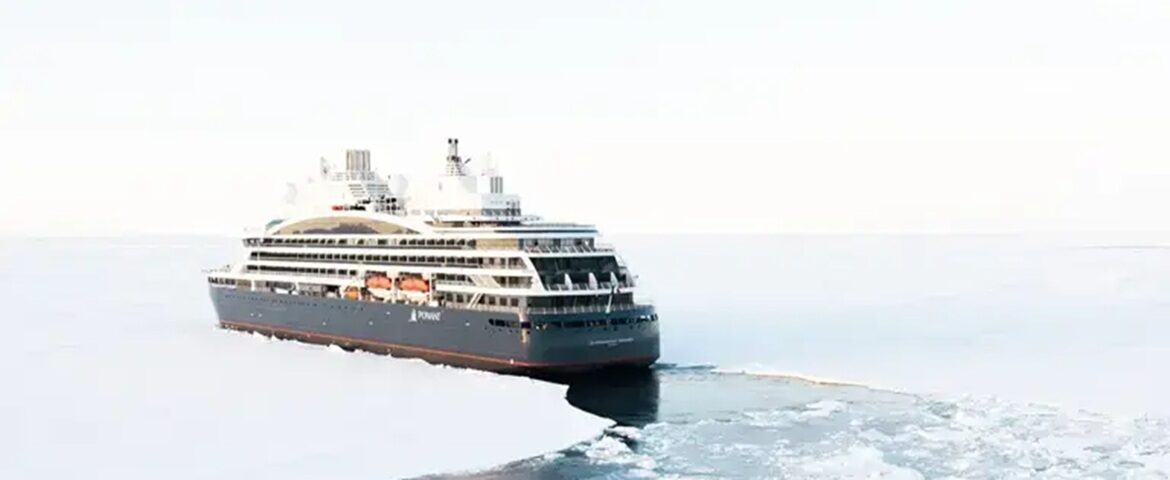
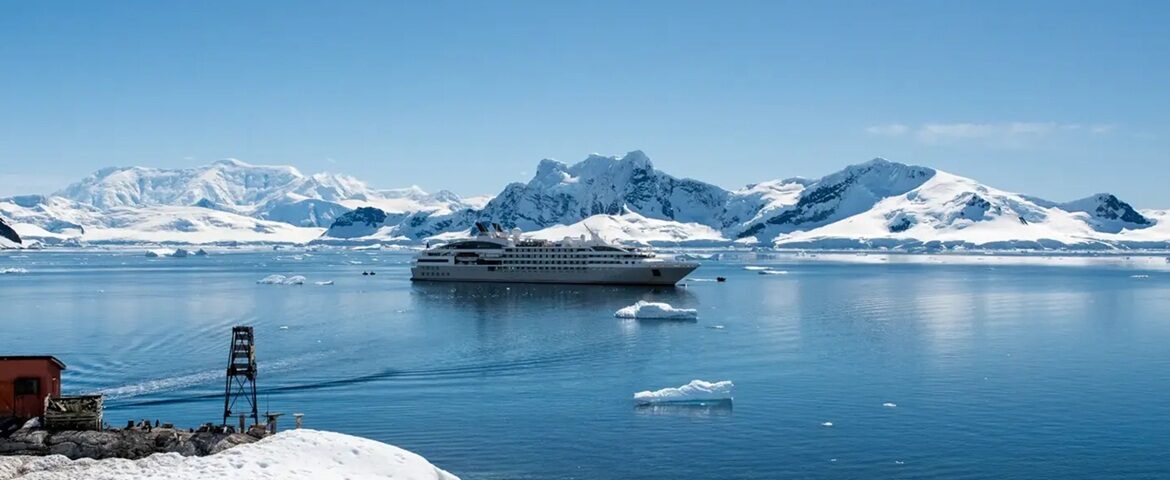
Ponant (12 Cruises)
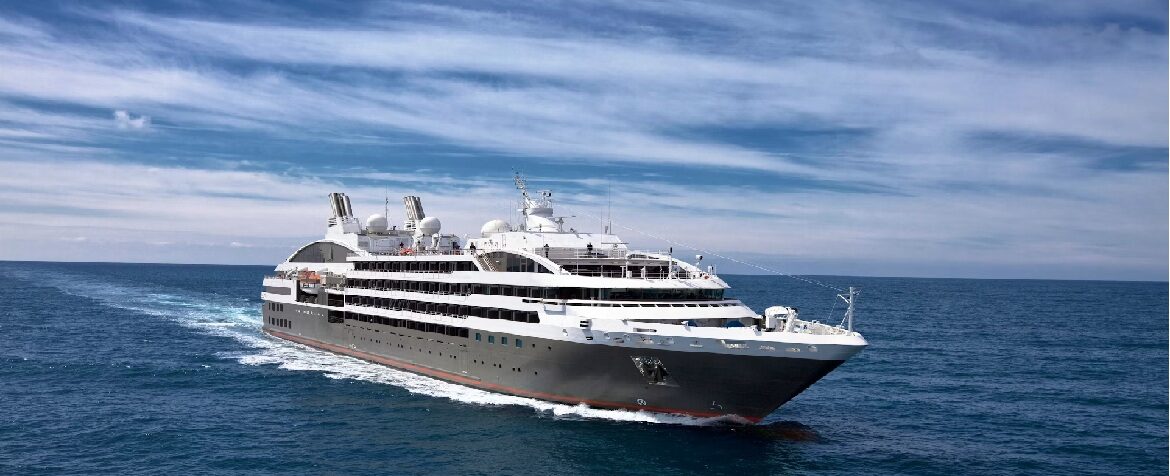
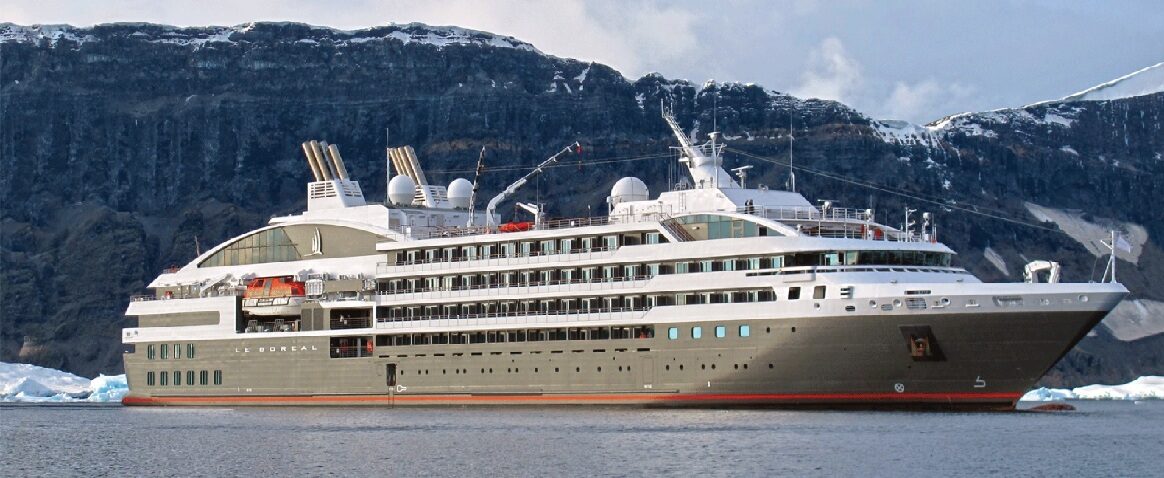
L'Austral
4 Cruises

Scenic Cruises (20 Cruises)
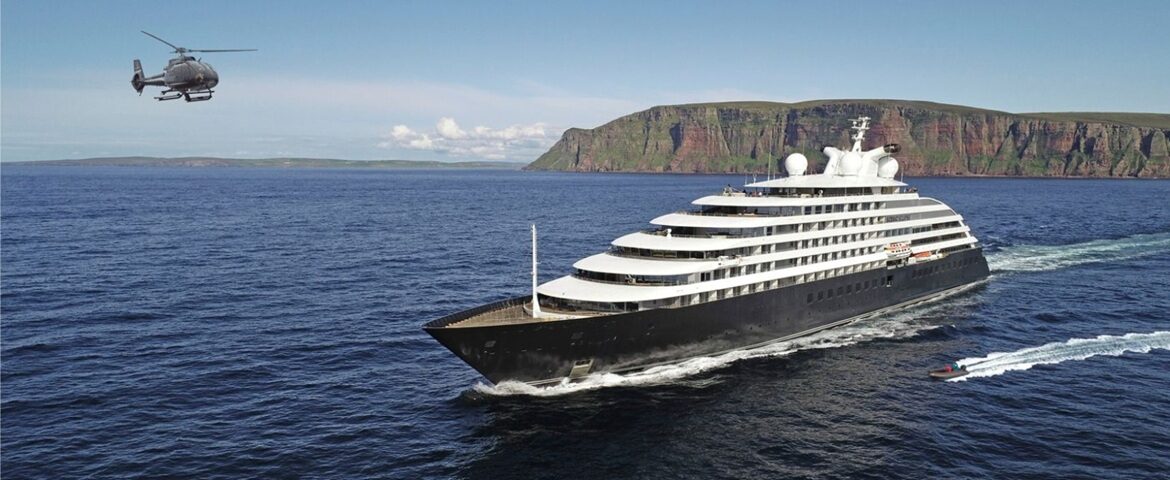
Scenic Eclipse
10 Cruises


Scenic Eclipse II
10 Cruises
Seabourn Cruise Line (50 Cruises)
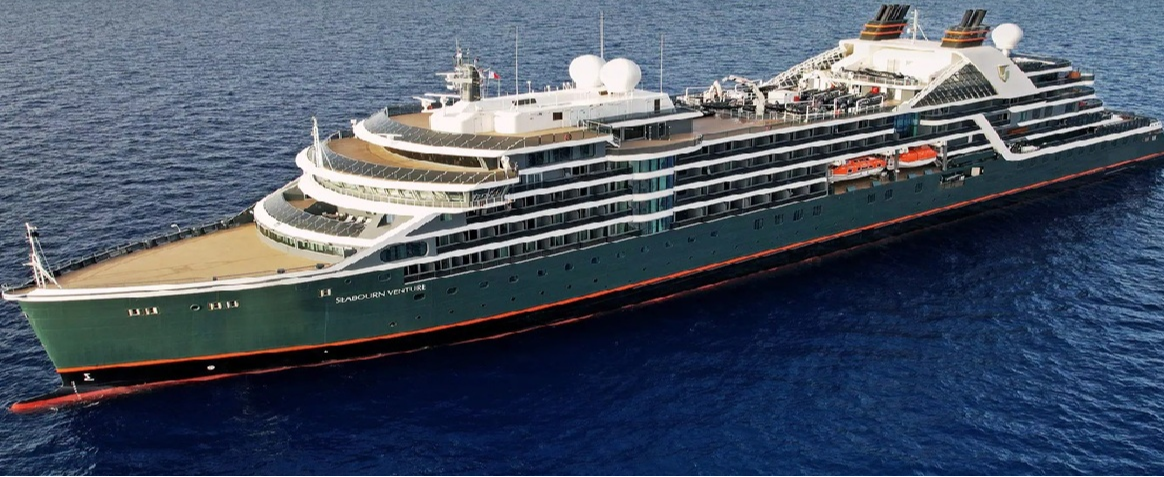
Seabourn Venture
50 Cruises

| 24 April | 82 nights | One-way from Lisbon to Reykjavik |
450-628-6241
Call us
|
| 24 April | 67 nights | One-way from Lisbon to Kangerlussuaq |
450-628-6241
Call us
|
Silversea Cruises (13 Cruises)
Silver Wind
13 Cruises
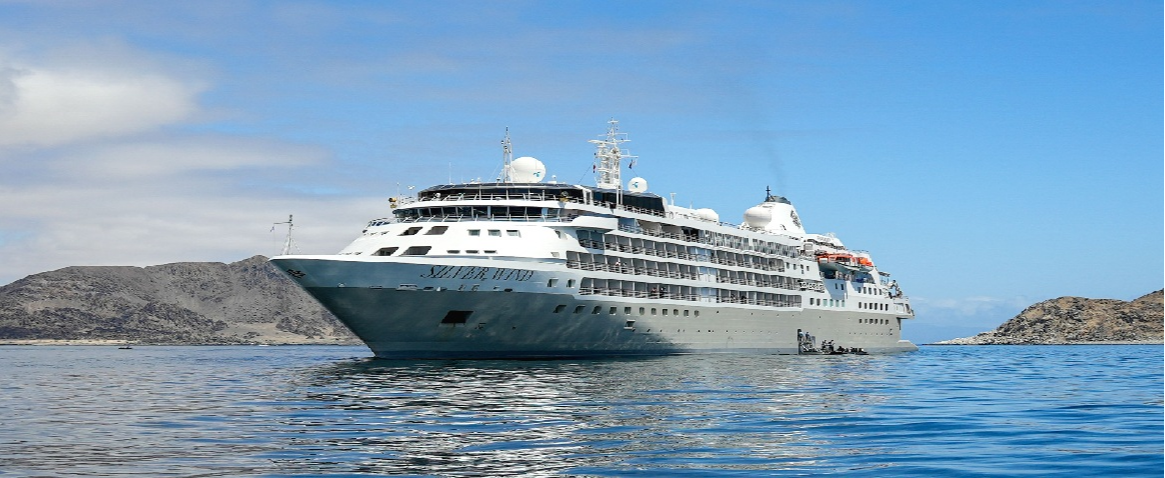

| 9 July | 10 nights | One-way from Nuuk to Reykjavik |
450-628-6241
Call us
|
| 19 July | 13 nights | One-way from Reykjavik to Nuuk |
450-628-6241
Call us
|
Viking Ocean Cruises (52 Cruises)
Viking Octantis
34 Cruises
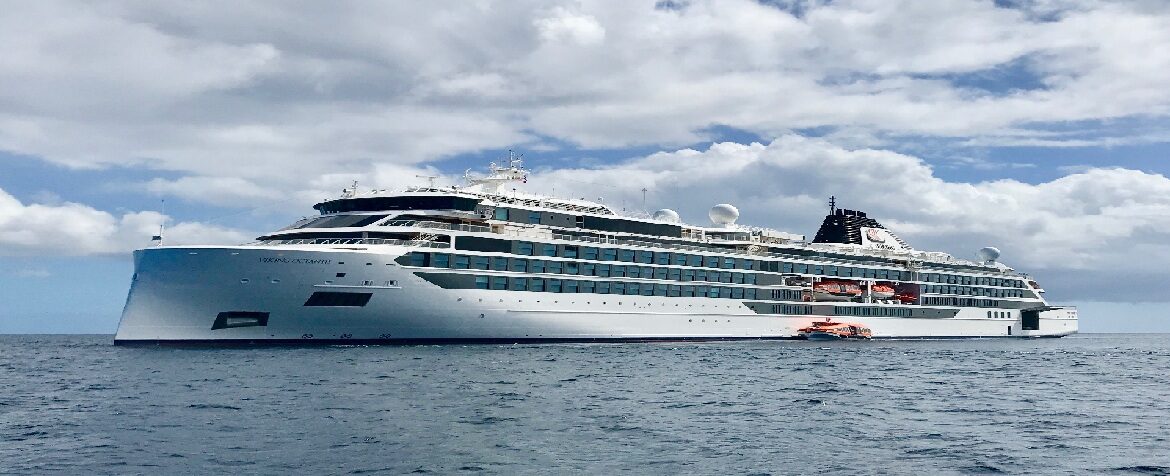

| 27 June | 26 nights | One-way from Toronto to Nuuk |
450-628-6241
Call us
|
| 28 June | 25 days | One-way from Toronto to Nuuk |
450-628-6241
Call us
|
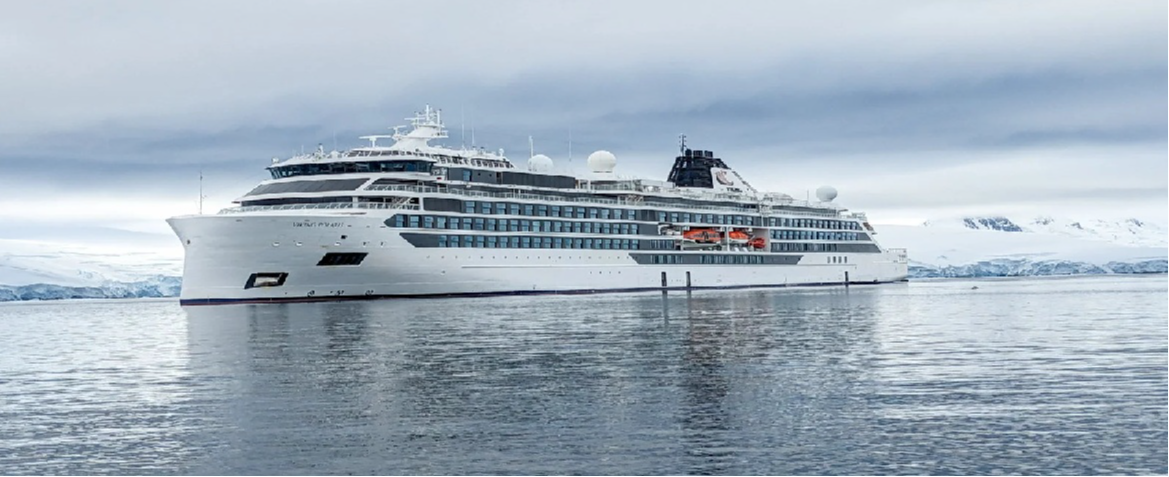
Viking Polaris
18 Cruises

Port of Sisimiut, Greenland | Cruise Port Guide
Frequently Asked Questions
At anchor: ships drop the hook in the bay and land passengers at the tender quay right in the centre. The old colonial quarter is about five minutes' walk away.
It is Greenland's second-largest settlement, with just over 5,500 residents, 75 kilometres north of the Arctic Circle. Its energy is a surprise in such rough surroundings.
The colonial quarter and its museum, the blue church of 1775 — Greenland's second oldest — and the still-working fishing harbour. There is time left for the Taseralik cultural centre by the lake.
The entrance to the museum: an archway formed of whale jawbones, a reminder of the era when whaling supported the colony founded by the Danes in 1756 as Holsteinsborg.
Collections covering 4,500 years of human occupation, back to the Saqqaq culture: hunting tools, kayaks, skin clothing sewn with sinew. Every object testifies to the ingenuity required to live off the sea and the tundra.
Because it is the northernmost town in the country whose harbour stays ice-free year round, and the southernmost where dog sledding is practised. In summer, hikers set out for Nasaasaaq or onto the Arctic Circle Trail.
Yes. Nasaasaaq, the peak watching over the rooftops, is climbed on trails starting from town. The Arctic Circle Trail links the coast to the interior over several days of walking — beyond the reach of a port call.
Because hundreds of Greenlandic huskies are tethered near the houses. In winter, teams set off straight from the residential streets: the sled is transport, not an attraction.
The Danish krone (DKK). Craft workshops sell carvings in bone and caribou antler and traditional beadwork; keep small notes for them.
Fish drying racks beside the houses, snowmobiles waiting for winter, children outdoors in any weather. The supermarket sells Danish products alongside seal and reindeer, and conversations shift from Greenlandic to Danish mid-sentence.


