Tasiilaq Ammassalik Island Greenland
Greenland

43 Cruises availables At departure or passage at this port

Ponant (16 Cruises)

Seabourn Cruise Line (19 Cruises)

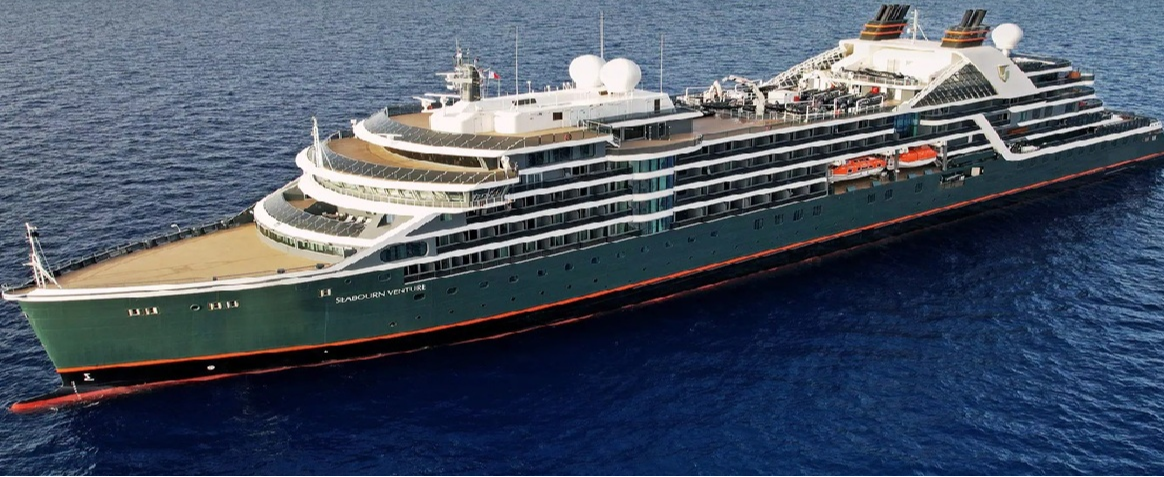
Seabourn Venture

Seabourn Venture

Visit the ship's page

Tasiilaq, Greenland | Arctic Cruise & Travel Guide

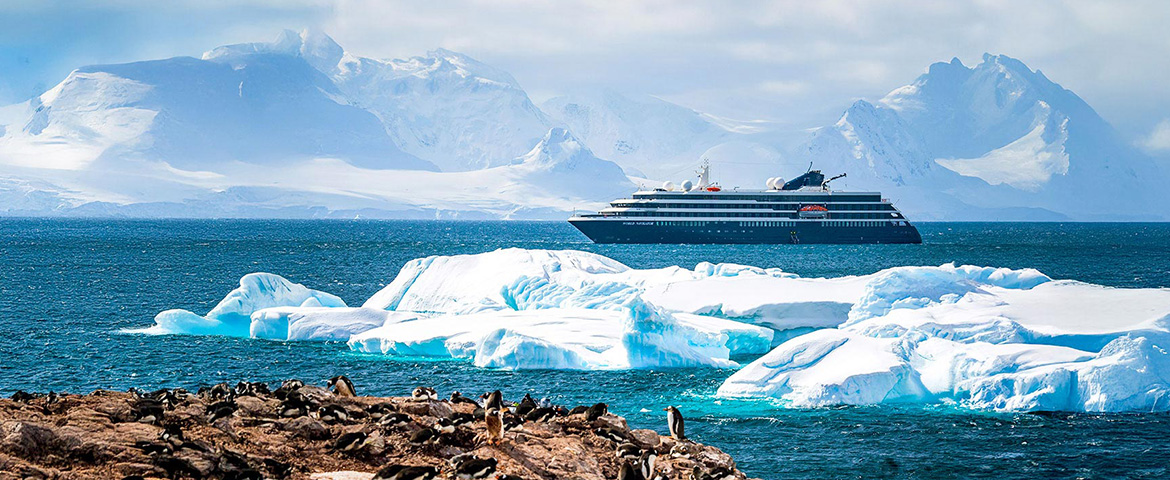
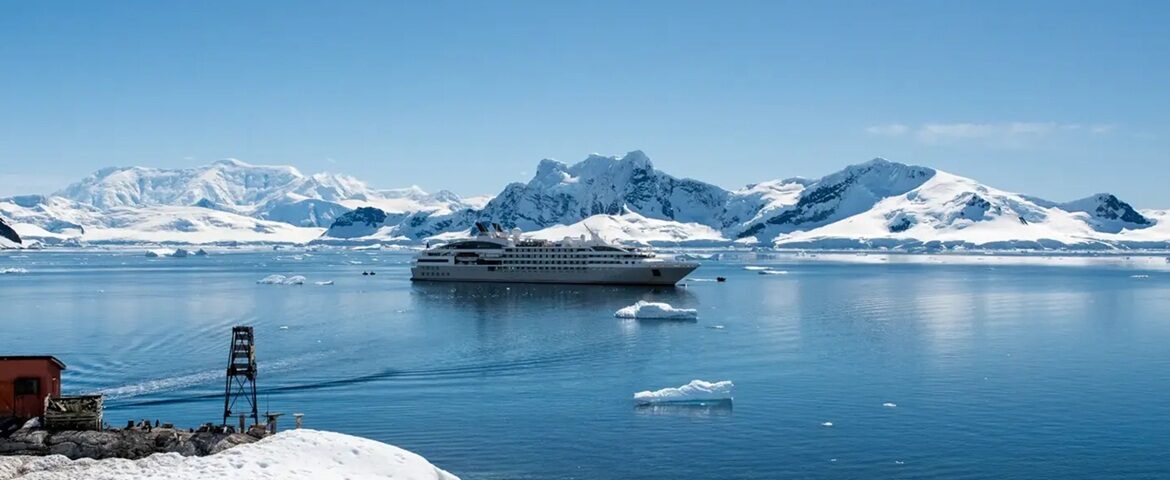
The ship drops anchor in Kong Oscar Havn, an inlet so tightly enclosed by mountains that the town's very name, Tasiilaq, means "like a lake". Fragments of icebergs drift between the hulls; boats land passengers on a shore where red, blue and yellow wooden houses cling to the slopes like confetti on the rock. Tasiilaq has about two thousand residents: it is the largest town on Greenland's entire east coast, and yet isolation shows everywhere, in the sleds waiting for winter in front of the houses and in the dogs howling as the boats approach.

A trading post at the end of the world

The town was born in 1894, when Denmark established a trading post here for the Tunumiit people, cut off from the rest of the island by drifting pack ice. This recent history is told at the small local museum, where you can see hunting kayaks, skin clothing and ritual masks. With a bit of luck, the visit coincides with a drum dance demonstration, an ancient spiritual tradition whose deep beats seem to answer the wind. The neighbouring craft workshop lets you watch carvers at work: their tupilaks, fantastical figures carved from bone or antler, are among the most unusual objects in the Arctic.

The Valley of Flowers

Behind the town lies the surprise of the call: a valley that the Arctic summer turns into a garden for a few weeks each year. The trail follows a stream between the slopes, and the ground is then covered with tufts of mauve, yellow and pink, Arctic thyme, bellflowers and dwarf fireweed, Greenland's national flower. The walk takes one to two hours depending on your pace, with no major difficulty; the backdrop of dark peaks around this fragile burst of colour remains one of the most striking images of the east coast. Bring warm, windproof clothing even in midsummer: here, the weather alone decides the program, and that's just fine.

Ice as a backdrop

Depending on the length of the anchorage, boat outings head up Ammassalik Fjord toward glacier fronts, or approach Sermilik Fjord, one of the most active in Greenland, where icebergs calved from the ice sheet drift by in a silent procession. Even without an excursion, the spectacle comes to you: from the shore or the ship's deck, the light on the ice changes from hour to hour, and every passing block carries a little of the glacier out to the ocean. Photographers keep their cameras at hand from morning to night; no one ever knows when the mist will lift on an iceberg the size of a cathedral.

Walking through daily life

A tour of the town itself is worth taking slowly. You pass the wooden church, the school, the supermarket where the year's supplies arrive by ship, the small harbour where hunters moor their boats, and everywhere dog teams dozing as they wait for the snow. Life here isn't staged: it simply lets itself be observed, with respect. A smile exchanged, a ball tossed back to some children, and the call takes on a dimension no monument can provide.

Leaving with the ice

When it's time to return to the ship, the boats once again weave between the bluish blocks in the harbour. Many travellers then fall silent, without any need to agree on it. Greenland's east coast has that effect: it puts the world's proportions back in their place, and you leave feeling smaller, yet strangely richer, with the memory of a flowering valley set amid stone and ice.

Frequently Asked Questions

At anchor in Kong Oscar Havn, an inlet so tightly closed by mountains that the settlement's name means "like a lake." Boats land passengers on the shore, threading between iceberg fragments.
It is the largest on Greenland's entire east coast, with about two thousand residents. The isolation still shows everywhere: sleds waiting for winter outside the houses, dogs howling as boats approach.
The town began in 1894, when Denmark set up a trading post here for the Tunumiit population, cut off from the rest of the island by drifting sea ice. By Greenlandic standards it is recent history.
Hunting kayaks, skin clothing and ritual masks. With luck the visit coincides with a drum dance demonstration, a spiritual tradition of the east coast going back millennia.
A fantastical figure carved from bone or horn, among the most singular objects in the Arctic. The craft workshop next to the museum lets you watch the carvers at work and buy directly.
A valley opening behind the town that the Arctic summer turns into a garden for a few weeks a year: Arctic thyme, harebells and broad-leaved fireweed, Greenland's national flower. The trail follows a stream, one to two hours depending on pace, with no real difficulty.
Yes. Depending on the length of the call, boat trips run up Ammassalik fjord toward glacier fronts or approach Sermilik fjord, one of Greenland's most active. Even without an excursion, icebergs drift past the shore all day.
Walking the town slowly is worth the time: the wooden church, the school, the supermarket where the year's supplies arrive by ship, the small harbour where hunters moor their boats, and everywhere dog teams dozing while they wait for snow.
Warm clothing and a windproof shell, even at the height of summer. Here the weather alone sets the programme. Closed shoes with good grip for the valley trail.
Yes, Danish kroner for craft work, particularly tupilaks bought at the workshop. Payment options remain limited on the east coast.