Ancona Italy

148 Cruises availables At departure or passage at this port

MSC Cruises (116 Cruises)

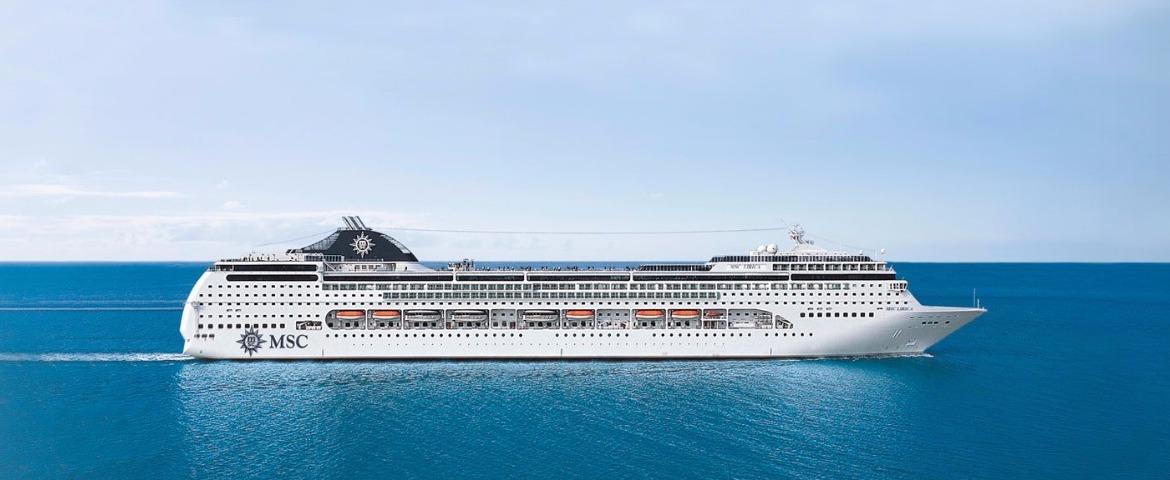
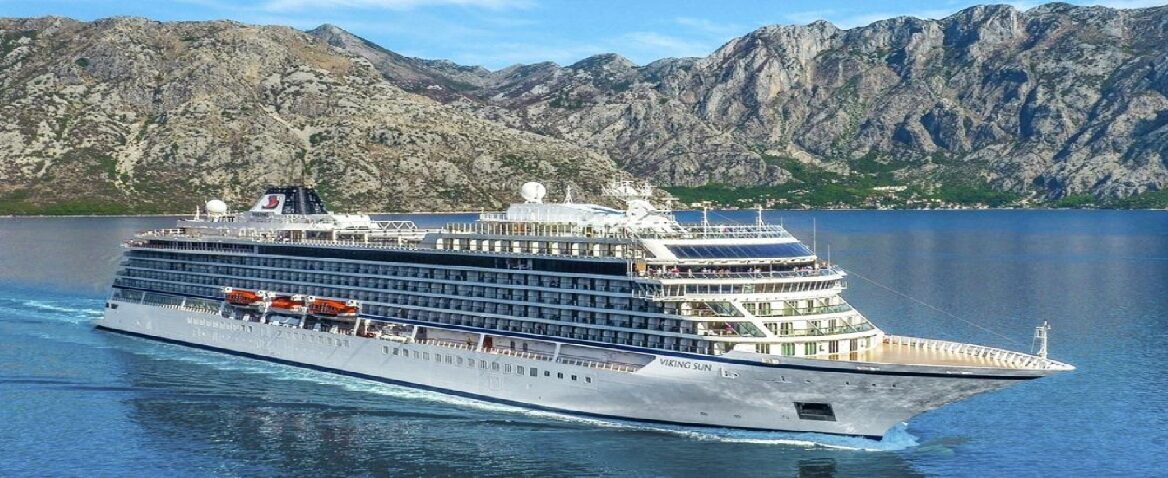
msc lirica cruise ship

MSC Lirica

1984 Passengers
65591 tons
Visit the ship's page

Few Italian ports greet visitors with a Roman monument sitting right on the breakwater. In Ancona, the Arch of Trajan has been welcoming ships for nineteen centuries, just as it once welcomed the imperial galleys. The cruise dock sits a few hundred metres from the centre: a 10- to 15-minute walk is all it takes to go from the harbour cranes to the old lanes, making this port of call in the Marche region one of the easiest to explore on your own.

The Arch of Trajan and the Old Pier

Built around the year 115 to thank the emperor for expanding the harbour at his own expense, this marble arch ranks among the best-preserved Roman monuments in the region. Its slender silhouette stands out against the sky at the end of the pier, right where ships docked in antiquity. It's reached on foot along the quays, and it's from here that the old town, rising up its hillside, is best taken in at a glance.

The Climb to San Ciriaco

From the arch, narrow streets climb Guasco Hill in stages. Plan on about fifteen minutes for the climb, broken up by small squares and glimpses over the rooftops. At the top, San Ciriaco Cathedral, completed in 1189, blends Romanesque and Byzantine influences; two pink stone lions flank its portal. The square out front rewards the effort: the gulf stretches from one horizon to the other, with ferries coming and going from the harbour just as they have for two thousand years.

Vanvitelli's Lazaretto

Heading back down toward the quays, a pentagon-shaped artificial island catches walkers' attention. This is the Mole Vanvitelliana, a lazaretto built in the 18th century by architect Luigi Vanvitelli to quarantine crews and cargo. The former quarantine building now hosts exhibitions and cultural events, and its mass of brick set on the water is one of the most distinctive sights on the Adriatic coast.

Il Passetto, a Balcony over the Adriatic

East of the old town, the Passetto neighbourhood ends in a terrace above the sea, around the large white monument to the fallen of the First World War. A monumental staircase leads down from there to a rocky shoreline lined with fishermen's caves, hollows carved directly into the cliff and closed off with colourful doors, passed down through Ancona families for generations. Locals come to swim here in summer, just a 10-minute bus ride from the old lanes: few visitors know this stretch of coastline, and that's exactly what makes it special.

A City for Its Own People

Between Corso Garibaldi and Piazza del Plebiscito, which locals call Piazza del Papa, Ancona lives mainly for itself: cafés full of students, neighbourhood shops, markets where fishmongers call out the day's catch. Taverns serve brodetto, a fish stew that every family makes its own way. Meals here come without pretense, at prices that are a reminder the clientele is mostly local.

Ancona Port Call at a Glance

  • Historic centre: 10 to 15 minutes on foot from the cruise dock.
  • San Ciriaco Cathedral: about a 15-minute climb from the Arch of Trajan.
  • Mole Vanvitelliana: on the way back to the ship, right by the harbour.
  • Possible excursions to the Frasassi Caves or Marche hill towns on longer port calls.

The walk back to the ship closes the loop: passengers pass once more beneath the gaze of the Arch of Trajan, just as sailors have done in every era before them. Few ports of call fit two thousand years of seafaring into a single stroll, from a Roman emperor to an Adriatic ferry.

Frequently Asked Questions

At the cruise quay, a few hundred metres from the centre. Ten to fifteen minutes on foot takes you from the harbour cranes to the old lanes, making Ancona one of the easiest calls to explore independently.
Yes, entirely. Trajan's Arch, San Ciriaco cathedral, the Mole Vanvitelliana and the historic centre are all walkable from the quay. Only the Passetto district needs about ten minutes by bus.
A marble arch raised around 115 CE to thank the emperor for enlarging the harbour at his own expense. It ranks among the best-preserved Roman monuments in the region and stands at the end of the mole, exactly where ancient ships once berthed.
A loop that holds together: Trajan's Arch along the quays, the climb to San Ciriaco, back down through the lanes, the Mole Vanvitelliana on the way to the ship. If time remains, ten minutes by bus reaches the Passetto and its fishermen's caves.
From Trajan's Arch the lanes climb Guasco hill in stages. Allow a quarter of an hour, broken up by small squares and views over the rooftops. The cathedral, completed in 1189, blends Romanesque with Byzantine influences, and the forecourt opens onto the whole gulf.
A pentagonal artificial island at the harbour's edge, a lazaretto built in the eighteenth century by architect Luigi Vanvitelli to quarantine crews and cargo. It now hosts exhibitions and cultural events, and sits on the way back to the ship.
A district east of the old core ending in a terrace above the sea, around a large white monument to the dead of the First World War. A staircase descends to a rocky shore lined with fishermen's caves closed by coloured doors. Few visitors know this side of town: that is exactly its value.
Between corso Garibaldi and piazza del Plebiscito, which locals call piazza del Papa. The taverns serve brodetto, a fish stew every family makes its own way. People eat here without staging, at rates that show the clientele is local first.
The euro and Italian. English is less common than elsewhere on this coast: Ancona lives for its residents and for ferry traffic, not for cruise passengers. Cards work, but keep cash for neighbourhood cafes.
Yes, with one caveat: the climb to San Ciriaco tires small legs. What works: the quays and Trajan's Arch in the morning, then the bus to the Passetto, where Ancona families swim below the caves in summer.