Gallipoli Italy
64
Cruises availables
At departure or passage at this port
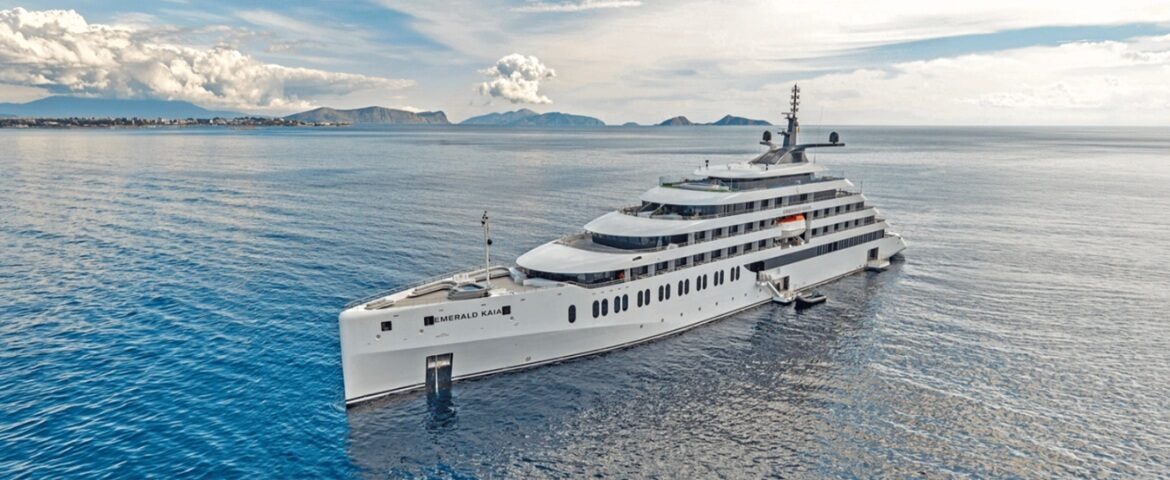
Emerald Waterways (2 Cruises)

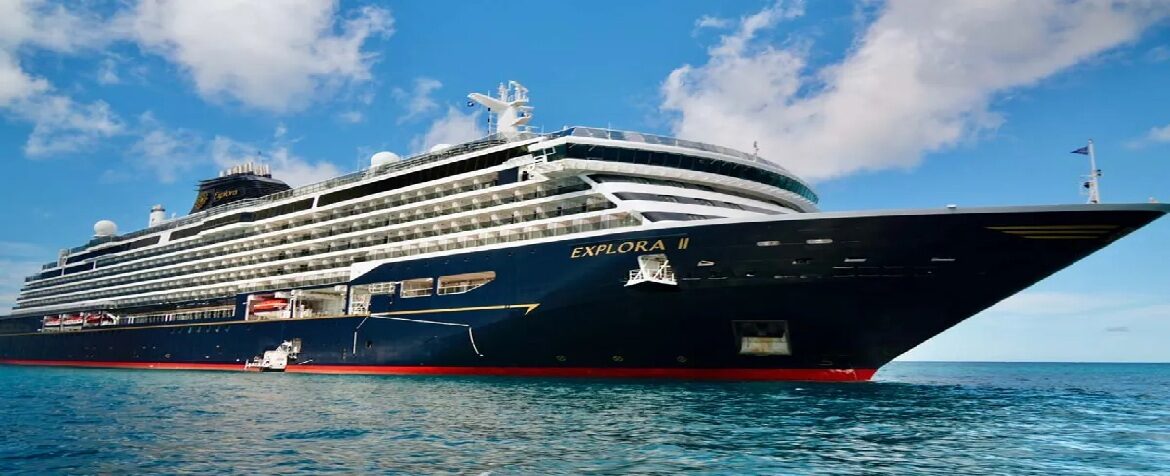
Explora Journeys (3 Cruises)

Oceania Cruises (5 Cruises)
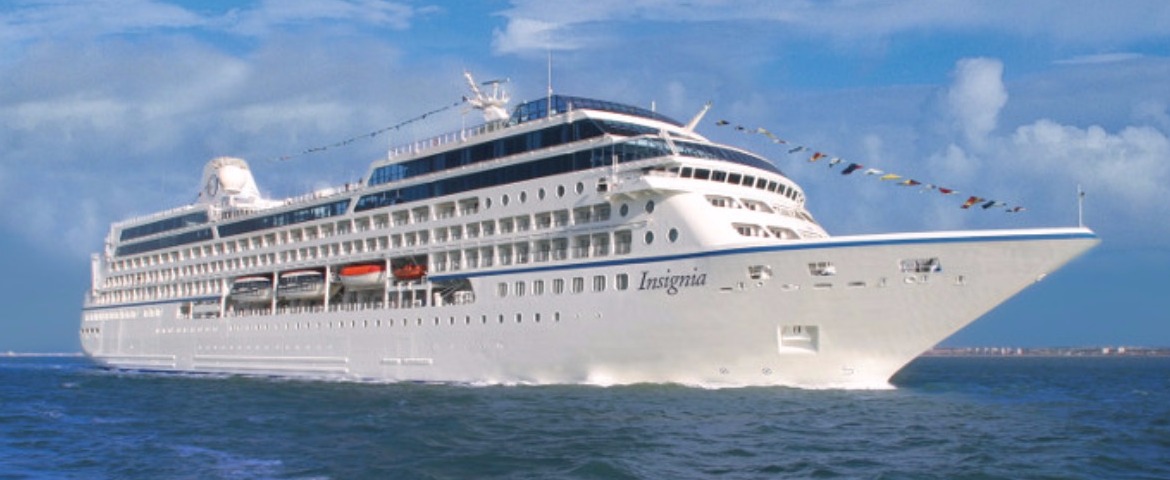
Oceania Insignia
5 Cruises

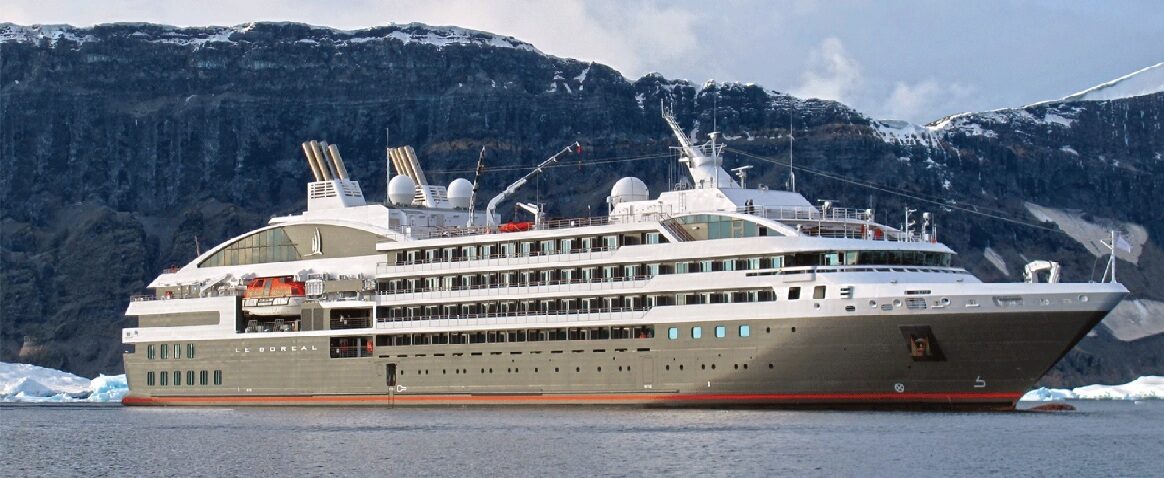
Ponant (5 Cruises)

Silversea Cruises (19 Cruises)
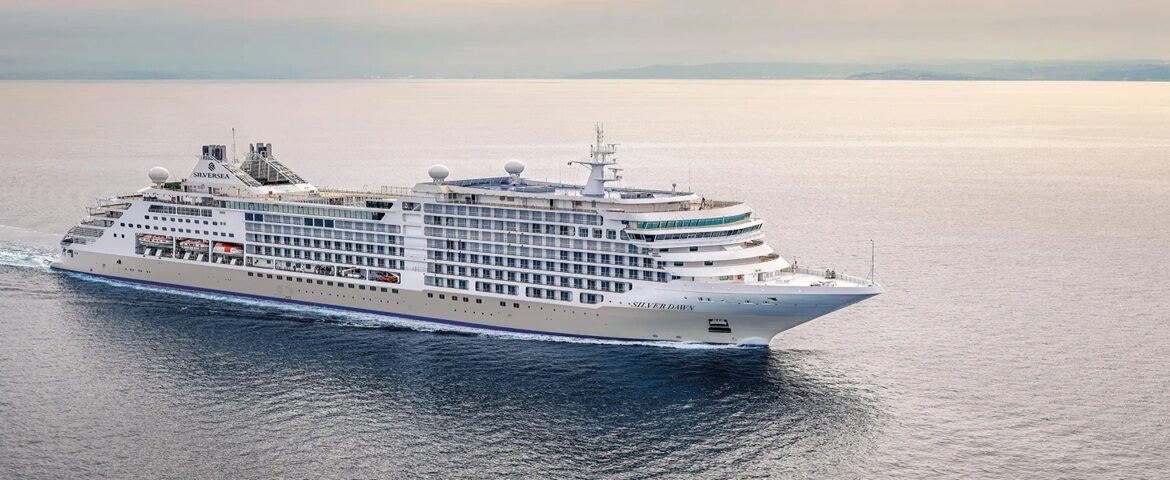
Silver Dawn
6 Cruises

| 10 June | 21 days | One-way from Piraeus-Athens to Civitavecchia-Rome |
450-628-6241
Call us
|
| 10 June | 11 days | One-way from Piraeus-Athens to Venice |
450-628-6241
Call us
|
Silver Ray
9 Cruises
Windstar Cruises (28 Cruises)
Star Legend
28 Cruises
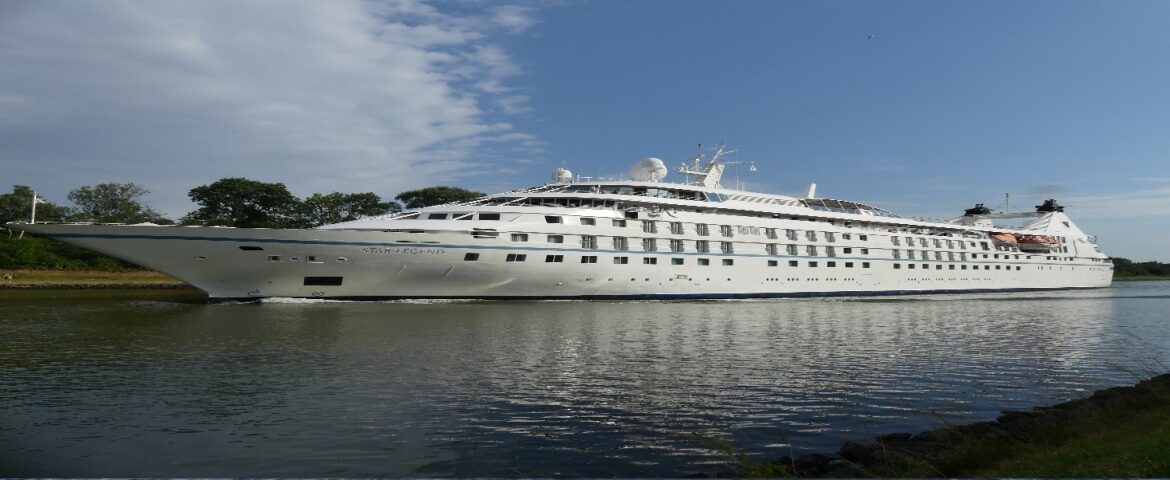

| 26 March | 15 days | One-way from Barcelona to Piraeus-Athens |
450-628-6241
Call us
|
| 26 March | 14 days | One-way from Barcelona to Piraeus-Athens |
450-628-6241
Call us
|
Frequently Asked Questions
Large ships anchor offshore and land passengers by tender; smaller vessels berth at the ferry quay against the old town. Either way, the golden ramparts rise immediately above the water.
It is an entire round island, ringed by ramparts beaten by the Ionian Sea and joined to the Salento mainland by a sixteenth-century bridge. The Greeks called it Kale Polis, the beautiful city.
Entirely, and without a map. Every alley eventually drops back onto the rampart walk circling the island, facing the sea. The full circuit takes about an hour if you linger.
At the island's highest point, it presents one of the finest faces of Puglian baroque: a facade worked like stone lace, adorned with statues, and a wooden door carved with 32 panels telling the life of the patron saint.
Dozens of oil mills carved into the rock beneath the palaces, where men and animals pressed olives in near darkness. The frantoio ipogeo under Palazzo Granafei can be visited: millstones, presses and galleries, in a descent of about thirty minutes.
Everything fits on the island. The rampart circuit, Sant'Agata cathedral, an underground oil mill, grilled fish facing the fishing basin, and a swim at Purità beach right below the walls.
Yes. The small Purità beach nestles directly against the ramparts at the foot of the old town: a few dozen metres of pale sand and clear water. The nearby coast offers other temptations, from Baia Verde to the Punta della Suina cove, by taxi.
Yes, and that gives the call its particular flavour. Fishing boats rock in the basin, nets dry in the sun, and this daily maritime life carries on regardless of the ships.
The euro and Italian, with Salentino in the lanes. English is spoken in town-centre businesses. Keep cash for neighbourhood bakeries, craft stalls and taxis to the coves.
July and August, if you want quiet: this is the Salento's peak beach season and the nearby shores fill up. The town is still spared the mass tourism that presses elsewhere, but summer concentrates everyone at once.


