Taranto Italy

90 Cruises availables At departure or passage at this port
Costa Cruises (59 Cruises)

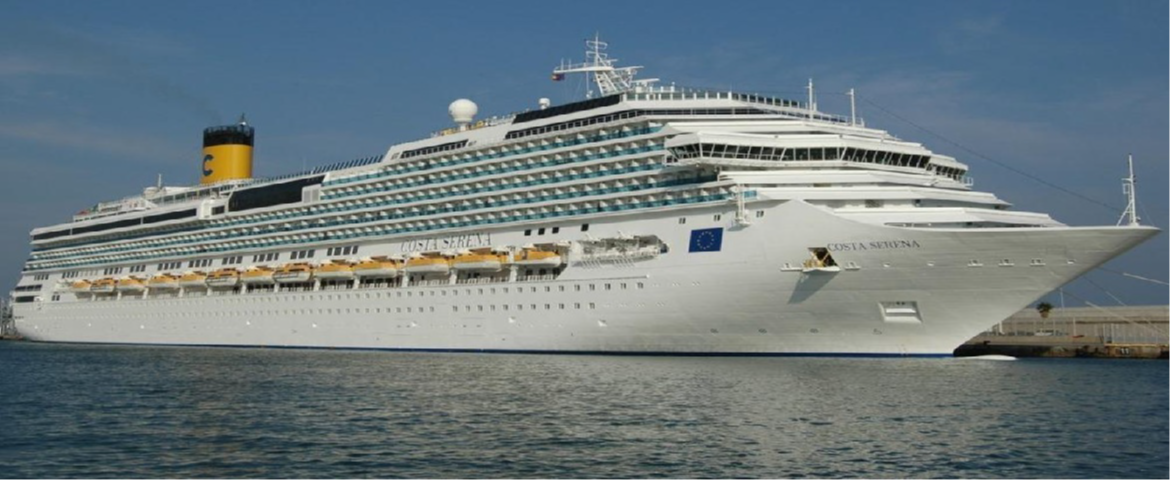
Costa Serena.

Costa Serena

3780 Passengers
114500 tons
Visit the ship's page

Windstar Cruises (19 Cruises)

Port of Taranto, Italy | Cruise Port Guide

Two seas meet in Taranto. The ship enters the Mar Grande, the roadstead opening onto the gulf, while behind the old town lies the Mar Piccolo, an inner lagoon where mussel farmers have raised their mussels for generations. This unusual geography has shaped the city's destiny: a Greek colony that became a maritime power, then the Italian navy's great arsenal. Ships dock at the San Cataldo pier, about 2.5 km from the centre, and a free shuttle takes passengers to the heart of the city. A few hours are enough to grasp what makes Taranto so different from the other cities of Puglia.

The swing bridge and the entrance to the old town

The way to the Città Vecchia crosses the Ponte Girevole, an 1887 metal bridge about 90 metres long. It still swings open to let naval vessels pass between the two seas, a sight Tarantines come to watch from the parapets. On the way across, a glance at the water often reveals schools of fish darting through the canal's current. On the other side, the old town occupies a narrow island. Its lanes climb between palazzi with salt-worn façades, laundry hanging from balconies and silent chapels. It's easy to lose yourself here for half an hour, long enough to feel the daily pulse of a neighbourhood that has stayed working-class.

The Aragonese Castle, guardian of the canal

At the entrance to the island, the Castello Aragonese has watched over the navigable canal since the late 15th century. Ferdinand of Aragon had it enlarged to withstand artillery, and the Italian navy, which still occupies it, now runs guided tours. The vaulted halls, massive towers and terraces overlooking both seas tell of five centuries of military life. Right next door, two Doric columns standing on a small square recall that a Greek temple stood here 2,500 years ago, among the oldest in Magna Graecia.

San Cataldo Cathedral

Following the lanes, you reach the cathedral dedicated to San Cataldo, an Irish monk who became the city's patron saint. Founded in the 11th century, it is among the oldest in Puglia. Its Baroque façade conceals a Romanesque nave supported by reused ancient columns, and the saint's chapel sparkles with polychrome marble. The contrast between the austere stone and the exuberant chapel sums up the region's history quite well, with each era having left its layer. On the forecourt, elderly women bring out their chairs in the cool hours, and conversation flows as freely as the bells.

MArTA and the gold of Taranto

Back in the newer districts, the National Archaeological Museum, MArTA, deserves a good hour. Its collections are among the richest in Italy for the Greek period: ceramics, sculptures and above all the famous Gold of Taranto, jewellery of astonishing finesse crafted by the goldsmiths of ancient Taras. Diadems, earrings and wreaths of gold leaves bear witness to the refinement of a city that rivalled Athens at the time.

The waterfront and Tarantine cuisine

Before heading back, the Lungomare Vittorio Emanuele III offers a palm-lined promenade facing the Mar Grande, with the silhouettes of warships on the horizon. The neighbourhood trattorias serve Mar Piccolo mussels, au gratin or in soup, with a glass of Primitivo. The lagoon's produce comes straight from the farming beds visible from the shore, a short supply chain that existed long before the term.

Returning on board, you take away the image of a double city: on one side the old island huddled around its castle, on the other the modern avenues and the arsenal. The place doesn't try to please at first glance. It reveals itself slowly, between two seas, and that is precisely what makes you want to come back to continue the conversation.

Frequently Asked Questions

At the San Cataldo mole, about 2.5 km from the centre. A free shuttle takes passengers into the heart of the city: do not plan to walk it, as the route crosses a port area.
Yes, once dropped in the centre. The old town occupies a narrow island reached by the Ponte Girevole, and the MArTA museum is within walking distance in the newer districts. It all fits into half a day with no further transport.
The Ponte Girevole and the Città Vecchia, the Aragonese castle and San Cataldo cathedral, then a good hour at the MArTA for the gold of Taranto. The Lungomare Vittorio Emanuele III and a plate of mussels round out the day.
A metal bridge from 1887, about 90 metres long, that still swings open to let naval vessels pass between the two seas. Locals gather at the parapets to watch the manoeuvre, and a glance at the water often reveals shoals of fish running with the channel current.
Because it genuinely does. Ships enter the Mar Grande, the roadstead open to the gulf, while behind the old town lies the Mar Piccolo, an inland lagoon where mussel farmers have worked for generations. That geography has shaped the city's entire history.
The gold of Taranto: diadems, earrings and crowns of gold leaf of astonishing delicacy, made by the goldsmiths of ancient Taras. The collections are among Italy's richest for the Greek period and testify to the refinement of a city that once rivalled Athens. Give it a good hour.
Yes, on guided tours run by the Italian Navy, which still occupies it. The Castello Aragonese has watched over the navigable channel since the late 15th century: vaulted halls, massive towers and terraces facing both seas. Beside it, two Doric columns recall the Greek temple that stood here 2,500 years ago.
Mussels from the Mar Piccolo, baked or in soup, with a glass of Primitivo. Lagoon produce comes straight from the beds visible from the shore: a short supply chain that existed long before anyone coined the phrase.
No, and it does not try to charm at first glance. It is a double city: on one side the old island packed around its castle, with salt-worn palace façades and a district that has stayed working-class; on the other, modern avenues and the naval arsenal. It reveals itself slowly.
The euro and Italian. Cards work at the museum and in restaurants, but keep cash for cafés and old-town shops. English is not widely spoken: Taranto still receives relatively little international tourism.