Vibo Valentia Italy

30 Cruises availables At departure or passage at this port

CroisiEurope (23 Cruises)

Cruise CE Croisieurope MS La Belle de L\

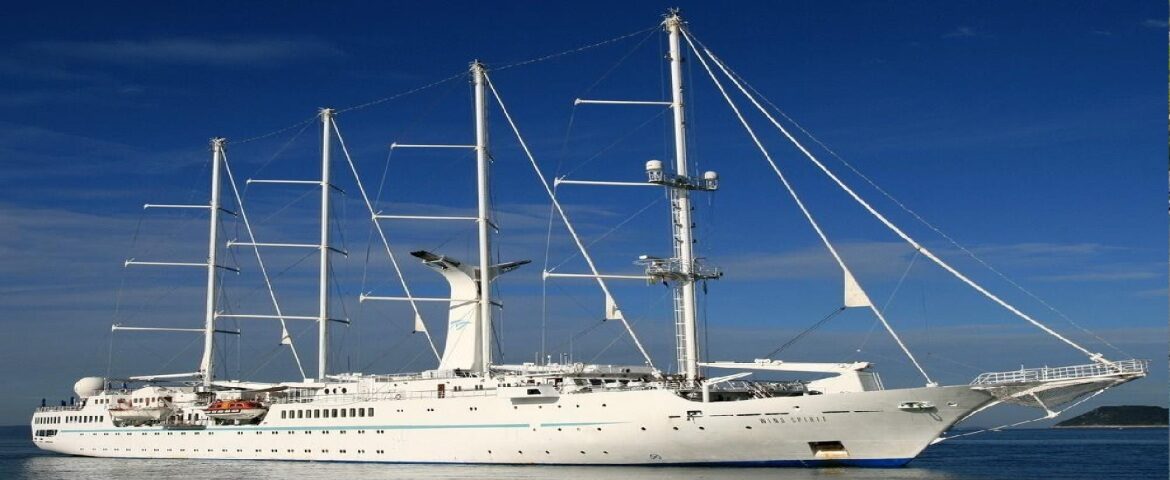
MV La Belle de L'Adriatique

195 Passengers
Visit the ship's page

Vibo Valentia, Italy | Cruise Port Guide

The Tyrrhenian Sea has a name for this stretch of coastline that sets the tone: Costa degli Dei, the Coast of the Gods. Crystal-clear waters shifting from turquoise to deep blue, pale granite cliffs, golden beaches backed by olive groves and, on clear days, the plume of Stromboli on the horizon. Cruise ships call at Vibo Marina, the seaport serving Vibo Valentia, in Calabria, on the western side of Italy's boot-shaped peninsula. The port town itself is modest; the real highlights lie along the surrounding coastline, one of the most admired in southern Italy.

Tropea, the Coastal Lookout

About a 30-minute drive away, Tropea draws most of the attention. The old town sits on the edge of a steep cliff, its closely packed palaces rising some 50 metres above a pale sandy beach. Across from it, perched on a rocky outcrop between sky and sea, the Sanctuary of Santa Maria dell'Isola creates one of Calabria's most widely photographed scenes. In the narrow streets, market stalls overflow with the famous cipolla rossa, Tropea's sweet red onion, which finds its way into everything, even ice cream, alongside chillies, 'nduja and local cheeses. Terraces at scenic viewpoints, tucked at the ends of narrow lanes, offer spectacular views down to the coves, while stairways carved into the cliff lead to Rotonda Beach, where the water remains clear and shallow for dozens of metres from shore.

Pizzo, the Castle and Tartufo

Closer to the port, Pizzo is just a 10-minute drive away. This sizeable fishing village rises in tiers above its bay. On the central square, suspended like a balcony above the water, cafés serve the speciality that has made the town famous around the world: tartufo, a melting chocolate centre encased in hazelnut ice cream, first created here in the 1950s. Nearby, the Aragonese castle preserves a darker chapter of history. Joachim Murat, Napoleon's marshal and the deposed King of Naples, was tried and executed here in 1815; his final hours are recounted from room to room. Below, carved into the cliff's tufa rock, the small Church of Piedigrotta features statues sculpted directly into the stone by anonymous hands, adding a distinctive touch to the visit.

What About the Upper Town?

Vibo Valentia itself rises on a hill a few kilometres inland. The ancient Greek settlement of Hipponion left behind walls and historical traces preserved in the archaeological museum housed in the Norman-Swabian castle at the summit. From the ramparts, the view stretches across the entire Gulf of Sant'Eufemia. The climb will appeal to history enthusiasts; others can happily opt for the coastal villages or simply spend the day at the beach.

Choosing Your Day

  • For a relaxing beach day: beaches stretch out on either side of Vibo Marina, some within walking distance or just a short taxi ride away, with parasols and beach bars operating during the season.
  • For scenic views: Tropea and Pizzo are easy to combine on a half-day excursion, with dramatic cliffs, ice cream and a castle along the way.
  • For an adventure at sea: depending on the season, boat excursions head to the nearby Aeolian Islands, with Stromboli a prime destination. From the Capo Vaticano promontory a little farther south, you can already see towards the islands on a clear day.

On the way back, the sun sinks over the Tyrrhenian Sea, bathing the cliffs in a soft copper glow. You begin to understand the name of this coastline: the ancients saw a shore worthy of the gods, and a day-tripper with a chocolate ice cream in hand, gazing out to sea, has little reason to disagree. Calabria rewards those who give it a chance, and this port of call is a deliciously sweet-and-savoury reminder of why.

Frequently Asked Questions

At Vibo Marina, the seaport of Vibo Valentia in Calabria. The port village itself is modest: a few streets, some shops, beaches on either side. The day happens along the surrounding coast, not on the quay.
Choose between Tropea and Pizzo, or combine both in a half-day. Tropea is about thirty minutes away by road, Pizzo about ten. Adding the upper town of Vibo Valentia to both does not fit into a short call.
Its old town perched on a sheer cliff some fifty metres above a pale sand beach, and the sanctuary of Santa Maria dell'Isola sitting on its rock facing the sea. In the lanes, stalls overflow with cipolla rossa, the local sweet red onion, along with chillies and nduja.
For the tartufo, the melting chocolate heart wrapped in hazelnut ice cream created on the village square in the 1950s, and for the Aragonese castle where Joachim Murat, deposed king of Naples, was tried and shot in 1815. Below, the church of Piedigrotta is carved straight into the cliff's tuff.
Yes. Beaches stretch on both sides of the port, some within walking distance or a few minutes by taxi, with umbrellas and beach bars in season. It is the simplest option on a short call or for anyone who would rather skip the road.
It depends what you are after. It rises on its hill a few kilometres inland and preserves the Greek city of Hipponion: walls, an archaeological museum inside the Norman-Swabian castle, and a panorama over the Gulf of Sant'Eufemia. History lovers get their money's worth; others will prefer the coast without regret.
Depending on the season, yes: outings run to the nearby Aeolian Islands, Stromboli first among them. From the Capo Vaticano headland a little further south, you can already make them out on a clear day, with the volcano's plume on the horizon.
Yes, particularly the beach or Pizzo version, where everything happens on the flat around the main square. Tropea takes more effort: the beach is reached by stairs cut into the cliff, and the lanes are cobbled. With a stroller, it is better to stay in the upper town.
The euro and Italian. English is little spoken outside Tropea's tourist shops, and French even less. Cards work in restaurants and hotels, but keep cash for ice cream shops and market stalls.
May to early October, when the sea is warm and the beaches are serviced. July and August draw heavy Italian holiday crowds and the midday heat is strong. June and September strike the best balance between warm water and relative quiet.