Arnhem Netherlands Gelderland
611
Cruises availables
At departure or passage at this port
Riviera Travel (21 Cruises)
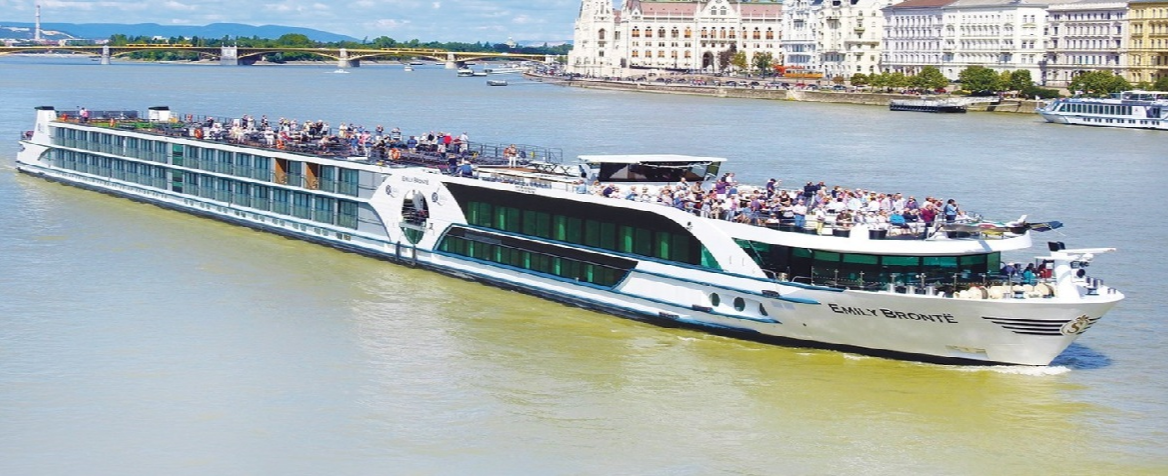
MS Emily Bronte
6 Cruises

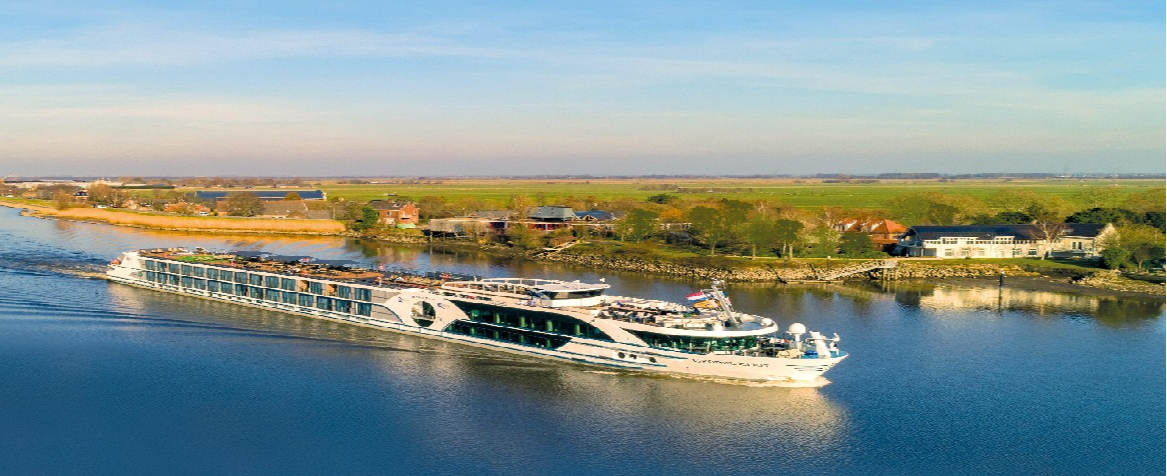
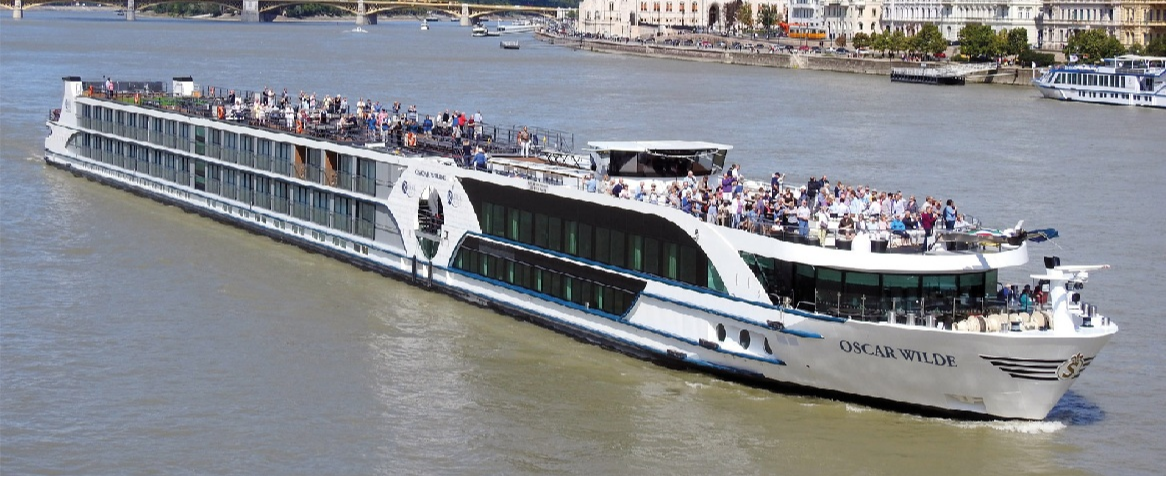
MS George Eliot
6 Cruises
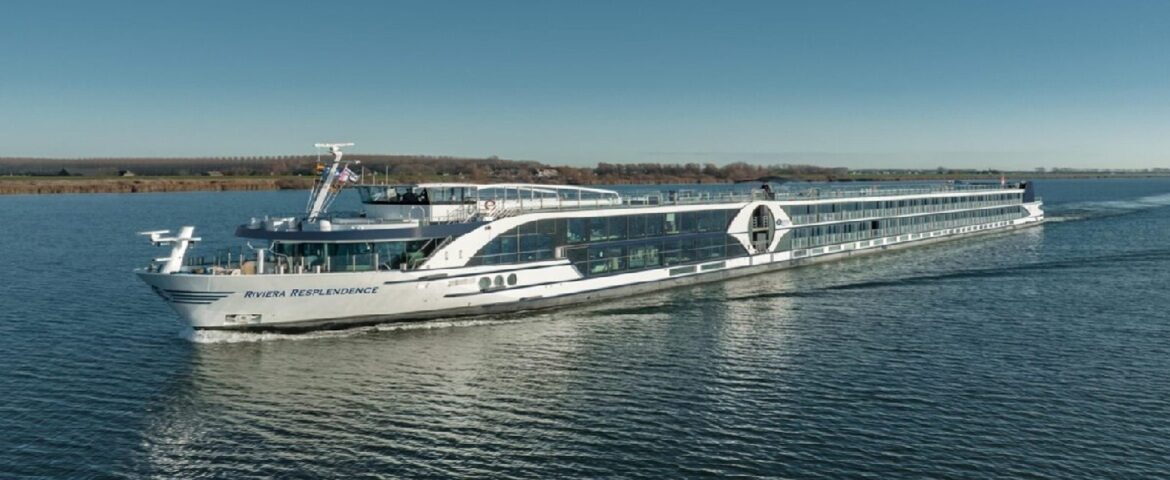
MS Riviera Resplendence
6 Cruises
Scenic Cruises (52 Cruises)
Scenic Amber
14 Cruises



Scenic Jewel
13 Cruises

Scenic Opal
9 Cruises

| 23 March | 22 days | One-way from Budapest to Amsterdam |
450-628-6241
Call us
|
| 23 March | 21 days | One-way from Budapest to Amsterdam |
450-628-6241
Call us
|
Scenic Ruby
15 Cruises

| 24 March | 21 days | One-way from Budapest to Amsterdam |
450-628-6241
Call us
|
| 24 March | 22 days | One-way from Budapest to Amsterdam |
450-628-6241
Call us
|
Uniworld Boutique River Cruise (480 Cruises)
S.S Audrey
59 Cruises

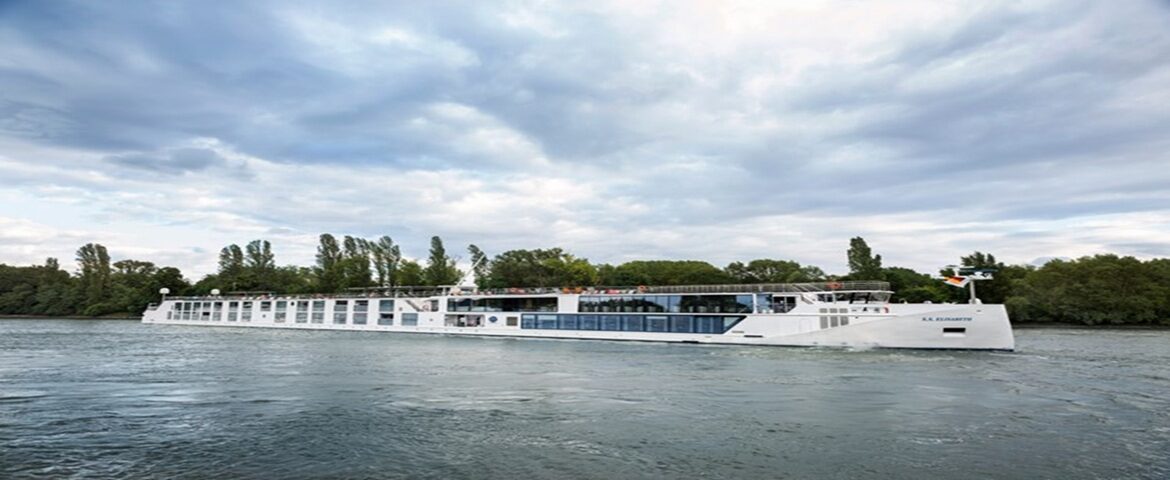
S.S Elisabeth
78 Cruises
S.S. Antoinette
137 Cruises

| 26 March | 10 days | One-way from Amsterdam to Basel |
450-628-6241
Call us
|
| 28 March | 8 days | One-way from Arnhem to Basel |
450-628-6241
Call us
|
| 24 March | 10 days | One-way from Amsterdam to Basel |
450-628-6241
Call us
|
| 26 March | 8 days | One-way from Arnhem to Basel |
450-628-6241
Call us
|
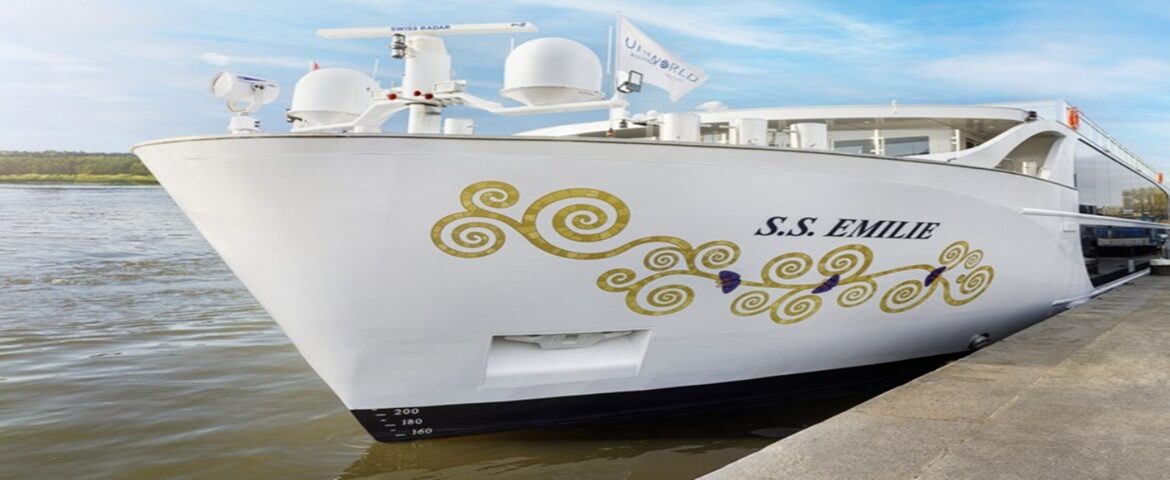
S.S. Émilie
12 Cruises
S.S. Victoria
57 Cruises

Uniworld SS Antoinette
137 Cruises

| 26 March | 10 days | One-way from Amsterdam to Basel |
450-628-6241
Call us
|
| 28 March | 8 days | One-way from Arnhem to Basel |
450-628-6241
Call us
|
| 24 March | 10 days | One-way from Amsterdam to Basel |
450-628-6241
Call us
|
| 26 March | 8 days | One-way from Arnhem to Basel |
450-628-6241
Call us
|
Viking River Cruises (58 Cruises)
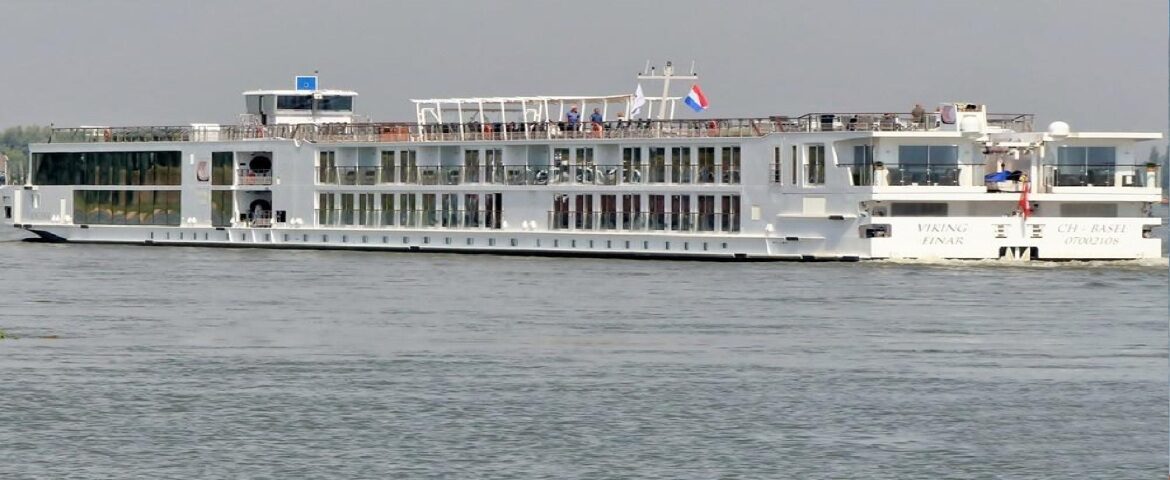
Viking Einar
10 Cruises

Viking Longship Gefjon
20 Cruises
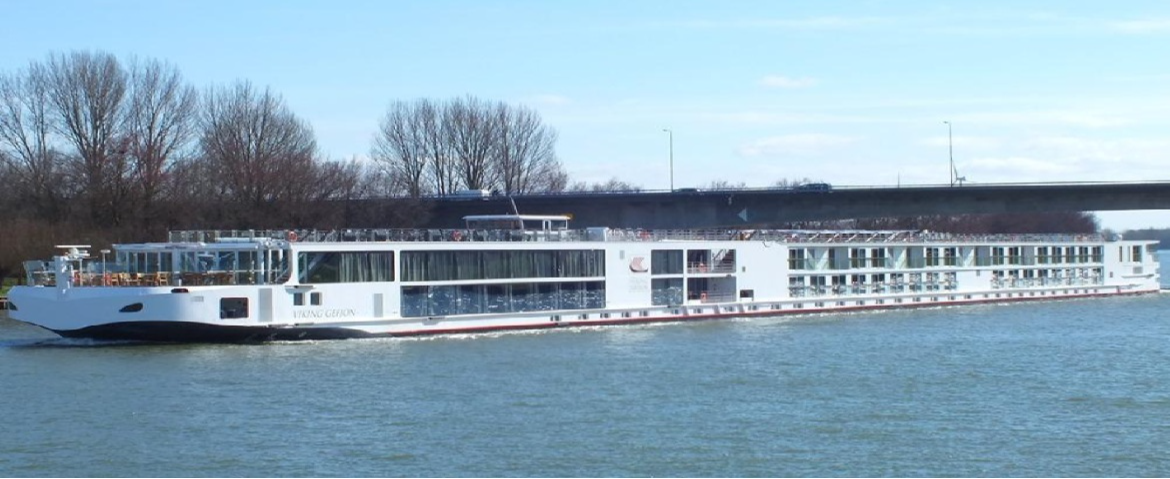
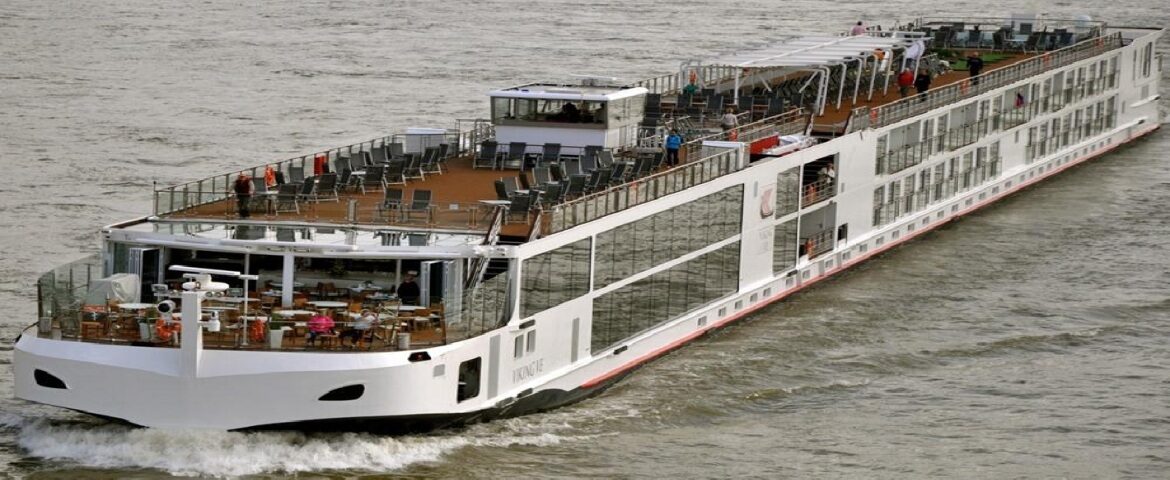
Viking Longships Ve
20 Cruises
| 25 March | 9 days | Round-trip Tulips Windmills |
450-628-6241
Call us
|
| 25 March | 10 days | Round-trip from Amsterdam, Netherlands |
450-628-6241
Call us
|
| 23 March | 9 days | Round-trip Tulips Windmills |
450-628-6241
Call us
|
| 23 March | 10 days | Round-trip from Amsterdam, Netherlands |
450-628-6241
Call us
|
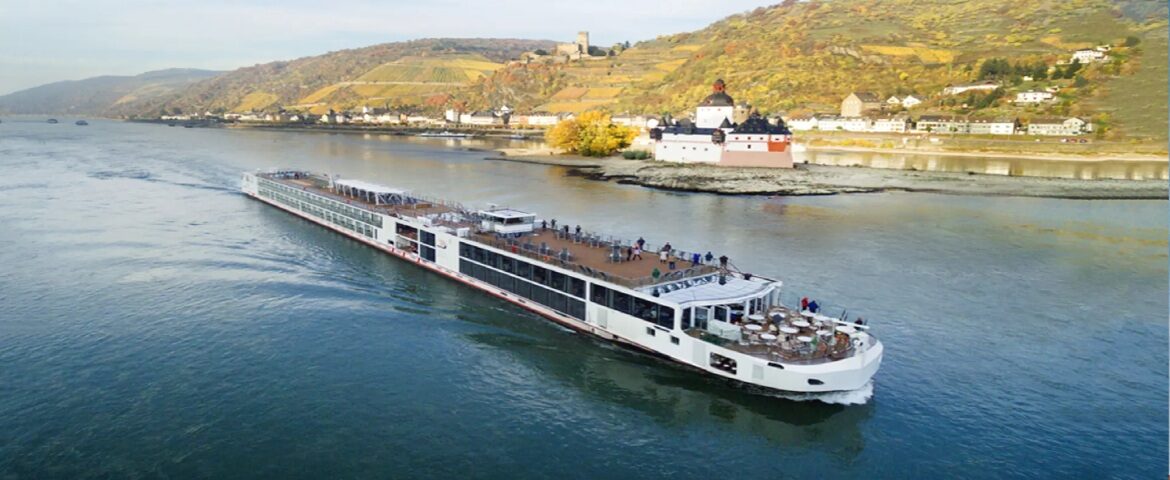
Viking Sigrun
8 Cruises
| 23 March | 10 days | Round-trip from Amsterdam, Netherlands |
450-628-6241
Call us
|
| 23 March | 9 days | Round-trip Tulips Windmills |
450-628-6241
Call us
|
Port of Arnhem, Netherlands | Cruise Port Guide
Frequently Asked Questions
At the Rijnkade, the landscaped bank between the Nelson Mandela and John Frost bridges. Ten minutes' walk brings you to the centre, along a bank lively with restaurants and barges.
Because in September 1944 British paratroopers tried to seize it during Operation Market Garden. The soldiers nicknamed it a bridge too far; today it bears the name of John Frost.
Yes, an information centre at the foot of the bridge retraces the battle: photographs, testimonies, maps of the street fighting, accounts from residents caught in between. Walking across the bridge afterwards makes the stakes clear.
The museum devoted to the battle, housed in the former British headquarters at the Hartenstein villa, a few kilometres west of Arnhem. City buses reach it without difficulty.
The fifteenth-century building whose tower can be seen from almost anywhere. Heavily damaged in the war and then rebuilt stone by stone, it stands for the city's revival; climbing the tower opens a panorama over the Rhine valley.
A large park four kilometres from the centre where farms, mills, workshops and houses from all over the country have been re-erected piece by piece. Historic trams run between the reconstructed hamlets.
Yes, particularly. Craftspeople bring old trades back to life and two good hours pass unnoticed, between a historic baking demonstration and a ride on a century-old tram.
Half a day each for Oosterbeek or the Open Air Museum if you want to enjoy them unhurried. Walkers, meanwhile, will find plenty without leaving the city.
Both. The centre was largely rebuilt after the war, and the rebuilding succeeded: lively squares, terraces and designer shops in the fashion quarter.
No. The city carries that memory lightly: it has folded it into a warm urban life turned towards its squares and its river.


