Harlingen Netherlands Friesland
7
Cruises availables
At departure or passage at this port
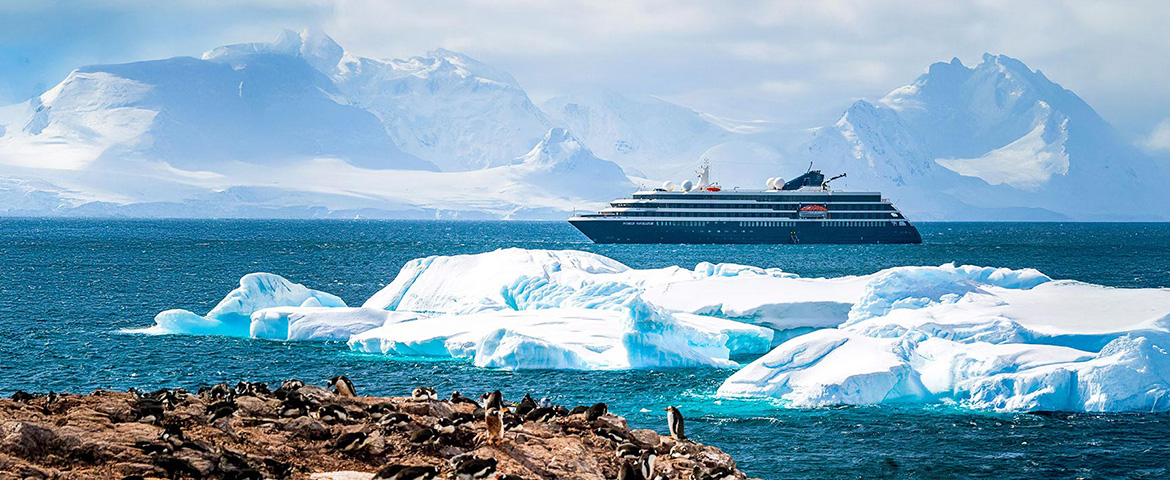
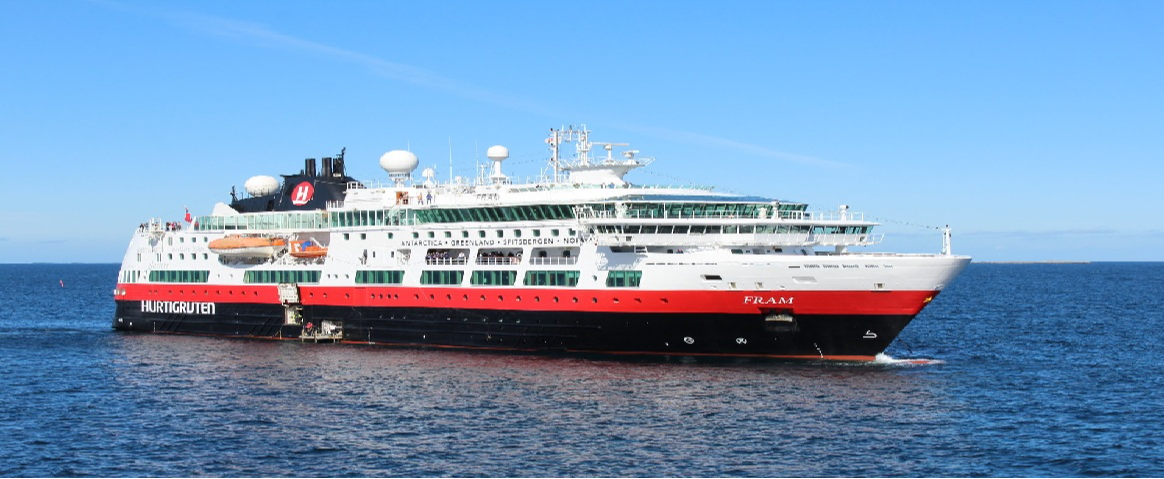
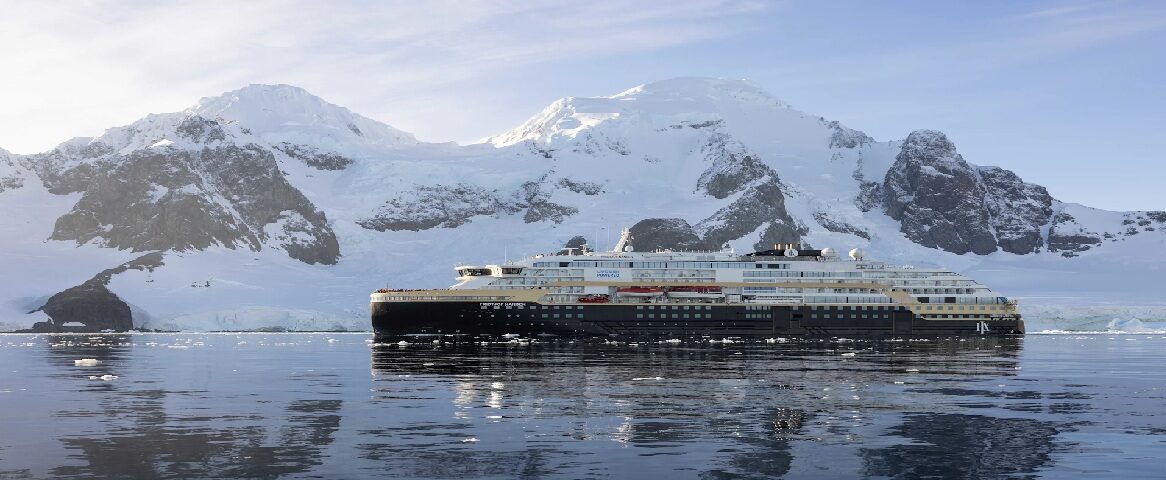
Atlas Ocean Voyages (1 Cruises)




Port of Harlingen, Netherlands | Cruise Port Guide
Frequently Asked Questions
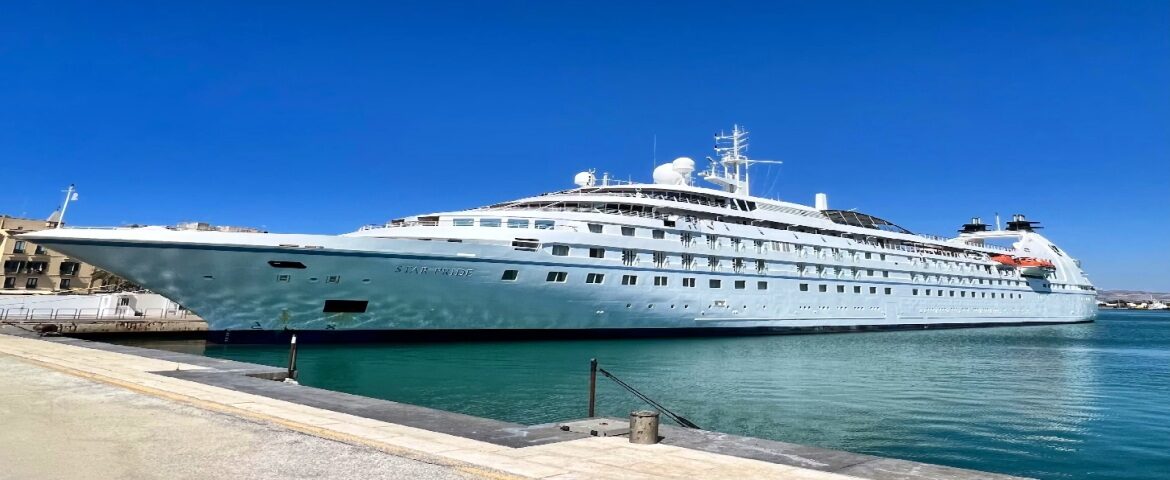
Right beside the centre: the small vessels that call here moor a few minutes' walk from the inner canals. No transport is needed — the town is walked from end to end.
It is Friesland's only true seaport and the home base of the Dutch brown fleet of traditional sailing ships. On some evenings the Noorderhaven quays look like a forest of varnished wood: schooners, flat-bottomed tjalks, restored clippers.
Walk the Noorderhaven and then the Zuiderhaven, the two historic basins around which everything was built. The town has over 500 listed buildings, a density rare in the Netherlands, and every quay is a lesson in merchant architecture.
The salt lane, behind the harbours: a row of low, carefully restored cottages with geraniums spilling from the windows. Eighteenth-century captains and merchants left their houses here, and Dutch habit means the curtainless windows let you glimpse the interiors.
The town's great era: whaling, Baltic trade, local blue-patterned tin-glazed pottery and stern captains' portraits. You learn that Harlingen fitted out dozens of whalers for Greenland waters and that its yards launched ships known throughout northern Europe.
Yes. The town is home to the country's last fully hand-painted tile and pottery works. You can watch the artisans at work and leave with a signed tile — a souvenir with meaning in a place where the craft refuses to die out.
Wadden Sea brown shrimp, served as croquettes or on buttered bread in the quayside cafés. It is the local speciality, eaten standing up in front of the masts.
An inland sea on the World Heritage list whose tides uncover sandbanks as far as the eye can see, twice a day. From the dyke at the end of the quays the scene changes with the tide: ferries to Terschelling and Vlieland, shrimpers coming home, curtains of rain or low raking light.
The stone man, a statue that has watched over the dyke since the sixteenth century in memory of the Spanish governor who had it raised. Nearby, the red harbour lighthouse no longer guides ships: converted into a perched hotel room, it illustrates the Dutch art of reinventing everything.
Yes, provided your group likes boats. Old rigs under repair, ferries leaving for the islands and the tile workshop hold attention. The town remains village-sized, though — do not expect a major attraction or an amusement park.


