Gisborne New Zealand
New Zealand

58 Cruises availables At departure or passage at this port

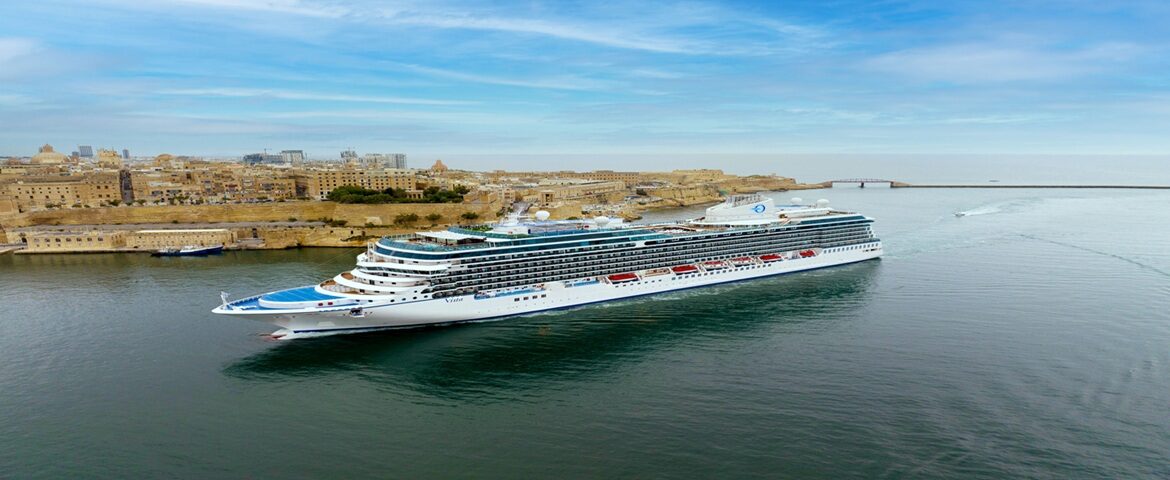
Oceania Cruises (20 Cruises)

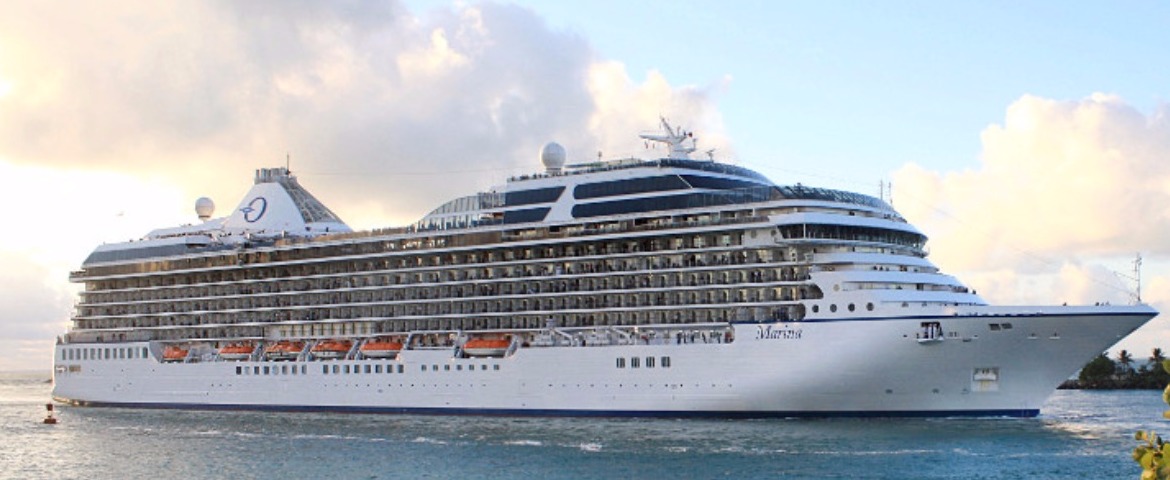
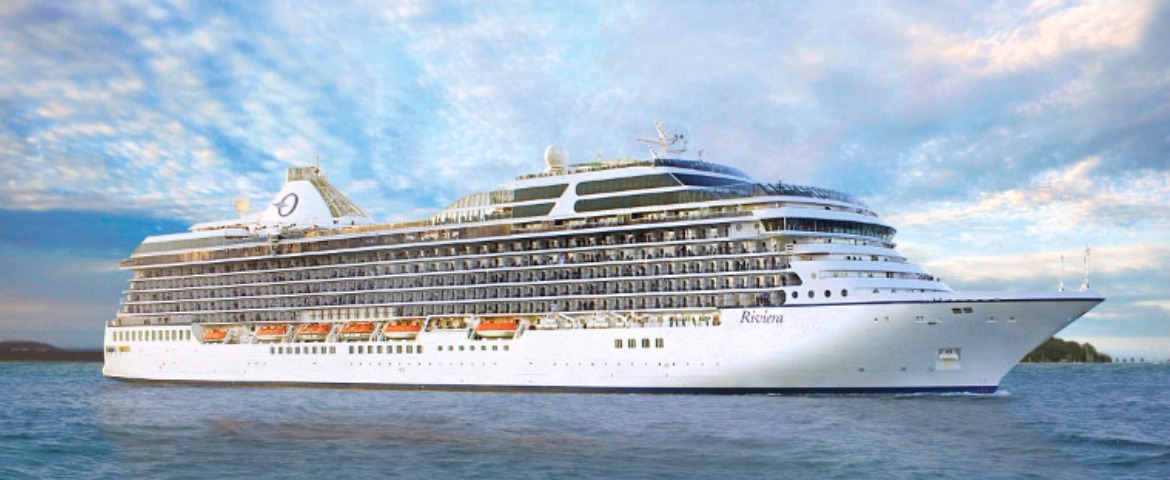
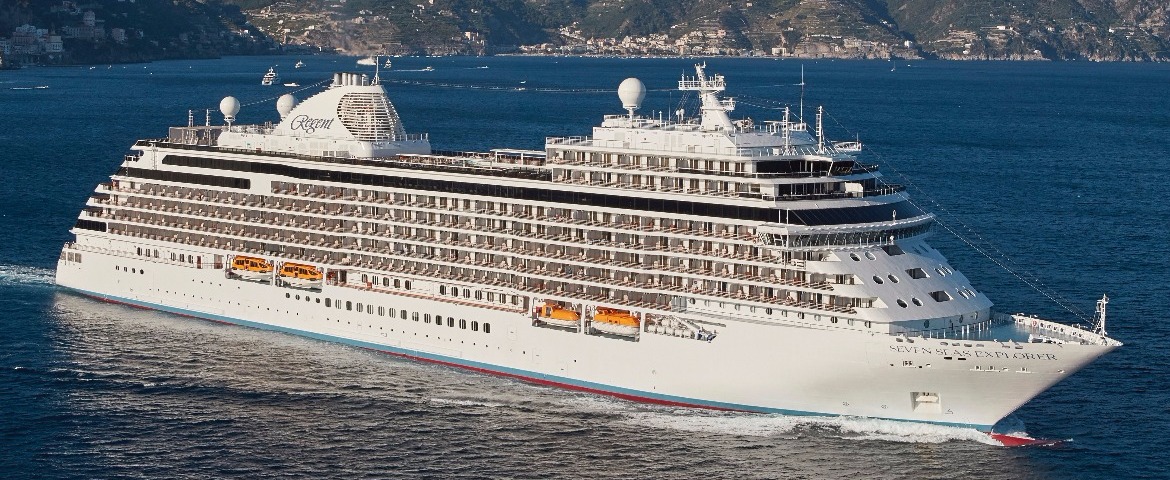
Regent Seven Seas Cruises (18 Cruises)

Port of Gisborne | Cruise Port Guide

Each morning, Gisborne wakes before almost everyone else: positioned near the 178th meridian, it ranks among the planet's first cities to see the sun rise from the ocean. Ships anchor in Poverty Bay, a misleading name inherited from James Cook, and shuttles deposit passengers at the inner port, barely 500 metres from the town's streets. The port call thus begins simply, in the fresh light of the South Pacific. The Māori name for the region, Tairawhiti, means "the coast where the sun shines on the water."

Where Two Worlds Met

In October 1769, Cook's Endeavour drops anchor in this bay: this is where the first encounters between Europeans and New Zealand Māori occur, exchanges marked by misunderstanding and bloodshed. Kaiti Shore, where history pivoted, lies minutes' walk from the landing. The sector's monuments and panels recount the event without simplifying it, now giving full voice to Māori accounts, including that of navigator Tupaia, the expedition's Polynesian interpreter.

Titirangi Summit

Above the site, Titirangi Hill, also called Kaiti Hill, is climbed by a shaded trail or road, and descended the same way crossing joggers and locals. The reward up there is complete: the town spread between its two rivers, the bay rimmed with hills and, on clear days, the silhouette of Young Nick's Island, the first land spotted by Cook's crew. On the hillside, the marae Te Poho-o-Rawiri is one of the country's great carved meeting houses; it is visited only by invitation, but its presence reminds you of the vitality of East Coast Māori culture.

A City That Lives Outdoors

Gisborne's centre is explored without a map: quiet shopping streets, cafés where they roast on-site, public gardens along the Taruheru River. The Tairawhiti Museum merits a stop for its Māori collections and exhibitions on coast shipwrecks. Waterfront statues — including that of young Nicholas Young, the Endeavour's cabin boy who spotted land first — punctuate a riverside promenade between the port and the municipal beach. Wine enthusiasts know Gisborne by reputation: the region positions itself as New Zealand's chardonnay capital, and several estates welcome visitors a few kilometres from town.

Beaches and Longboards

Six kilometres from the centre, Wainui Beach unfolds clear sand facing Pacific rollers. Local surfers spend the year here, winter included. Without a board, you go to walk, watch the swell lines and feel the offshore wind: the coast here is rawer, more alive than in the sheltered bay where the ship waits. Along the way, the road edges pastures where sheep graze right to the cliff edge, a reminder that the region lives first by stock-raising and horticulture.

Port-Call Essentials

ElementDetail
DisembarkationBy shuttle to the inner port, roughly 500 m from centre
On FootTown centre, Kaiti Shore and Titirangi trail reachable without transport
ExcursionsChardonnay wine estates, Eastwoodhill national arboretum 35 km away
Good to KnowSwell can complicate shuttles; allow flexibility in timing

You leave Gisborne with the feeling of having touched a point of origin: that of the day beginning, and that of a country born of a difficult meeting whose city now assumes all the complexity. The day after the port call, at sea, you will recall the sun rising over Titirangi while the rest of the world still sleeps.

Frequently Asked Questions

Ships anchor in Poverty Bay and tenders land passengers in the inner harbour, barely five hundred metres from the streets of the centre.
Because it sits near the 178th meridian, making it one of the first cities on earth to see the sun rise out of the ocean. The Māori name for the region, Tairawhiti, means 'the coast where the sun shines on the water'.
The Kaiti foreshore and its monuments, the climb up Titirangi hill for the panorama, the Tairawhiti Museum and the riverside walk. With more time, head to Wainui beach or the vineyards.
James Cook's Endeavour anchored here: this is where the first encounters between Europeans and New Zealand Māori took place, exchanges marked by misunderstanding and bloodshed. The monuments on the Kaiti foreshore tell the story without simplifying it.
The city spread between its two rivers, the bay rimmed with hills and, on a clear day, the outline of Young Nick's Head, the first land sighted by Cook's crew. You reach it by a shaded path or by road.
Te Poho-o-Rawiri marae, on the hillside, is one of the country's great carved meeting houses — but it can only be visited by invitation. Its presence speaks to the vitality of East Coast Māori culture.
Yes, it presents itself as New Zealand's chardonnay capital. Several estates welcome visitors a few kilometres outside town.
Wainui beach, six kilometres from the centre, stretches pale sand facing the Pacific swell. Local surfers use it year round, winter included. The coast is rawer there than in the sheltered bay where the ship waits.
The New Zealand dollar, and English — Māori is also an official language and very present on the East Coast. Cards are accepted everywhere.
The Endeavour's cabin boy, the first to sight land. His statue stands along the riverside walk on the waterfront, between the harbour and the town beach.