Salalah Oman
Oman
55
Cruises availables
At departure or passage at this port
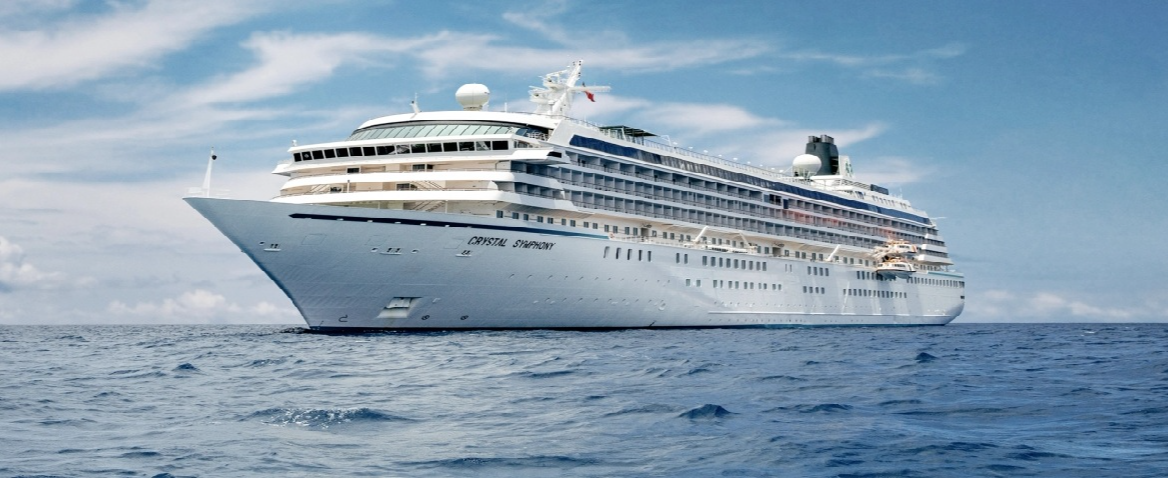
Crystal Cruises (6 Cruises)

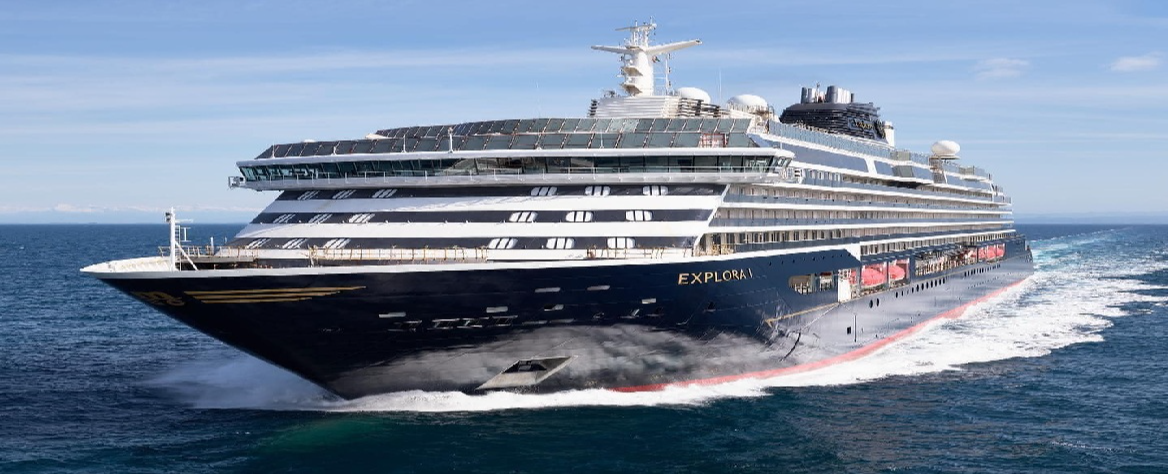
Explora Journeys (5 Cruises)

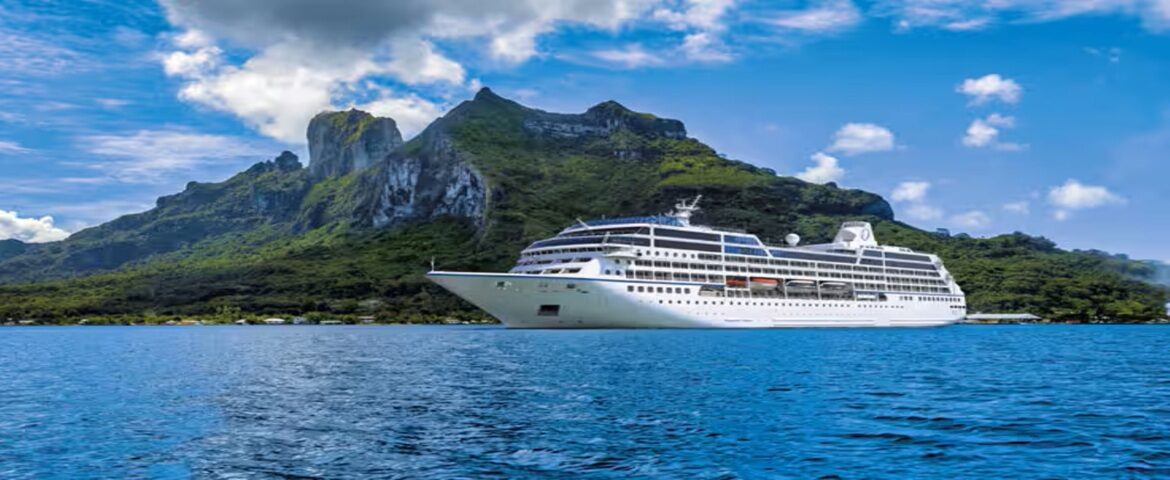
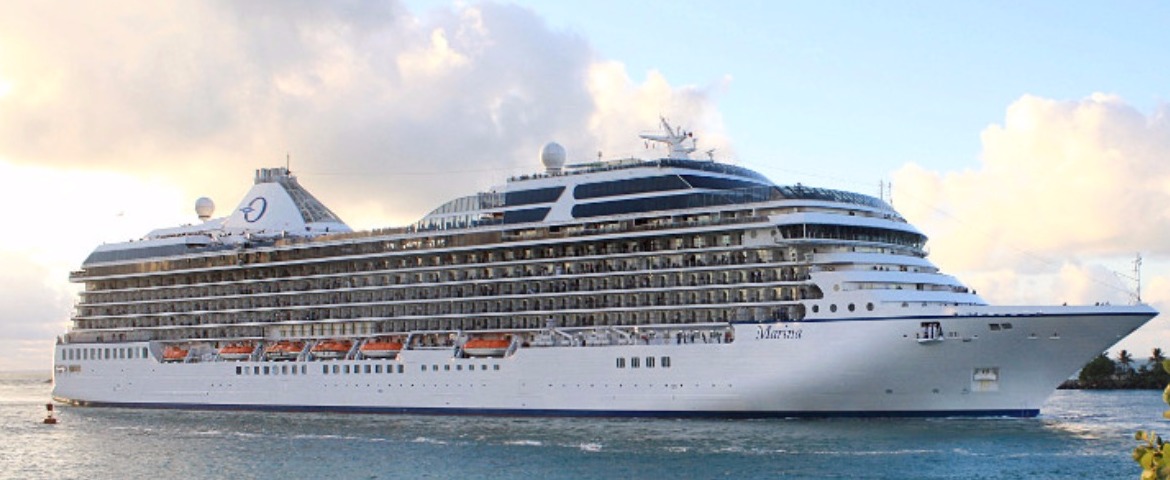
Oceania Cruises (30 Cruises)

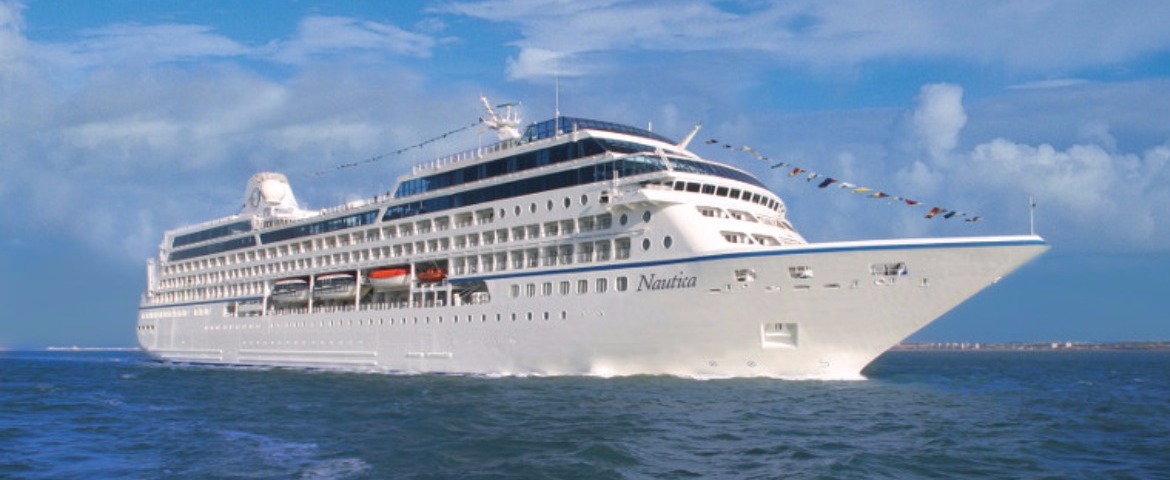
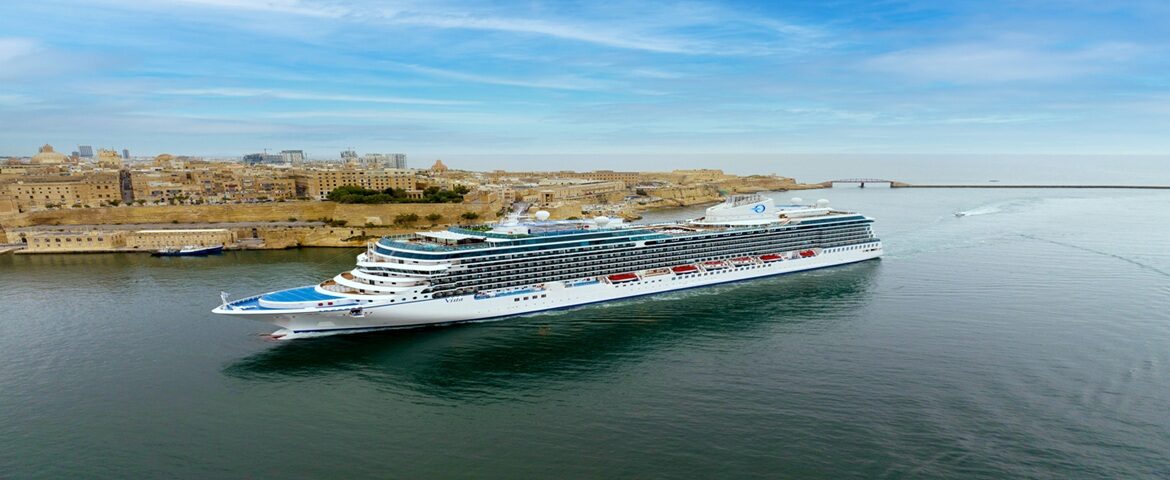
Oceania Vista
18 Cruises
| 6 January | 244 days | One-way from Miami to New York |
450-628-6241
Call us
|
| 6 January | 180 days | One-way from Miami to Southampton |
450-628-6241
Call us
|
| 26 February | 130 days | One-way from Sydney to Southampton |
450-628-6241
Call us
|
| 26 February | 129 days | One-way from Sydney to Southampton |
450-628-6241
Call us
|
| 4 January | 96 days | One-way from Auckland to Civitavecchia-Rome |
450-628-6241
Call us
|
| 4 January | 97 days | One-way from Auckland to Civitavecchia-Rome |
450-628-6241
Call us
|
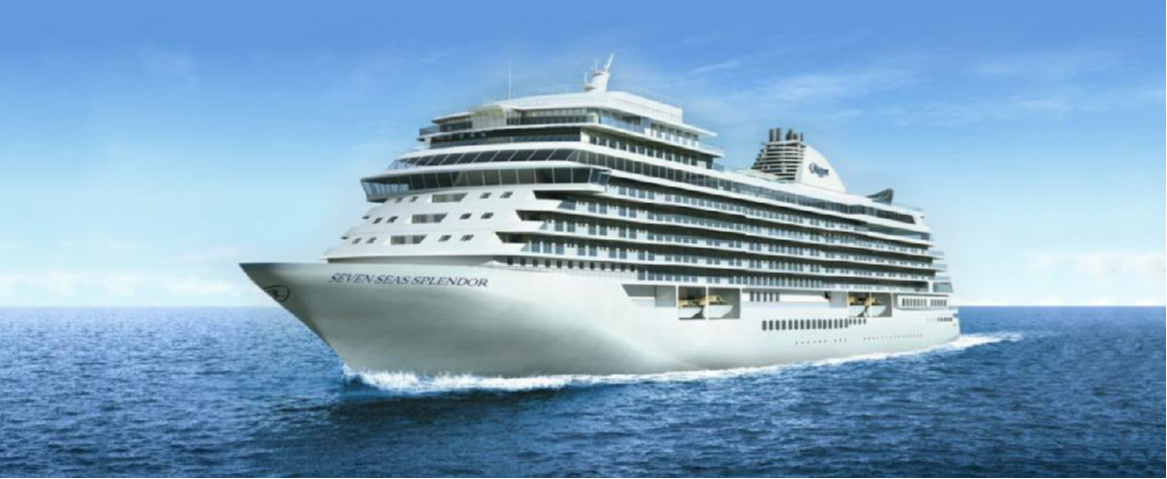
Regent Seven Seas Cruises (11 Cruises)

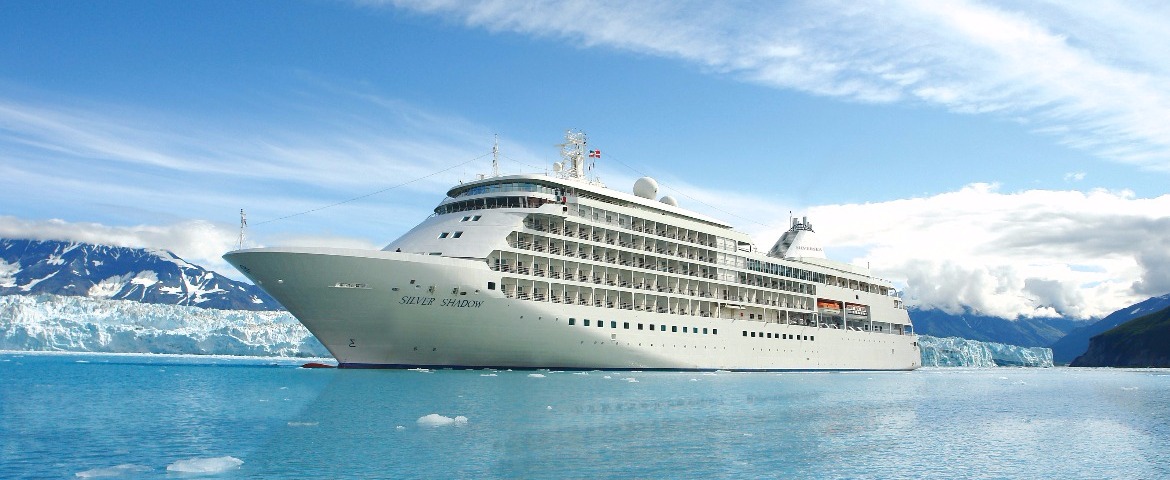
Silversea Cruises (3 Cruises)

Salalah, Oman | Cruise Port Guide
Frequently Asked Questions
At the Port of Salalah, a modern complex on the Raysut side, about twenty kilometres from the city centre. Nothing is walkable from the berth: taxis and excursions take over.
No. Twenty kilometres separate the port from the centre. Plan on a taxi or an excursion, and agree the fare before getting in if you take a taxi.
Because the resin has been harvested for millennia from boswellia trees in the Dhofar mountains and was once exported to Rome, Persia and China. The city still lives to the rhythm of that trade, and the stalls of the Al-Husn souq burn it continuously.
The ruins of ancient Zafar, a trading port that prospered from the eighth to the sixteenth century on the resin trade, on the city's shoreline. The site is UNESCO-listed within the Land of Frankincense; it can be covered on foot or by buggy among the great mosque's foundations, the ramparts and a lagoon frequented by herons. The adjoining museum traces Dhofar's maritime route.
Al-Baleed and the Al-Husn souq make a complete, coherent programme, with a photo stop at the Sultan Qaboos Grand Mosque. If you prefer landscape, swap them for Mughsail some forty kilometres west. The two do not fit in the same call.
Limestone cliffs above a long pale-sand beach, about forty kilometres west. Beneath the headlands, natural blowholes throw up plumes of spray when the swell drives into the rock. The road then climbing in switchbacks toward the Yemeni border opens dizzying views over the Indian Ocean.
Frankincense crystals graded by quality, painted clay burners and perfumes blended on the spot. Look for hojari, the most sought-after grade. Let your nose lead and compare varieties before buying.
Both, depending on the season. Thanks to the khareef, the summer monsoon that hangs mist on the mountains, the coastal plain fills with plantations: bananas, papayas, sugar cane and coconut palms line the roads. From June to September the hills turn green enough to suggest the tropics — a phenomenon unique on the peninsula.
The Omani rial. Bring small notes for the souq and taxis; cards are not accepted at every resin stall.
Covering clothes, out of respect for local custom as much as for the sun. Add water and a hat: the port is far from everything and shade is scarce at Al-Baleed and Mughsail alike.


